This audio is auto-generated. Please let us know if you have feedback.
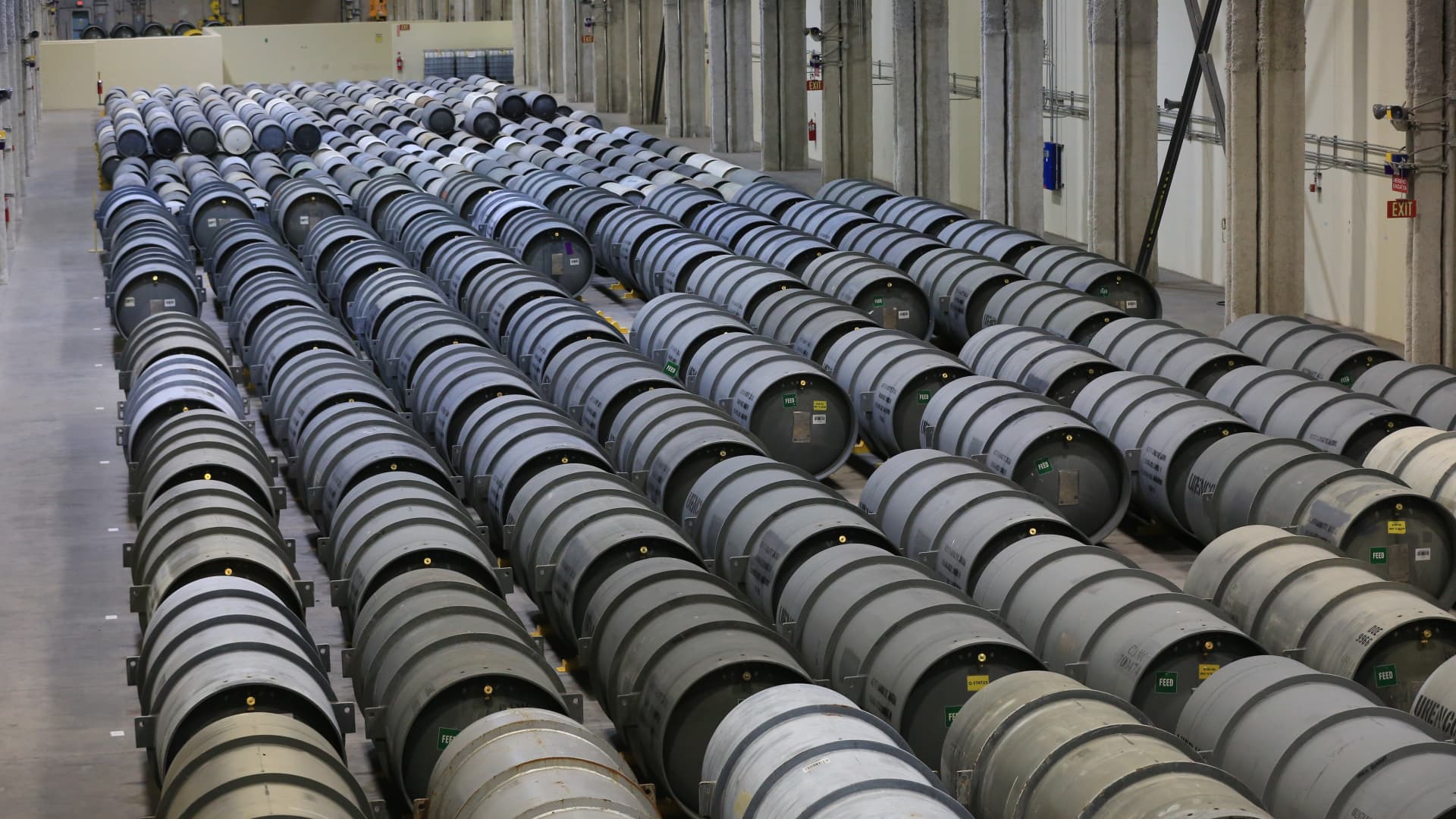
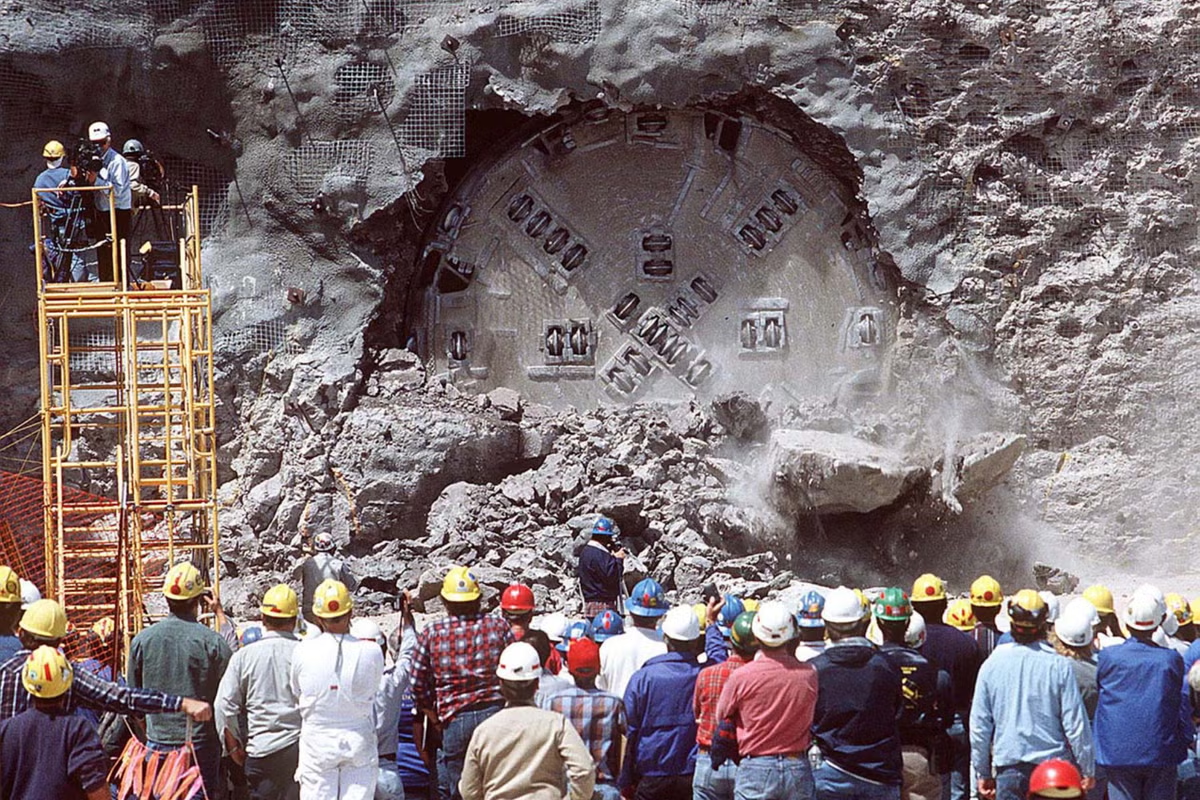
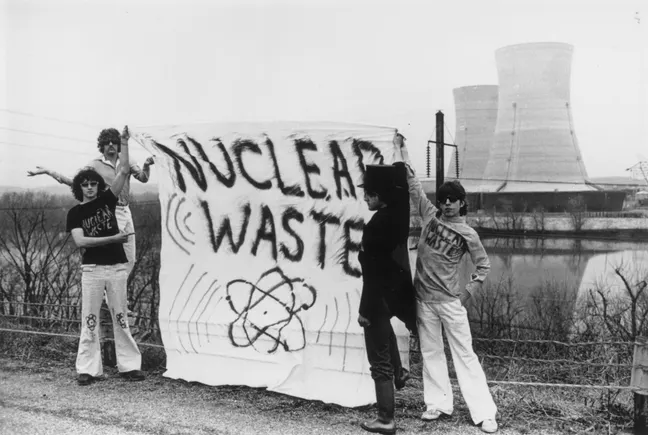
After decades of stalemate over what to do with radioactive waste from nuclear power plants, the U.S. Department of Energy is hoping states can be convinced to take in some of that used fuel as part of a broader effort that could include advanced industries, power generation, data centers — and the promise of long-term jobs.
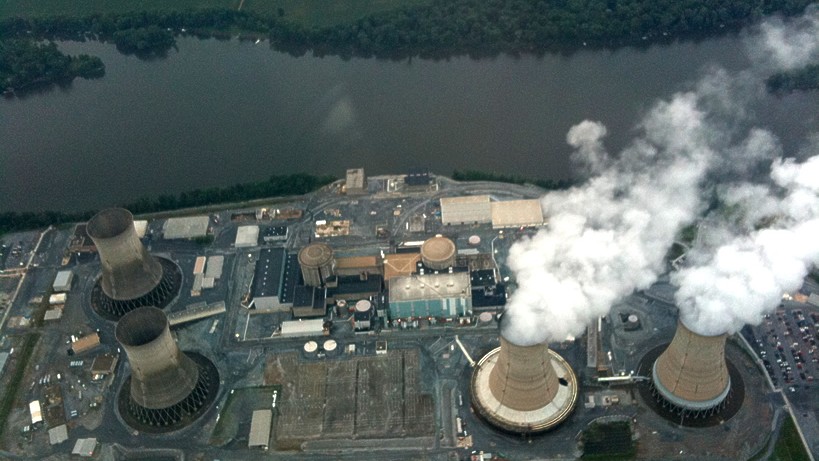
Many states have responded positively against a backdrop of rising demand for electricity and a bipartisan interest in non-fossil firm power. Recycling and reusing nuclear fuel – as France has done for years – is seen by many as key to reviving the U.S. nuclear sector.
But many of the same financial, policy and practical challenges remain that stymied previous efforts to find a lasting solution for the country’s estimated 95,000 metric tons of spent nuclear fuel. That could impede a burgeoning nuclear renaissance and the Trump administration’s ambition of adding some 300 GW of nuclear capacity over the next two decades, federal officials, utility planners, nuclear technology providers and analysts told Utility Dive.
“The generations who got electricity from the nuclear reactors should solve the problem and not kick the can down the road.”