Get the latest news and updates from Dawn
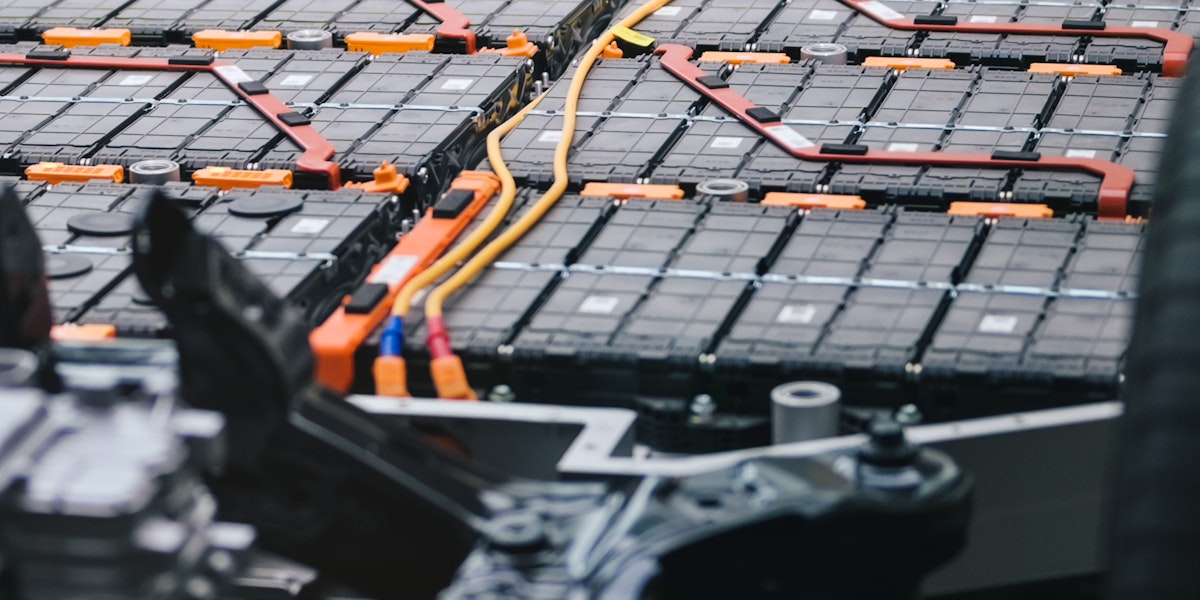
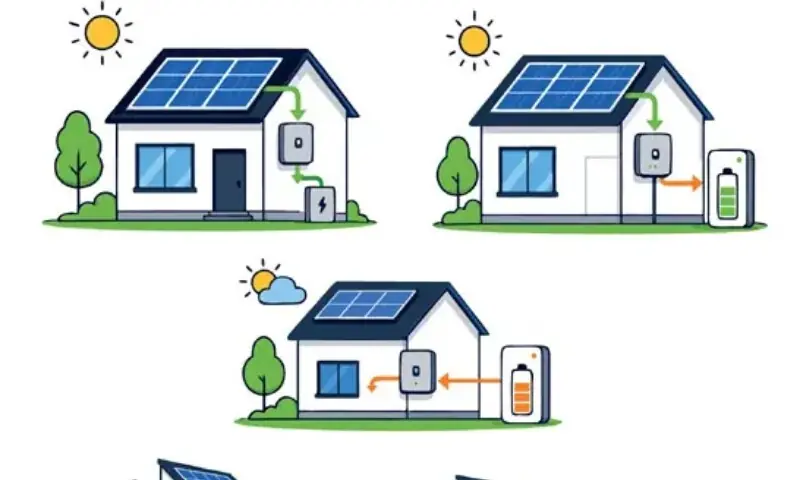
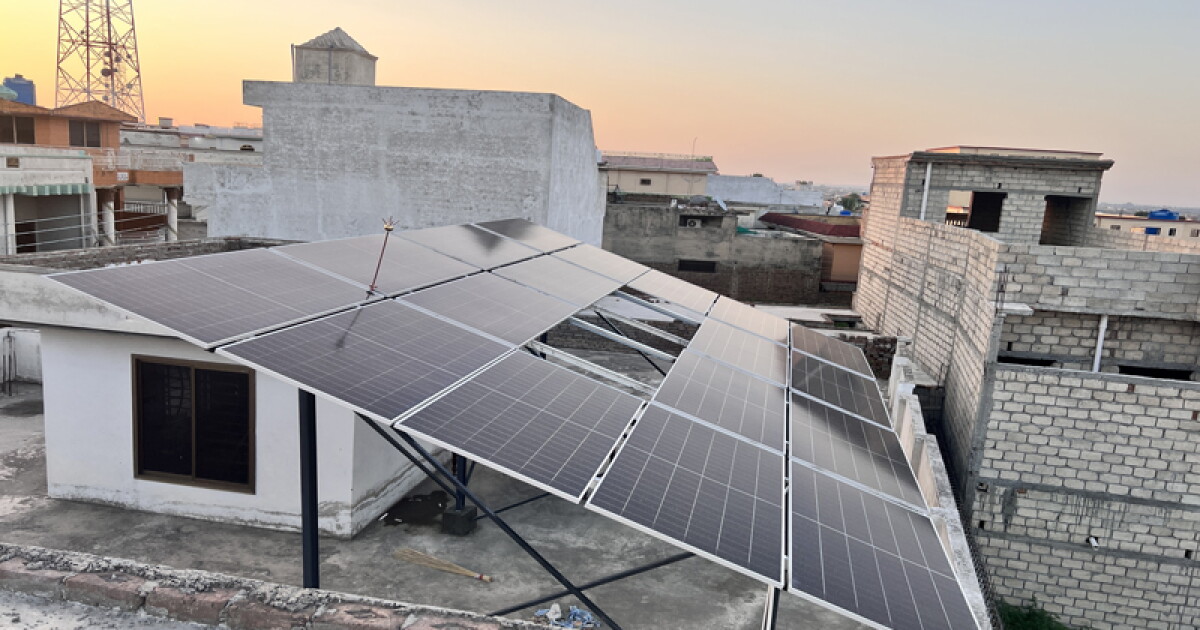
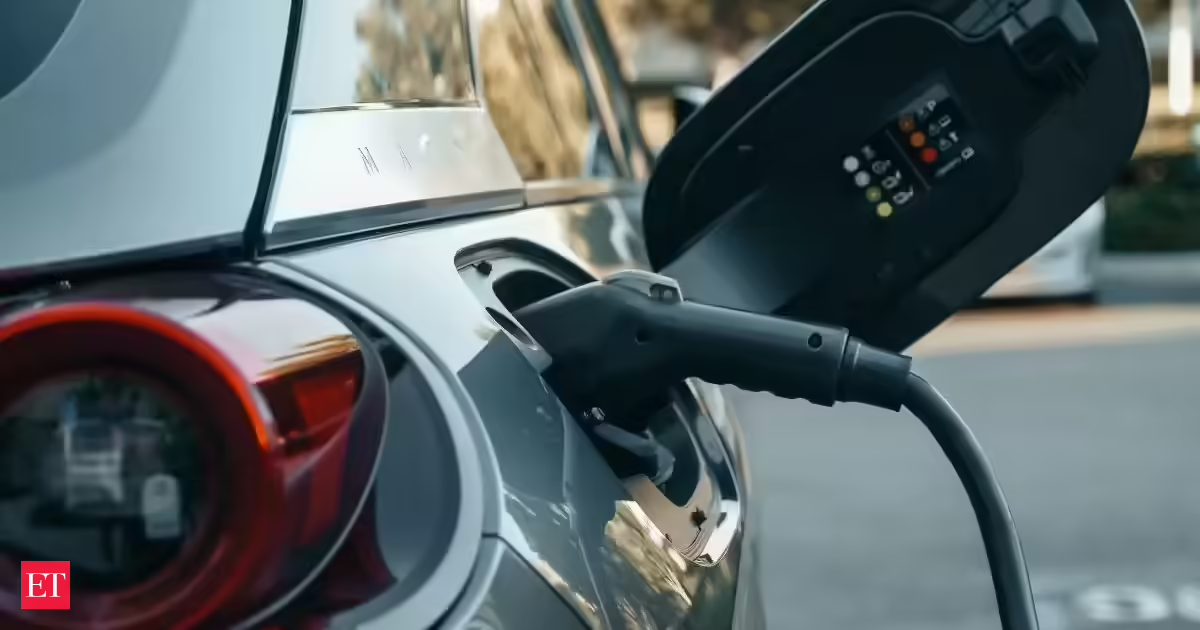
The future of energy is closely tied to efficient batteries, not only for e-bikes and electric vehicles (EVs) but also for domestic and commercial power banks for solar energy. The current game-changer is the lithium-ion (Li-ion) battery, set to replace wet and dry lead-acid batteries.
Pakistan’s battery demand is low, but if EVs, solar storage, and grid applications take off, total demand across sectors could grow to tens of GWh over the next decade.
However, currently, Pakistan’s Lithium-ion ecosystem is structurally shallow, with less than 20 per cent domestic value addition and heavy reliance on imports — most of the batteries used in e-bikes and EVs are imported, though there are a number of battery assemblers in the country.
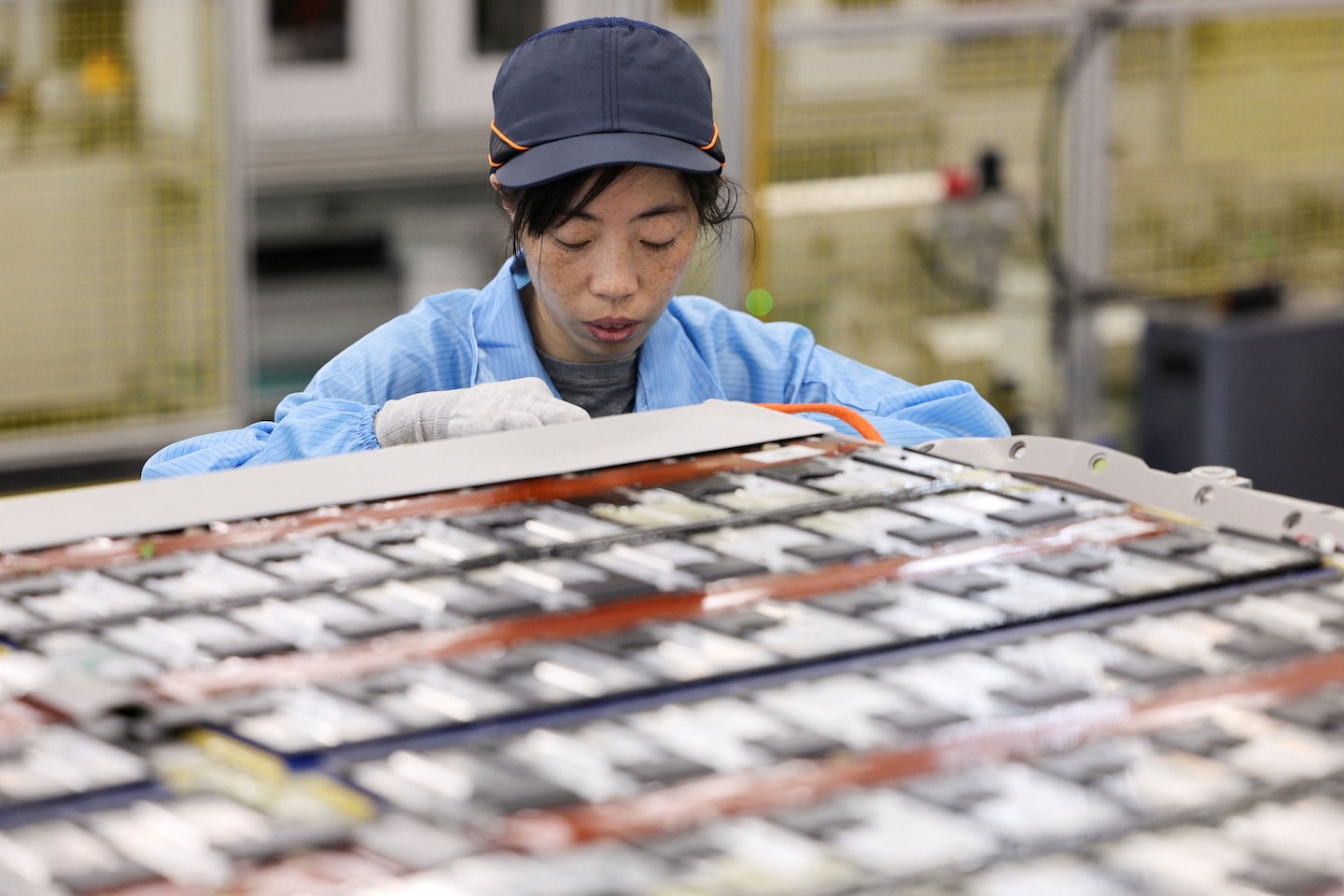
Meanwhile, one group — ‘Wavetec’, through its subsidiaries, EV Technologies and Atom Power — is set to start assembling Li-ion battery cells in Karachi within six months. “EV adoption cannot scale sustainably without a strong battery ecosystem,” said Huma Khattak, CEO of Atom Power and EV Technologies.