Get the latest news and updates from Dawn
Under international law, the decision to wage war and the rules that apply within war are entirely different legal frameworks. The decision to wage war is governed by the United Nations Charter, which prohibits the use of force between states except in self-defence or with Security Council approval.
Once a war has started, however, regardless of whether it is lawful or unlawful, defensive or aggressive, the same laws apply. These rules are generally found in the Geneva Conventions and their Additional Protocols and are premised on the notion of ‘equality of belligerents’. The same laws bind every party to the conflict, and even if one party flouts those norms regularly, it does not give the other the right to disregard them.
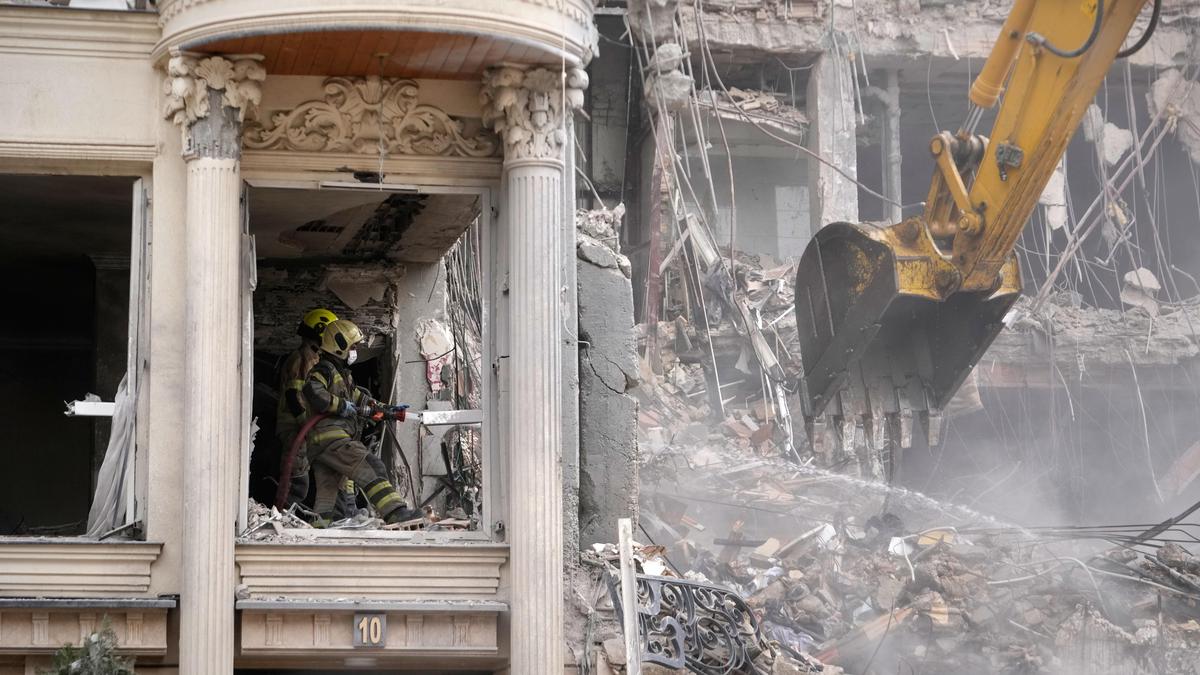
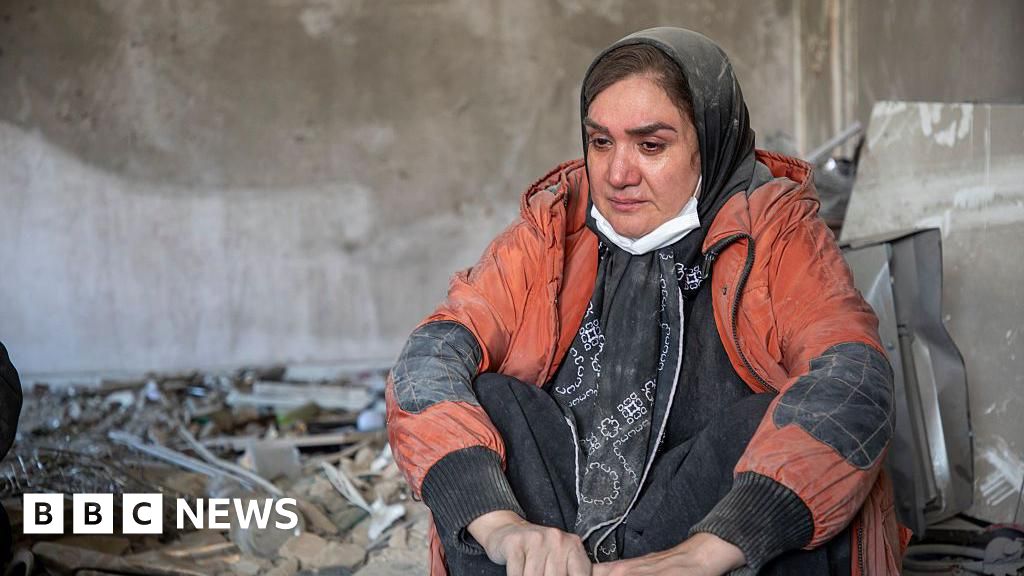
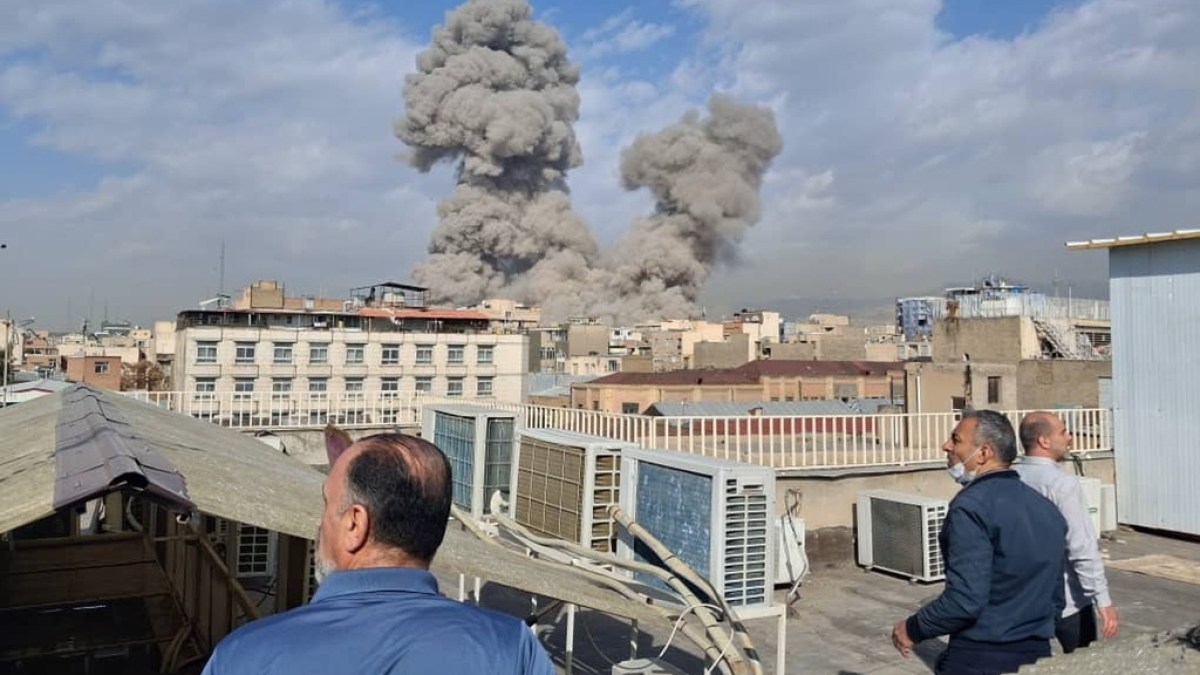
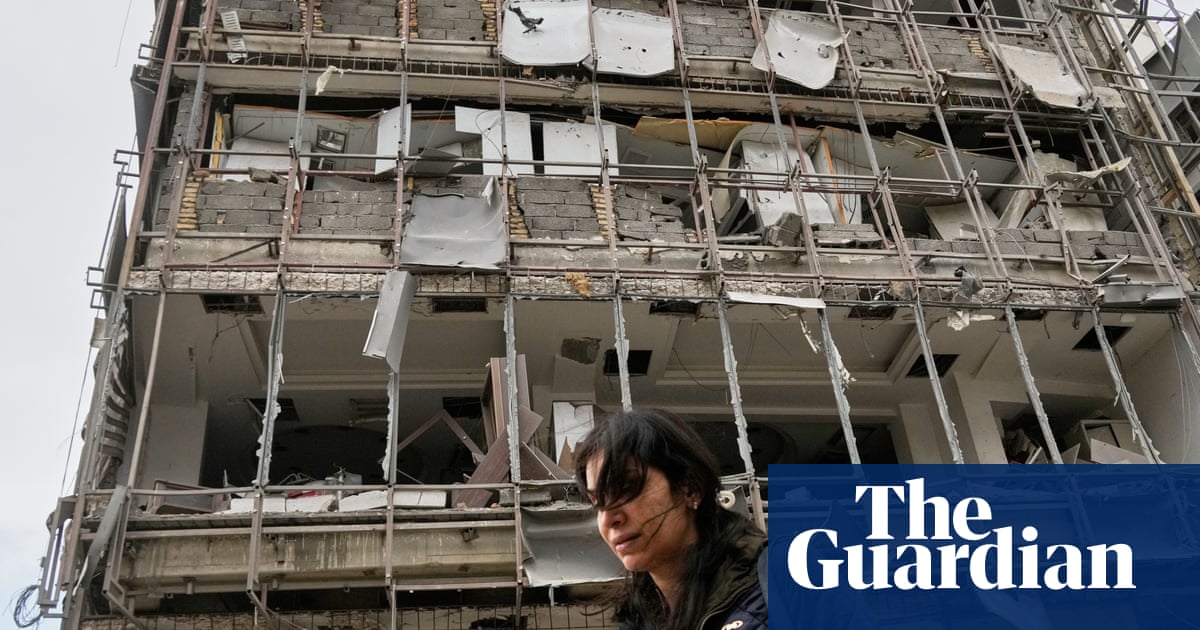
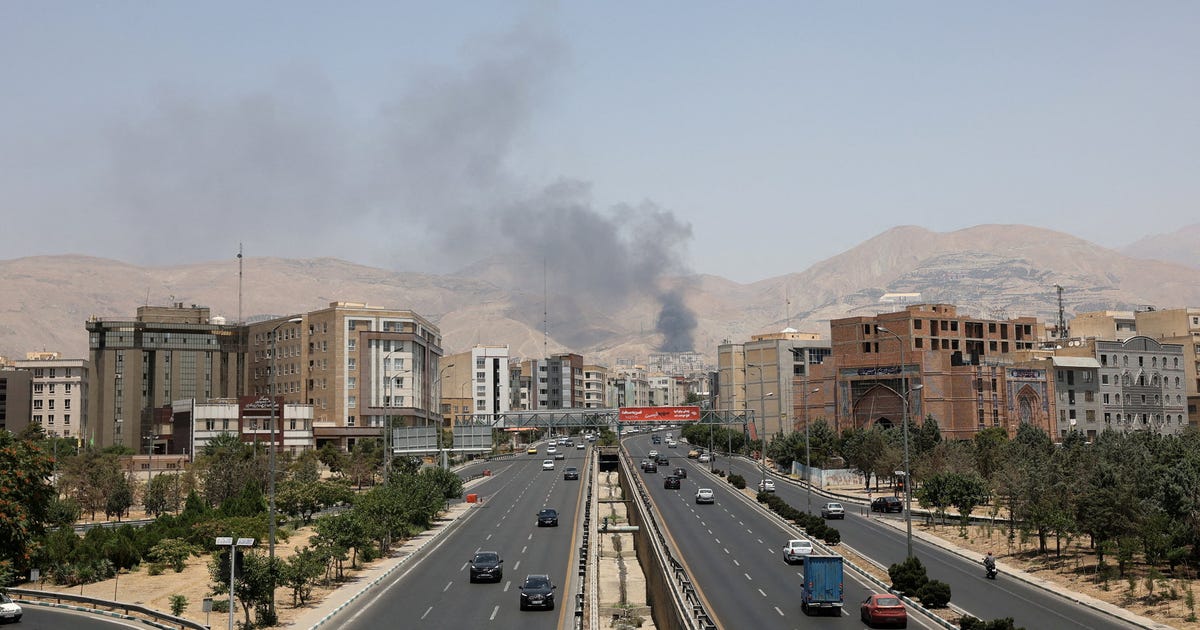
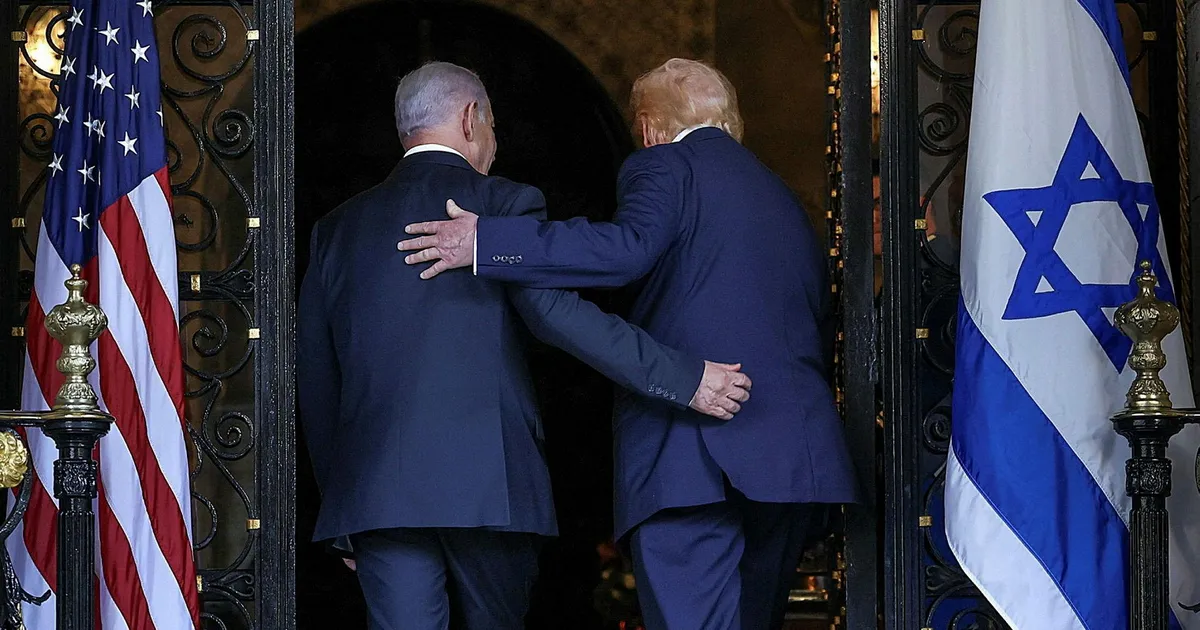
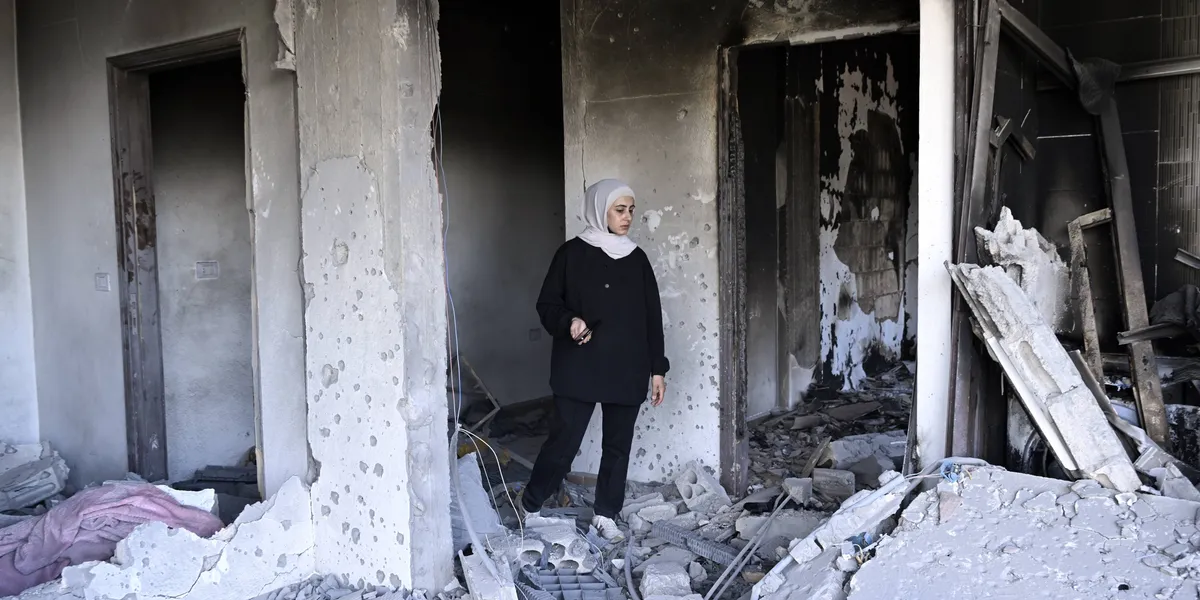
As over 20 countries across continents are now impacted by the illegal war launched by the US and Israel against Iran, with war crimes and crimes against humanity being committed in the course of hostilities, it is difficult to disagree with the notion that this is the original sin from which a multitude of evils flow.
Based on the timeline, we asked international law expert Ayesha Malik on how the these events may be assessed under international humanitarian law. Here’s what she had to say.