EUobserver
Europe’s answer to the ‘Who speaks for Europe?’ question – allegedly posed by Henry Kissinger – should be that Europe’s diversity of voices and actions are its strategic strength.
In a world of fluid coalitions, transactional alliances and overlapping networks of influence, Europe’s middle powers can often act more decisively than a cumbersome EU bureaucracy.
Debates are becoming more muted as equality experts and activists learn to be silent on questions like Gaza and the illegal US and Israeli attack on Iran for fear of losing their access to much-needed EU funding. It is, as one conference participant says wryly: “The new Brussels effect”.
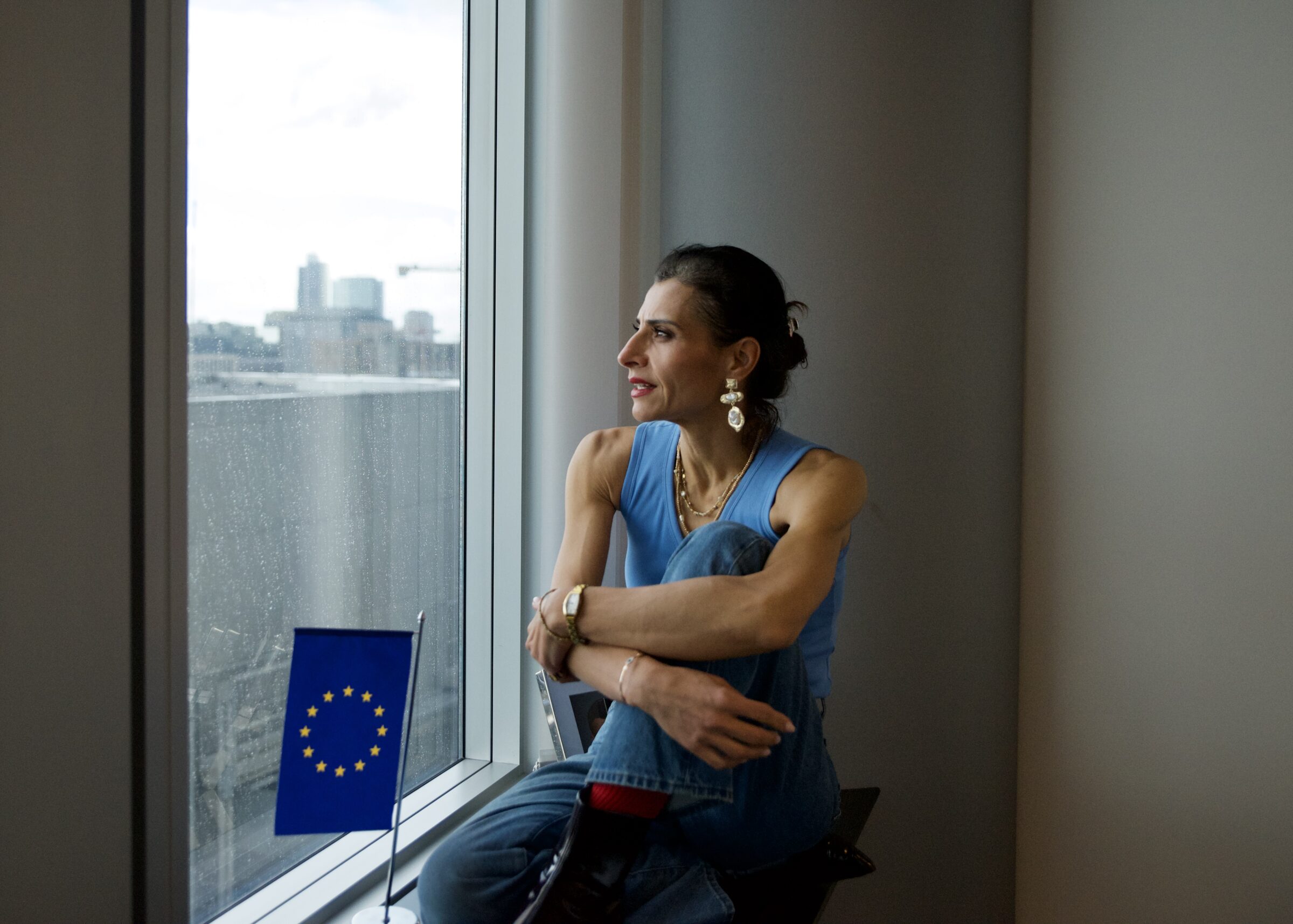
The new EU narrative on India reflects a modesty, pragmatism and flexibility that has long been absent from its dealings with the Global South. The unhelpful habit of dividing the world into democracies and autocracies is fading, replaced by a grudging acknowledgement that the EU is a middle-sized power which must work harder to find its place in a multipolar world, writes Shada Islam.