Reading Time: 6 minutesBUENOS AIRES—Latin America knows the recipe well: Open the economy. Expose firms to competition. Let the weakest disappear. Reallocate labor and capital. Grow faster.
What usually remains vague is what comes next.
Which sectors take over? Which activities absorb labor, generate exports, and sustain middle-class incomes? Efficiency can remove distortions. It does not, on its own, build a new productive structure.
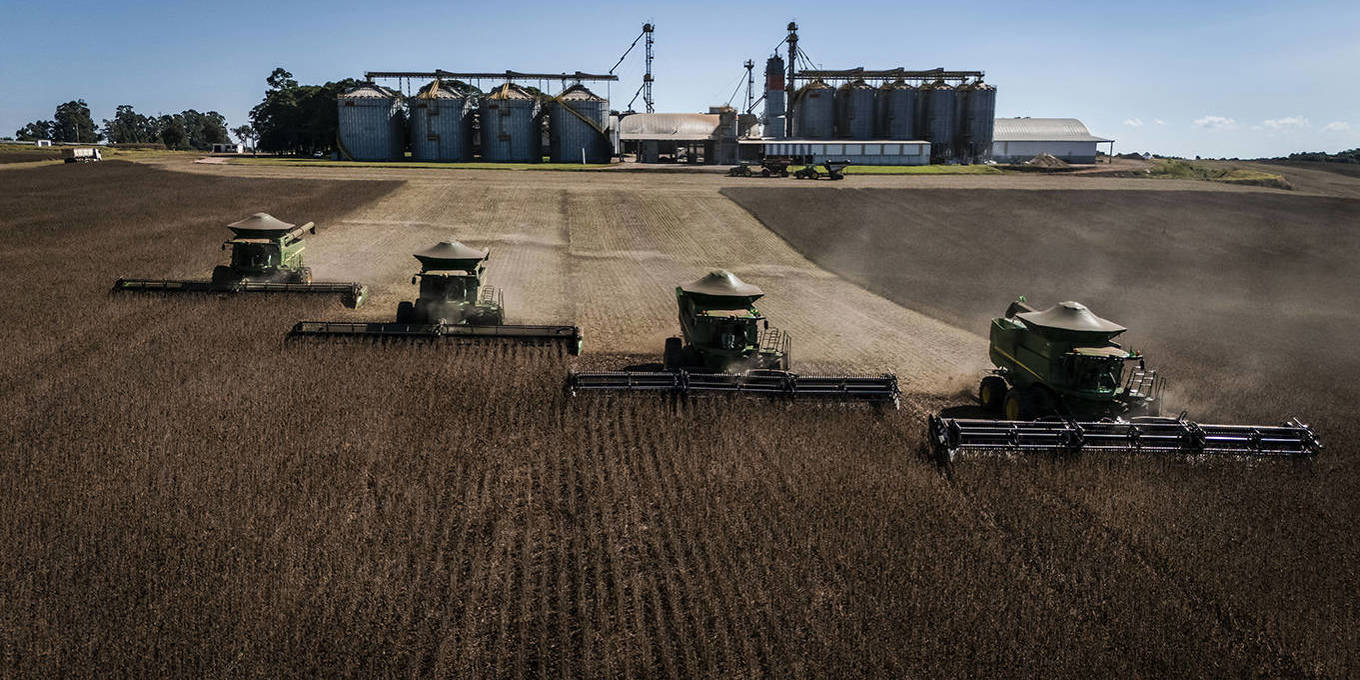
Latin America knows this, because many countries did liberalize over the last 30 years or so. They did deregulate. They did lower barriers and expose firms to global competition. Yet the promised transformation remains incomplete. According to ECLAC, natural resources and resource-based manufactures still account for more than 70% of South America’s exports and more than 50% of Central America’s. The export mix still looks overwhelmingly shaped by natural treasures.
The debate has gained renewed urgency at a time when a new wave of Latin American governments is trying to stir their economies from an era of disappointing economic growth. While recent disruptions elsewhere in the world, namely in the Middle East, have drawn attention to our region’s relative geopolitical stability and wealth in commodities from oil to soy and iron ore, history suggests these advantages won’t be enough on their own to produce the meaningful leap forward in development our nations’ citizens are demanding.