This article is adapted from AQ’s special report on Latin America’s demographic transformation
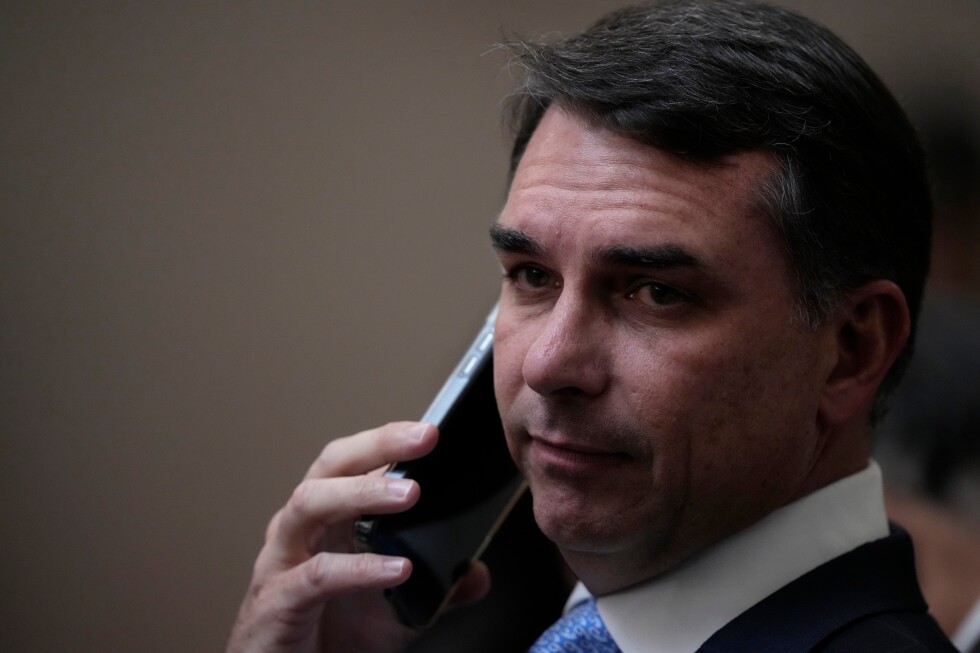
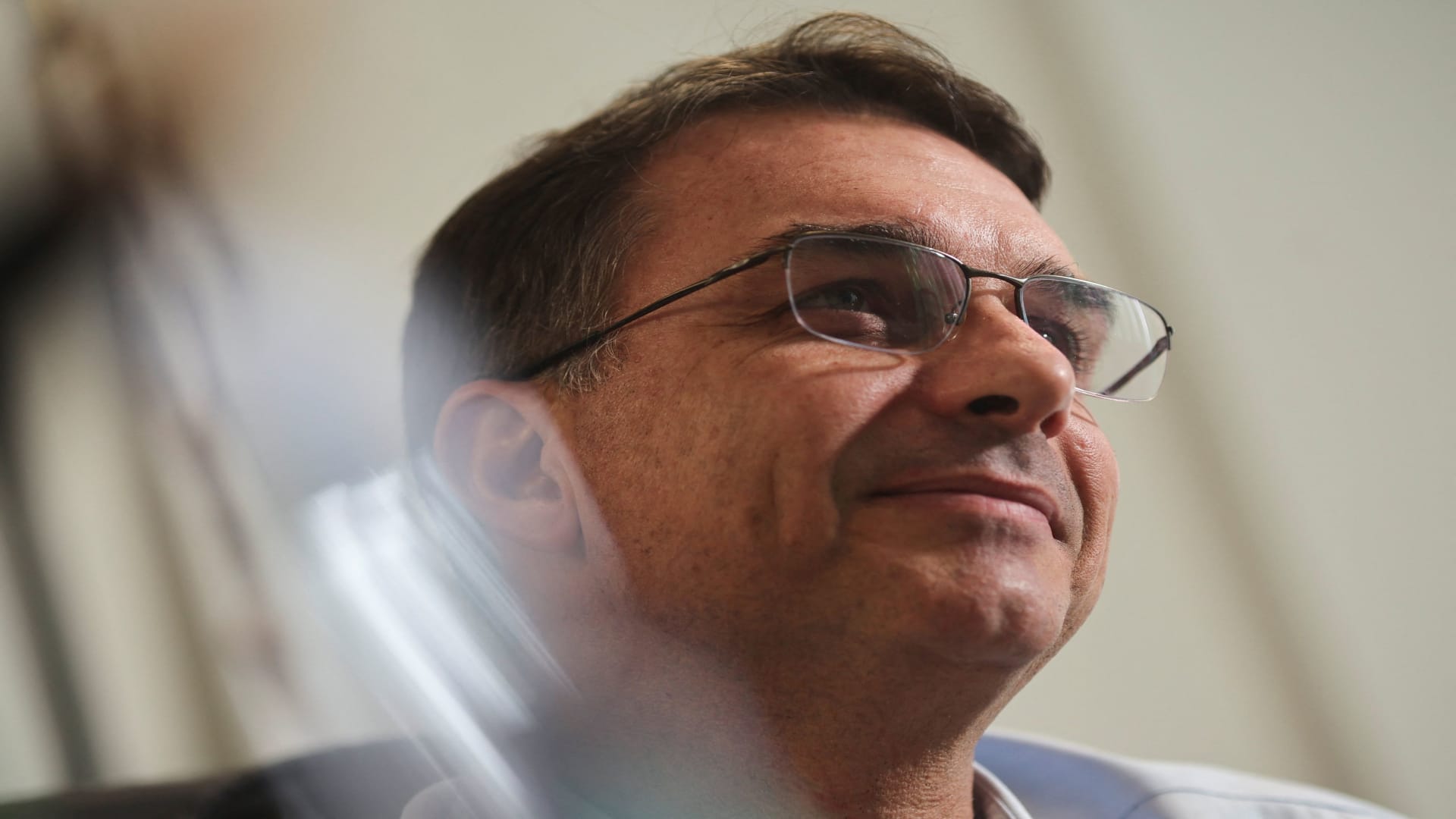
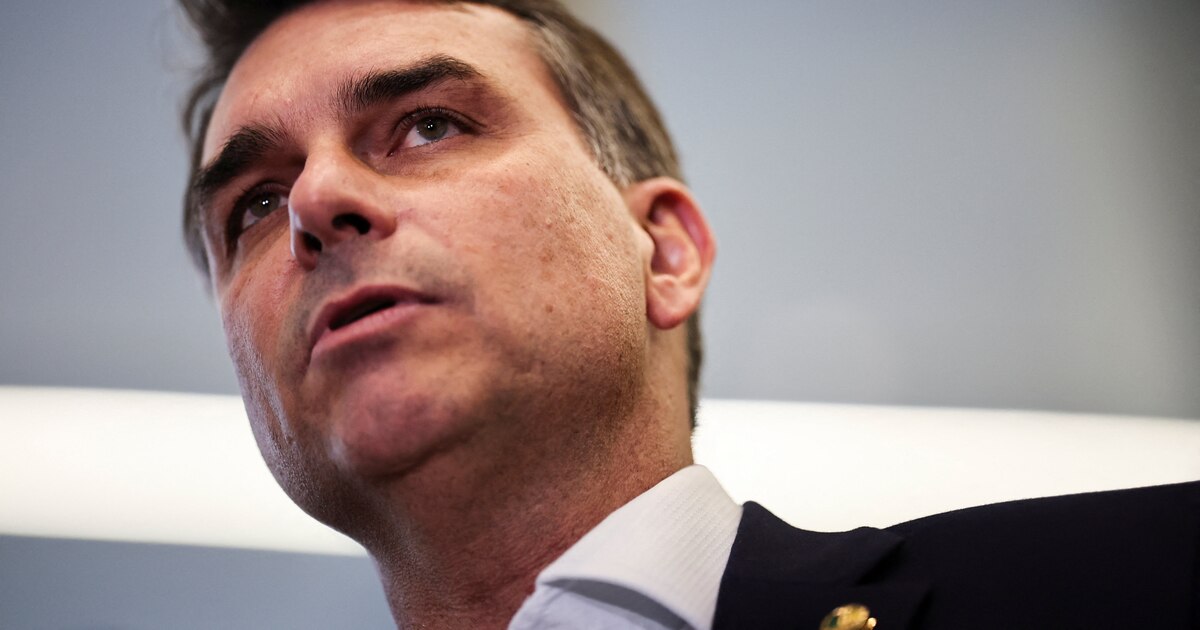
SÃO PAULO—At a recent event here with bankers and investors, Senator Flávio Bolsonaro mentioned that he had just visited the military police battalion where his father had been in jail since the beginning of the year.
“God will still honor him, and we will have the opportunity to restore justice,” said the eldest son of Jair Bolsonaro, who governed Brazil from 2019 to 2022 and was later convicted by the Supreme Court of attempting a coup to remain in power.
The audience seemed somewhat subdued. The senator spoke for 45 minutes about his father’s decision to back him as a presidential candidate in this year’s election and about his plans for the country, but he was interrupted by applause only twice. First, Flávio compared President Luiz Inácio Lula da Silva to an old car that “really guzzles.” Later, he promised to appoint a better finance minister than the current one, Fernando Haddad, should he be elected president.
The event in some ways encapsulated the opening months of Flávio Bolsonaro’s 2026 campaign. On the one hand, the eldest of Bolsonaro’s five children is often perceived as lacking in charisma and his father’s talent for inciting crowds with attacks on his rivals. On the other hand, Flávio, 44, still has the most powerful name in Brazilian conservative politics, and some wonder if his relative blandness might end up appealing to the more moderate swing voters who will probably decide this election.