Reading Time: 2 minutesThis article is adapted from AQ’s special report on Latin America’s demographic transformation
Here is a factoid that stuns virtually everyone: Chile today has a lower birth rate than Japan, at just 1.1 children per woman. While that is the lowest such number in Latin America, it does reflect a broader trend underway throughout the entire region, which as a result is now aging faster than any other part of the world.
It is a seismic change for a region that as recently as the 1960s had a birth rate approaching six per woman. The Latin American average today is 1.8, below the so-called “replacement rate” of 2.1 needed to keep population numbers steady. The implications for politics, economics, and day-to-day life are profound—and are already being felt.
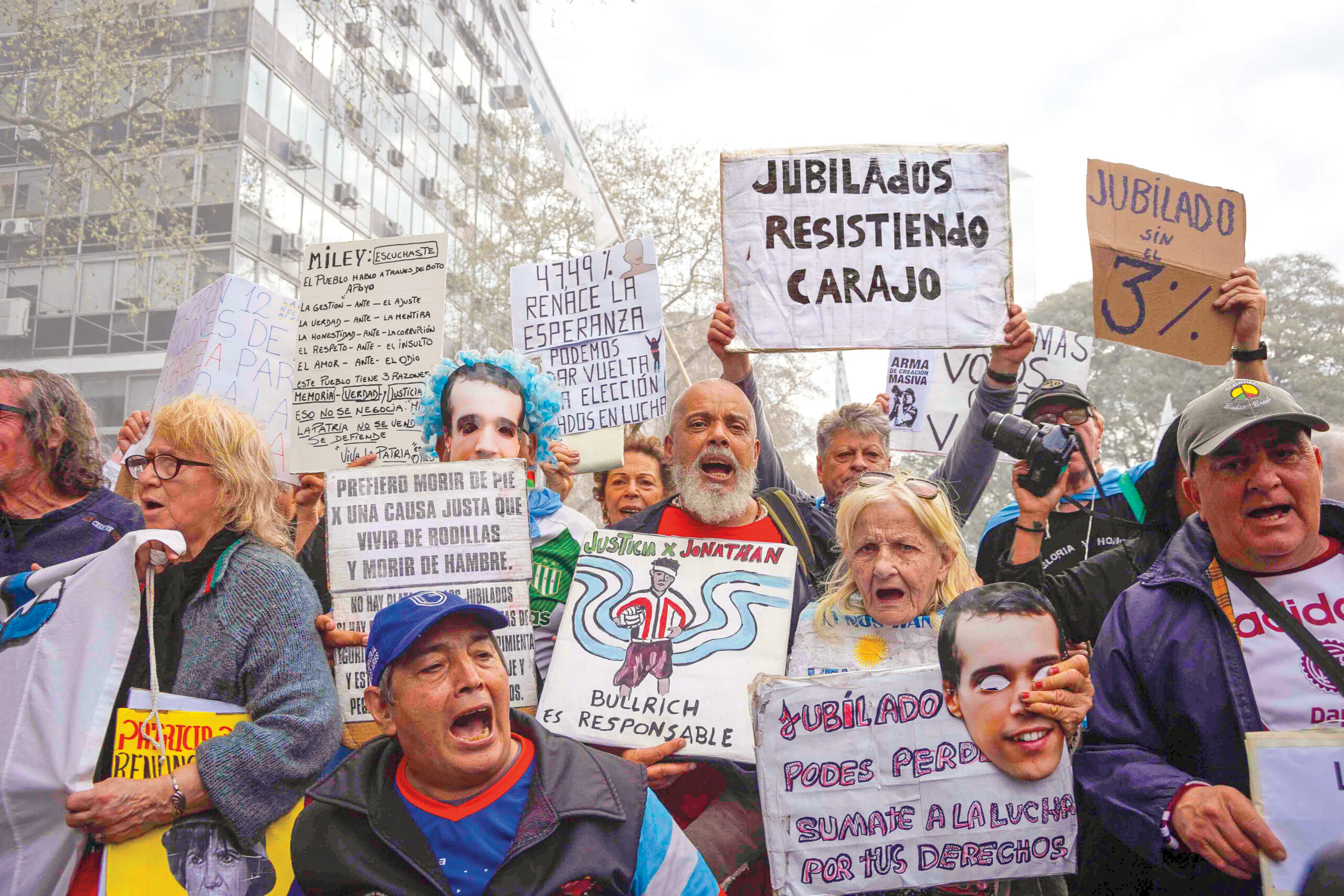
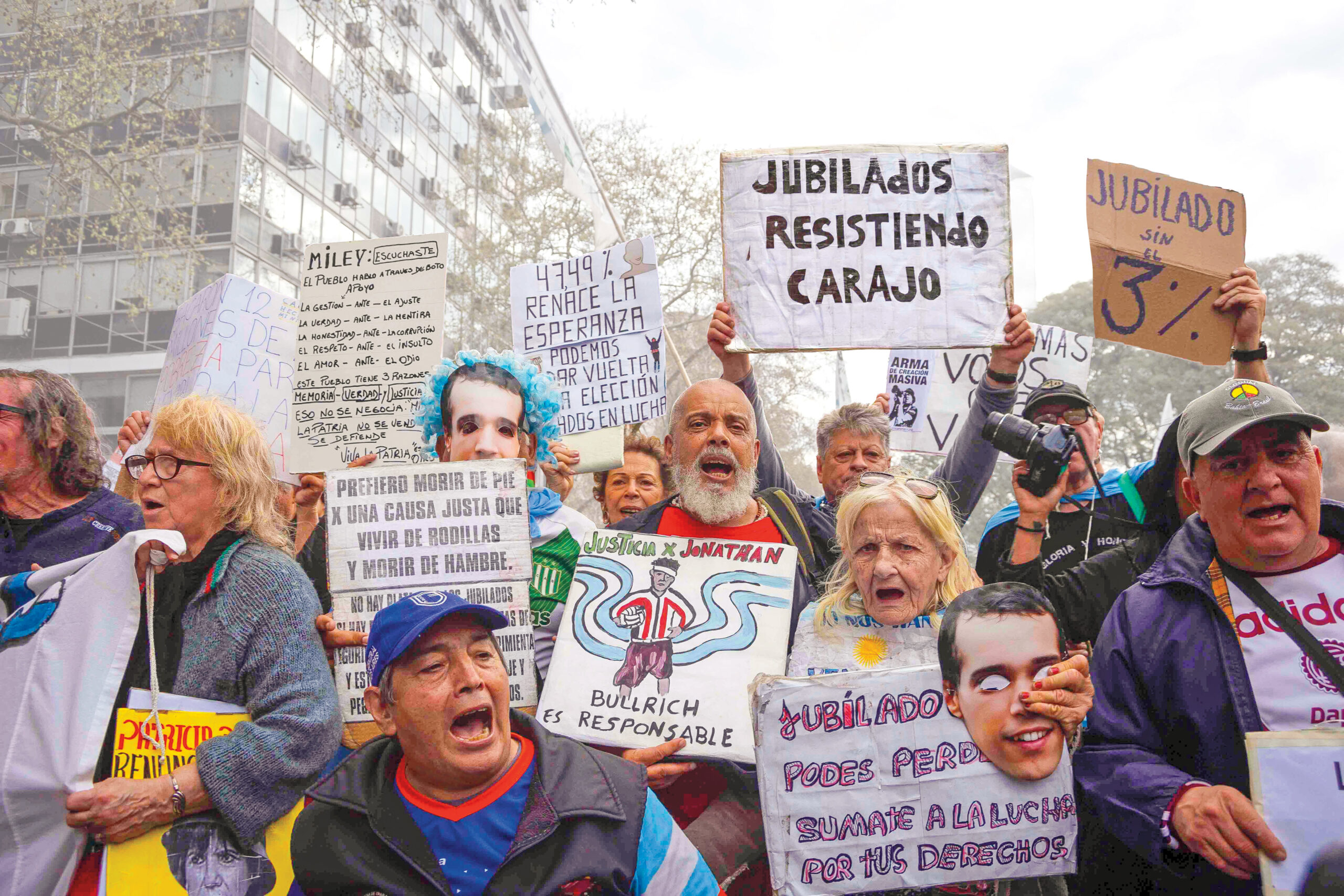
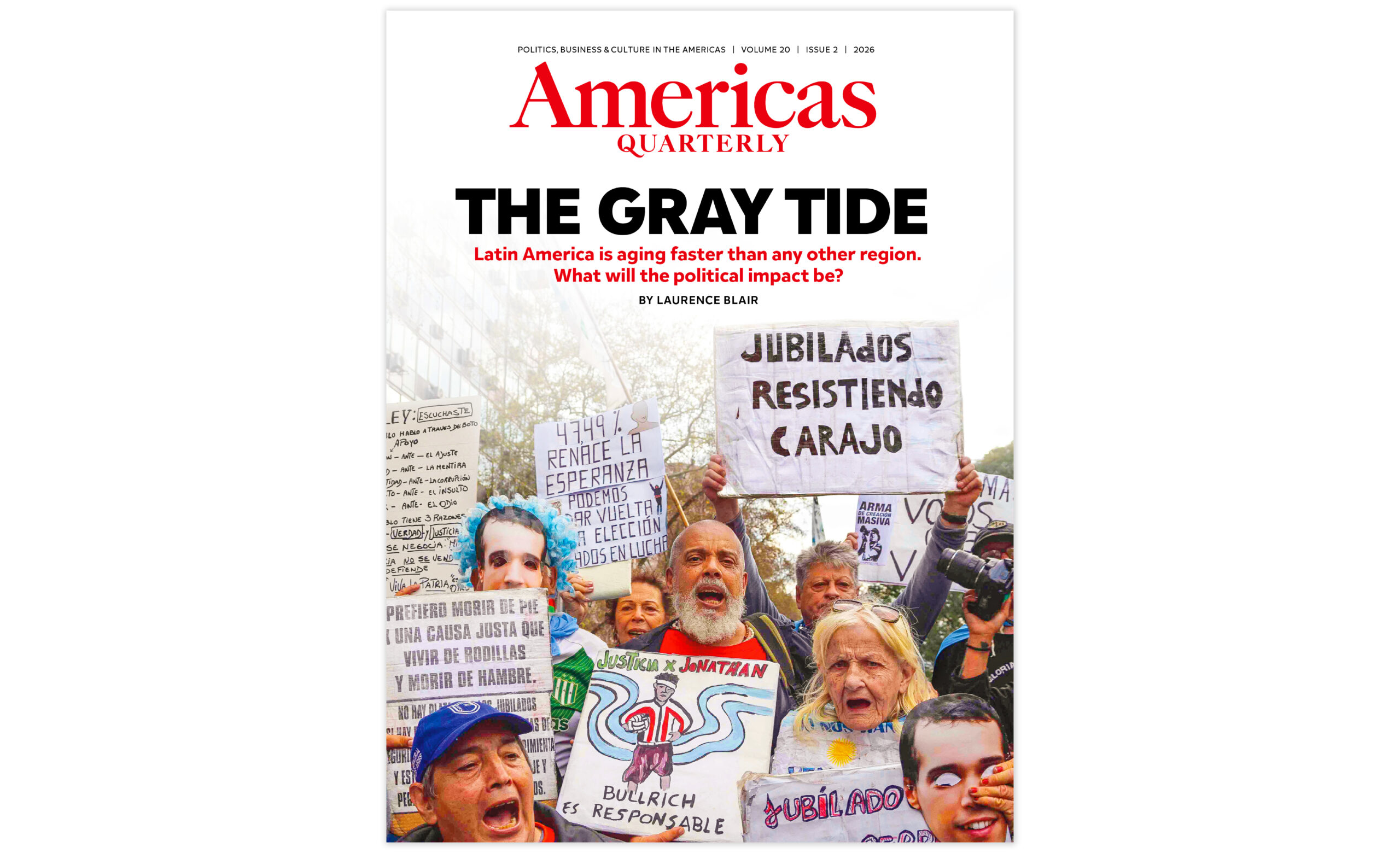
In this issue’s cover story, journalist Laurence Blair explains why the “Gray Tide” washing across Latin America may end up changing the region’s politics even more than the so-called “Pink Tide” of left-of-center leaders who governed many countries in the 2000s. Reporting from Uruguay and pulling in reporting from around the region, Blair shows how this demographic transformation is causing some schools to close for a lack of students, fewer active contributors to national pension systems, and an uncertain effect on politics as seniors become an even bigger and more committed voting bloc.