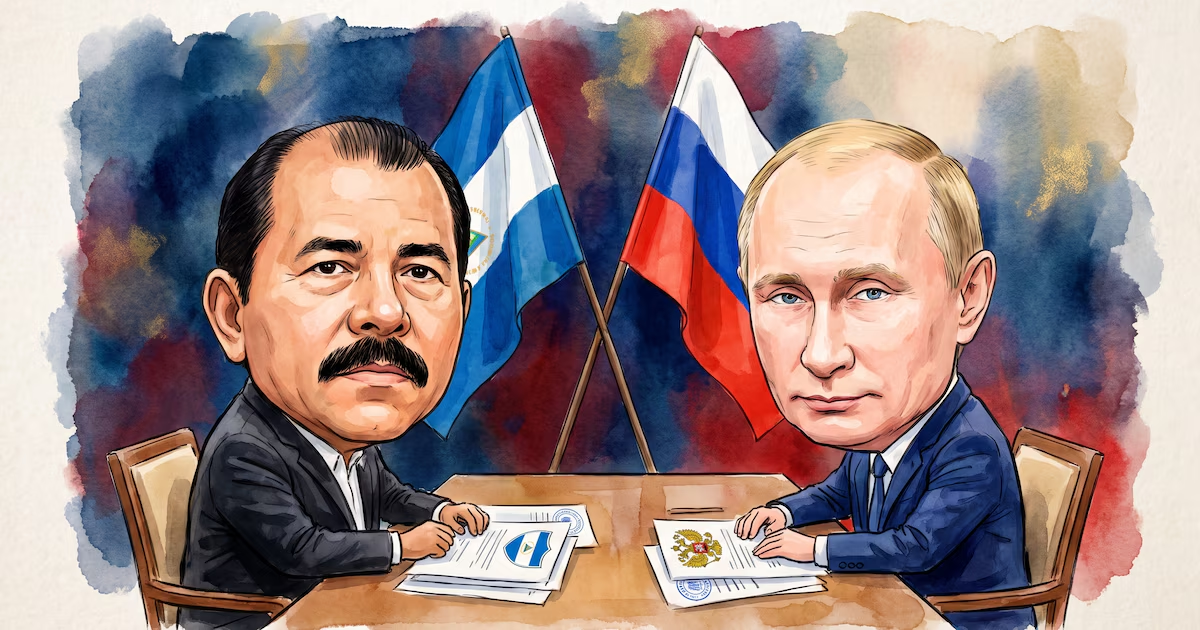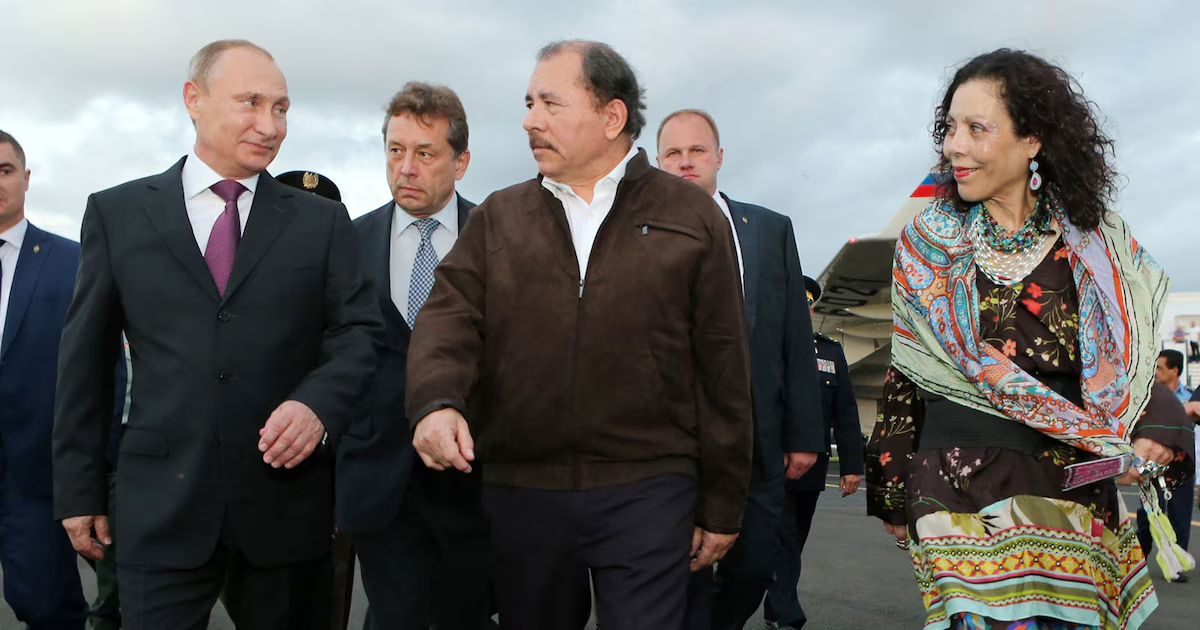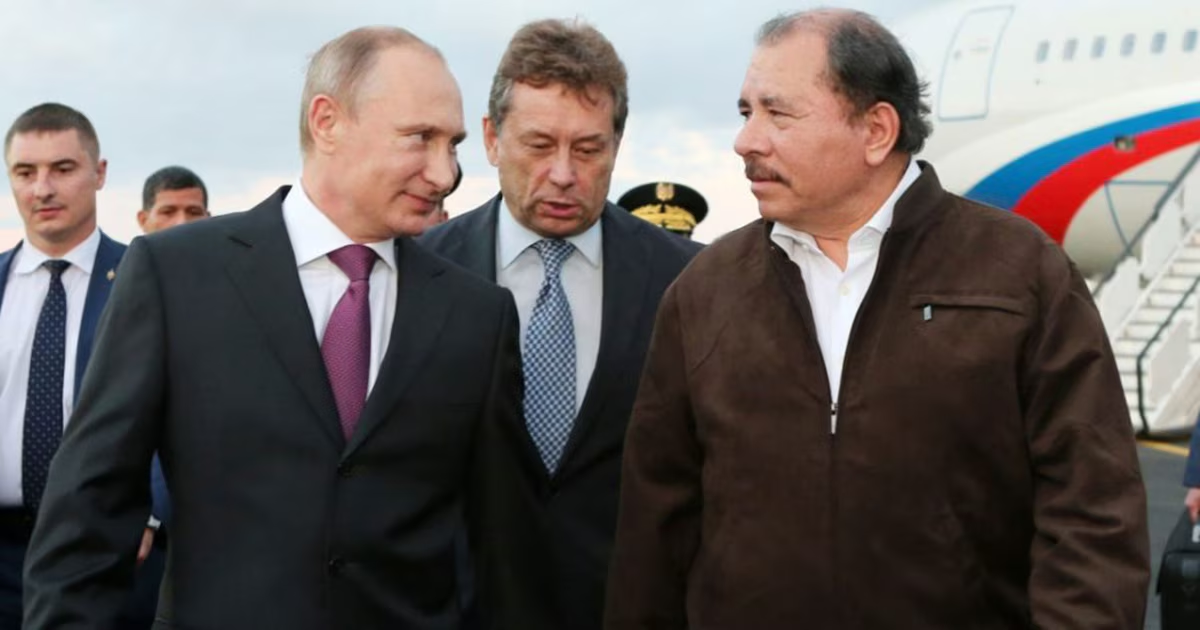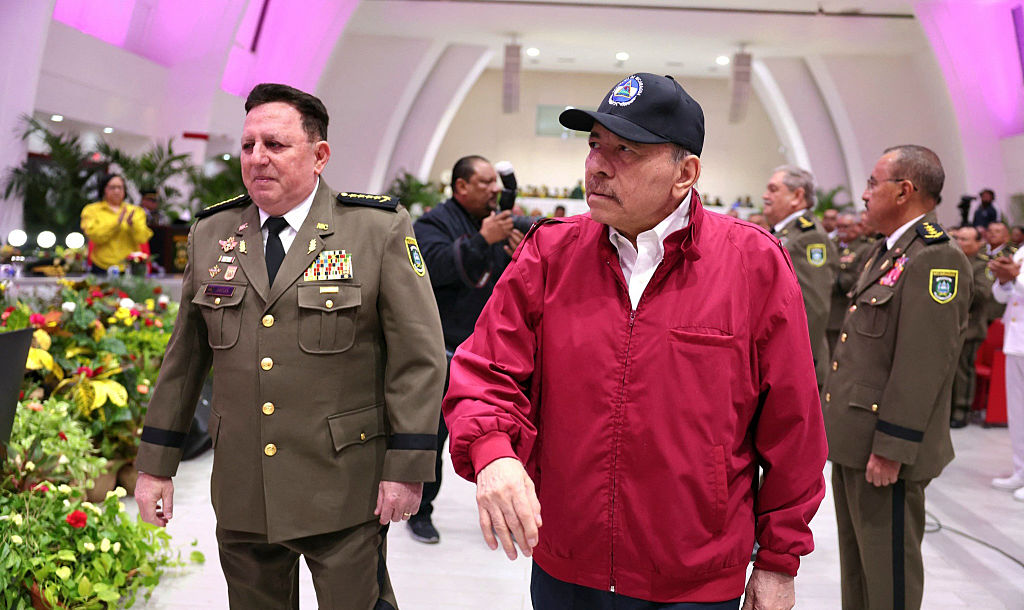
Days ago, Russia’s Federation Council ratified a military cooperation agreement with Nicaragua, formalizing a wide-ranging security framework initially signed in Moscow in September. The accord considerably expands military cooperation through joint training and intelligence exchanges between the two countries, extending Nicaragua a possible lifeline at a time when its ideological allies Cuba and Venezuela are under huge pressure from the United States.
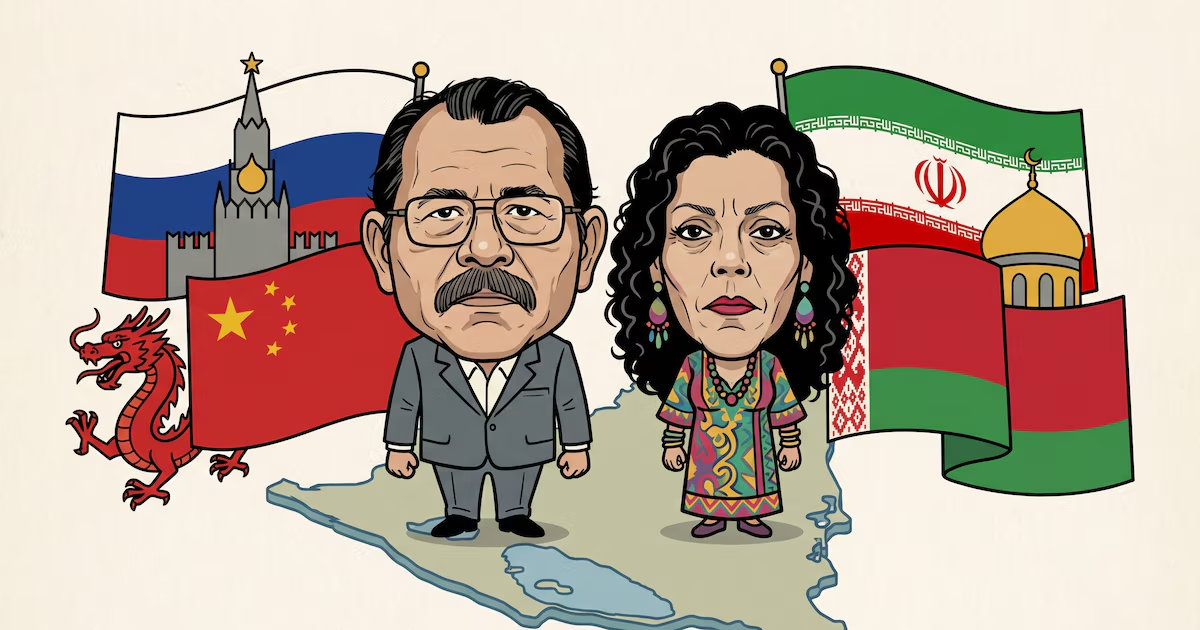
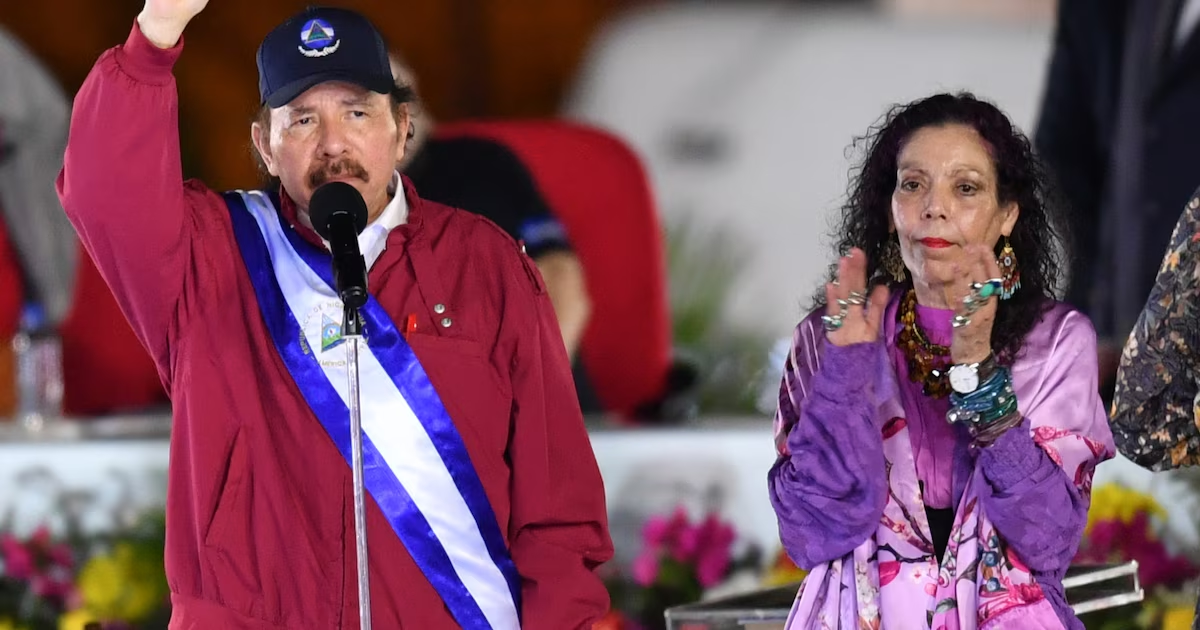
For Moscow and embattled President Vladimir Putin, it signals continued geopolitical reach in the Western Hemisphere. For Nicaragua’s co-Presidents Daniel Ortega and Rosario Murillo, it reinforces a broader authoritarian survival strategy built on external alliances.
Russian and Nicaraguan official channels describe the accord primarily as a framework for expanded military cooperation rather than permanent basing or strategic weapons deployment. This is not a replay of the Cuban missile crisis, nor is Nicaragua suddenly a Russian military base.
However, the new agreement deserves attention not because it signals some grave new threat, but because it signals continuity. It is a reminder that the international community has failed to prevent the Ortega-Murillo regime from dismantling Nicaragua’s democracy, and that this regime will continue to try to hollow out the country. It comes in a moment when Latin America is going through a post-Nicolás Maduro moment, and Cuba faces renewed Washington scrutiny.