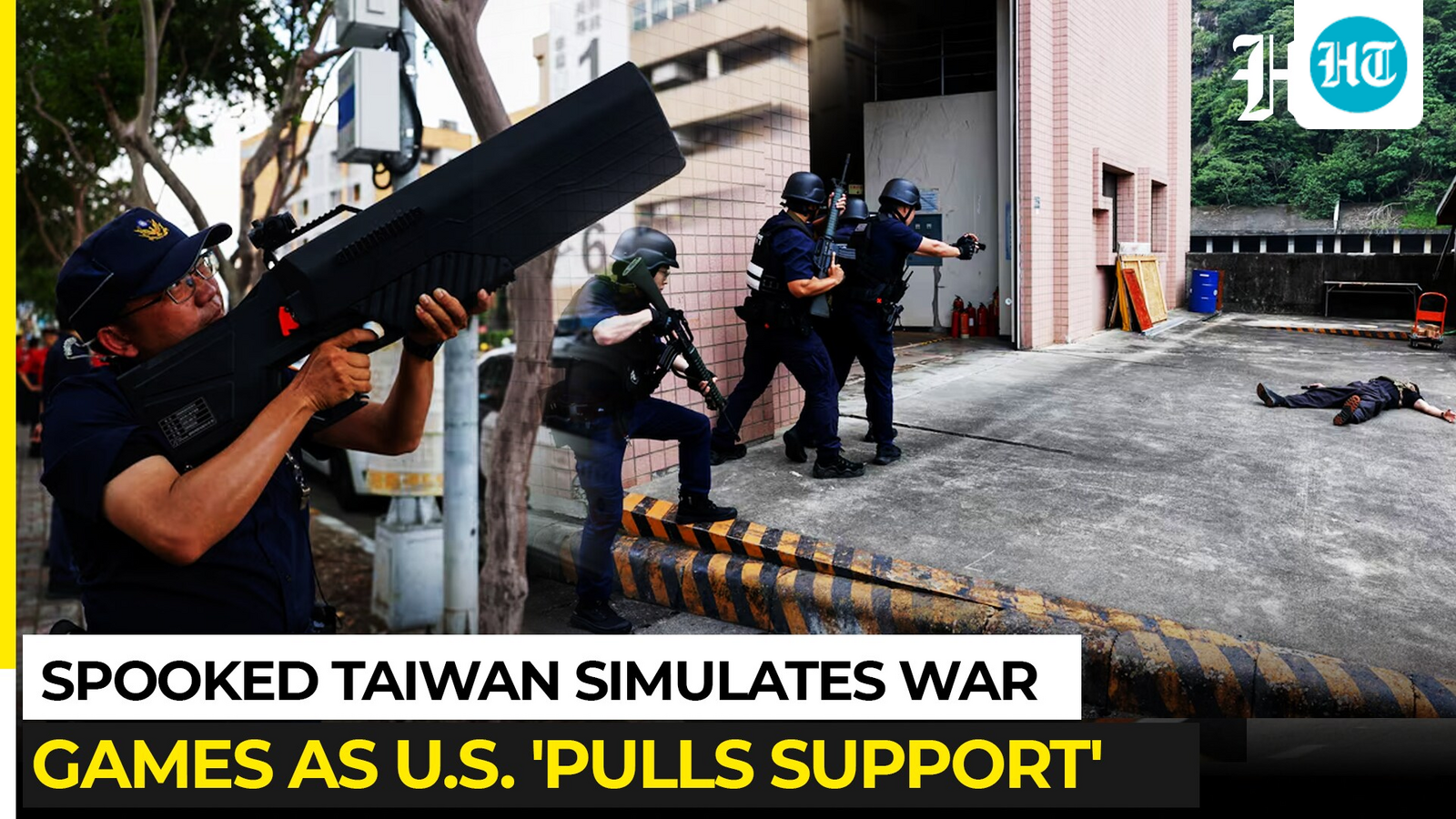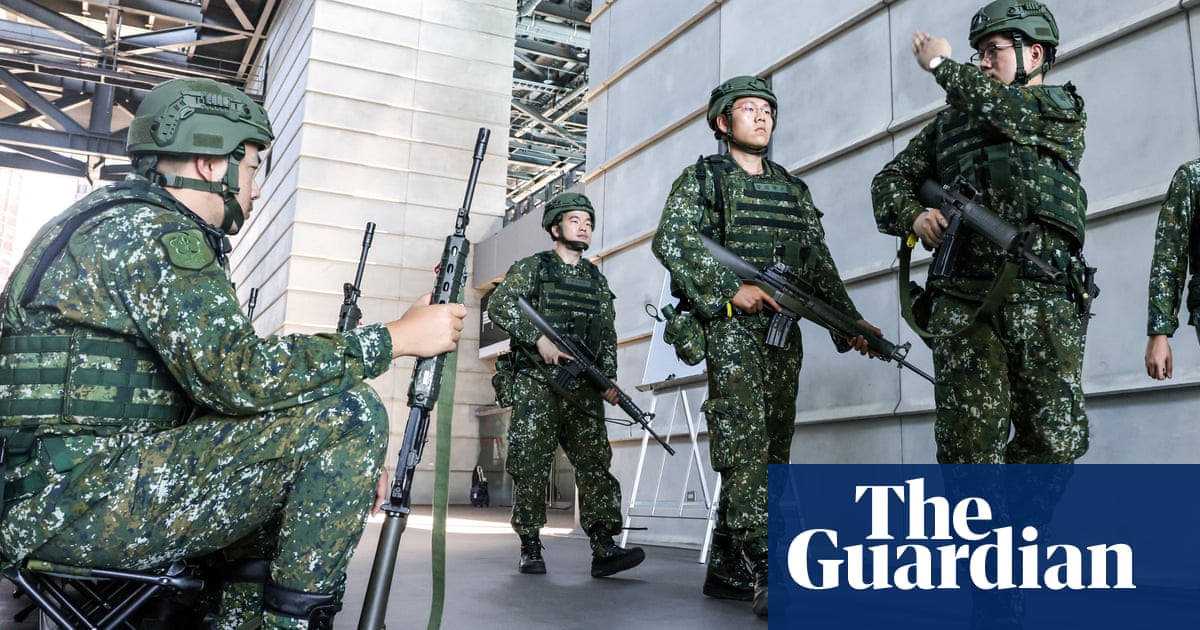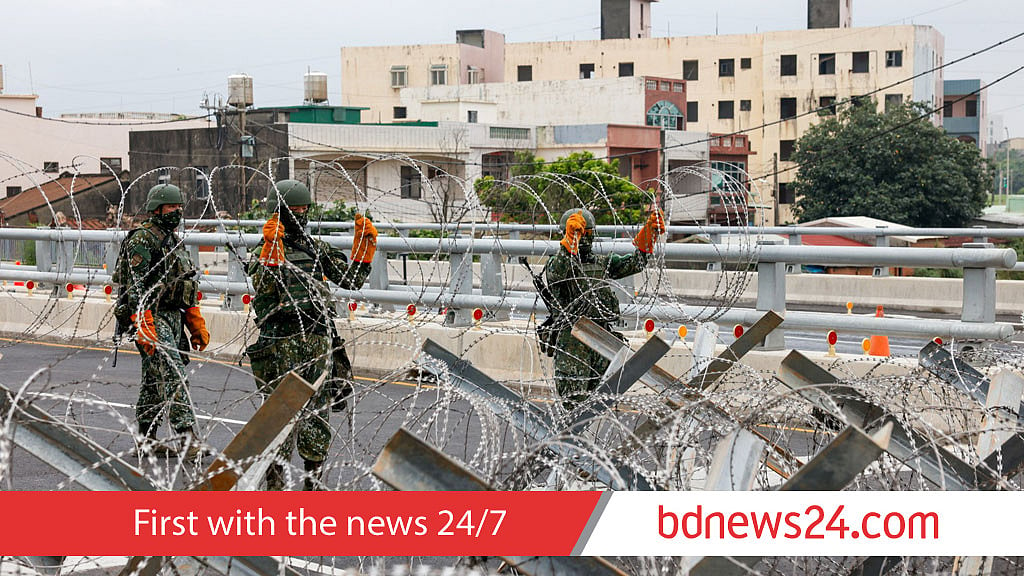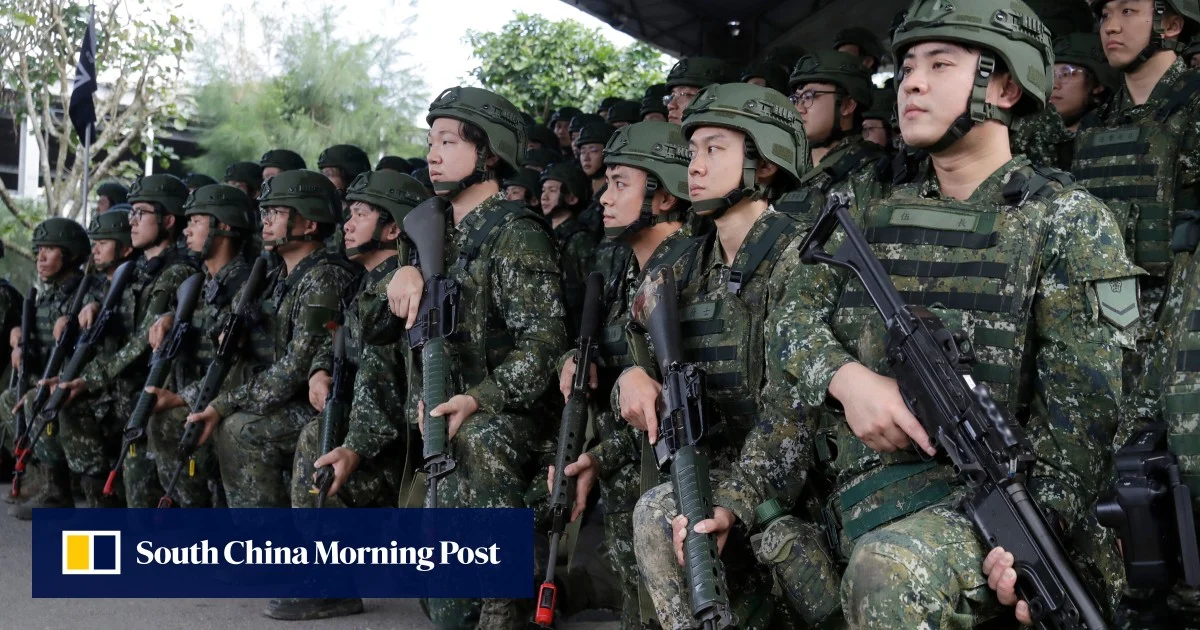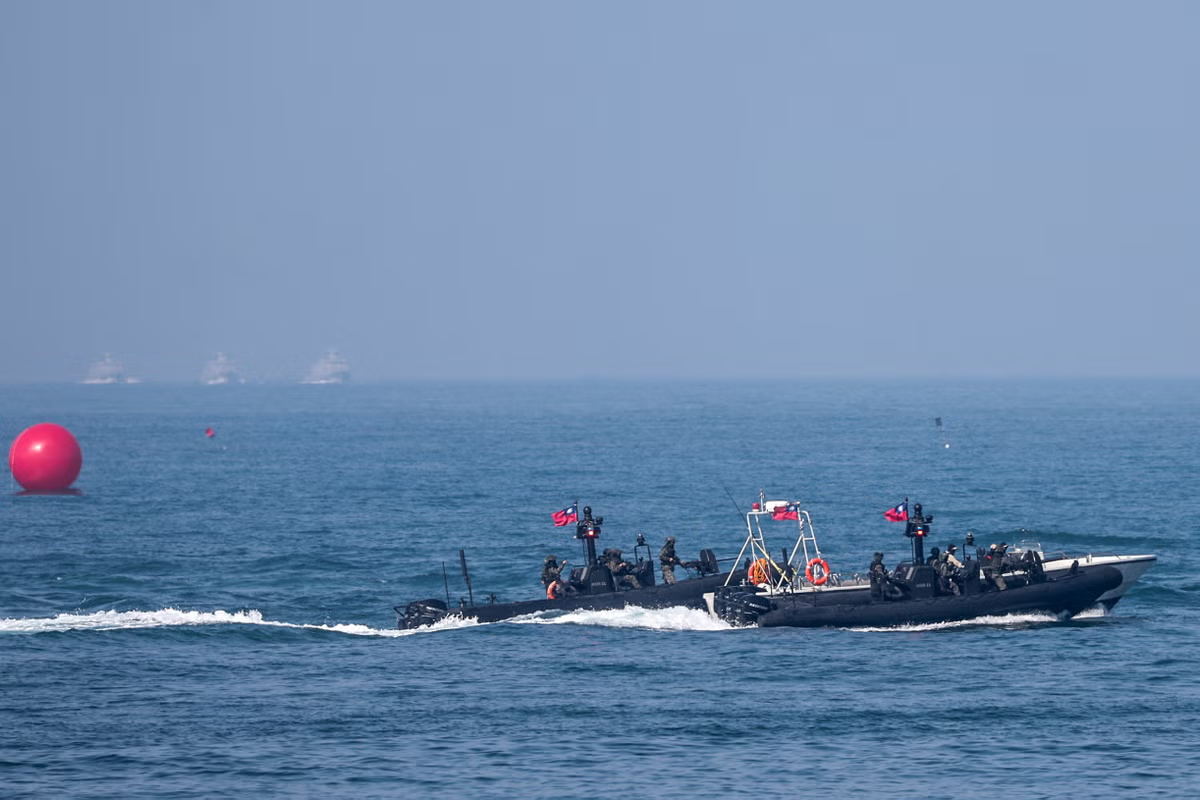
When China’s military launched its “Justice Mission 2025” exercises last December, simulating a blockade of Taiwan’s major ports and air routes, hundreds of civilian flights between Taiwan and its outlying islands were disrupted. For thousands of stranded passengers, the drills offered a brief, unsettling glimpse of what a real crisis might feel like.
They also exposed a question few in Washington want to confront: What happens to the hundreds of thousands of foreign civilians living in Taiwan—including roughly 11,000 Americans—when the next crisis isn’t a drill?
The honest answer is that no one knows—because no one has a plan.
The question matters because the most likely path to a Taiwan crisis is not a sudden invasion, but a slow-rolling, gray-zone escalation over the course of weeks or months. There would be time for Taipei, Washington, and others to act, but every action taken by the U.S. president, including the decision about whether to evacuate U.S. civilians, would itself become a signal in the escalation spiral.
Simply put: A crisis over Taiwan might not begin with the first shot. It could begin with the first flight out.