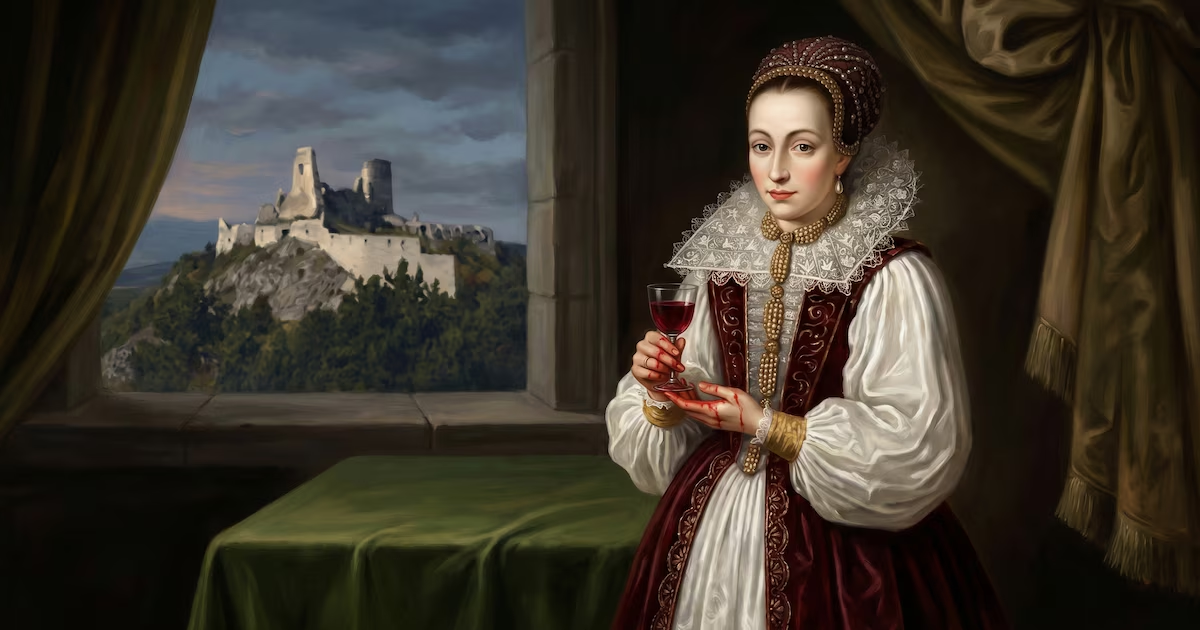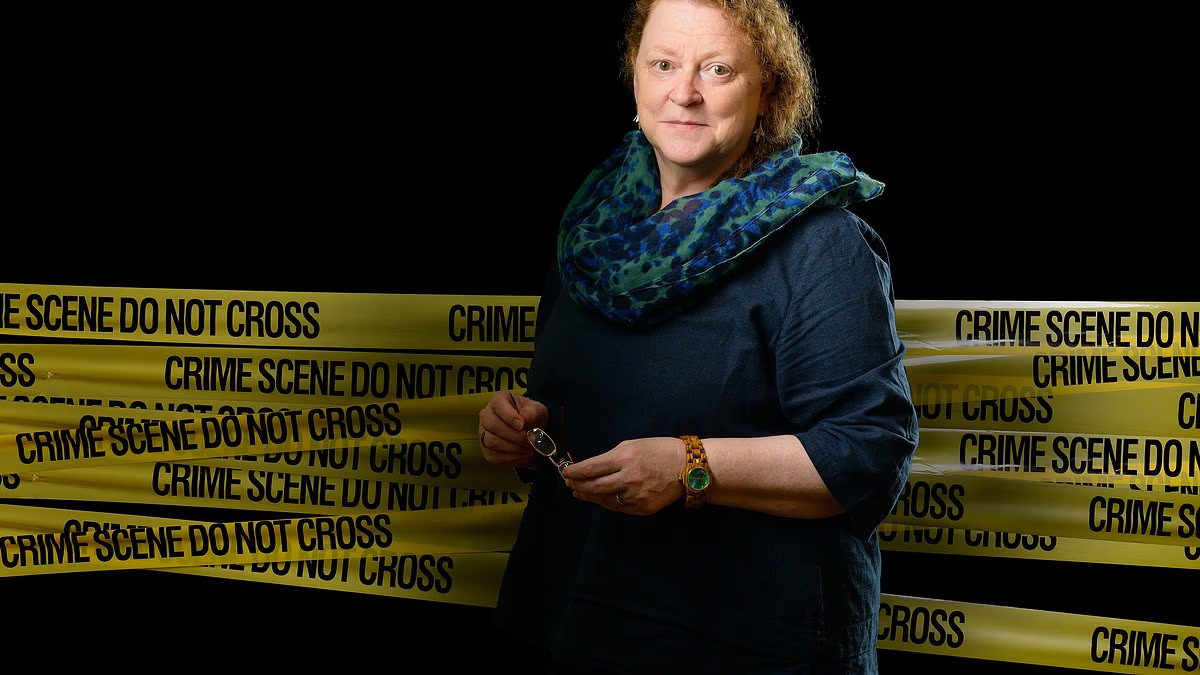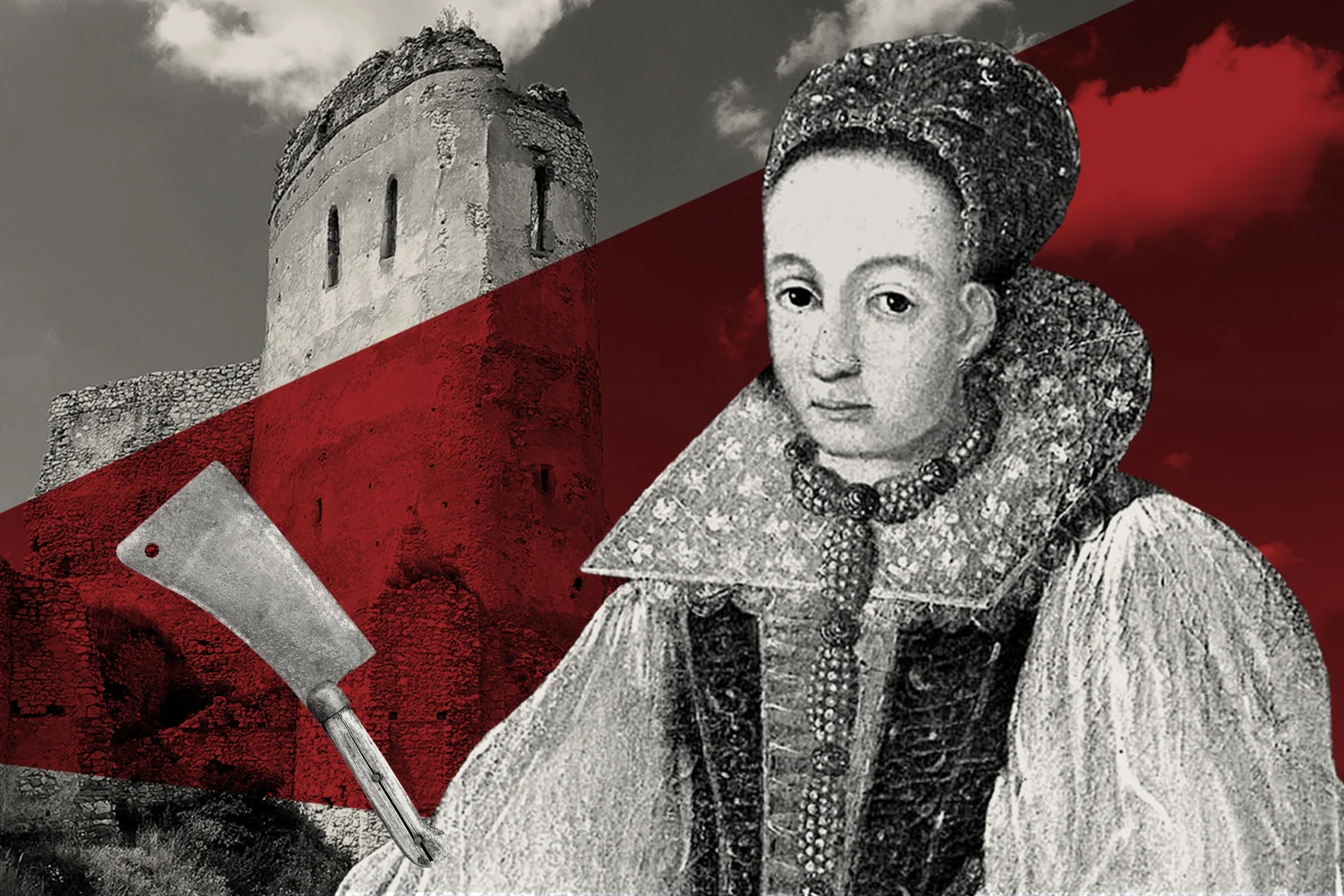
Americans and Brits of a certain age—those who spent much, if not all, of their childhoods in a pre-digital world—once held a certain reverence for the Guinness Book of World Records. At once a compendium of gross-out factoids (the photo accompanying “longest fingernails” is seared in my brain) and historical details, it was the authoritative source of things to make you go “whoaaaa” in the school library. But if you’ve reflected on it for even a moment as an adult, it’s impossible not to question its factual authority. Were that guy’s nails really the longest of all time? And, now that we’re looking closely, did Elizabeth Bathory, a Hungarian countess born in 1560, actually kill more than 600 virgins, making her the world’s most prolific female serial killer? For that question at least, author Shelley Puhak has an answer: almost certainly not.
Different versions of the Bathory legend have floated through Western culture, but the tale generally goes something like this: She killed hundreds of peasant girls from across the lands her family controlled so that she could drain their blood and bathe in it in order to maintain her youthful beauty. She has become nearly as synonymous with the vampire trope as Count Dracula, with dozens of films based on the story, including a brand-new one, Die Blutgräfin (The Blood Countess), in which Isabelle Huppert’s Bathory swans around Vienna in a crimson cloak and massive jewels, sucking the blood of young women.