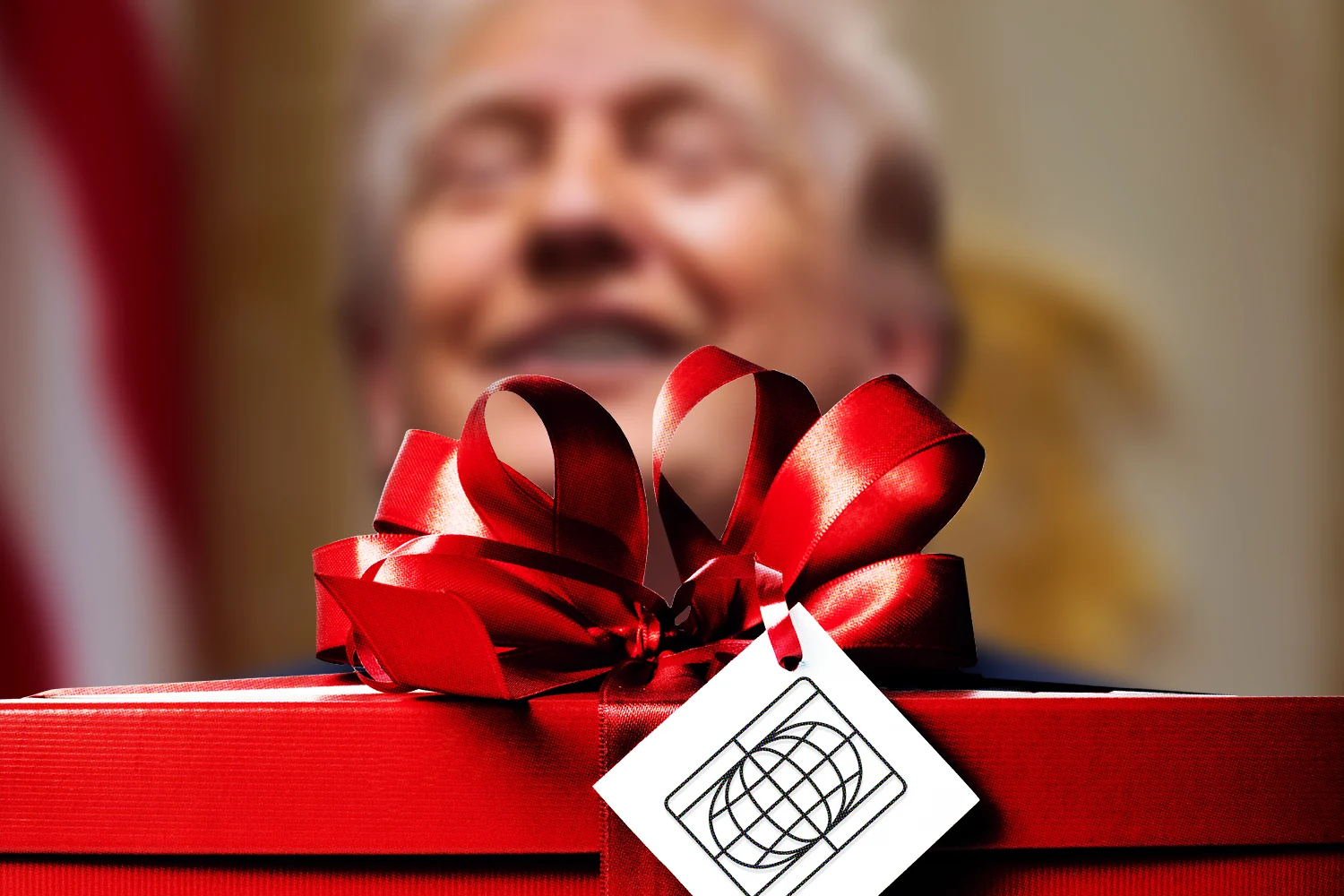
Protocol officials in the world’s foreign ministries all have horror stories about diplomatic gifts. Like choosing a present for a particularly hard-to-please relative, they can be difficult to get right, offering opportunities for missteps and misunderstandings. For foreign leaders and their teams preparing for meetings with U.S. President Donald Trump, discussions about what to say are likely to be accompanied by fraught discussions about what to give.
Yet such gifts have been a feature of diplomatic exchange since ancient times, as I describe in my book, Diplomatic Gifts: A History in Fifty Presents. The Amarna letters, written on clay tablets in the 14th century B.C. and discovered in the ruins of the ancient Egyptian city of Akhetaten, are full of accounts of magnificent gifts offered by one great king to another. Gift exchanges accompany the meetings of today’s leaders, even if the gifts themselves are a little more modest than the consignments of gold and slaves recorded in the Amarna letters.
Essai sur le Don, a 1925 work by French sociologist Marcel Mauss, suggests why gifts are such an enduring feature of diplomacy. According to Mauss, they have a social function. The simple purchase of an item creates no enduring link between buyer and seller, but a gift establishes a continuing relationship. Diplomacy relies on such relationships, and gifts help to facilitate them. To create a bond of this sort, three obligations must be met: the obligation to give presents, the obligation to receive them, and the obligation to repay gifts received.