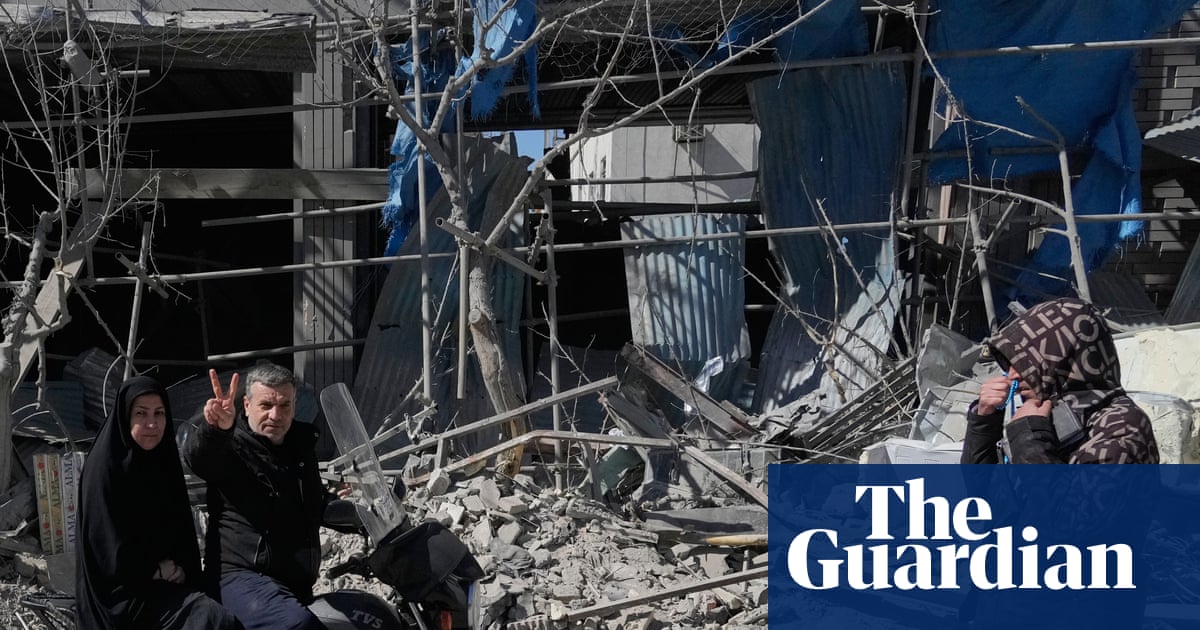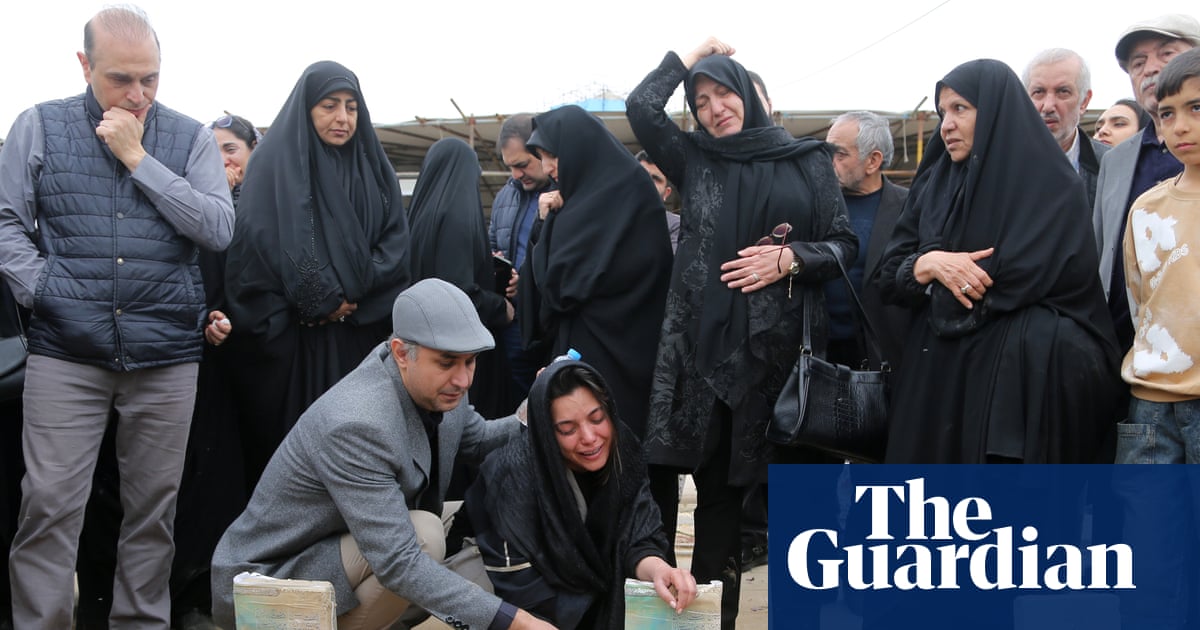
While the conflict in Iran has dominated headlines in the last two months, accounts of ordinary life in the Islamic Republic are scarce. On the latest episode of FP Live, I spoke to the reporter Ali Hashem, who spent six weeks in Tehran during the ongoing war and has previously lived in Iran. Hashem currently works for the Qatari broadcaster Al Jazeera but has been visiting Iran for nearly two decades as a correspondent for the BBC and regional media.
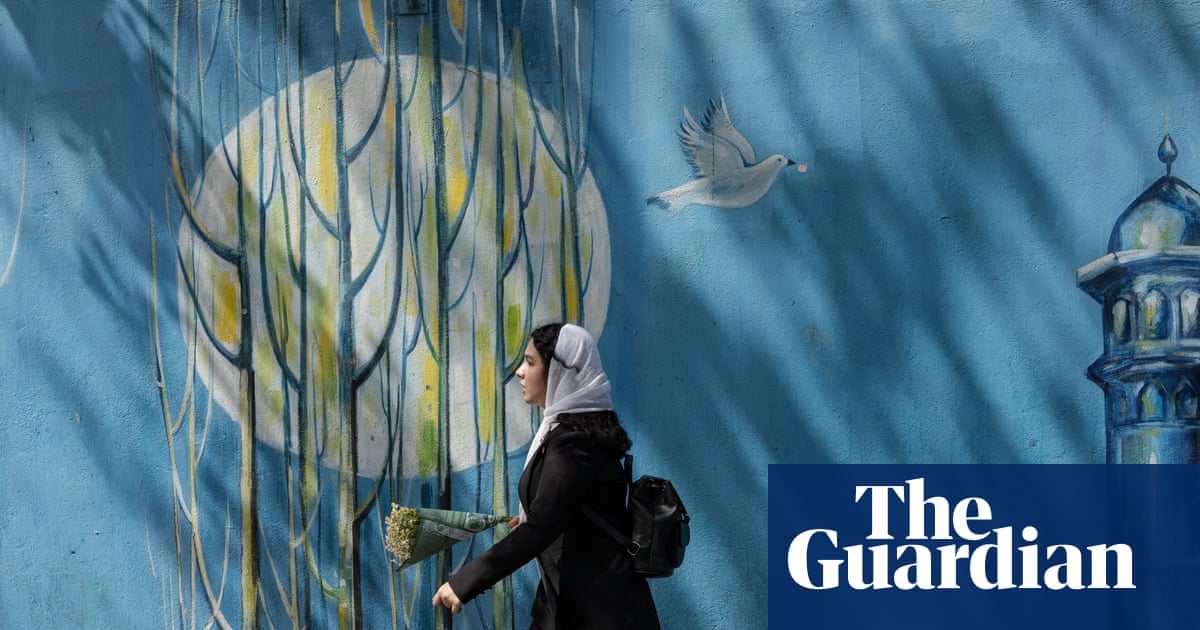
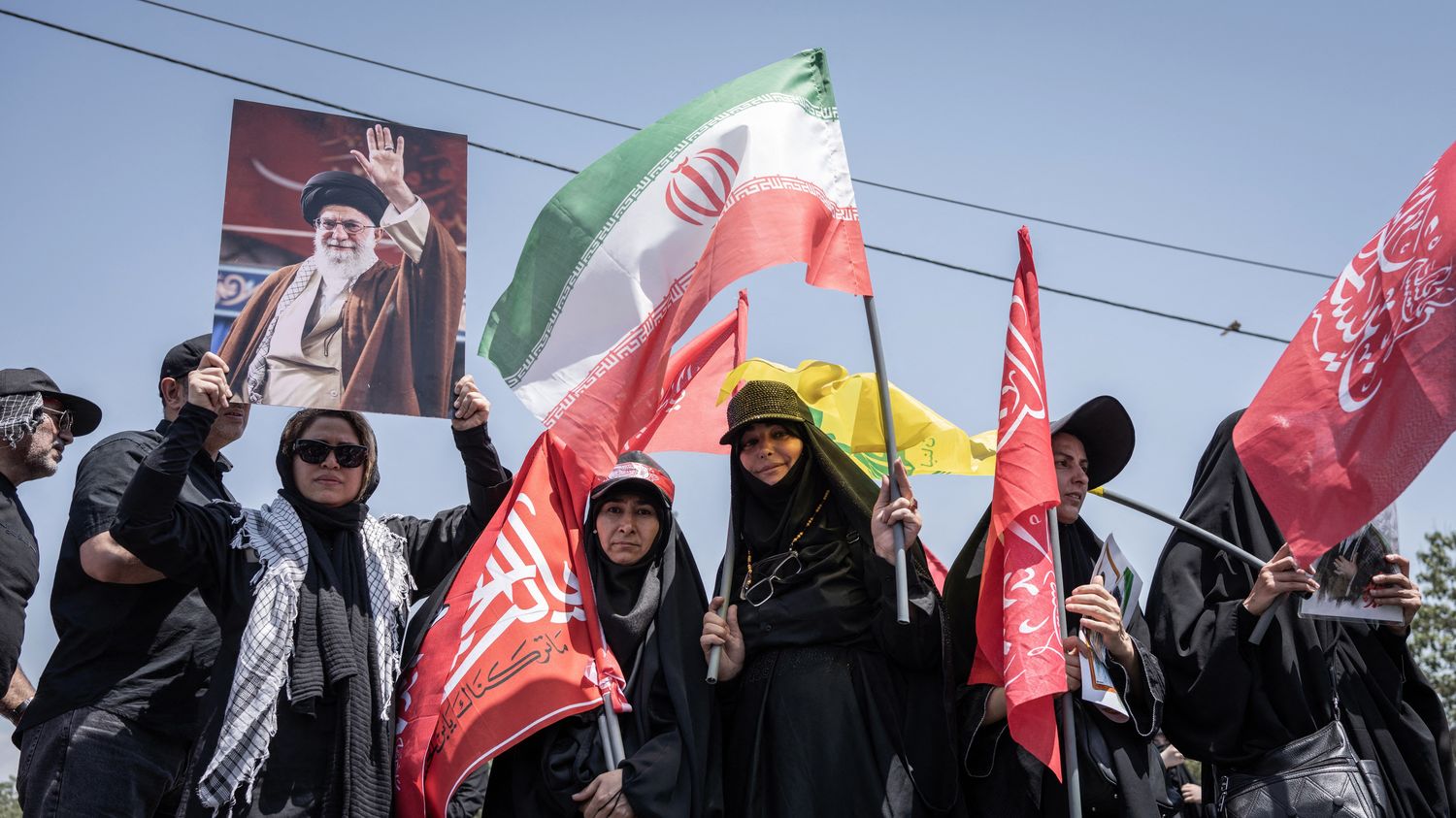
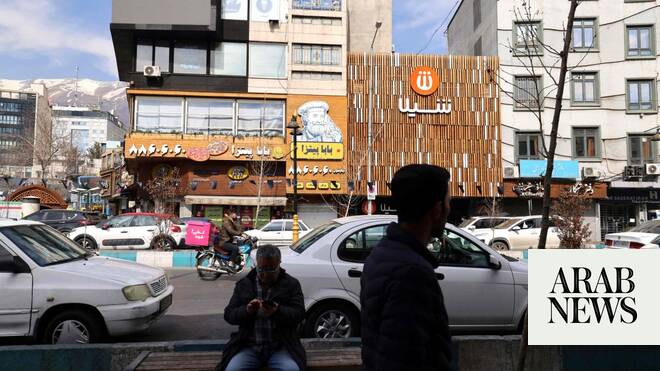
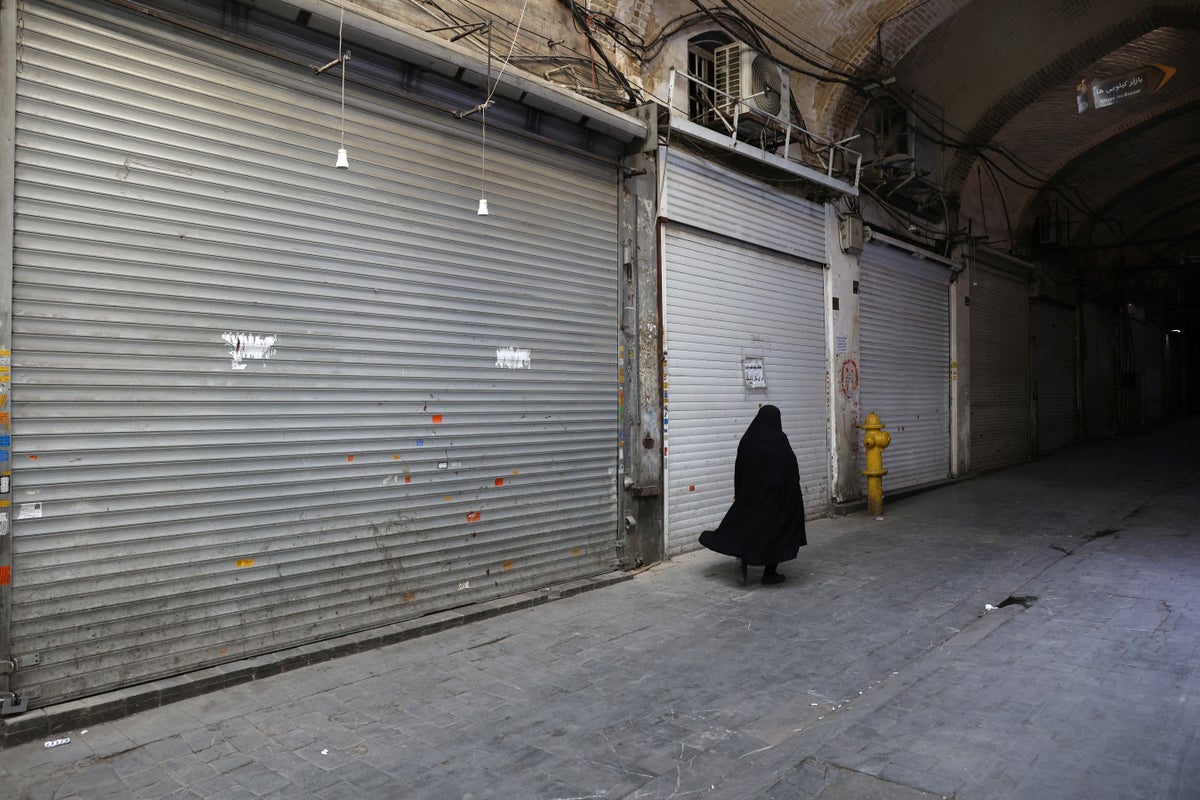
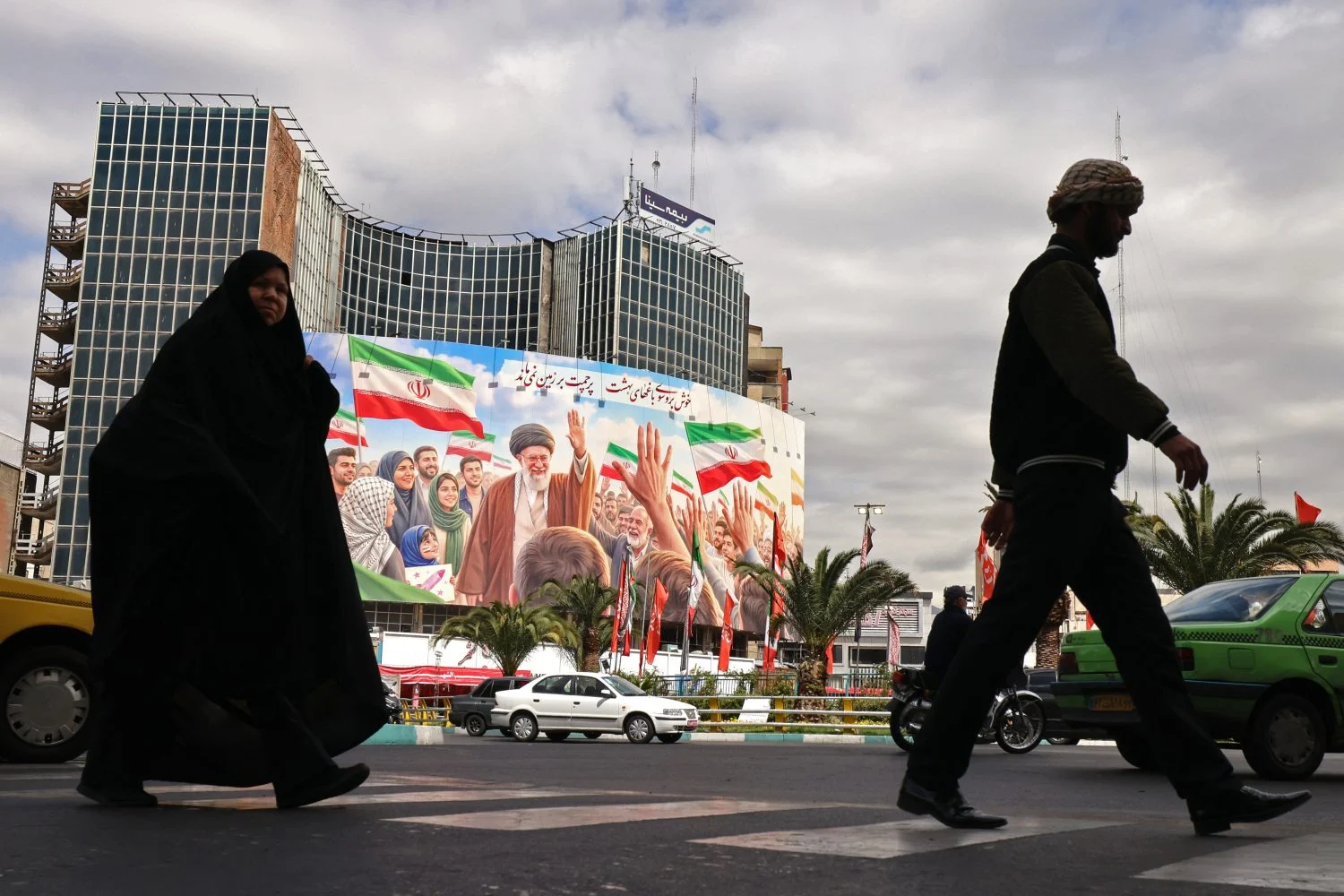
According to Hashem, life in the capital, Tehran, looks more normal than one might imagine. Shops and malls are largely open, and regular people seem to be rallying around the flag in the face of an external threat. And while the internet as we know it is shut down, a local intranet of sorts—with access to local versions of Netflix, Uber, and WhatsApp—is allowing people a semblance of regular life.
Subscribers can watch the full interview on the video box atop this page or download the FP Live podcast. What follows here is a lightly edited and condensed transcript.
Ravi Agrawal: Ali, you spent six weeks in Tehran while the war was going on. You’re out now. Talk a little bit about what that was like. What were you seeing around you?
Ali Hashem: Life in Tehran seemed to be normalizing to the situation of war. That gives you an indication that the system and the people were taking into consideration that this could be a long war—something that could be compared, for example, to the 1980-1988 Iran-Iraq War, where the Iraqi army struck positions and targets in Tehran on a daily basis. And so people have to get back to their lives. What I saw during the 50 days of my stay in Iran was an attempt by the people, the state, and the whole society to normalize the situation.