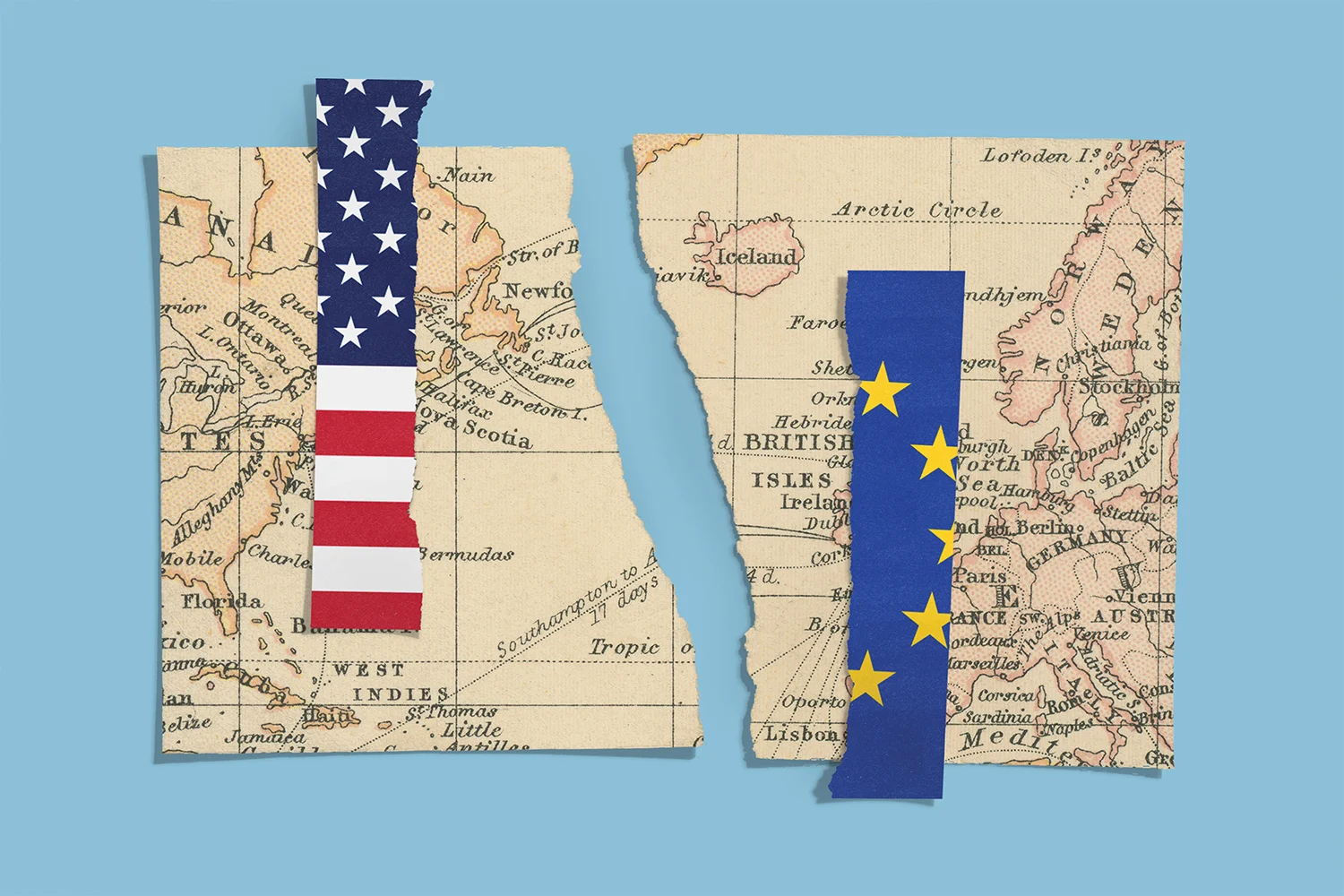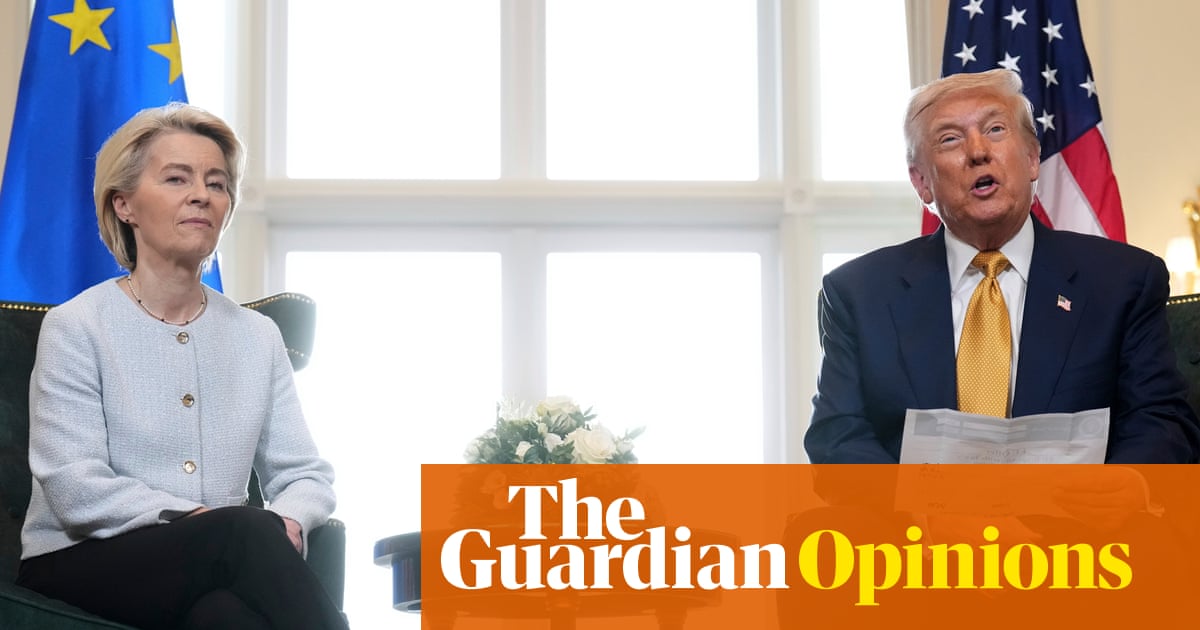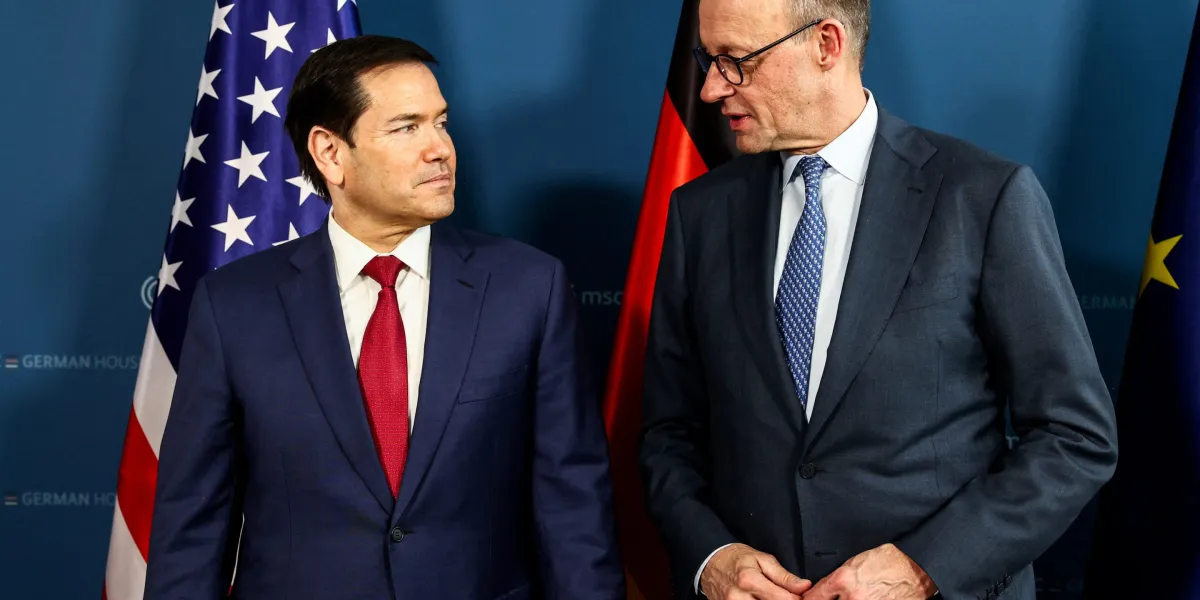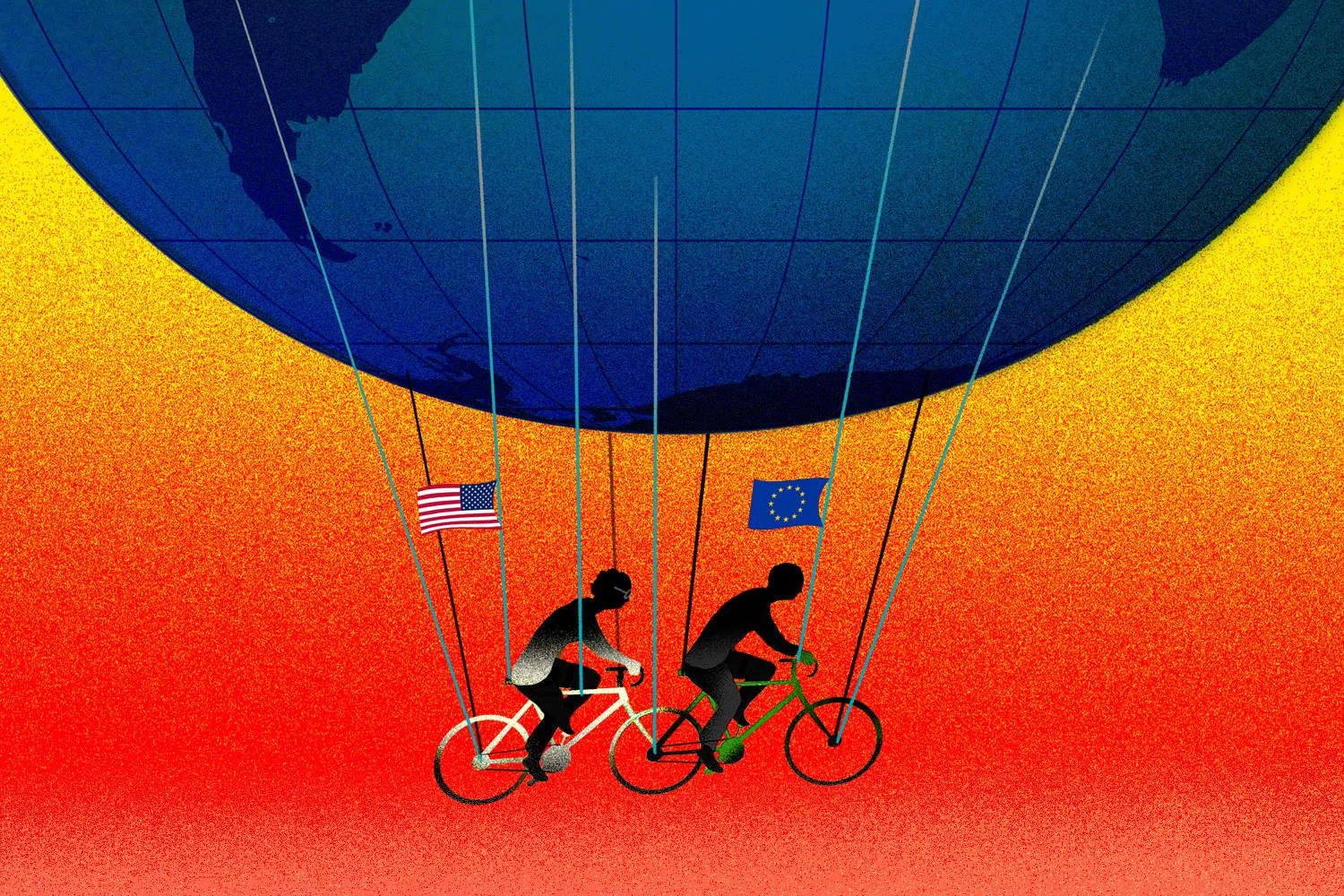
Metaphors for the troubled trans-Atlantic relationship abound. It’s a marriage, a divorce, or perhaps a parent and child navigating a soon-to-be empty nest. All are trying to get at the same thing: The trans-Atlantic dynamic is morphing into something new. Yet even as it has become increasingly clear that we are not returning to the post-Cold War status quo, too much of the debate around Europe continues to focus on how to limit the transition and fretting about worst-case scenarios. It’s true that the second Trump administration has shown a willingness to play geopolitical hardball on tariffs, Greenland, and more. But policymakers on both sides of the Atlantic seem reluctant to explore what a healthy and reconfigured relationship would look like. Why not ask the question: In a post-Trump world, what will Washington want—or need—from Europe?
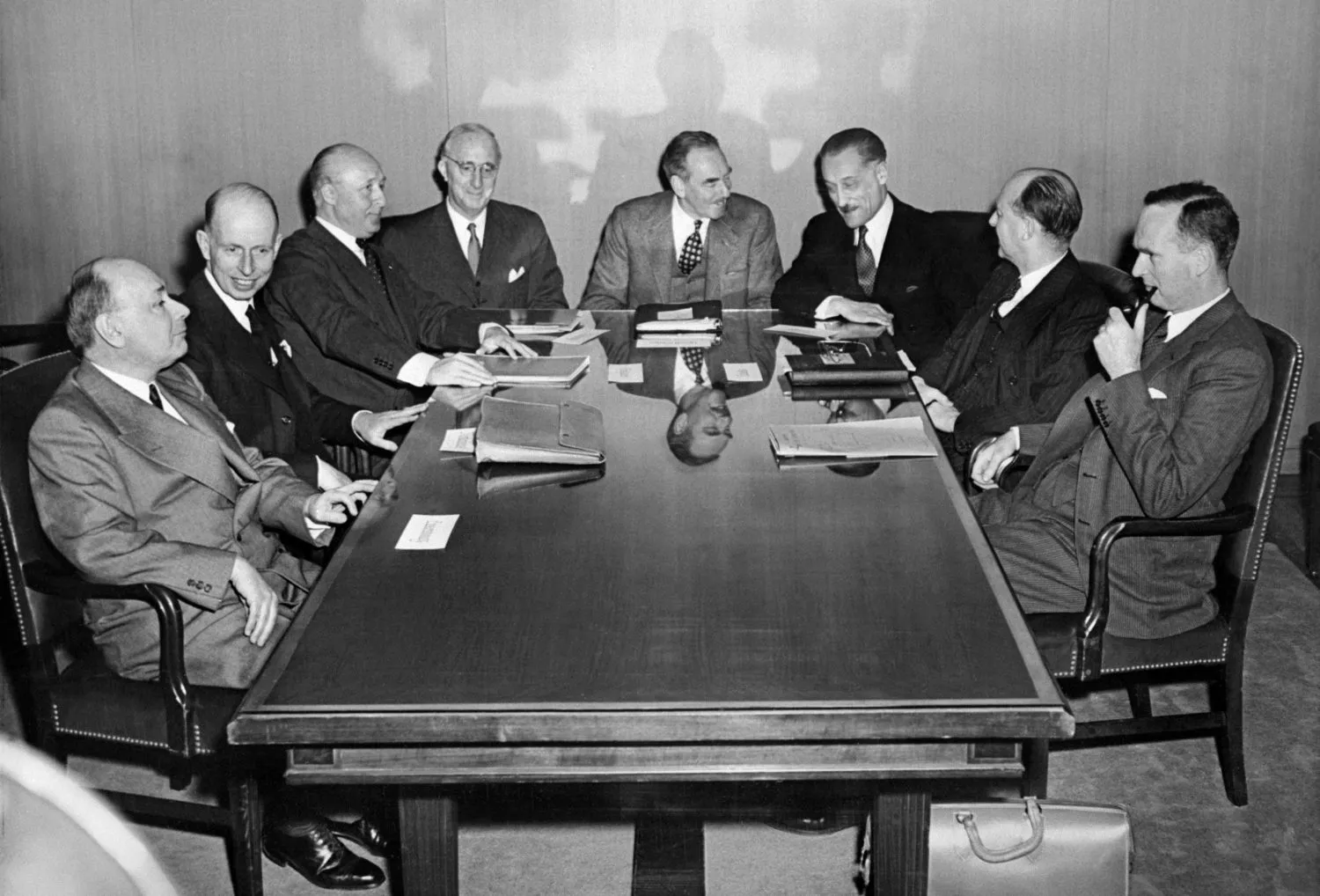
In the aftermath of the Cold War, there were doubts about whether NATO would persist at all. Could a genuine European defense pillar emerge within the newly christened European Union? Policymakers in Washington, however, decided to sustain both NATO and the U.S. presence on the continent, to the extent of insisting that European states should not develop their own defense alternatives. As Madeleine Albright, U.S. secretary of state under President Bill Clinton, memorably put it, states in Europe would not be permitted to “decouple” their militaries from NATO, “discriminate” against non-European defense partners, or “duplicate” U.S. military capabilities.