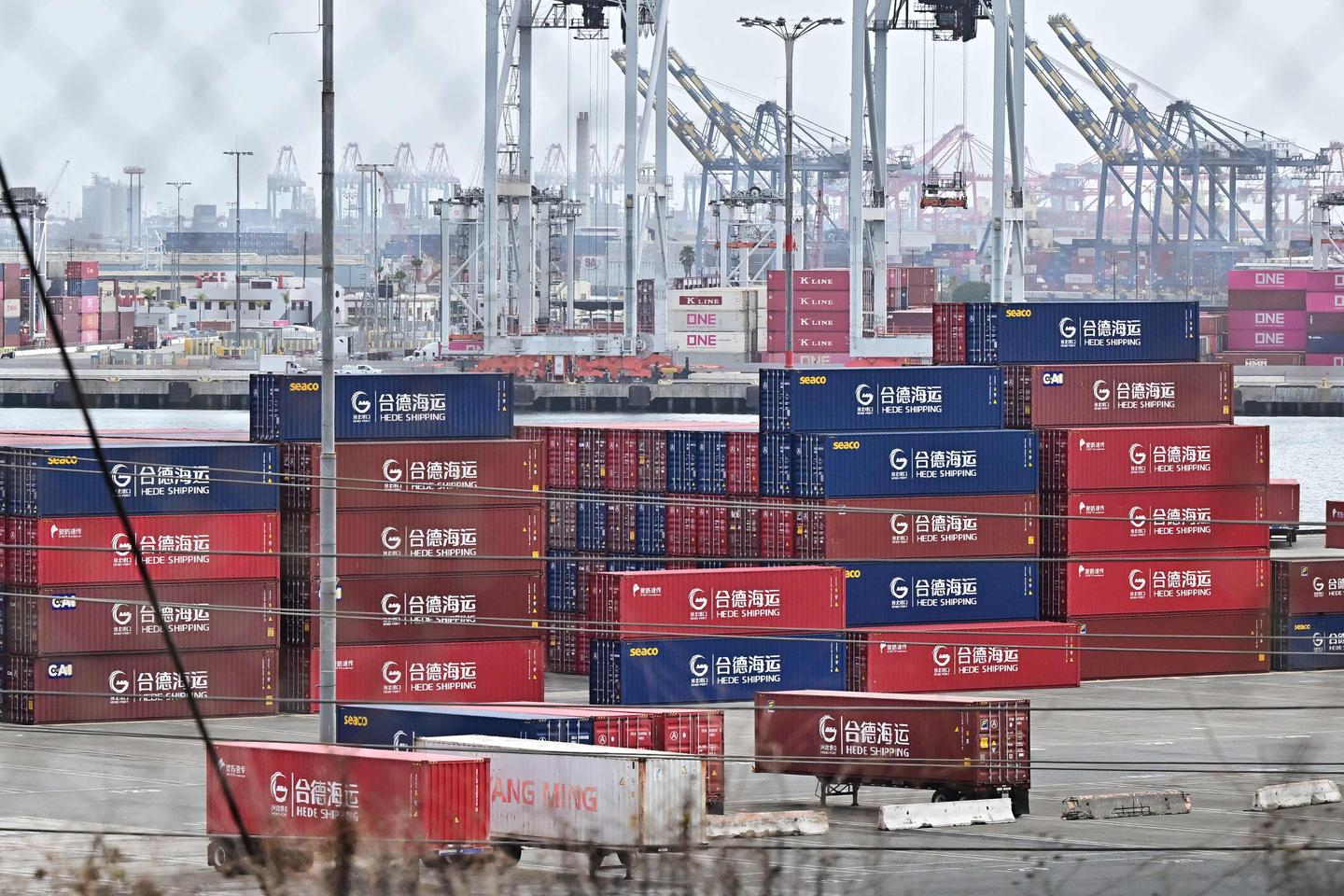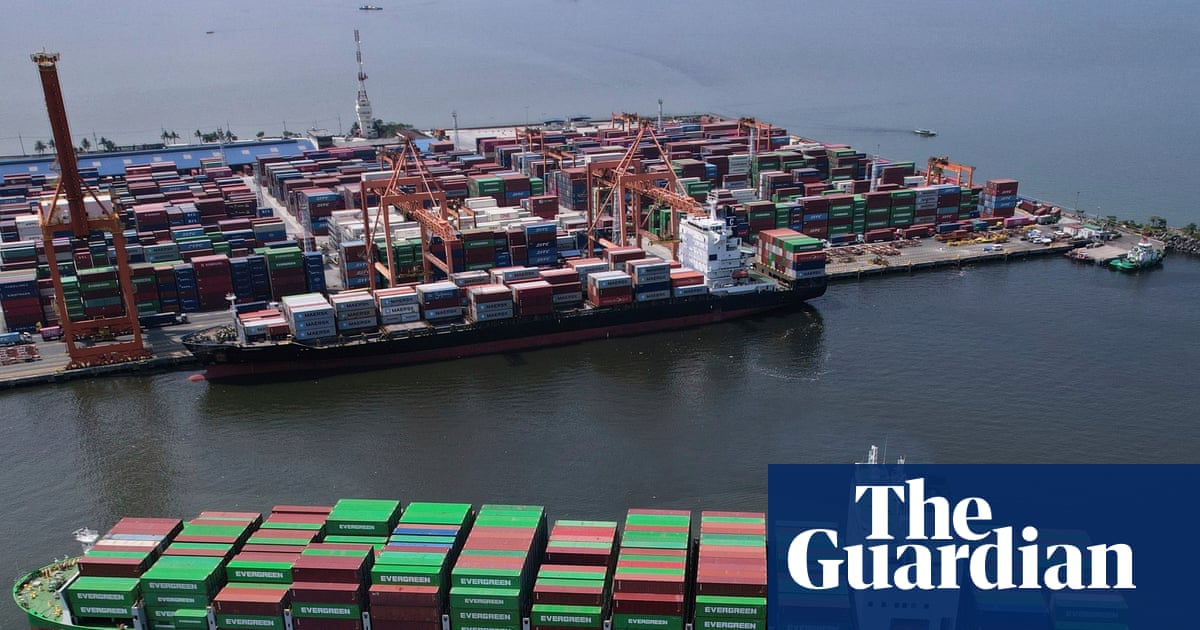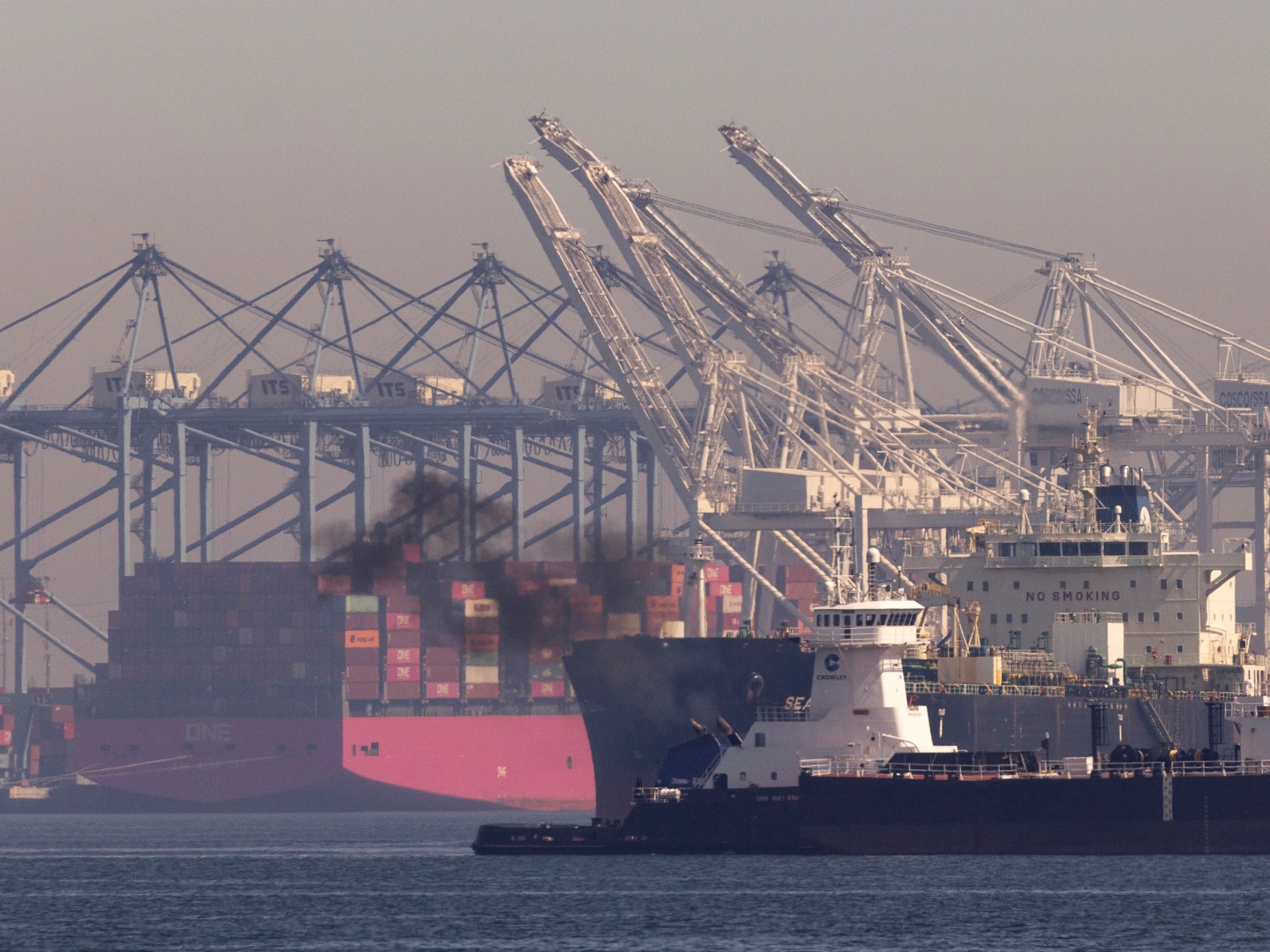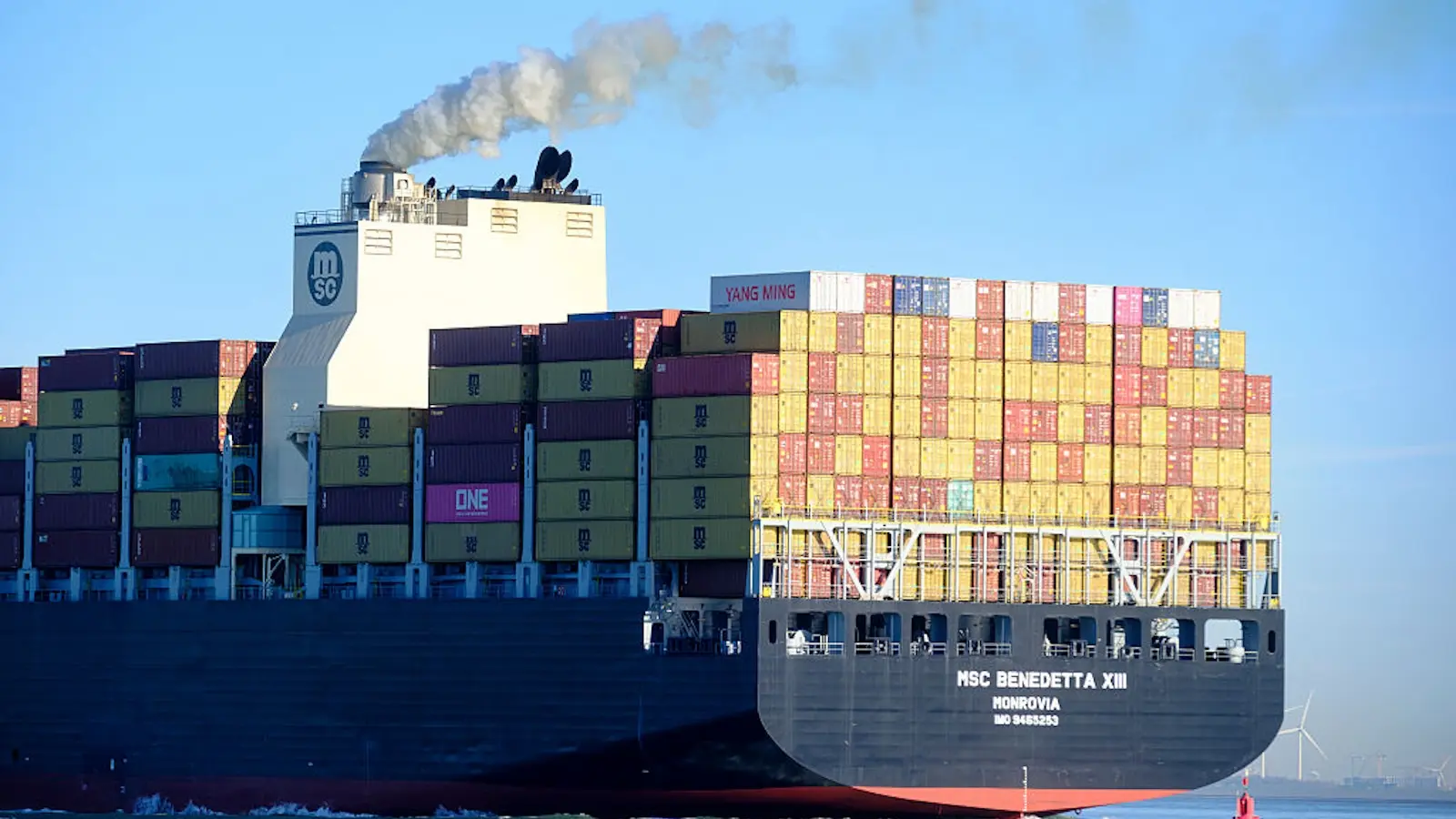
Ninety percent of global trade is conducted by giant ships that crisscross the globe, delivering containers of jet fuel, electronics, clothing, and many other goods every day of the week. Seafaring trade on this scale has brought the cost of many products down dramatically, but those ships have historically run on a very dirty fuel — essentially the sludge left over from refining crude oil — causing the shipping sector to contribute about 3 percent of total carbon emissions worldwide.
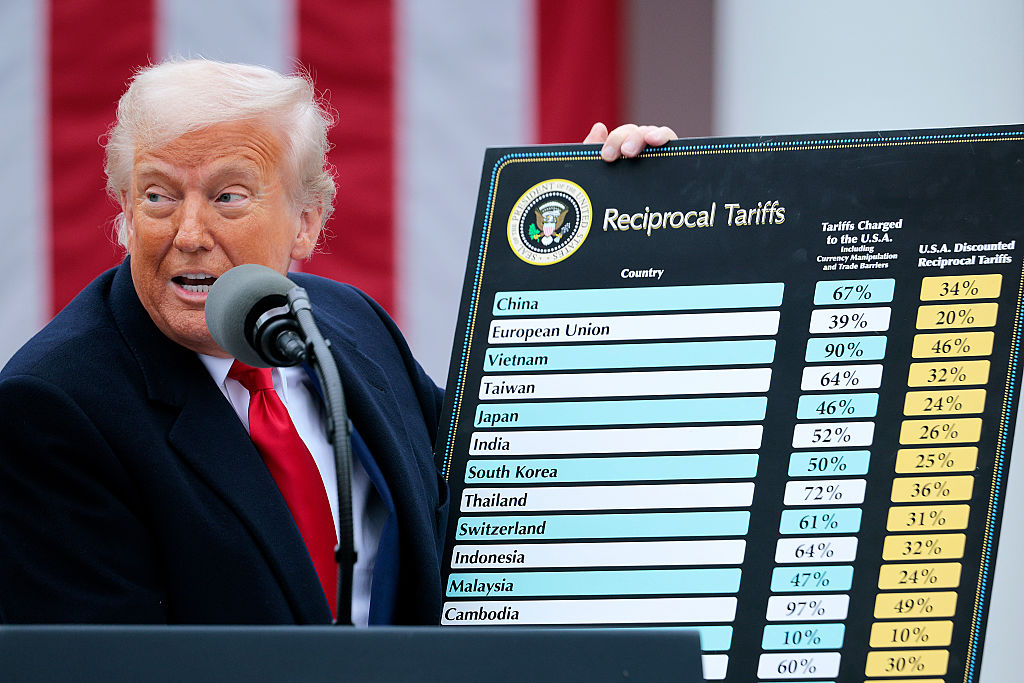
Last year, the International Maritime Organization, or IMO, the United Nations agency overseeing global shipping, was poised to adopt a plan to bring that down to zero. But that was before the Trump administration stepped in, threatening countries with visa restrictions, tariffs, and port fees if they supported the effort. As a result, the ambitious plan to decarbonize global shipping has been on the rocks for months. Alternate proposals that dispense with the core function of the original Net-Zero Framework, or NZF — a per-ton fee on greenhouse gas emissions above a certain threshold — seemed to be gaining traction, threatening climate progress in the sector.
But at a meeting of U.N. member countries last week, none of those watered-down proposals received much attention. Instead, a slim majority of countries expressed vocal support for the NZF, indicating that a narrow path to adopting the framework as originally intended still exists.