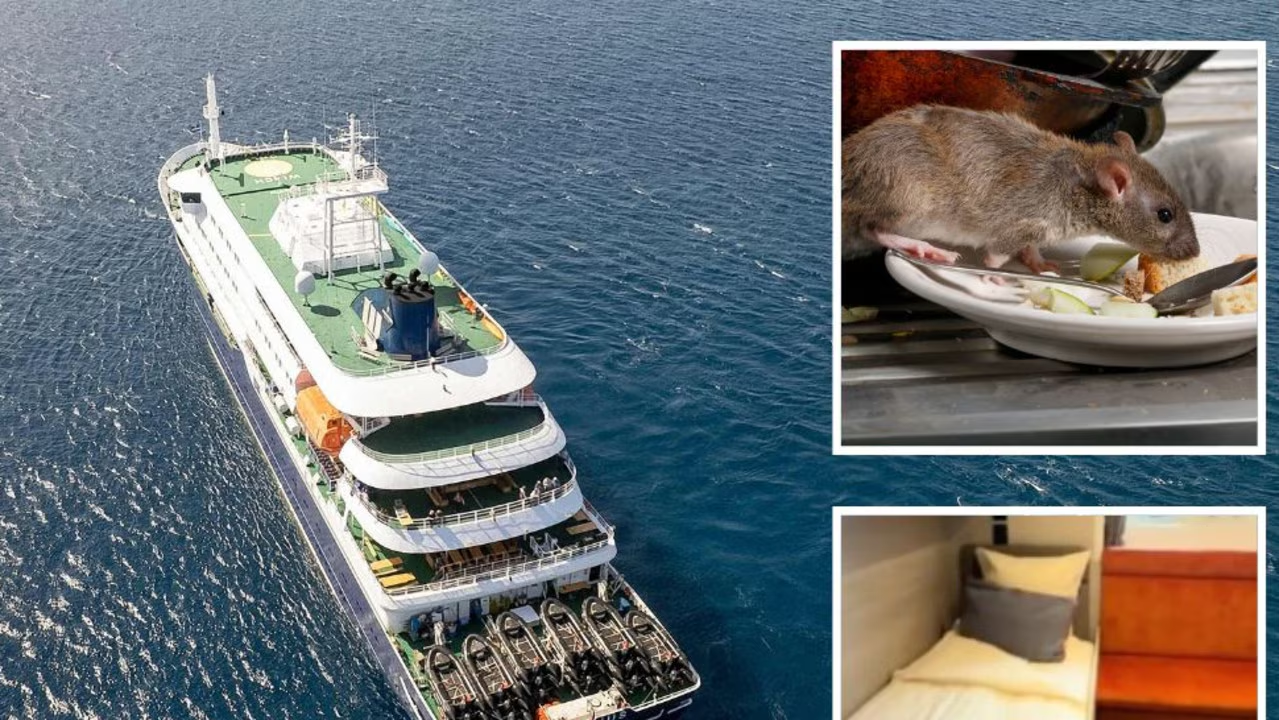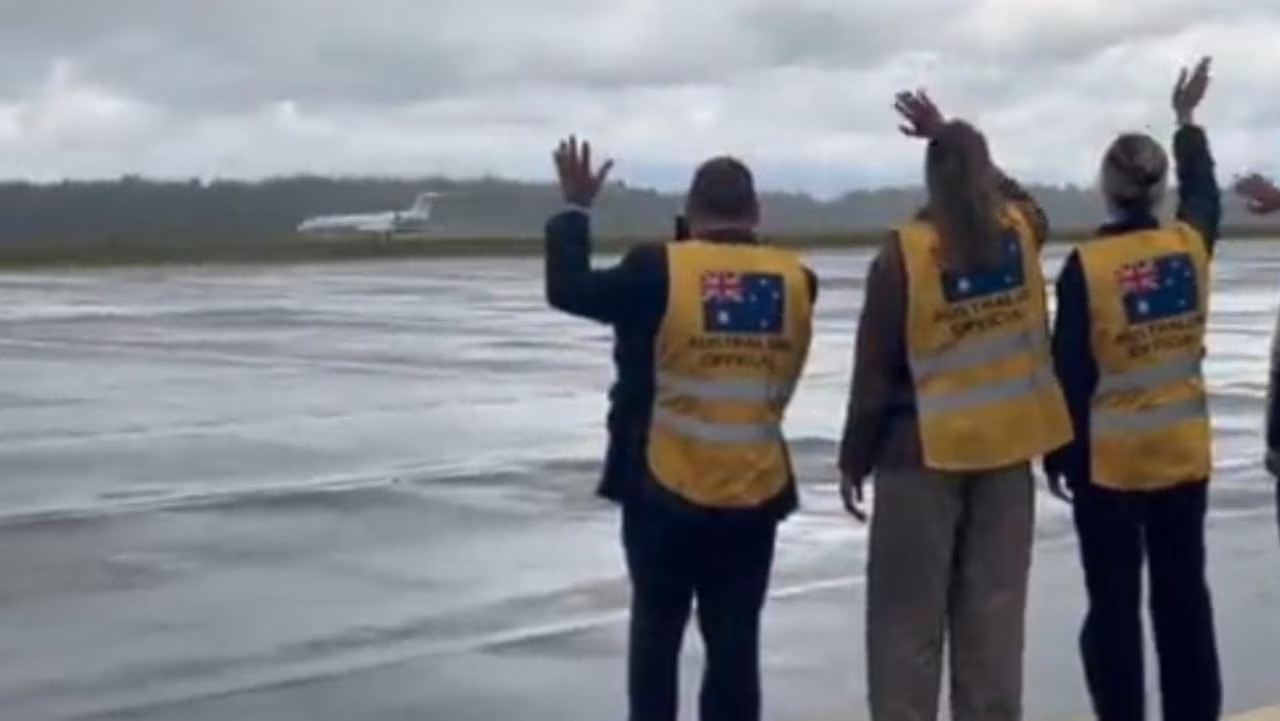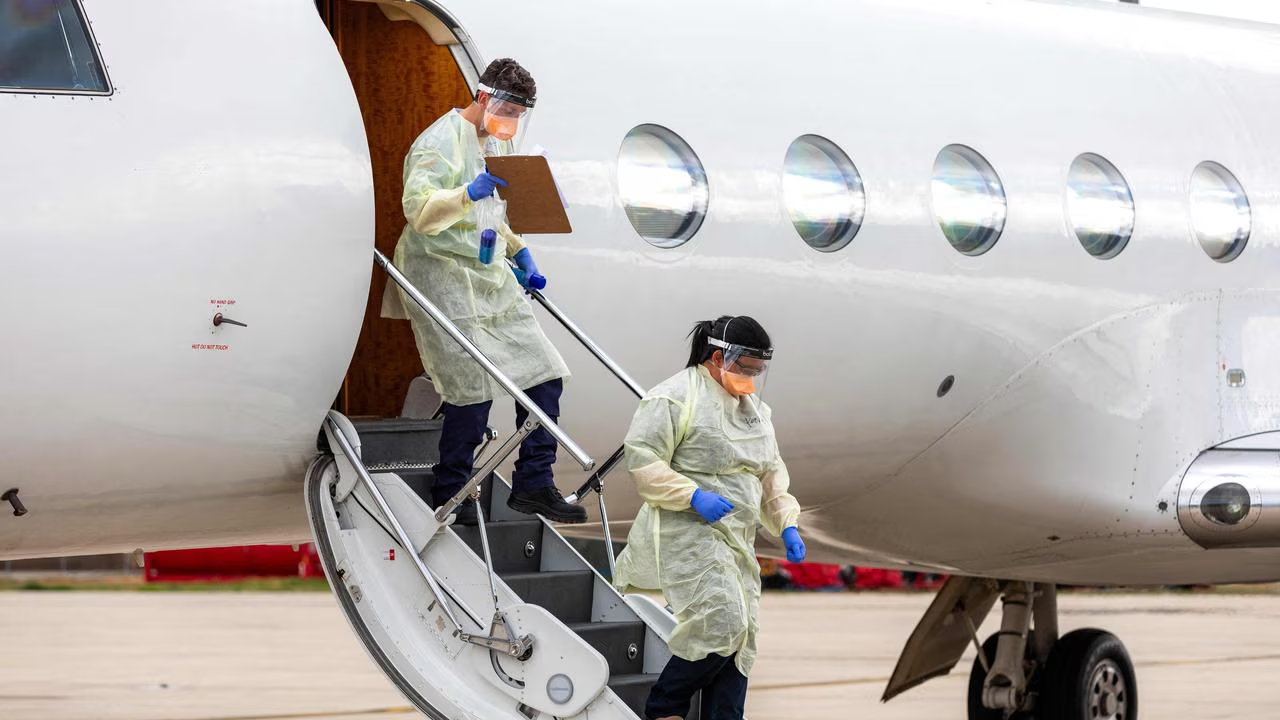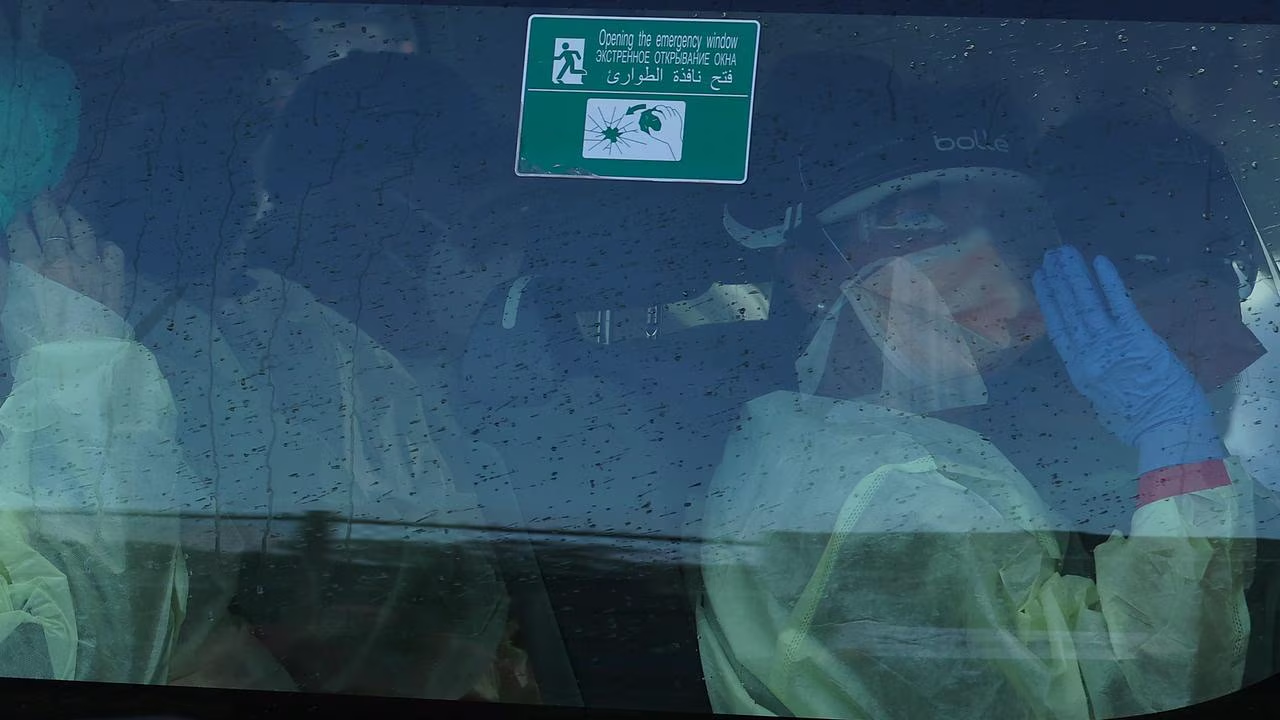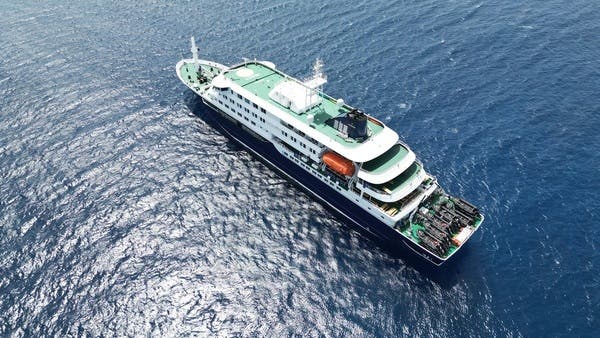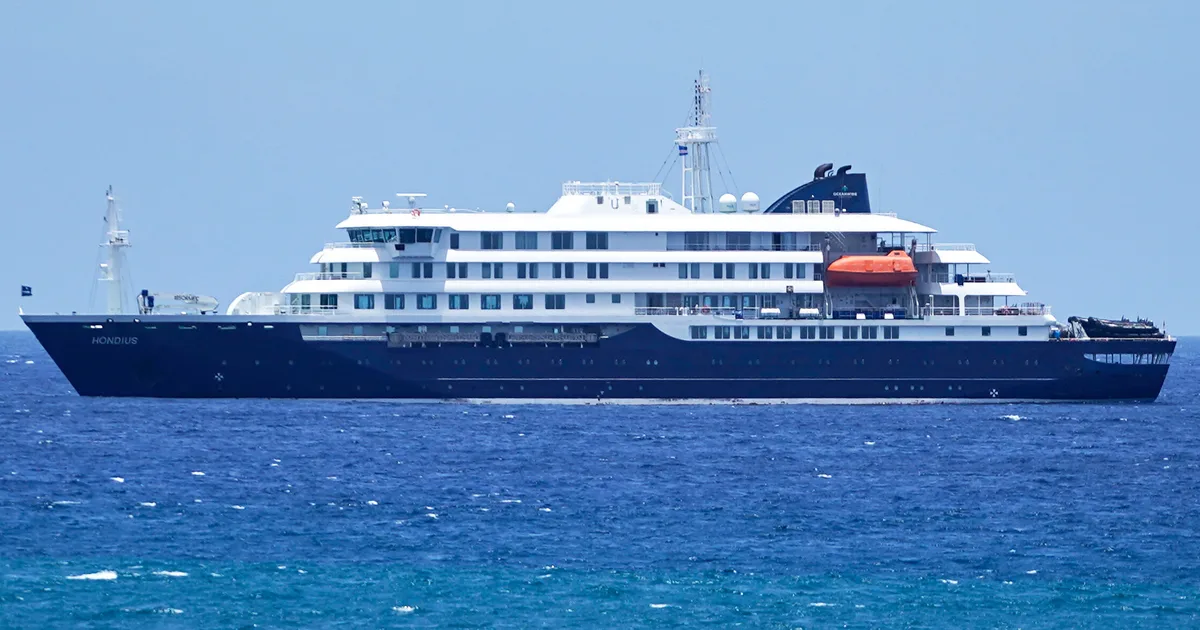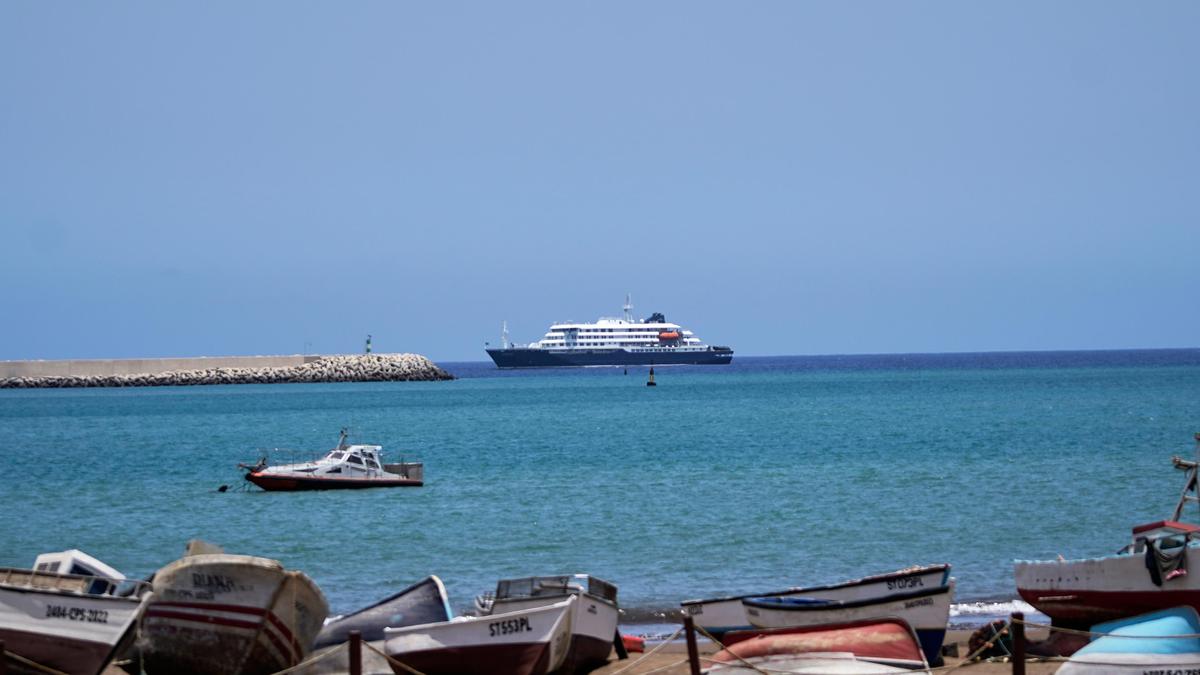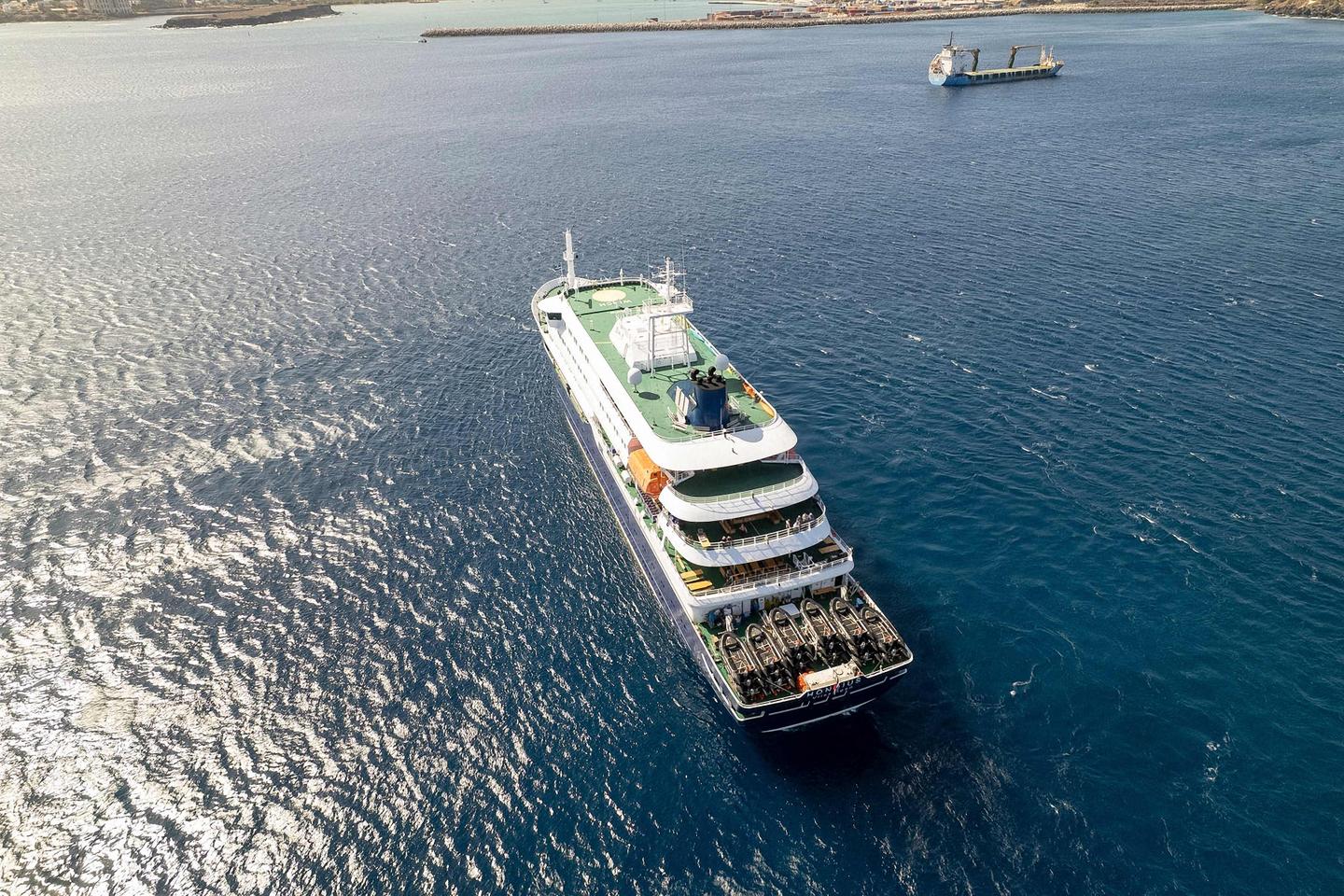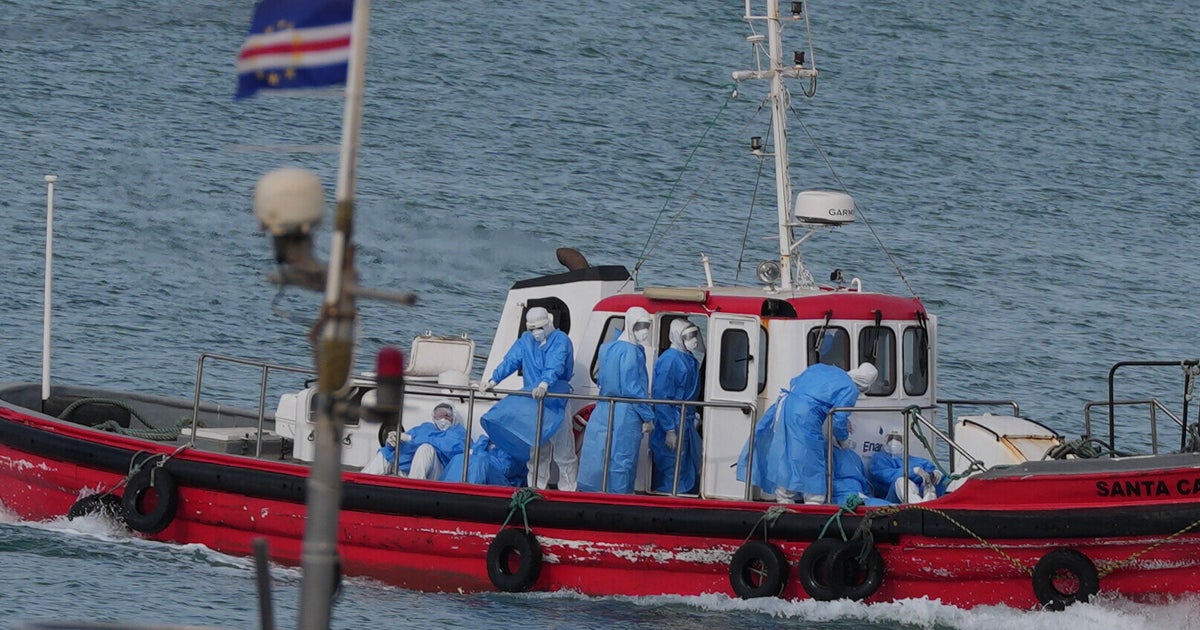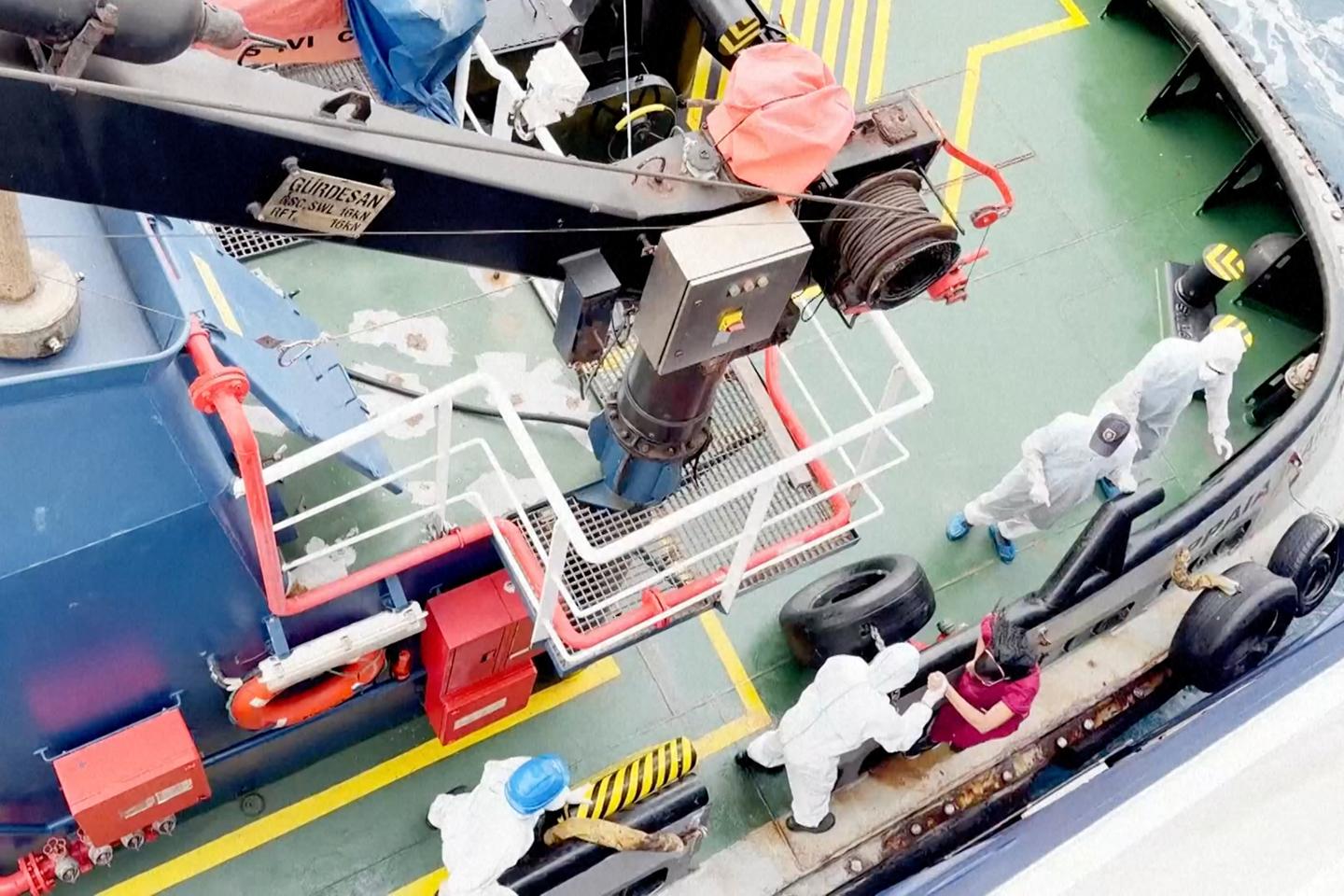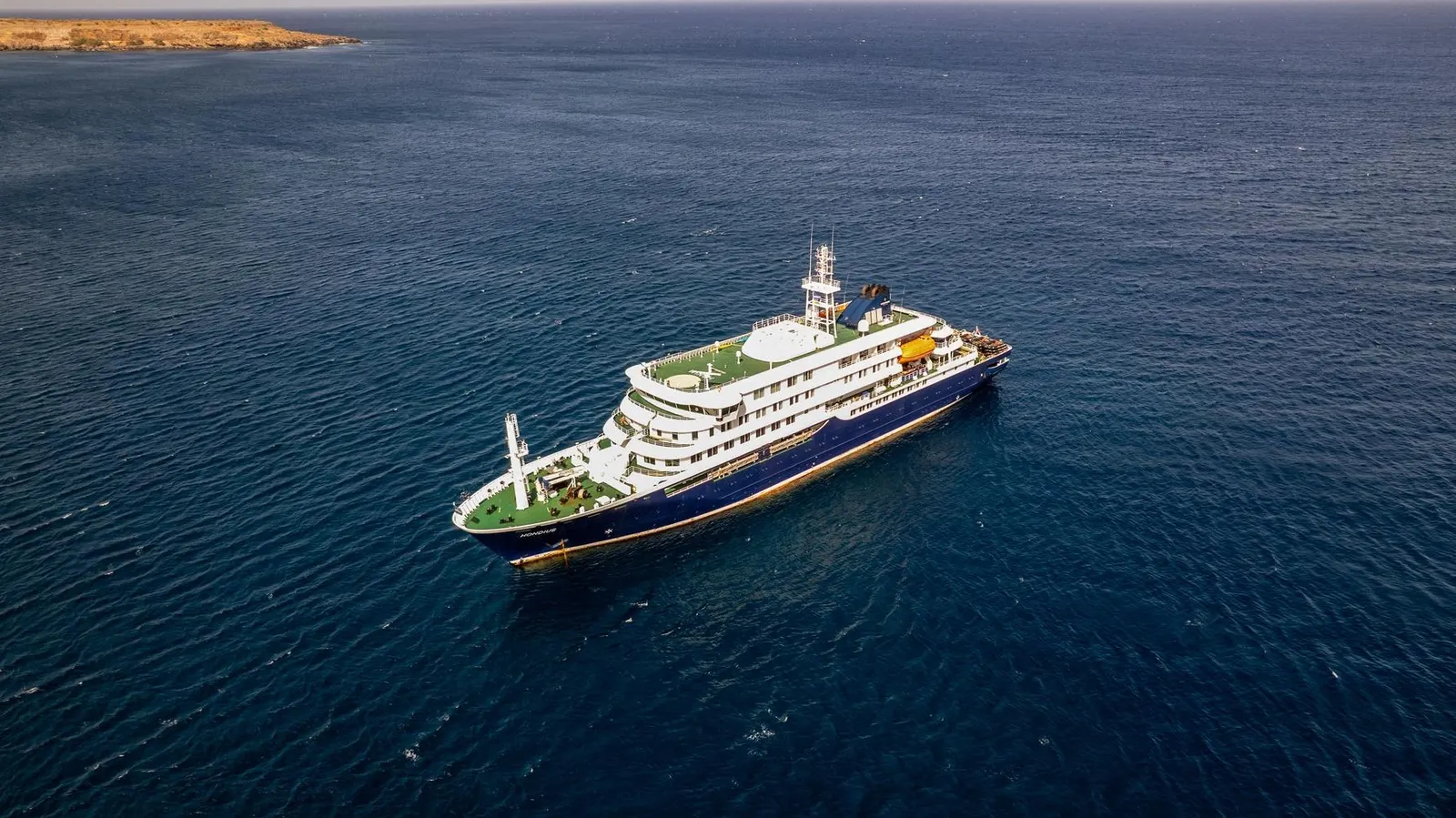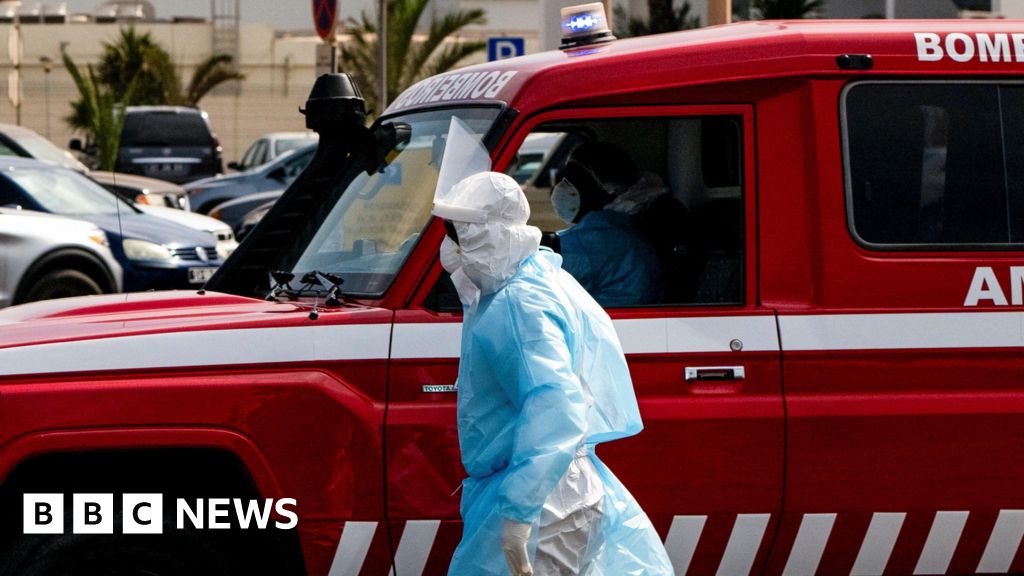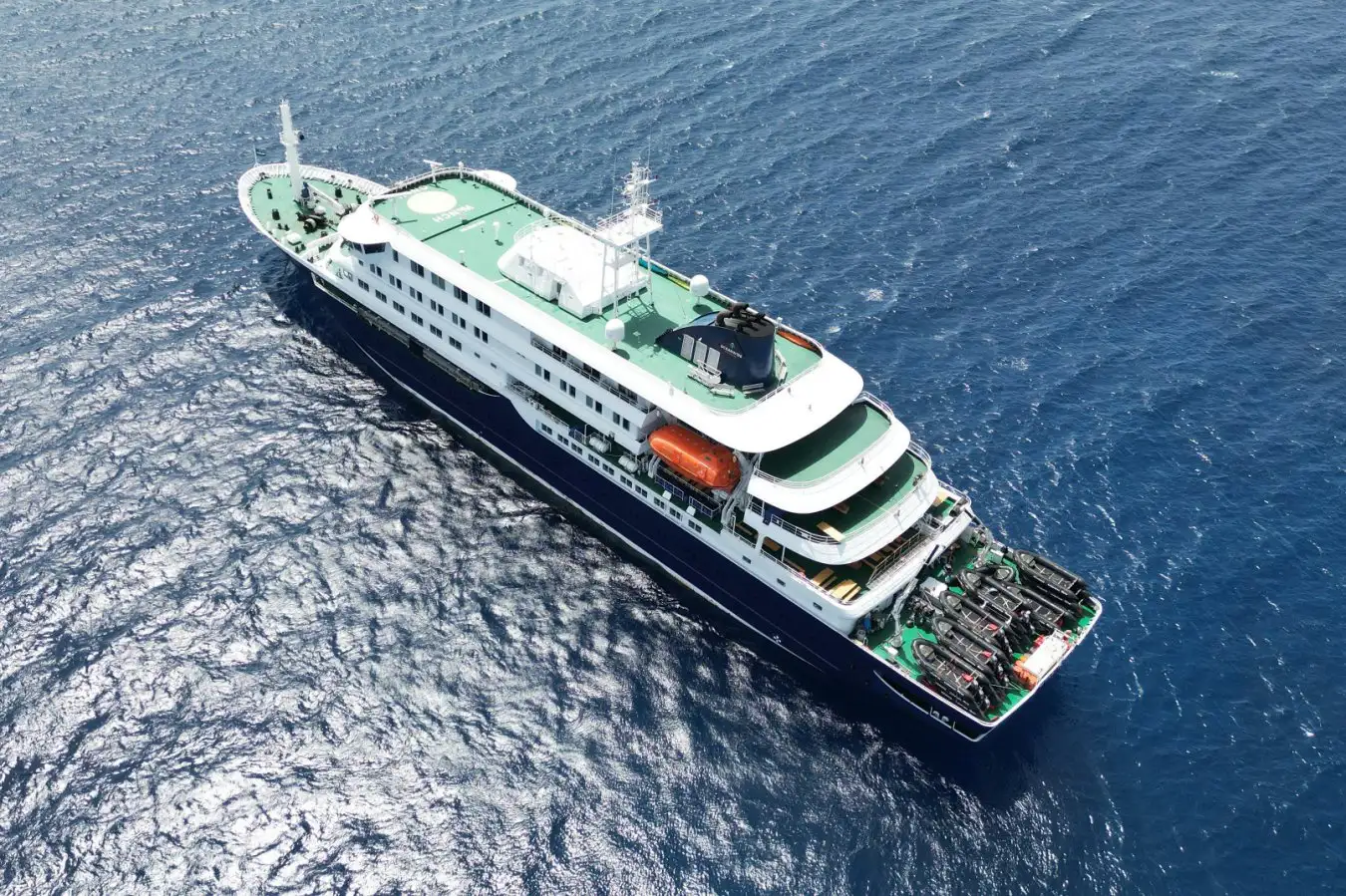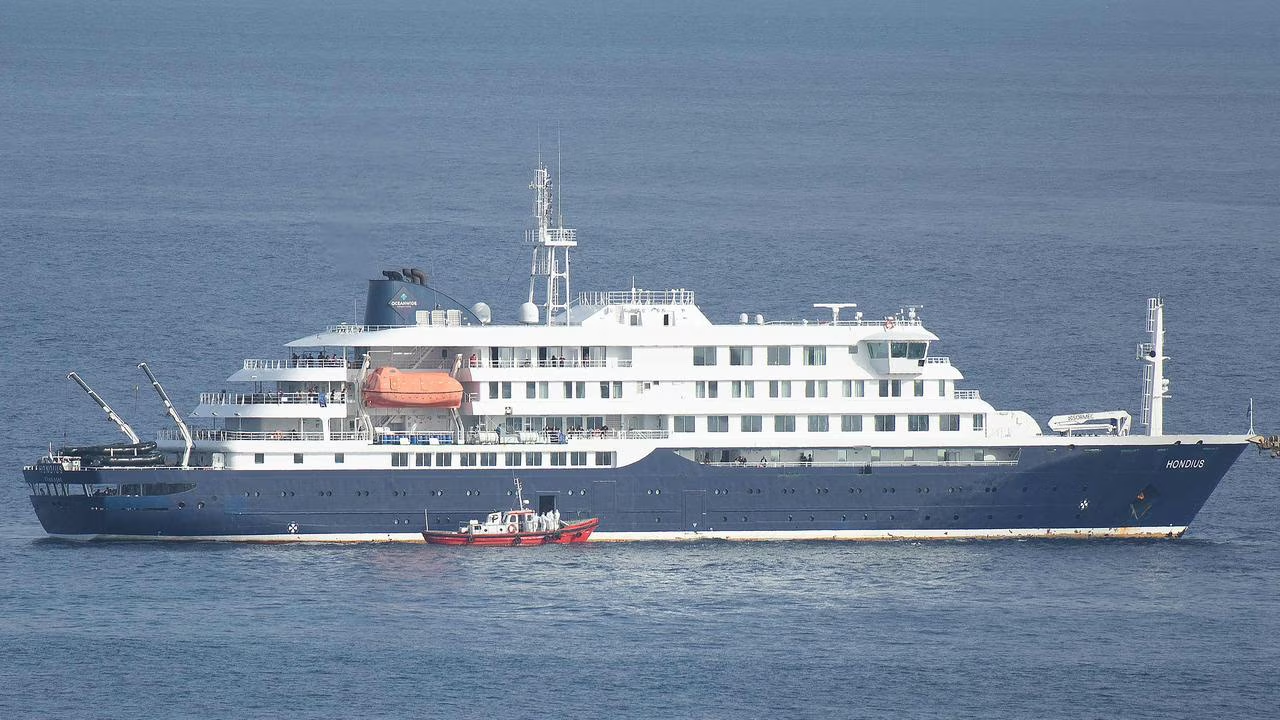
The four Australians on-board a cruise ship stranded because of a hantavirus outbreak are not infected, the Department of Foreign Affairs and Trade says.The ship is being quarantined near Spanish-owned Cape Verde, an island chain 500km west of Senegal.The World Health Organisation (WHO) believes the hantavirus outbreak is a rare case of human-human transmission.Of the 149 people on board, a Dutch couple and German national have died and there are seven suspected cases, as of Wednesday.The Australian Department of Foreign Affairs and Trade (DFAT) confirmed four Australians were on-board but not infected.“DFAT is not aware of any Australians being affected by the reported hantavirus outbreak,” a spokesperson said.“The Department of Foreign Affairs and Trade is aware of four Australians aboard the MV Hondius.”“DFAT stands ready to provide consular assistance if required.”The WHO has yet to confirm which strain of hantavirus is on the ship, but “our working assumption is that it is the Andes virus”, WHO epidemic and pandemic preparedness director Maria Van Kerkhove told media on Tuesday.The Andes strain of hantavirus has a mortality rate of almost 40 per cent. Hantaviruses are typically spread by rodents, but health authorities have not found any rats or mice on-board the MV Hondius. The Andes strain circulates in South America, and is the only hantavirus with recorded human-to-human transmission.The ship has been at the centre of WHO fears since Saturday when the rare virus was reported.The Spanish territory of Cape Verde denied the Dutch-operated ship the right to dock over the weekend, and health workers in full PPE regalia have been taxied to and from the ship since.On Wednesday, operator Oceanwide Expeditions said the ship will sail north for three days to the Canary Islands.Two ill staff members were being evacuated to the Netherlands and a third person who came in contact with the German who died would also be evacuated, the operator said.The Canary Islands are “the closest place with the necessary (medical) capabilities”, a WHO spokesperson said.
Aussies stranded after cruise ship outbreak
The four Australians on-board a cruise ship stranded because of a hantavirus outbreak are not infected, the Department of Foreign Affairs and Trade says.
327 words~1 min read