A few years ago, during the turmoil in Afghanistan, a friend of mine and his family were offered a humanitarian pathway to Australia by the Coalition government. They arrived carrying trauma, uncertainty, and a fragile hope that safety might eventually become stability. Today, they are still building that stability – appointment by appointment, physio session by physio session – while relying on the national disability insurance scheme (NDIS) to support their son’s rehabilitation, who was left paralysed after illness.Like many humanitarian migrants, my friend is not distant from policy debates – he is simply too busy surviving them to follow them closely. He has not yet heard that the Coalition, which once supported humanitarian resettlement, is now proposing a significant tightening of welfare eligibility: restricting access to a range of supports, including the NDIS, to citizens only.On one level, the argument is familiar. Public systems are under pressure. The NDIS now costs tens of billions of dollars a year, and both major parties have been seeking ways to control growth and ensure long-term sustainability. In that context, it is politically straightforward to argue that citizenship should define access to publicly funded support.But this is not only a question of budget discipline. It is a question of what kind of social contract is being quietly rewritten.Under the proposal, access to about 17 payments and services – including disability support, carer payments and parental leave – would be limited to citizens. For many migrants, that line does not fall at the start of their journey, but somewhere in the middle of it.Because for many migrants, citizenship is not an entry point. It is an endpoint. It comes after years of living, working, paying taxes, raising children and building lives in a country that already feels like home. The years before citizenship are not marginal – they are where most of the migrant experience actually unfolds.I know that space well: the waiting periods, the repeated forms, the effort of proving continuity in a life still being rebuilt, the constant checking of eligibility before asking for help. It is where contribution comes before recognition, and where belonging is felt long before it is formally granted – but always with the reminder that it is conditional.The proposed changes harden that conditionality. They draw a clearer line between those who are fully entitled and those who are not – regardless of contribution, length of stay or level of integration. In doing so, they reflect a broader political instinct seen in other democracies: tightening access to welfare around legal status.
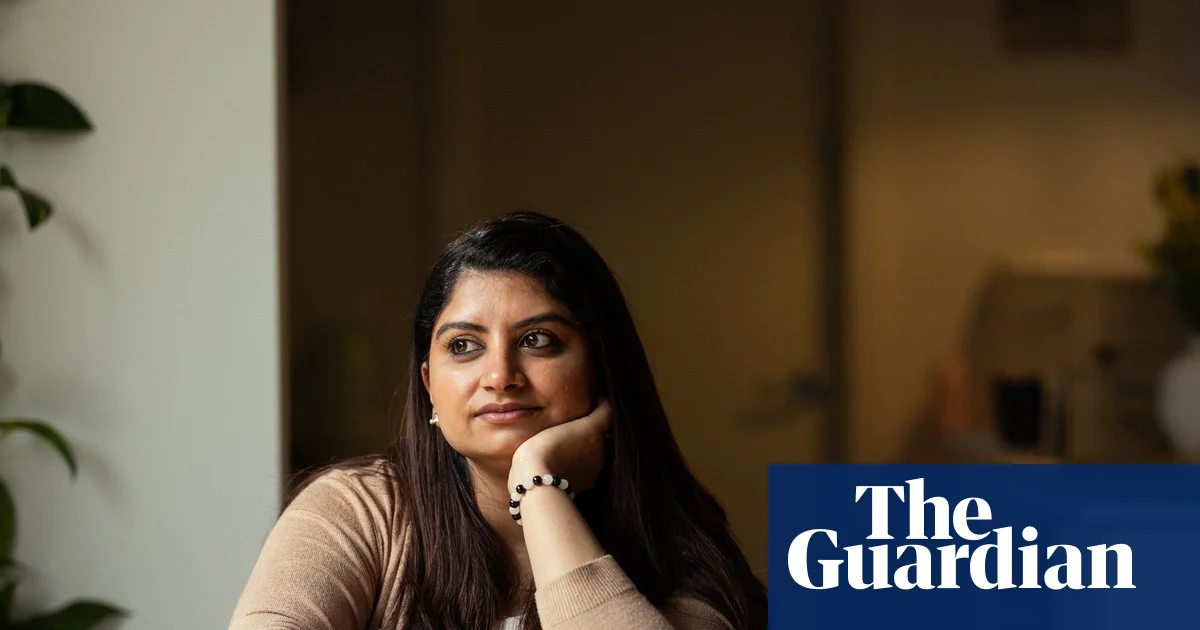
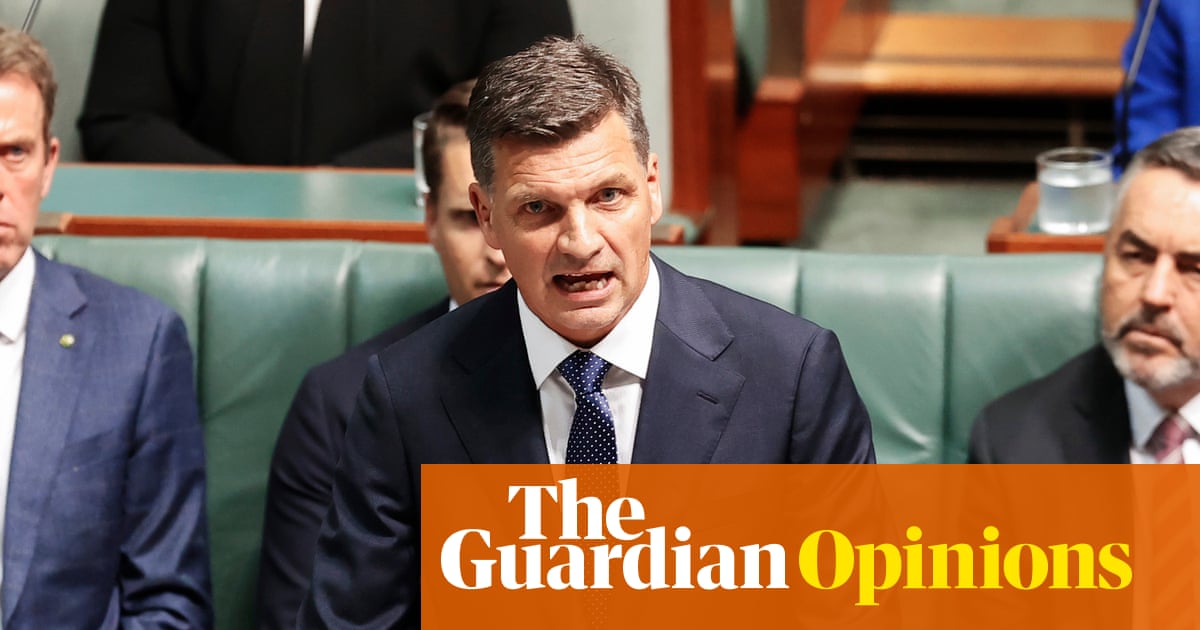
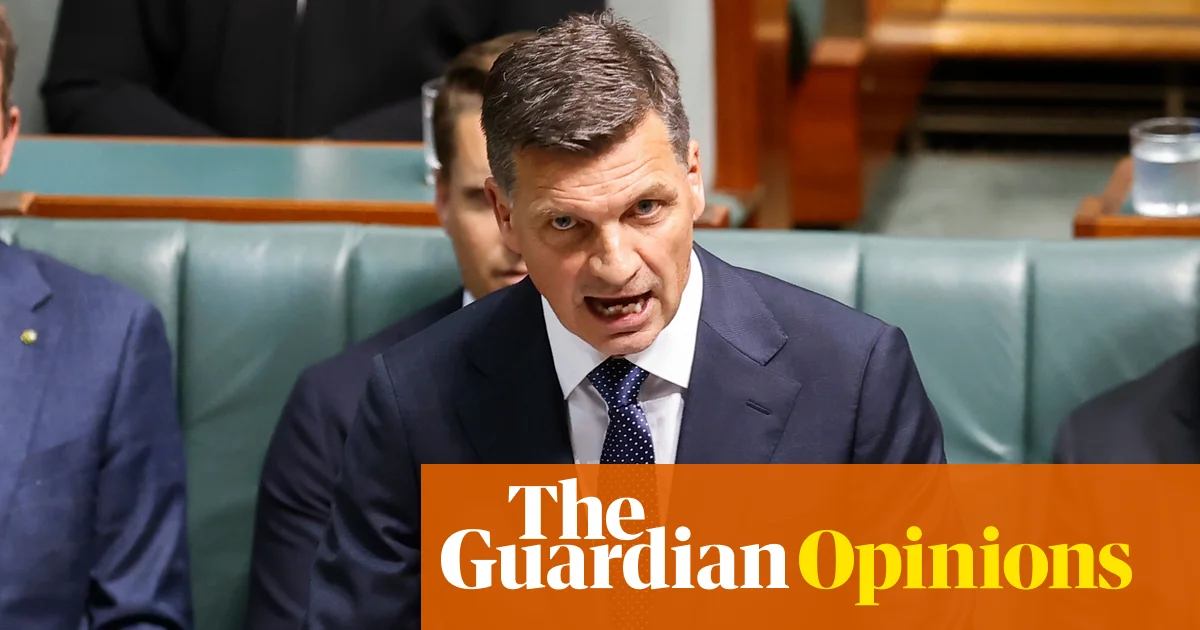
Angus Taylor’s plan to bar migrants from welfare payments undermines our quest for belonging | Shadi Khan Saif
The proposed changes draw a clearer line between those who are fully entitled and those who are not
807 words~4 min read