Listen
/
1.0x
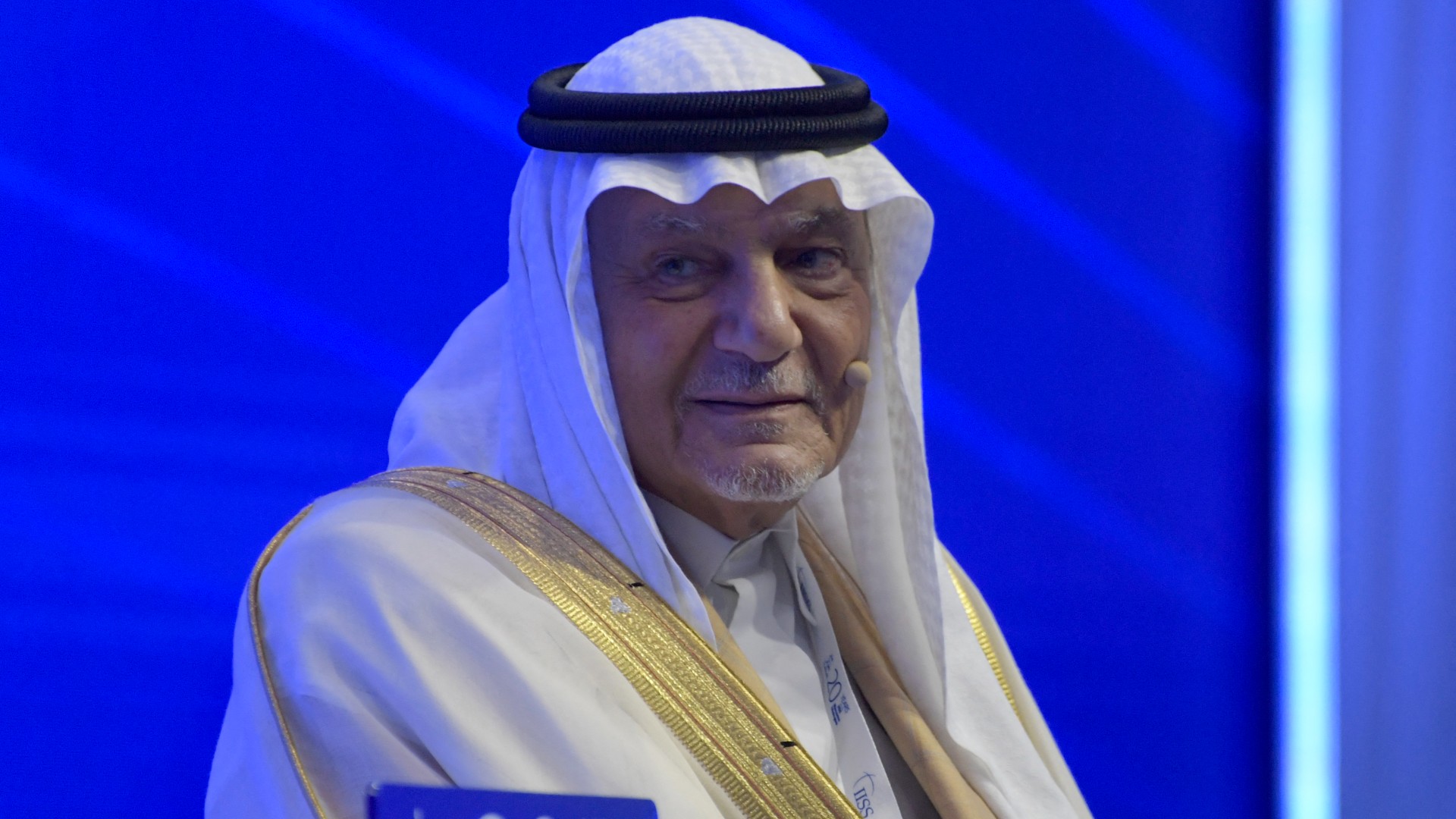
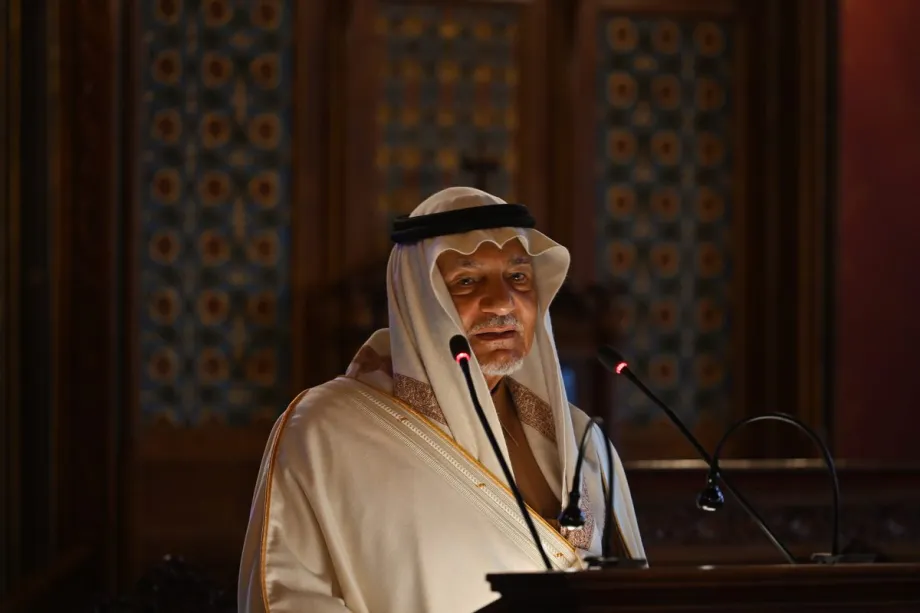
In his recent article in Asharq Al-Awsat, Prince Turki Al-Faisal offers a sober and realistic reading of the balance of power in the Arabian Gulf. With his deep security and diplomatic experience, Prince Turki presents an analysis that commands the attention of observers. Western media often treat his statements as indicators of Riyadh’s strategic mood, despite the fact that he has held no official government position for years.
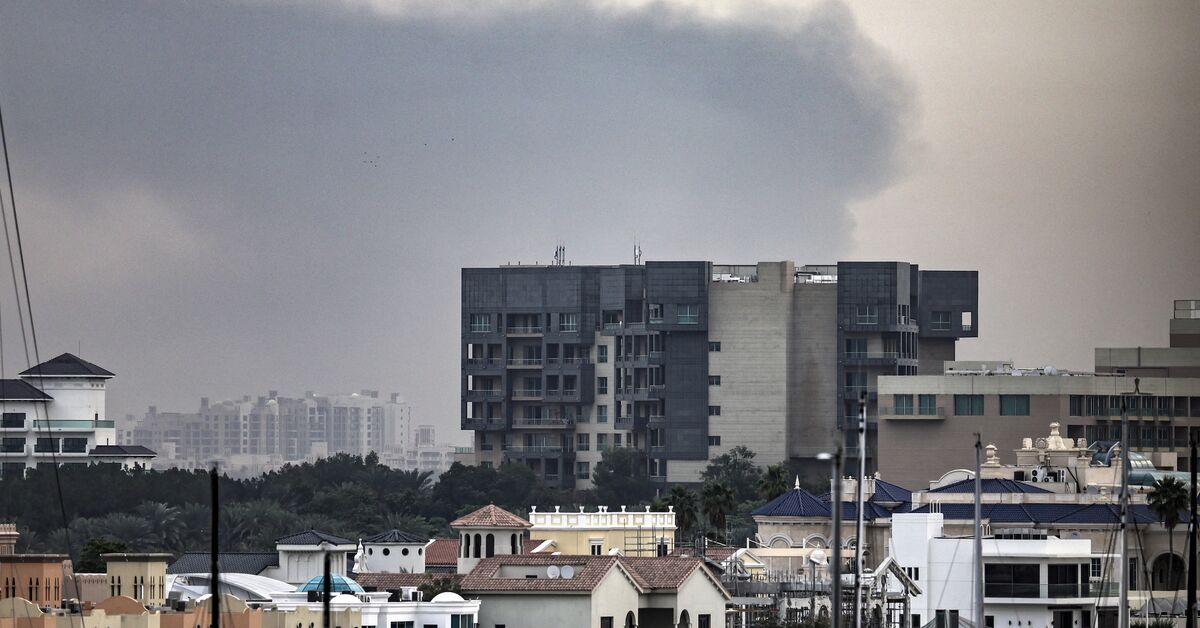
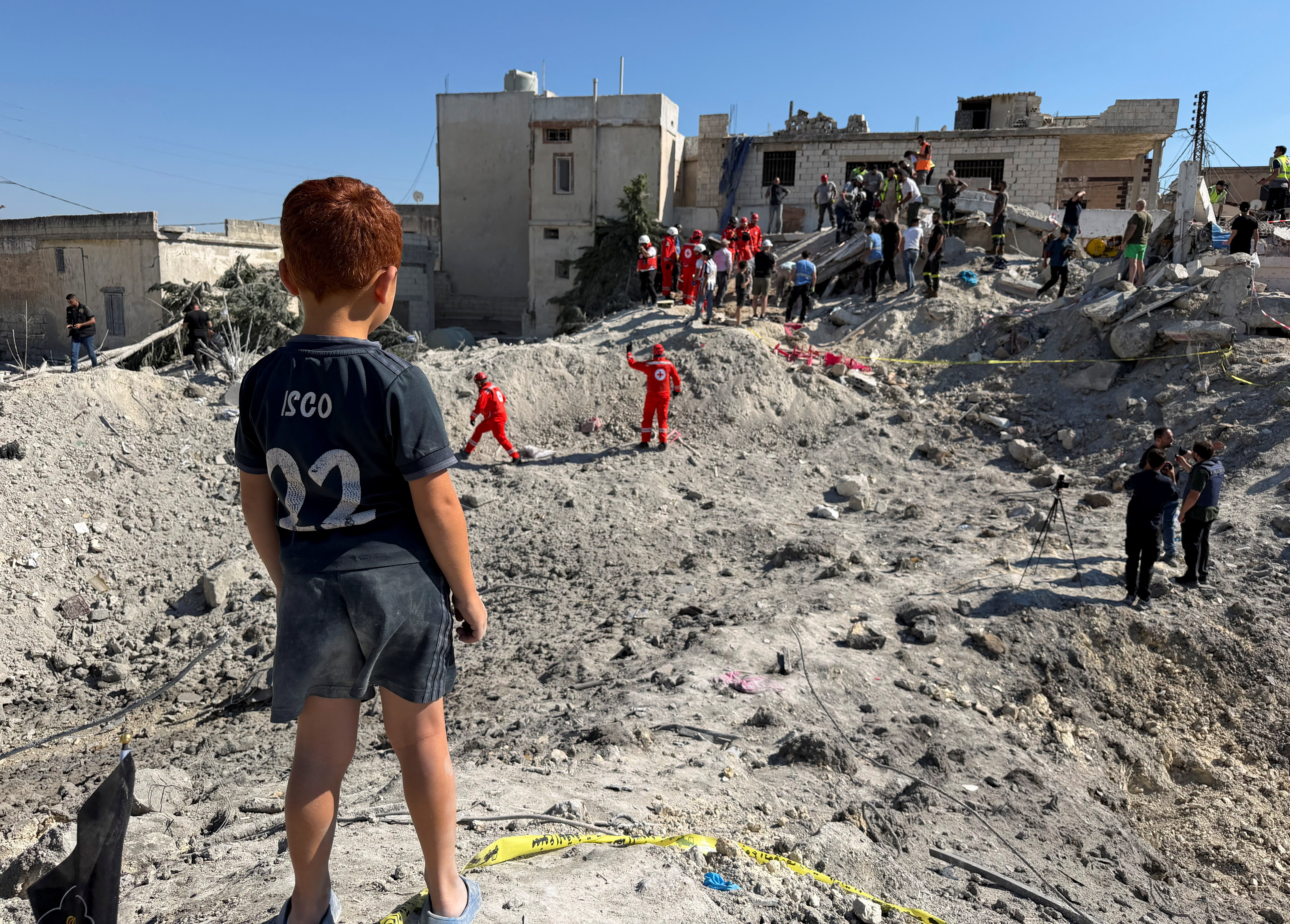
Prince Turki reminds us that Saudi Arabia possesses the military capability to respond in kind to Iran. Yet any comprehensive retaliation would trigger a scenario of mutual destruction: strikes on Iranian facilities would be met with attacks on Saudi Arabia’s vital infrastructure—from oil installations to desalination plants stretching along the Gulf coast and possibly deep into the country. This is an accurate description of the deterrence equation, not an exaggeration. It underscores that Riyadh—unlike Tehran—understands that sliding into an open war would turn the region into a wasteland and cost thousands of lives, in a conflict that would serve only Israel, which, as the prince notes, has long sought to ignite an Arab–Iranian confrontation that would allow it to dominate the region.