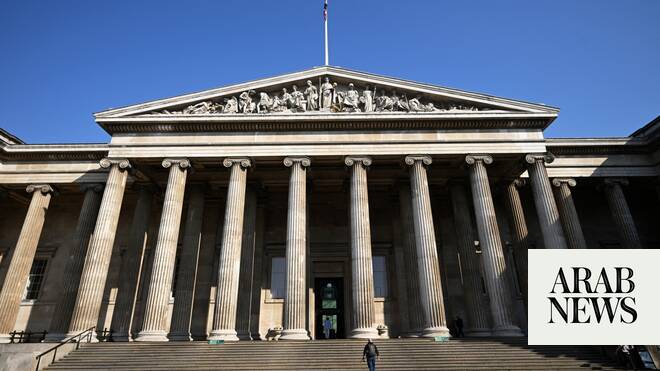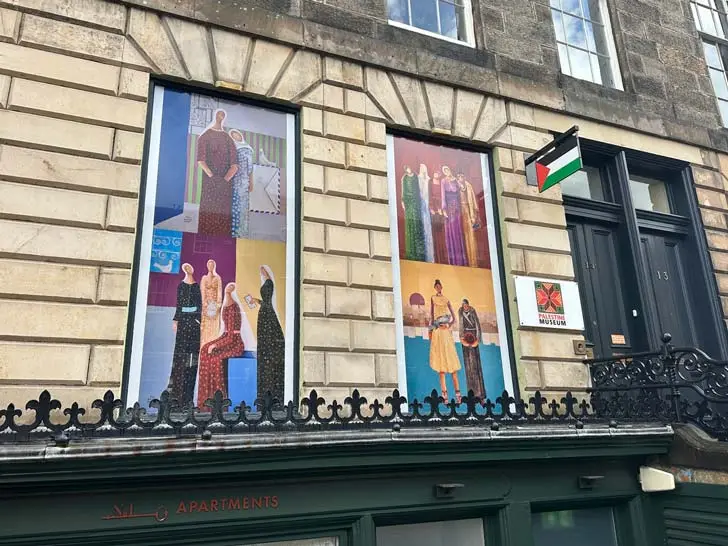
The Palestine Museum, which first opened as Palestine Museum US in Woodbridge, Connecticut, has expanded across the Atlantic with its first European branch opening last month in the Scottish capital Edinburgh.
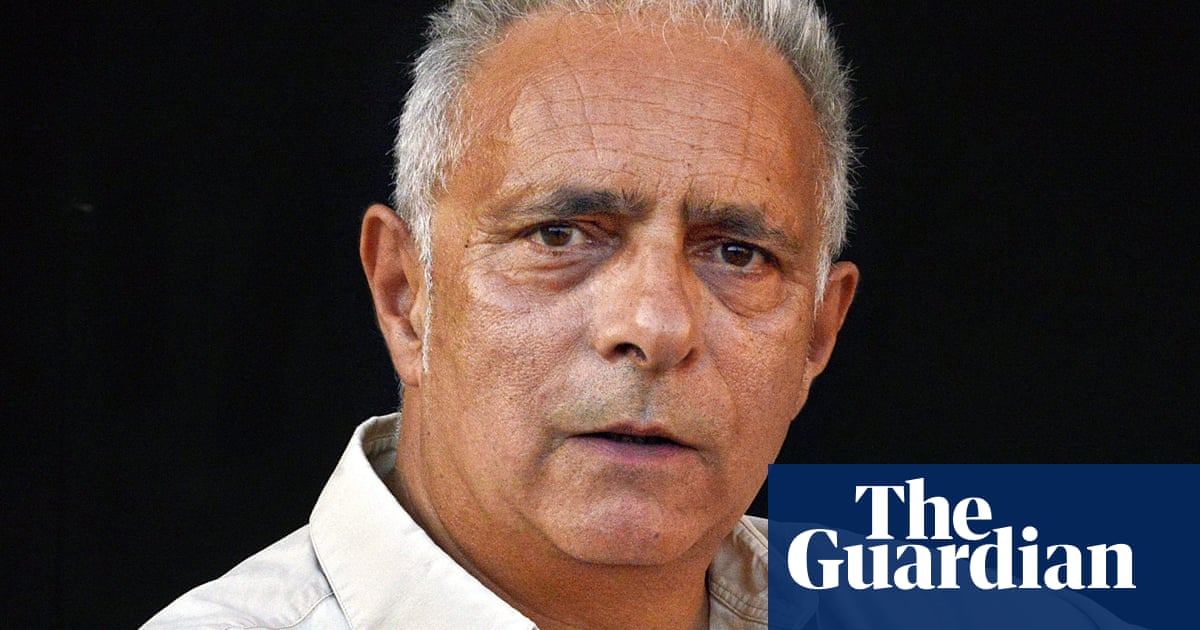
During the inaugural ceremony, Faisal Saleh, the founder and relentless visionary behind the museum, greeted guests with a quiet intensity that belied the storm of ideas swirling around him. Born to a Palestinian refugee family displaced from the village of Salama near Jaffa in 1948, Faisal’s journey from the occupied West Bank to US tech entrepreneur to ‘museum maker’ feels like a lifetime distilled into a singular mission: to carve out cultural space where Palestinians can own their narratives.
Indeed, the Palestine Museum is no ordinary art museum. While it proudly showcases contemporary Palestinian art, from the hauntingly expressive to the defiantly hopeful, it also offers something increasingly rare: a platform where Palestinian culture, history and resistance can be centred without apology or censorship.
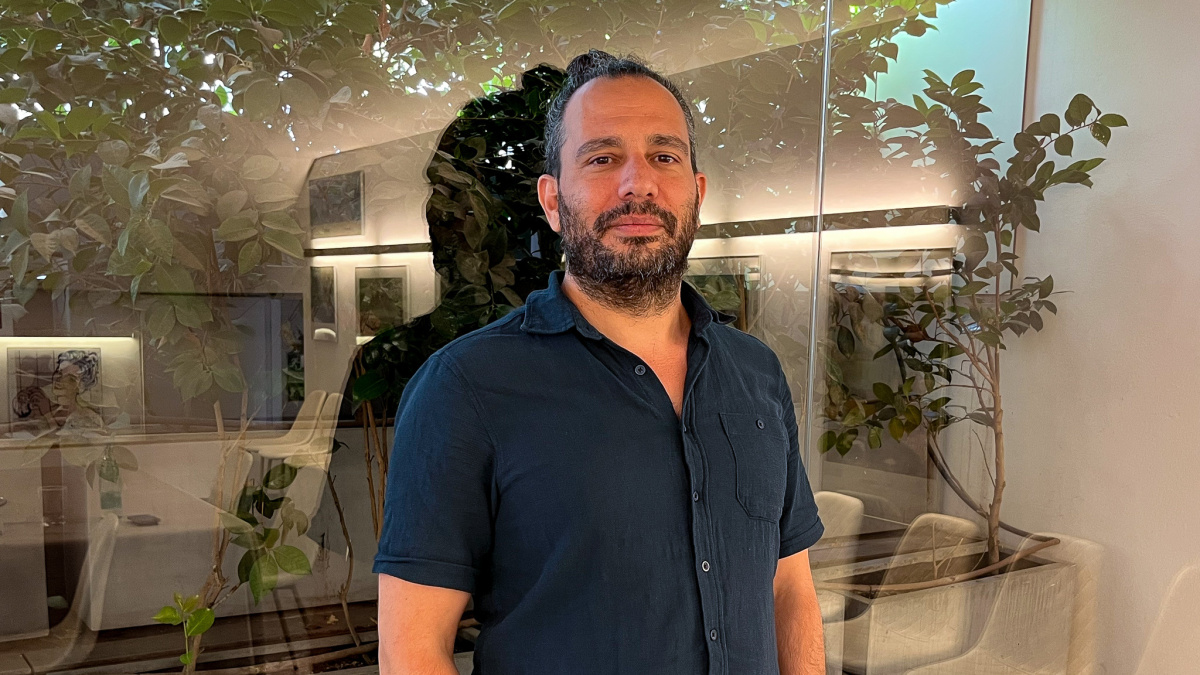
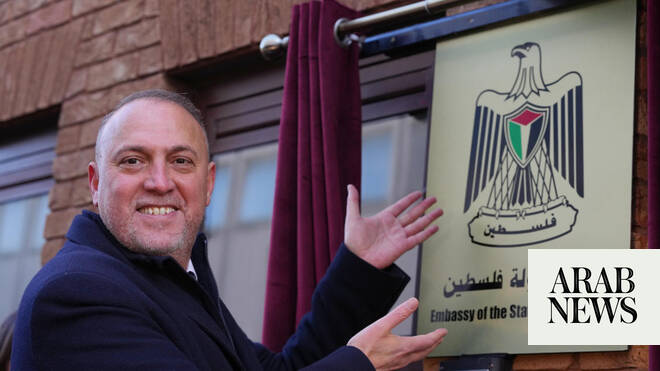
Director Faisal Saleh on the steps of Palestine Museum Scotland located at 13A Dundas Street, Edinburgh. Photo: Frances Anderson, courtesy of Palestine Museum US
That commitment has become ever more urgent. In the wake of Israel’s ongoing genocide in Gaza, and a relentless campaign of forced displacement and settlement expansion in the occupied West Bank, the lines between humanitarian crisis, cultural erasure and political suppression have blurred. Yet cultural and academic institutions in Europe and the United States often remain silent—or actively suppress Palestinian voices.