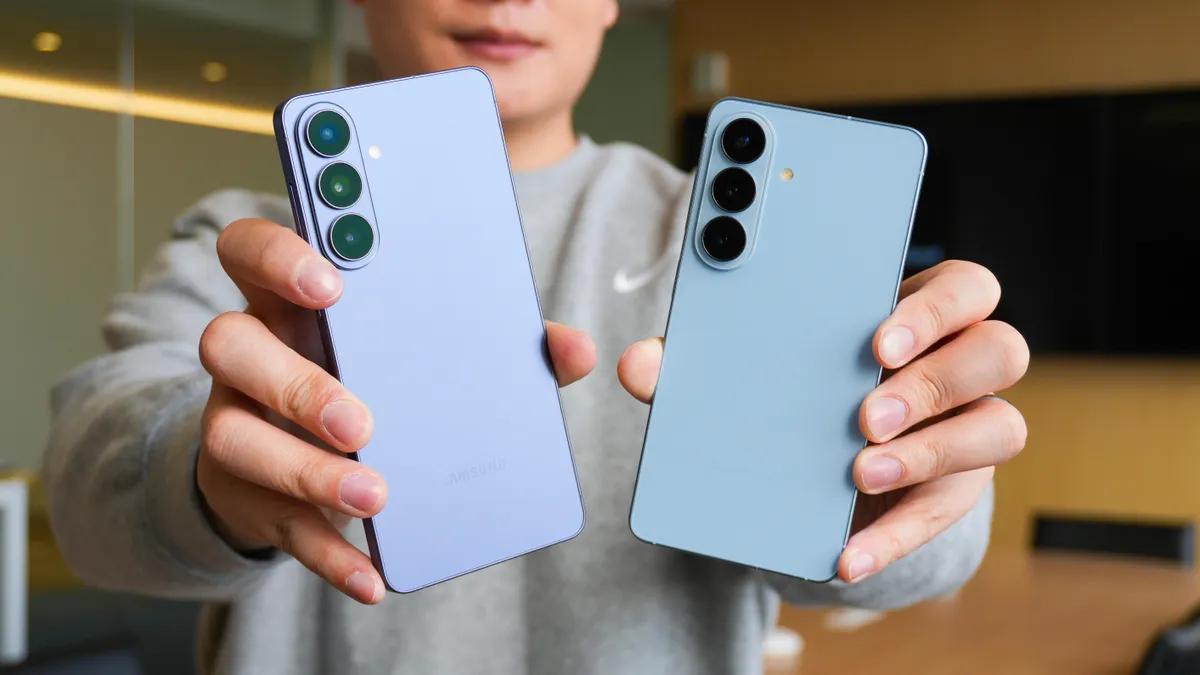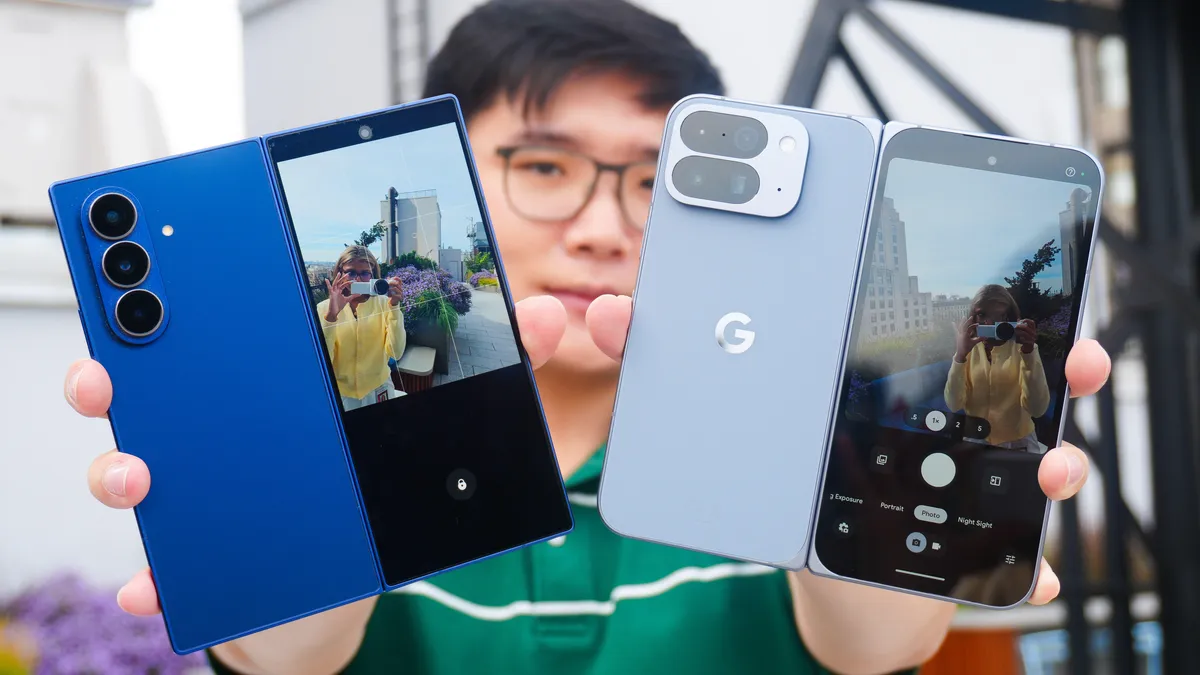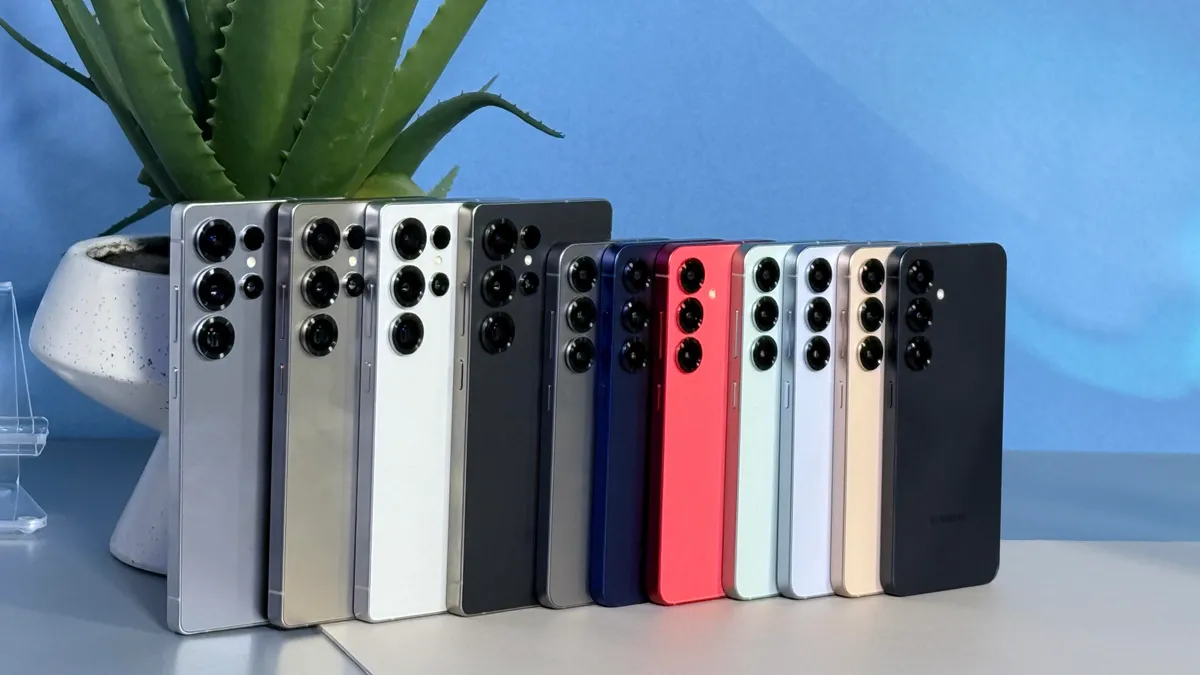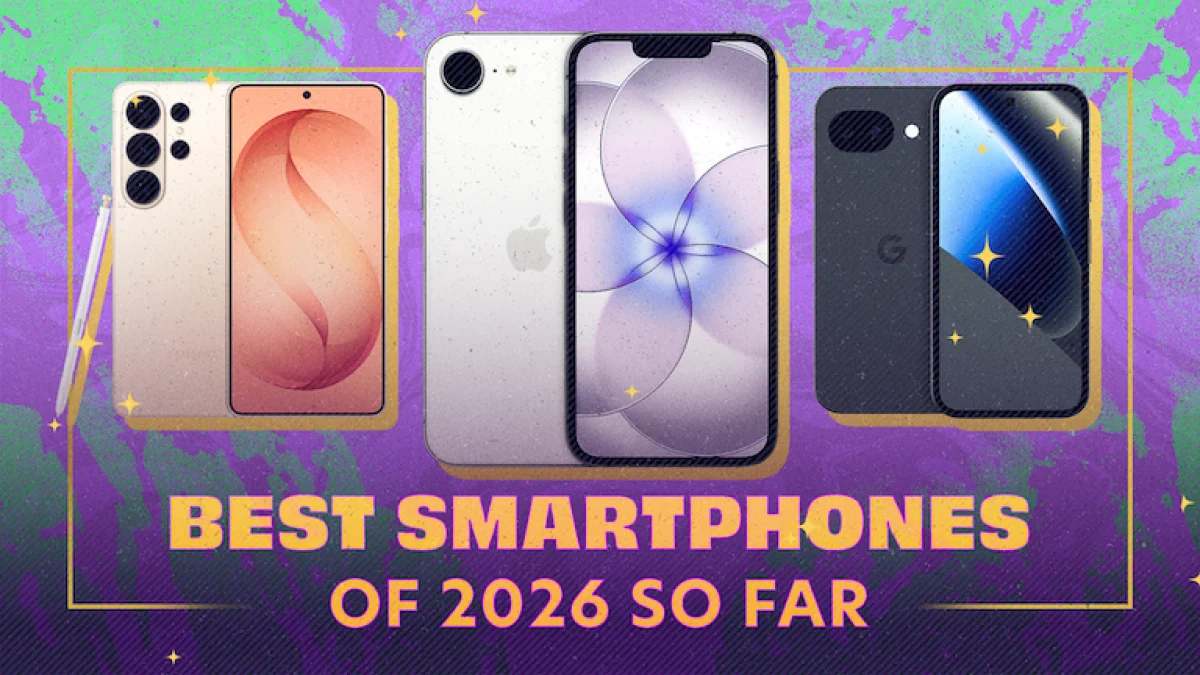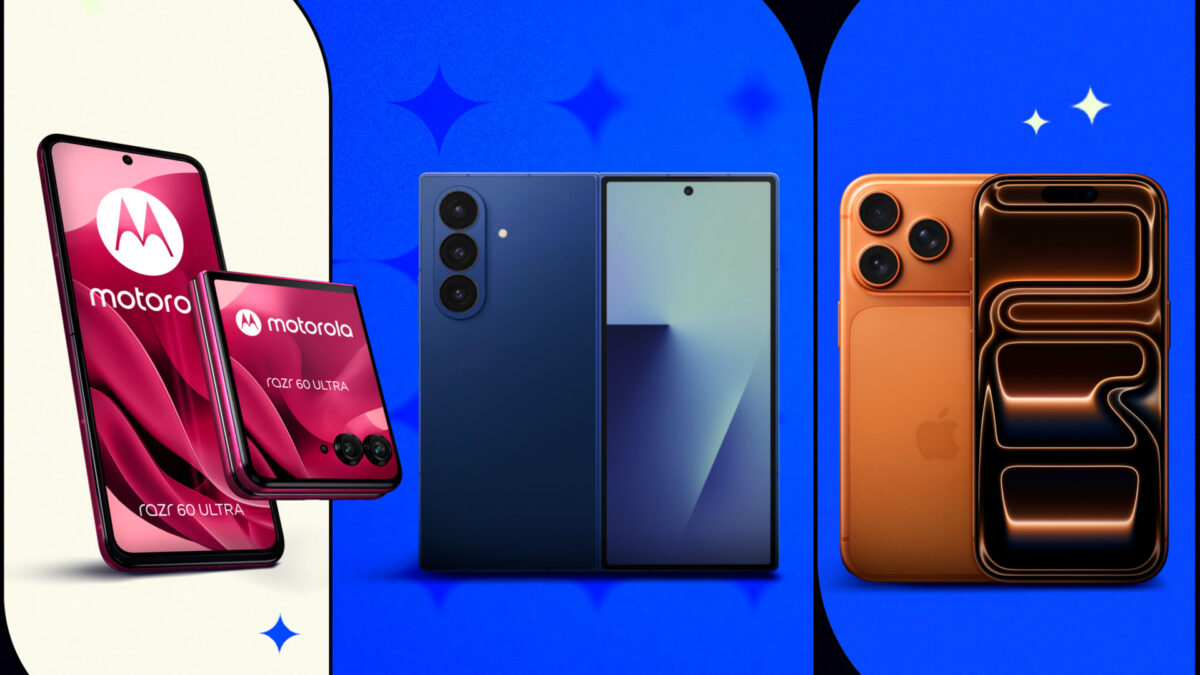
The days of one phone being the perfect phone for everyone are long gone. In 2025, phones come in all shapes and sizes. Bar-style phones with a touchscreen remain the most popular type for most people. But foldables—book-style and flip-style—continue to get better when it comes to thinness, lightness, and durability.
Choosing the right phone for yourself really comes down to what features are at the top of your checklist. Is it the biggest screen? Or maybe you need the most powerful chipset with a CPU that can handle whatever intensive apps or workflows you throw at it? Are you a mobile gamer who needs a beefy GPU? Maybe you need more cameras or the best cameras with image quality that’s as good as a mirrorless camera. Or, perhaps, you’re an early adopter and you want the best AI features.
All of this can be overwhelming, but it’s also really great—there’s so much choice. And importantly, phones are now priced at every level from budget to premium, which only means there truly is a device for everyone.
Android or iPhone?
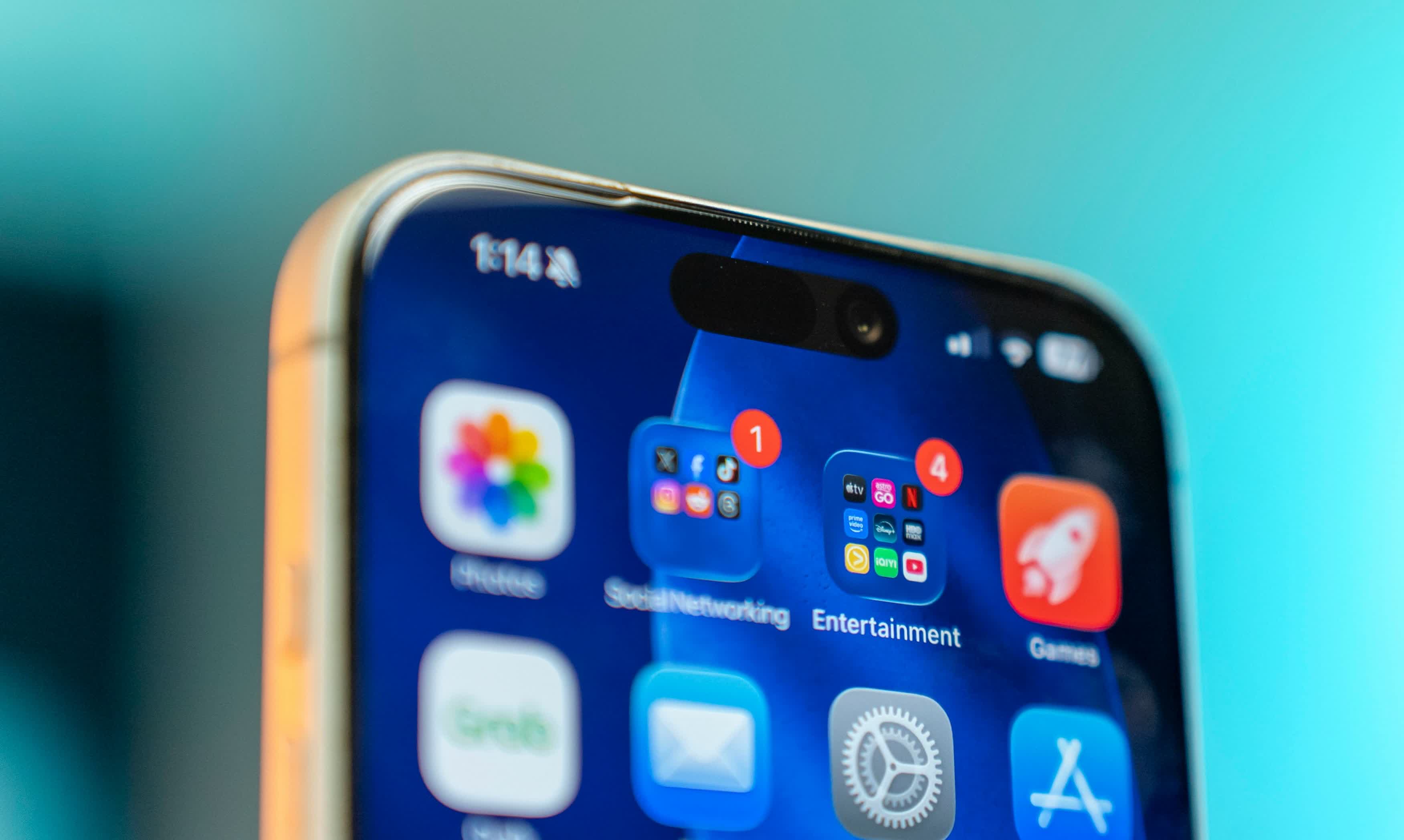
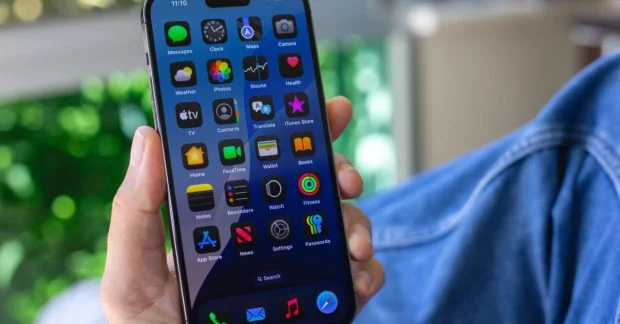
In an ideal world, there wouldn’t be a duopoly for phone software. But that’s our reality, so before narrowing your features checklist, you have to choose between Android or iOS. The latter means you can only get an iPhone, and you’ll have to live within the constraints of Apple’s “walled garden.” Apple makes the rules about what you can and can’t do with your iPhone, and even controls the App Store to allow only “approved” apps. Going with Android gives you more flexibility if you’re the type of person who wants to customize your software how you like it or install apps from sources outside of the Google Play Store.