By providing an email address. I agree to the Terms of Use and acknowledge that I have read the Privacy Policy.
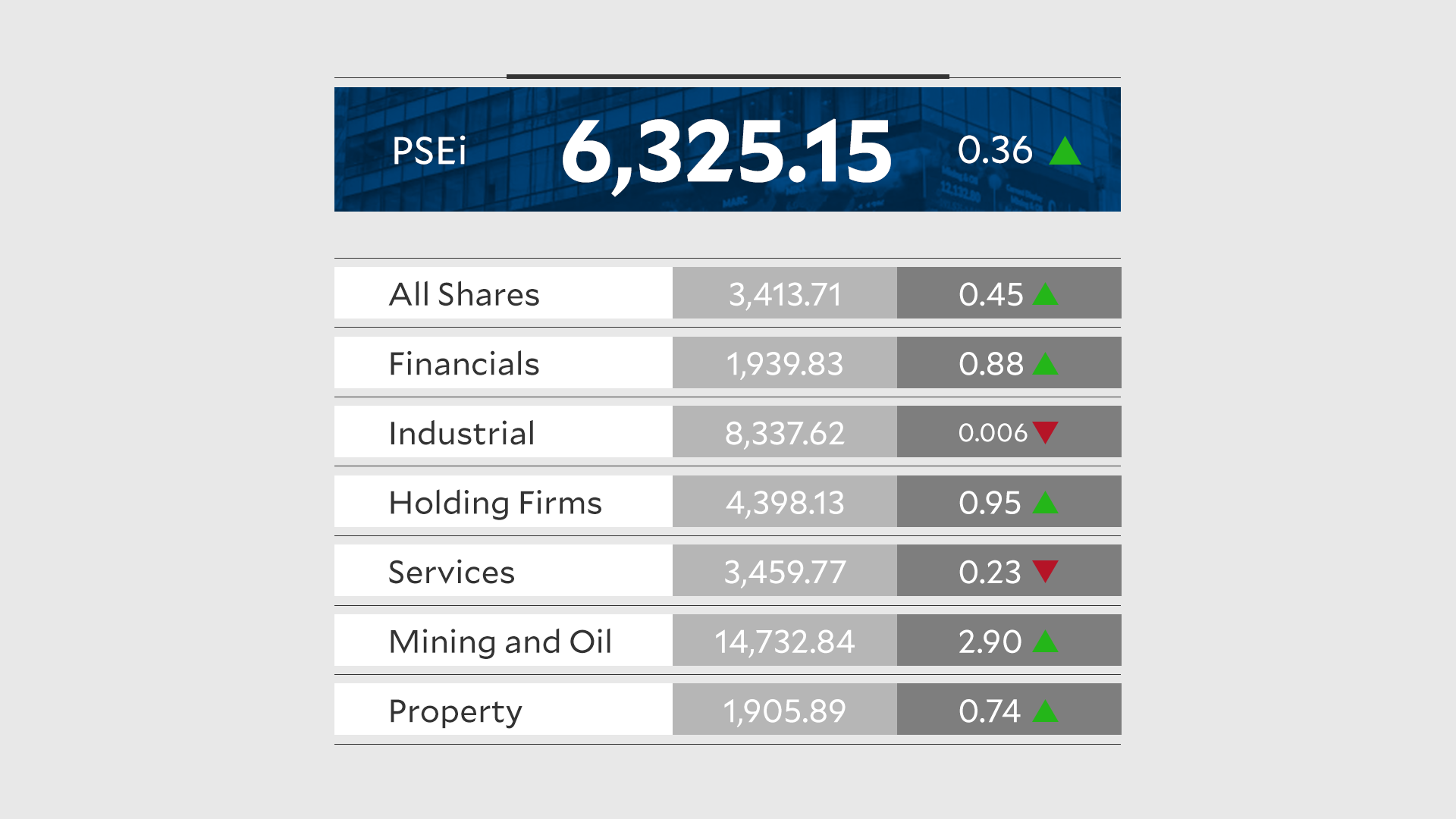
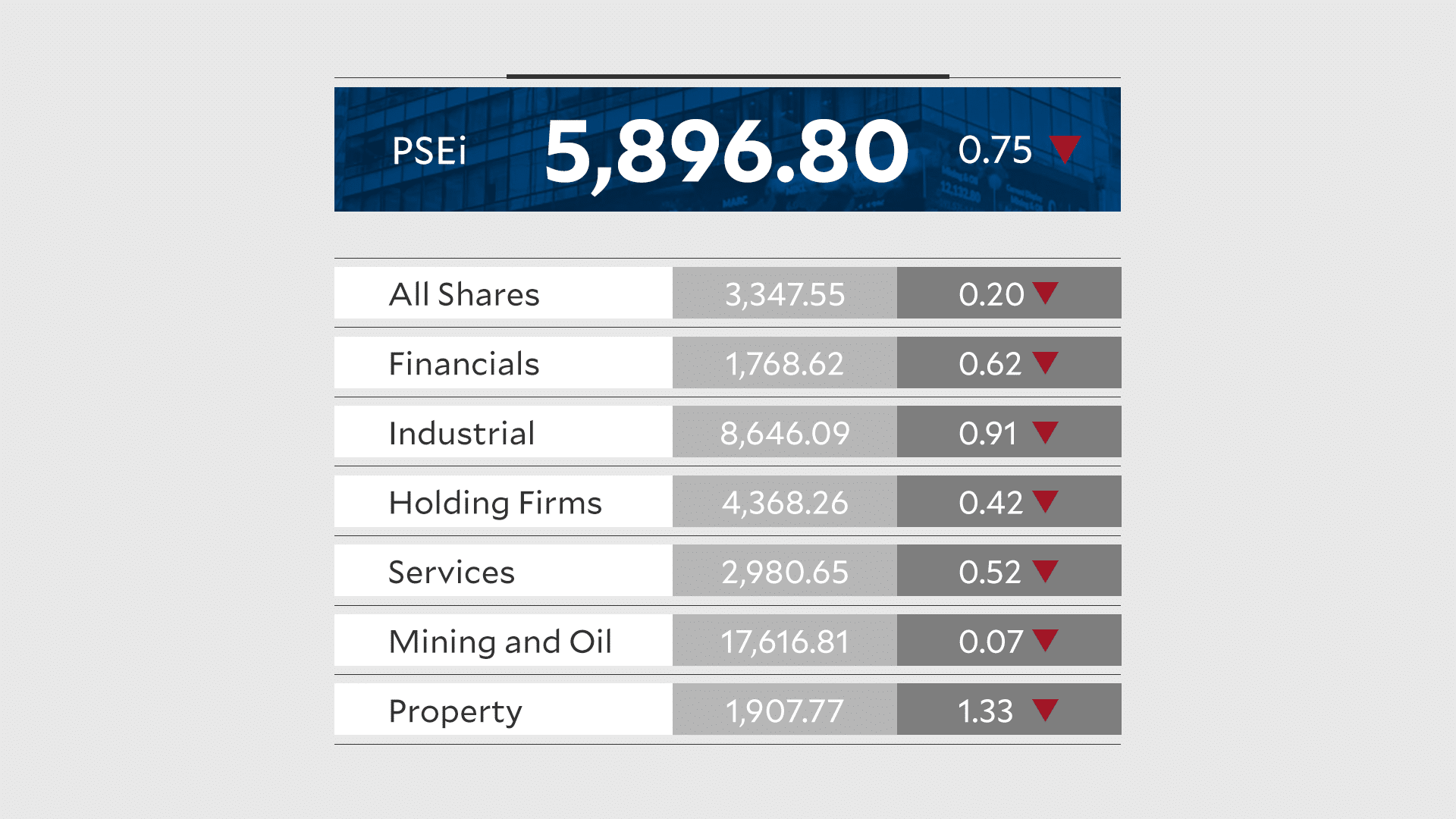
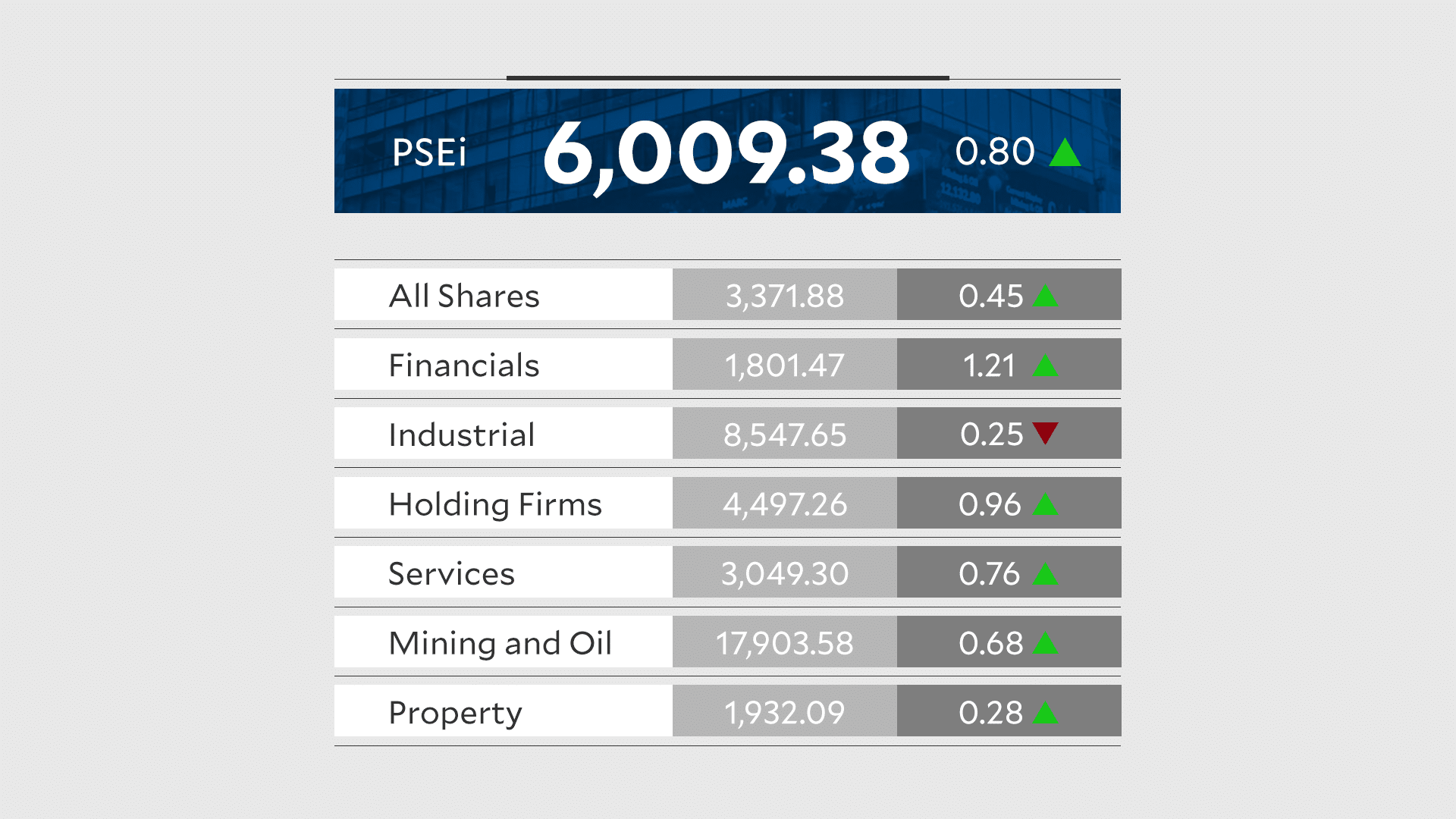
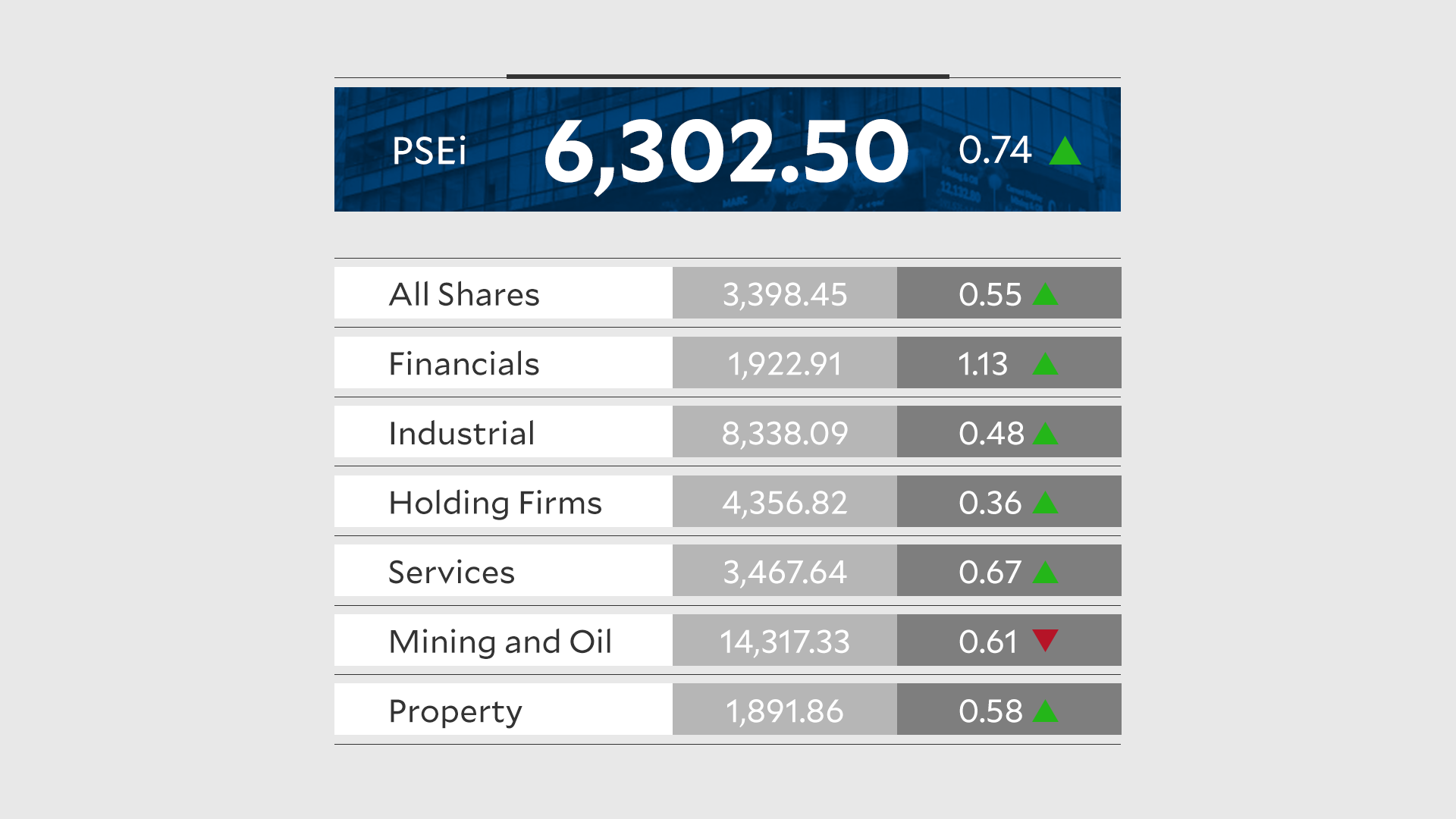
The Philippine Stock Exchange Index is up 5.5 percent year to date, outperforming the Standard & Poor’s 500, which is flat. The rally has been supported by a weaker US dollar, which allowed the peso to appreciate to 58.11 after touching 59.35 in January.
Another key driver has been the global rotation out of expensive US technology stocks into more traditional companies trading at cheaper valuations. This shift reflects growing concerns about a potential artificial intelligence (AI) bubble, the disruptive impact of AI on software firms and whether massive AI infrastructure spending by large tech companies will deliver adequate returns. The rotation is evident in US market performance: the tech-heavy Nasdaq is the weakest major index year to date, down 3 percent, while the more traditional Dow Jones Industrial Average has gained 3 percent.
Emerging markets have been among the main beneficiaries of this shift. The MSCI Emerging Markets Index is up 10.7 percent year to date, while inflows into US-listed emerging market exchange-traded funds reached record levels in January. As part of this asset class, the Philippine market has attracted renewed foreign interest, with net foreign buying totaling P16.4 billion year to date—a reversal from the sustained outflows seen throughout 2025.