By providing an email address. I agree to the Terms of Use and acknowledge that I have read the Privacy Policy.
MANILA, Philippines — As diligent investors would know, interest rates historically move in the same direction as inflation because central banks rely on interest rates as their primary tool to control rising prices. When inflation increases and consumer demand remains strong, the central bank can slow economic activity by raising borrowing costs.
Higher interest rates reduce spending and investment, which helps contain inflation. Conversely, when inflation declines and economic growth weakens, the central bank may lower interest rates to stimulate demand and support economic activity.
READ: ‘Measured’ BSP rate hikes on the horizon, analysts say
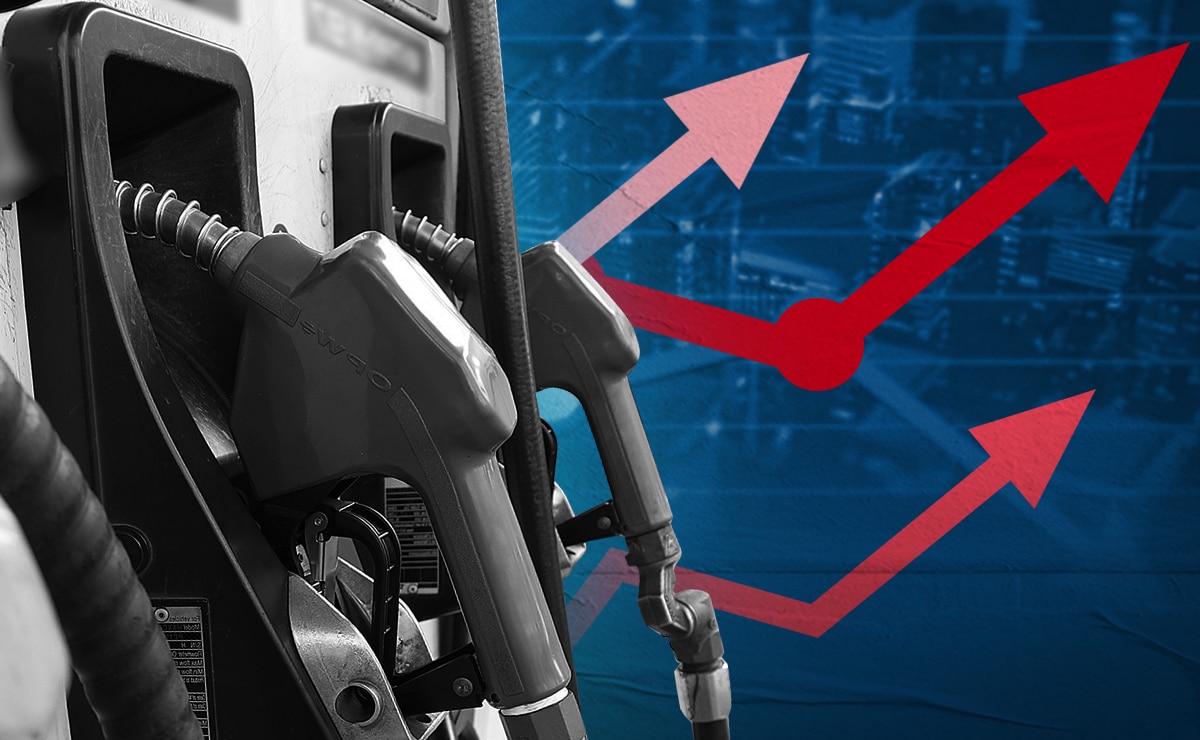
Recent inflation data showing consumer prices rising to 4.1 percent suggest that the economy may be entering another phase of rising prices. While this level is not yet alarming, the trajectory of inflation has become increasingly important because of developments in global energy markets.