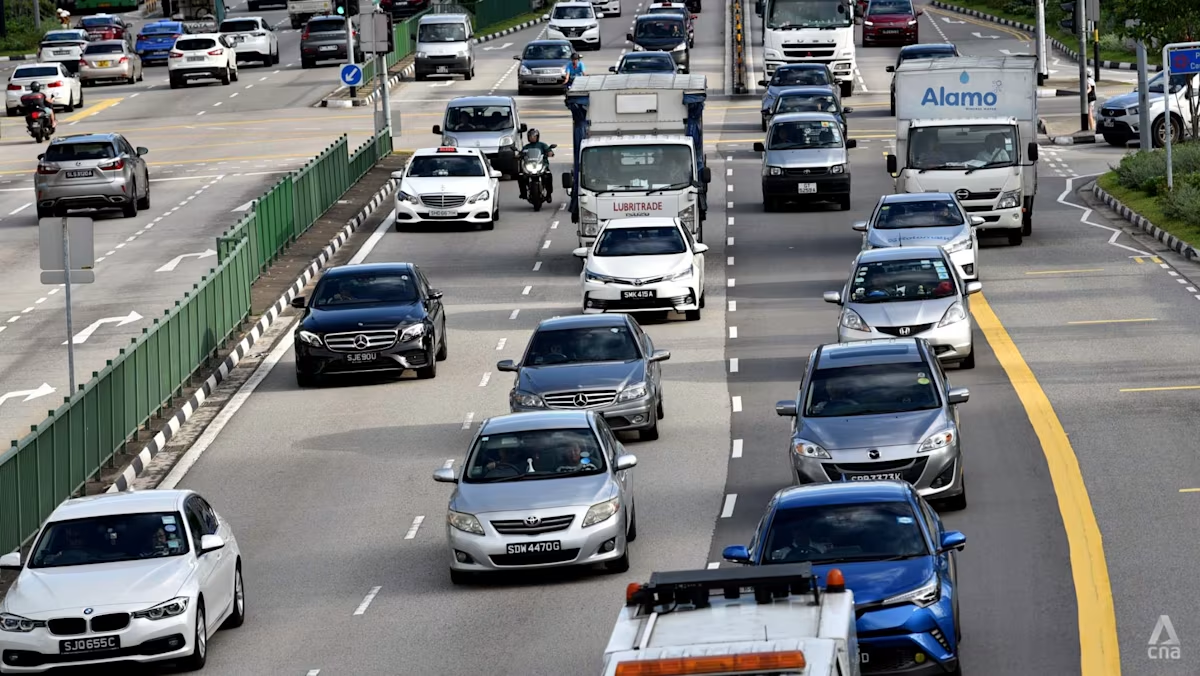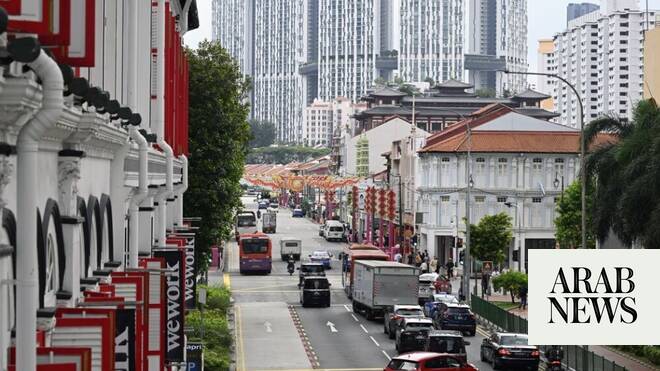
Mr Michael Liew, 52, spends a significant amount of time on the road, as the demands of his day require him to shuttle between school runs, work appointments and family errands.As a single father to a daughter sitting for the Primary School Leaving Examination this year, his mornings begin with driving her to school before he heads to work.He runs his own advertising agency and on some days, he drives all over the island to meet clients.Some weekdays, he takes a break from work in the early afternoon to pick up his daughter from school, have lunch with her and then fetch her to tuition classes, all within a tight window of time.His parents, who are both in their 80s and living with him, also depend on him. He ferries them around on errands such as grocery shopping.All of these demands mean that for Mr Liew, having a car is practically non-negotiable."If I were living alone, definitely, I could go car-lite or even go completely without a car – that wouldn't be an issue. But when I have dependents, it's very difficult," he said. For others, the draw of driving is less about necessity and more about comfort.Mr Jimmy Tang, 46, a technical specialist without similar caregiving responsibilities, said: "When I drive, I'm in my own environment, rain or shine. I can blast my own music, think out loud or even cry."He renewed his Certificate of Entitlement (COE) in April this year. The COE, part of the Vehicle Quota System managed by the authorities, lets a person own a car in Singapore for a period of 10 years. It was introduced to limit the number of vehicles on the road to control congestion and pollution. Recalling a period of time when he relied solely on public transport, Mr Tang described the experience as frustrating, pointing to crowded trains and service disruptions in the MRT network and the inconvenience of commuting in bad weather."I'd rather be in my own car than be squeezed like a pack of sardines," he said.These varied experiences reflect why Singapore can only do so much to push commuters to go car-lite. Efforts to curb car ownership date back decades. Since the 1970s, policies have been introduced to manage vehicle growth and road congestion, as incomes rose and demand for cars increased.The push took on renewed urgency in late 2014, when then Prime Minister Lee Hsien Loong announced a vision of a car-lite Singapore alongside the Sustainable Singapore Blueprint. The 15-year development plan emphasised reducing reliance on private transport.
After 12 years of pushing for 'car-lite' Singapore, desire for car ownership remains high. What gives?
From caregiving needs to everyday convenience, real-world constraints make it difficult for some people to move away from driving cars. Transport experts say that such needs are not easily addressed through public policy.
3,725 words~17 min read