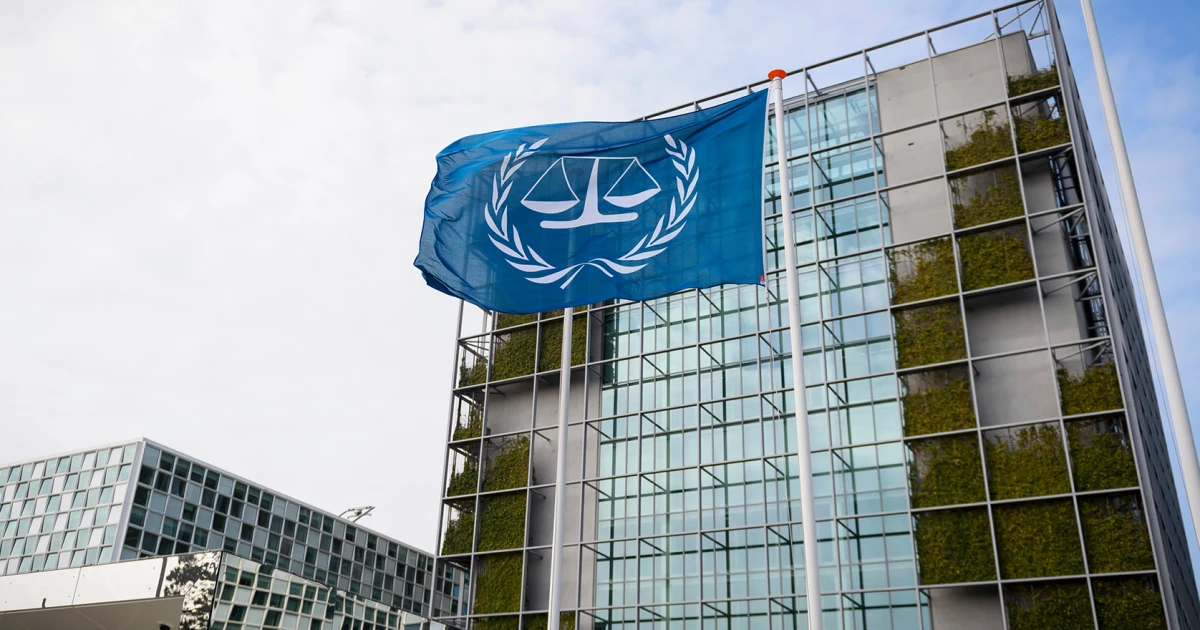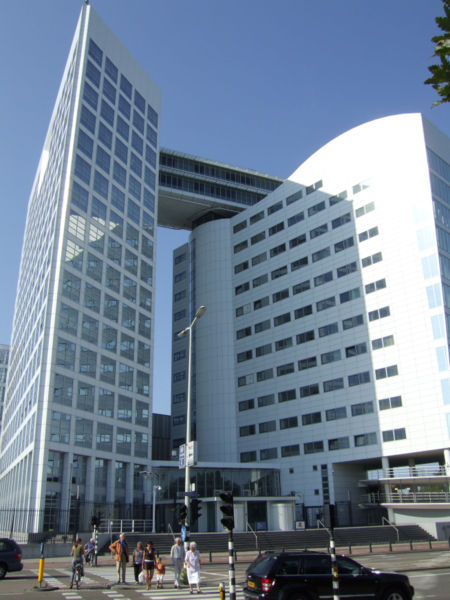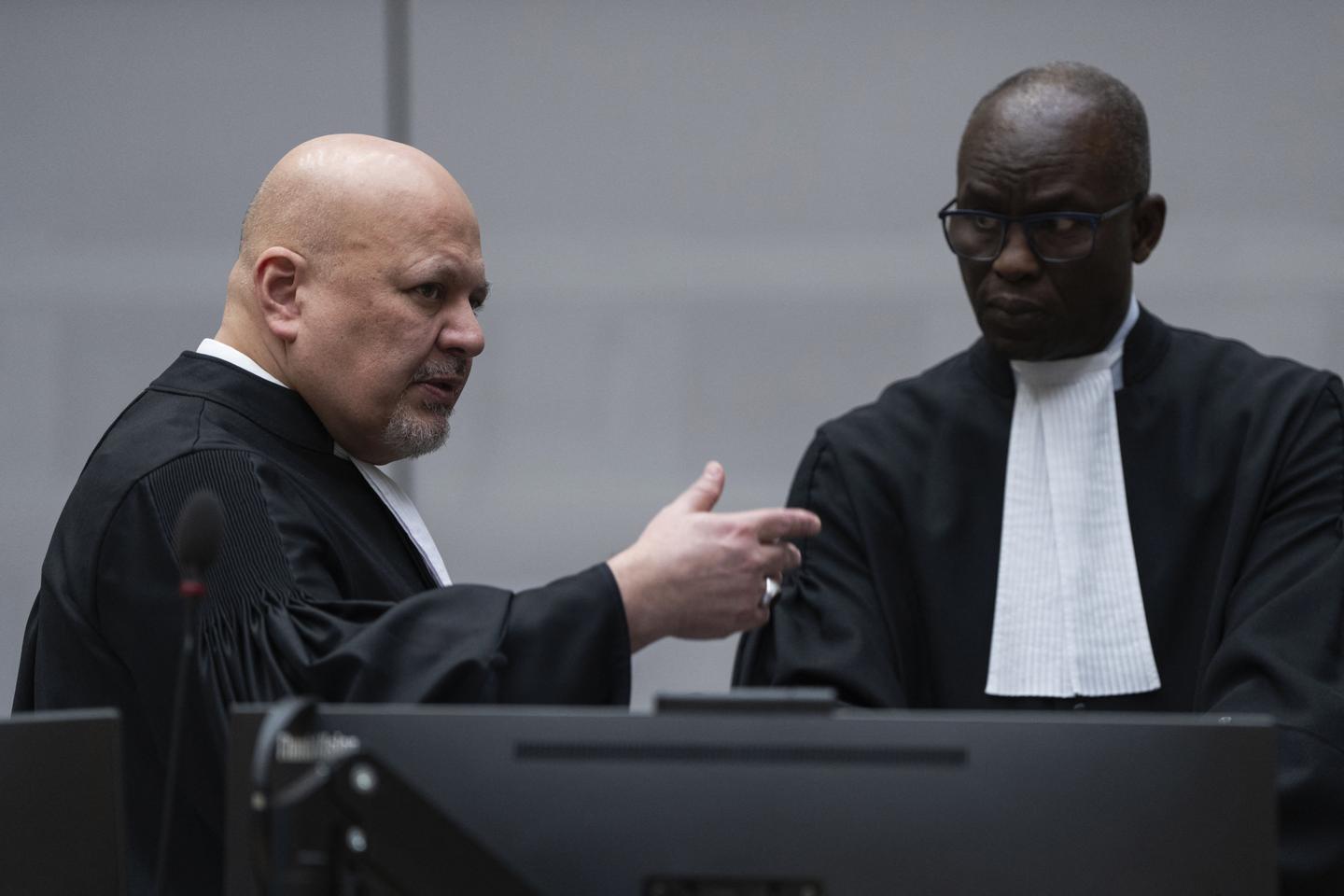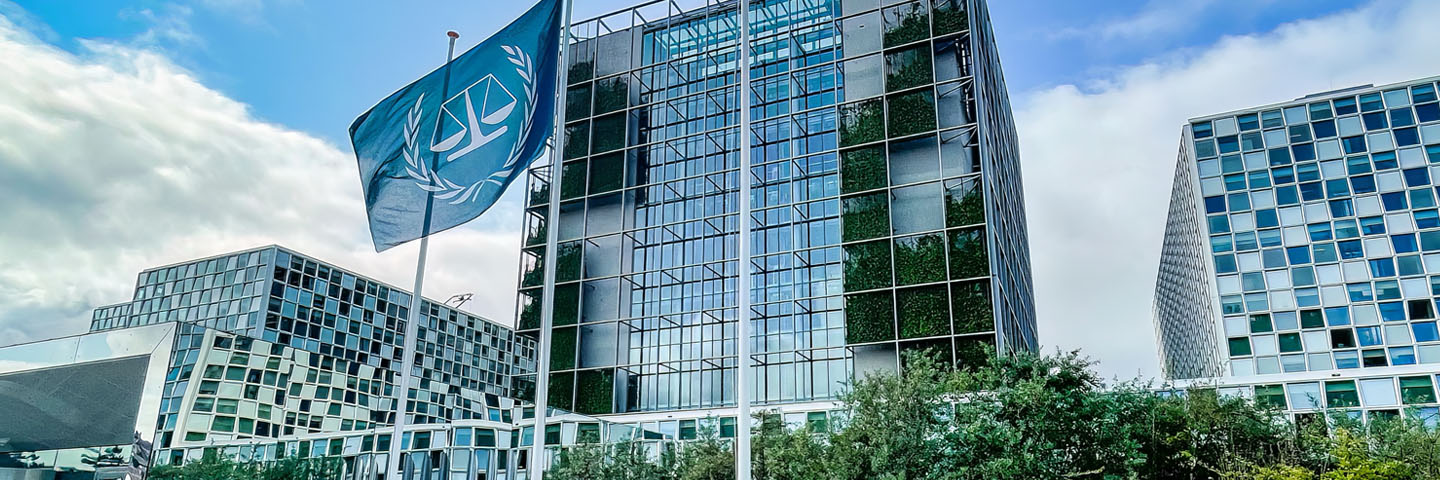
The International Criminal Court (ICC) is a permanent judicial institution established in 2002 with the purpose of ensuring accountability for serious crimes. It has the authority to prosecute individuals for war crimes, crimes against humanity, genocide, and the crime of aggression committed in member states or by their nationals.
The ICC is recognized as the world’s first treaty-based permanent international criminal court. Its founding document, the Rome Statute, was adopted by 120 states in 1998.
The Republic of the Philippines ratified the Rome Statute in 2011, but later withdrew its membership in 2018 upon the orders of then-president Rodrigo Duterte who, at the time, was already the subject of an ICC investigation into extrajudicial killings he allegedly ordered when he was mayor of Davao City and scaled up nationwide when he became president.
Human rights advocates and Duterte’s critics saw the withdrawal as his attempt to evade accountability for the thousands of killings that occurred during his administration’s anti-drug campaign. Still, the ICC retains jurisdiction over alleged crimes that occurred in the Philippines while it was a State Party from November 1, 2011, to March 16, 2019.