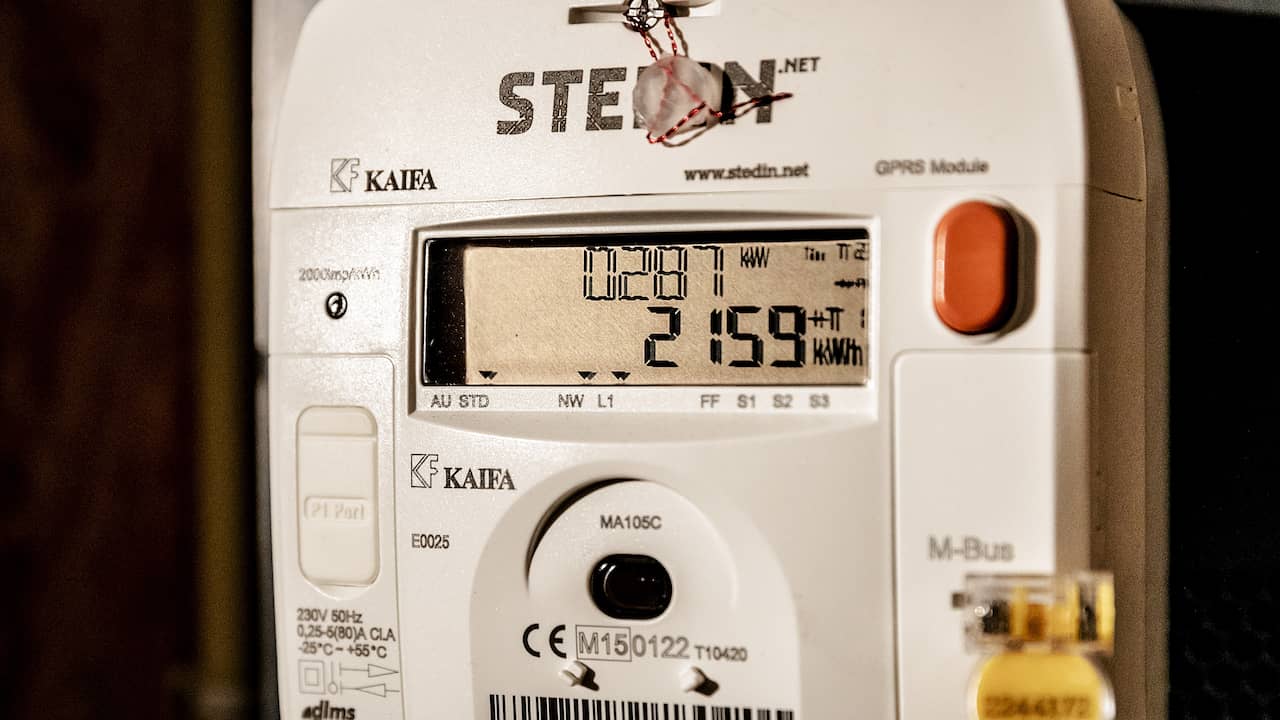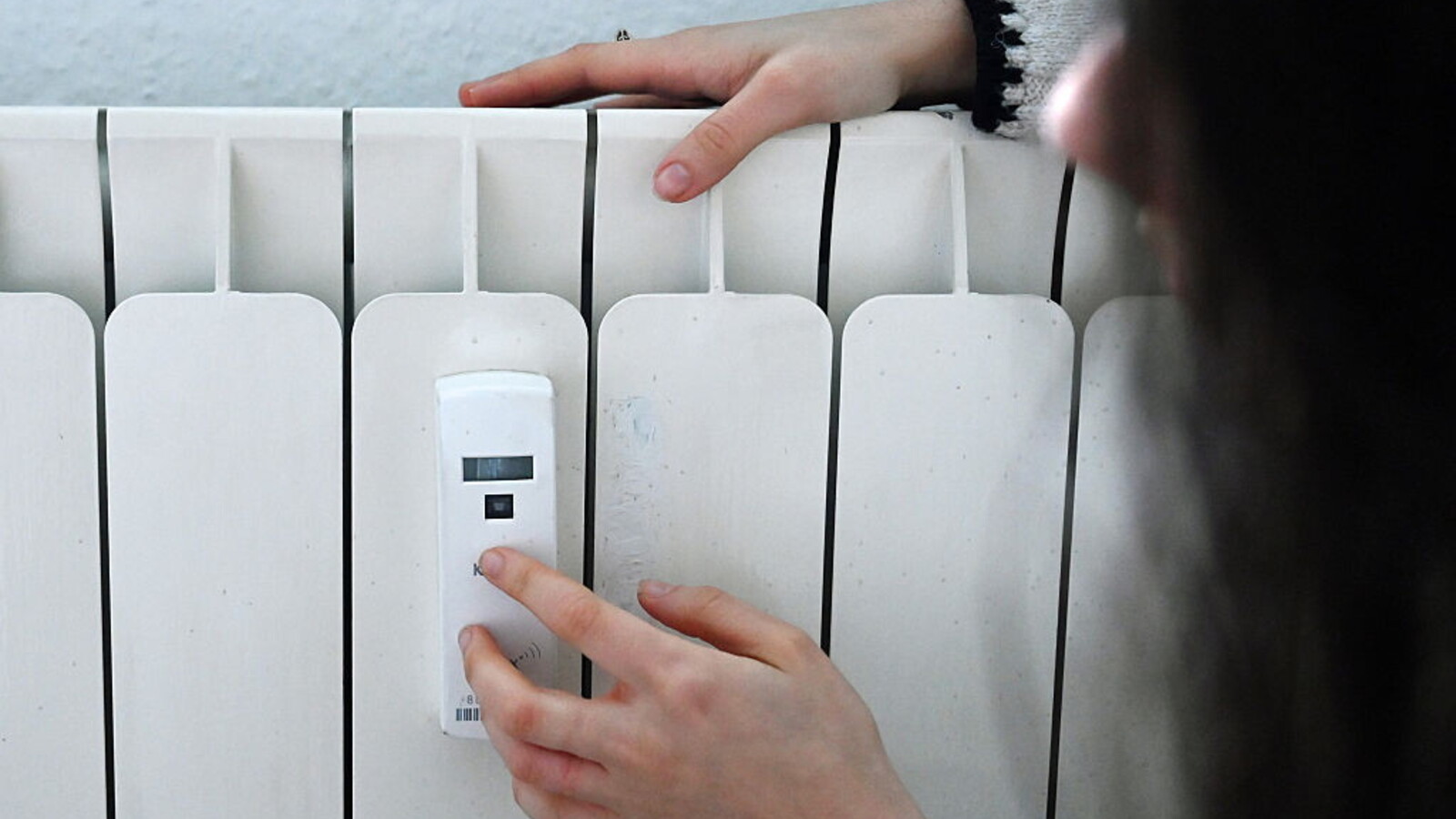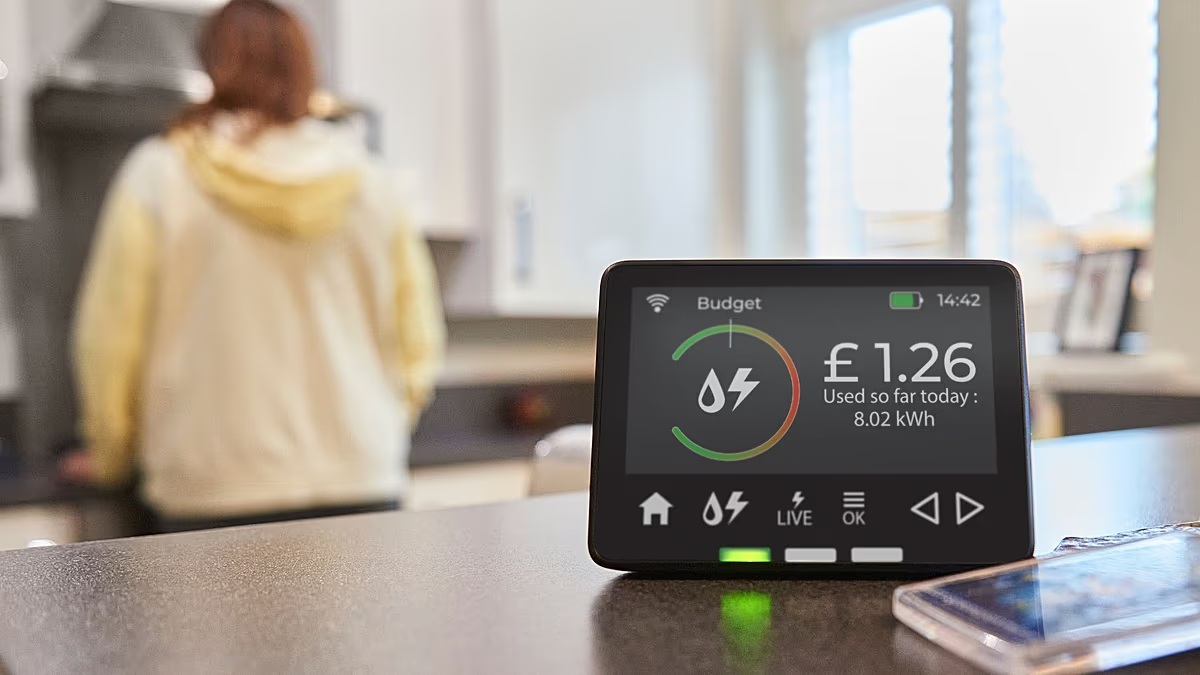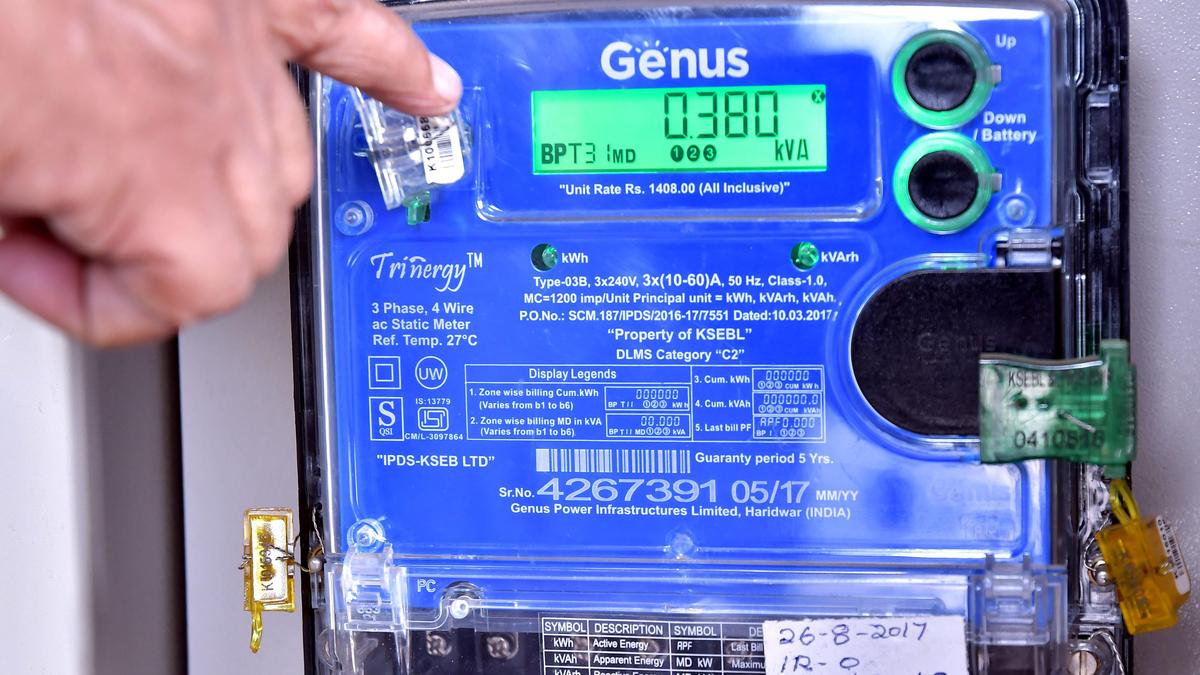
Across Europe, millions of heat and hot-water metres accurately measure consumption every day. Many have been in the field for a decade or more, performing their metrological function with high reliability. By 2027, a significant portion of this infrastructure will fail to meet a new regulatory requirement. Not because the sensing is wrong, but because the telemetry is missing.
The EU Energy Efficiency Directive (EED) mandates that heat and hot-water metres in existing buildings must support remote reading by 2027, with monthly consumption reporting to residents wherever remote infrastructure is in place. For engineering and operations teams, the challenge is choosing the most resilient path to compliance.
In most real-world deployments, that path is not mass hardware replacement. It is a retrofit of the communication layer, adding transmission capability to metres that already measure correctly. The distinction is technical and consequential.
The EED's requirement is specific: remotely readable data. Any metre that cannot provide it must either be replaced or retrofitted to do so. For the large share of existing installations that already measure accurately, retrofitting the communication layer is sufficient for compliance. This allows for a clean architectural separation between the physical metre and the communication layer, a distinction with significant implications for compliance costs and infrastructure longevity.