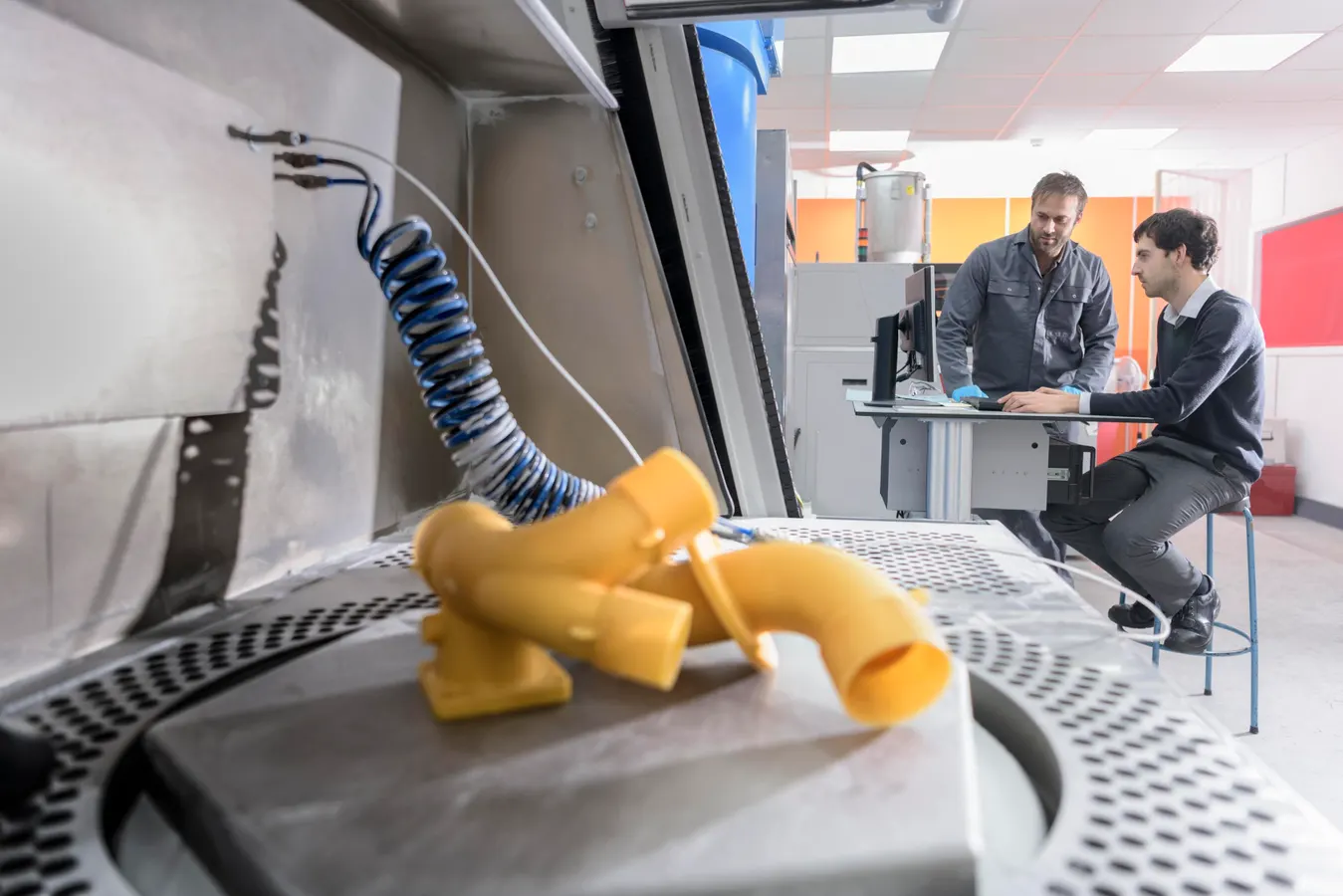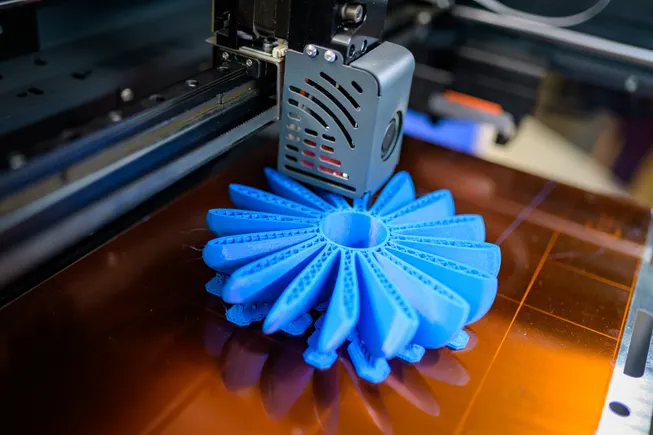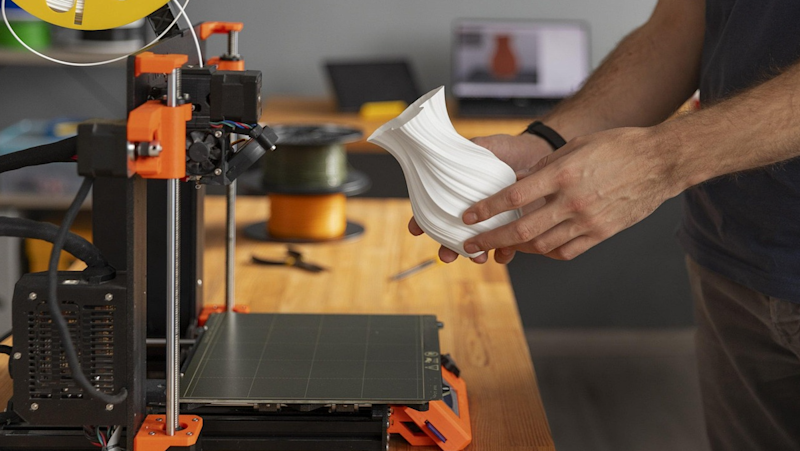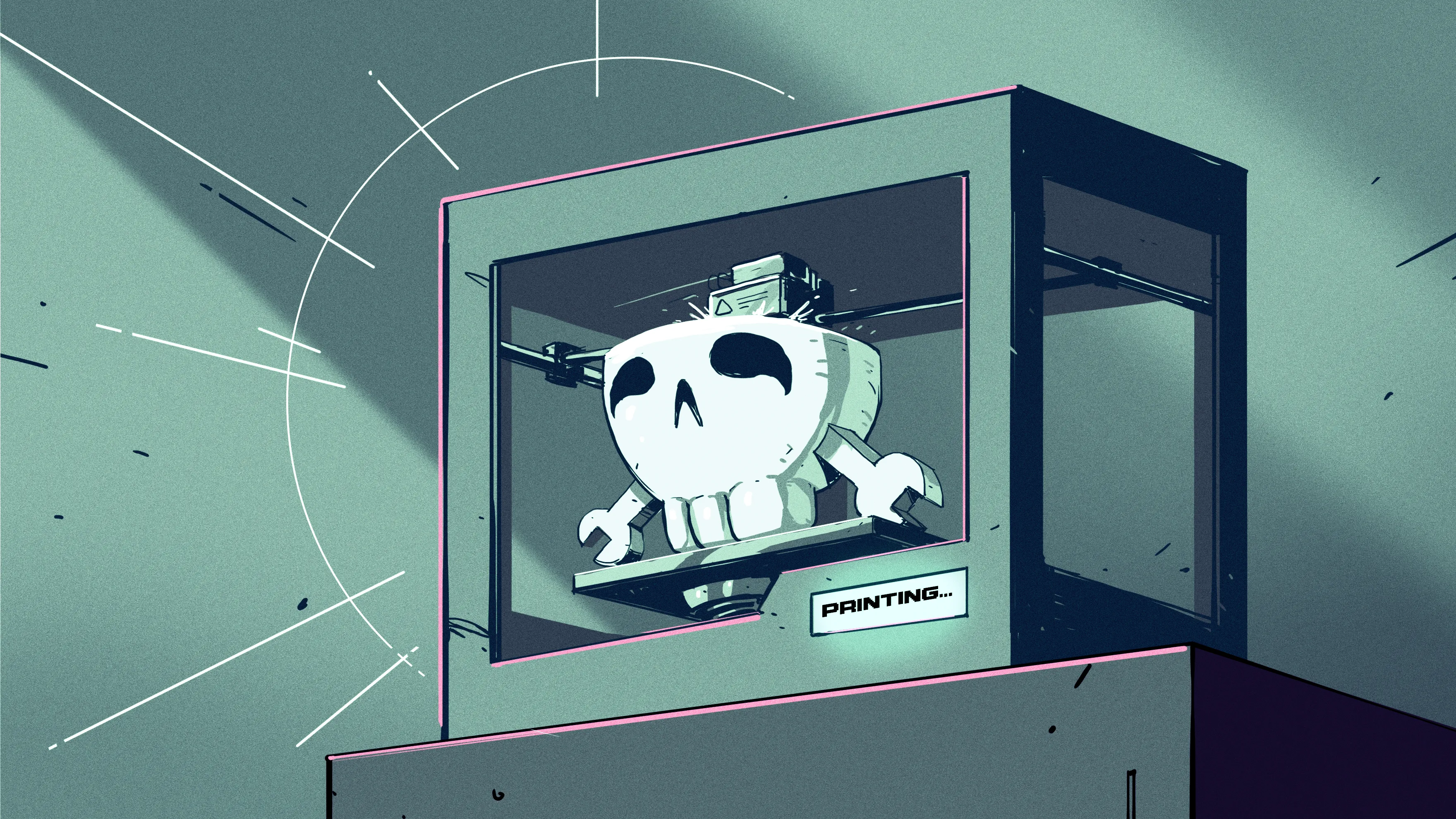
Most people think of additive manufacturing — better known as 3D printing — as small plastic prototypes or desktop machines producing objects you can hold in your hand.
Since emerging in the 1980s, the technology has steadily evolved from a rapid prototyping tool into a serious industrial process used across aerospace, automotive, healthcare, and defence.
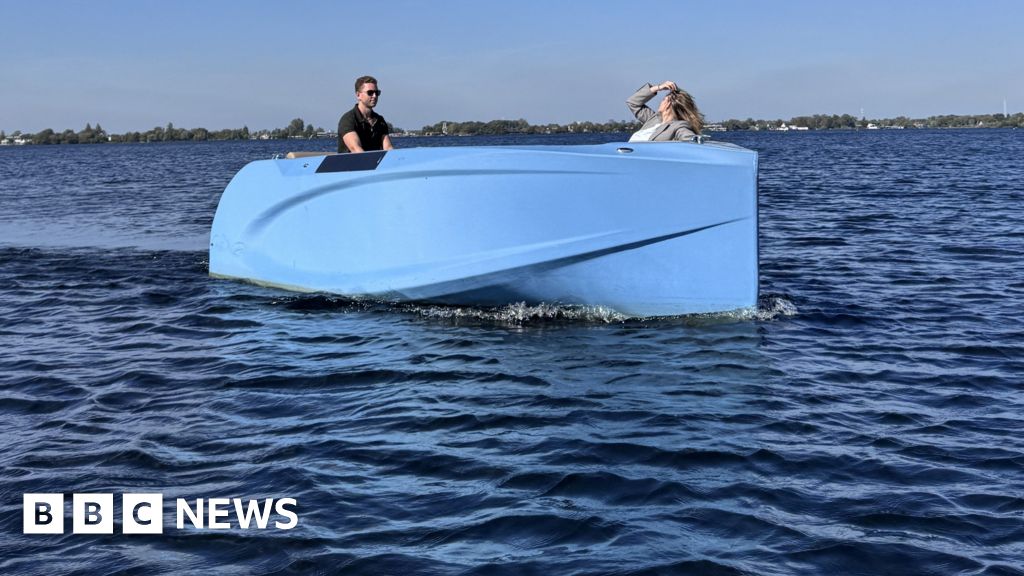
But scaling additive manufacturing to produce very large industrial components has remained far more difficult. Industries such as aviation, maritime, and energy still rely heavily on expensive molds, long production cycles, and highly centralised supply chains to produce metre-scale components using methods that are costly, labour-intensive, and generate significant material waste.
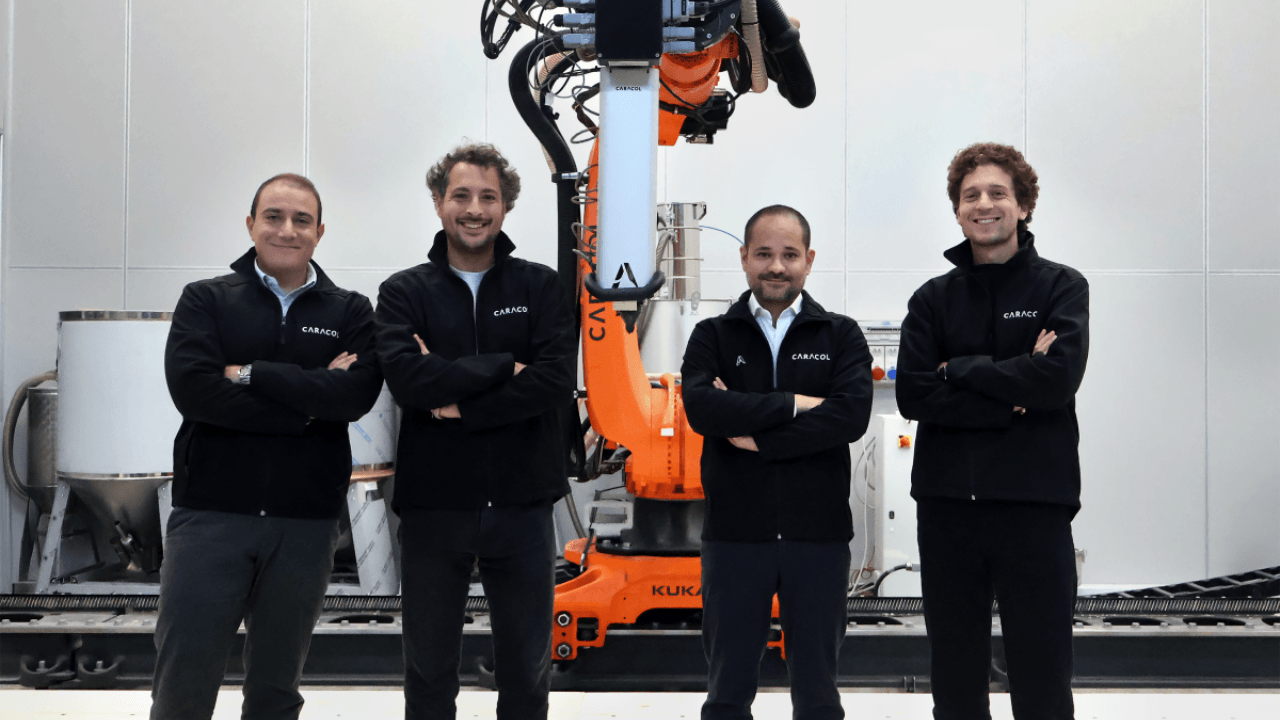
According to Francesco De Stefano, additive manufacturing largely accepted the physical “box” of the printer as a limitation until around 2015. There was still a lot of work needed inside that box to industrialise the technology.”
But what if you broke the box entirely?