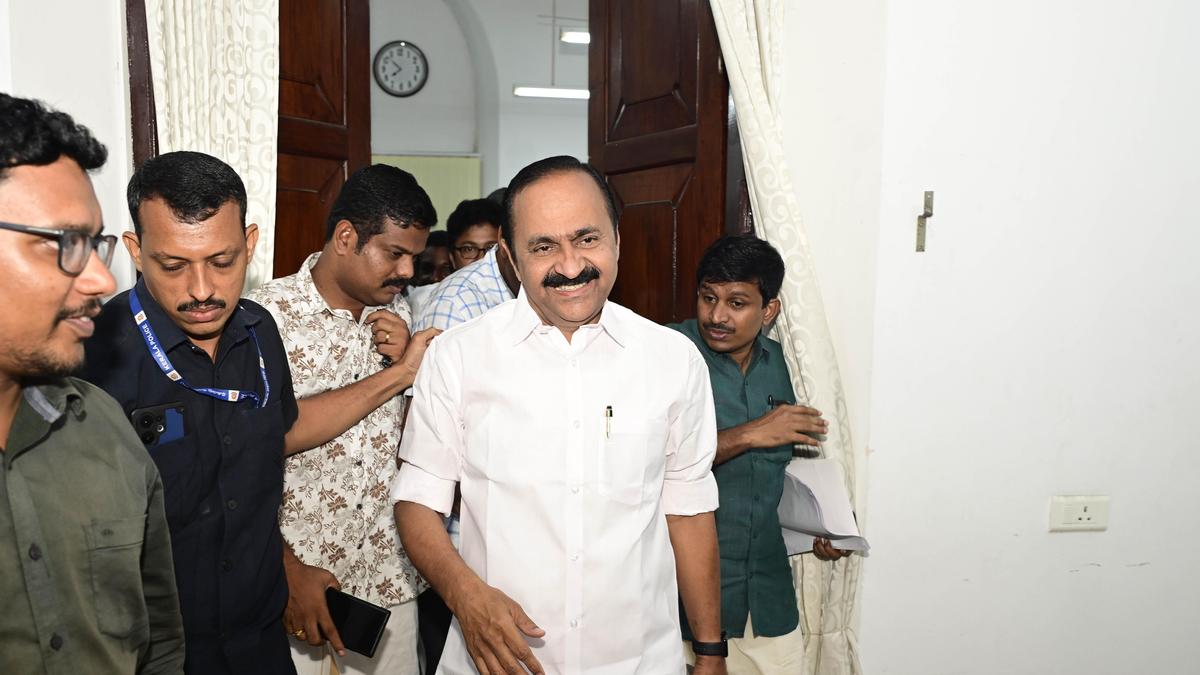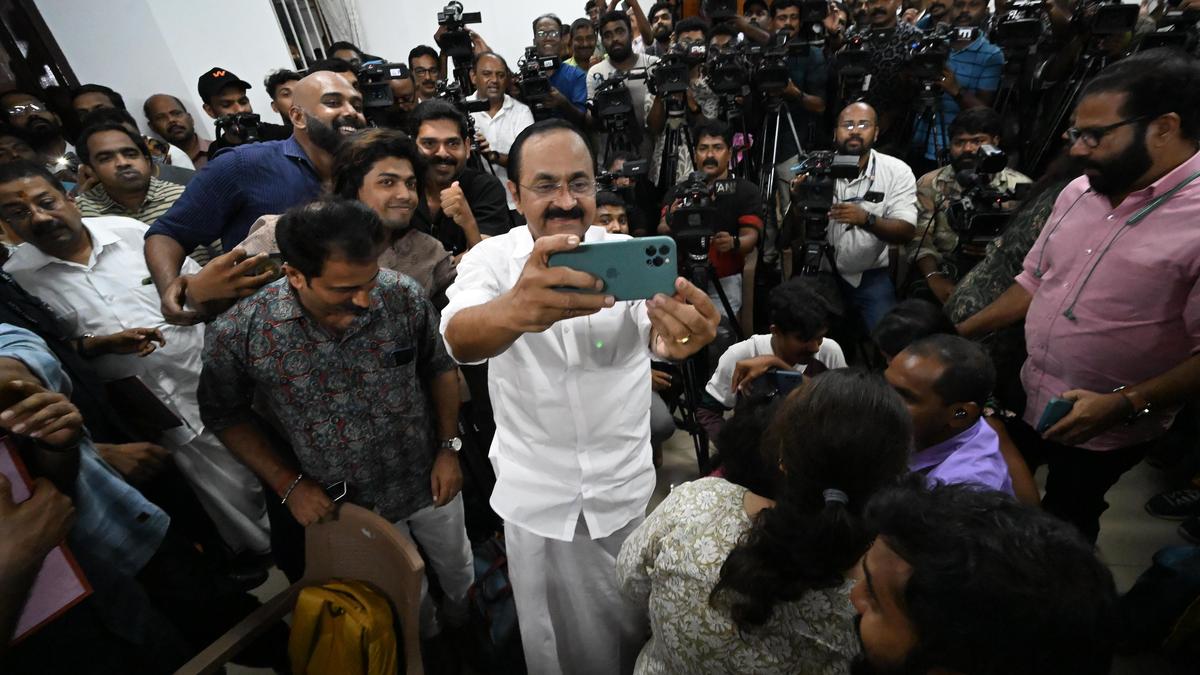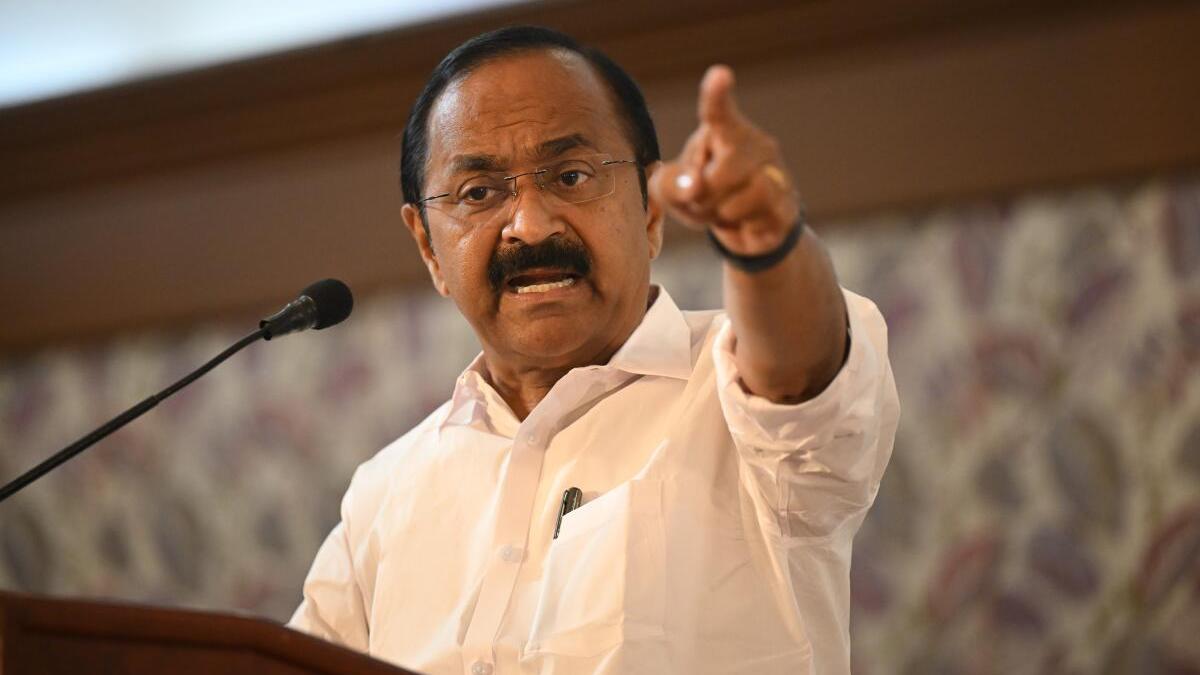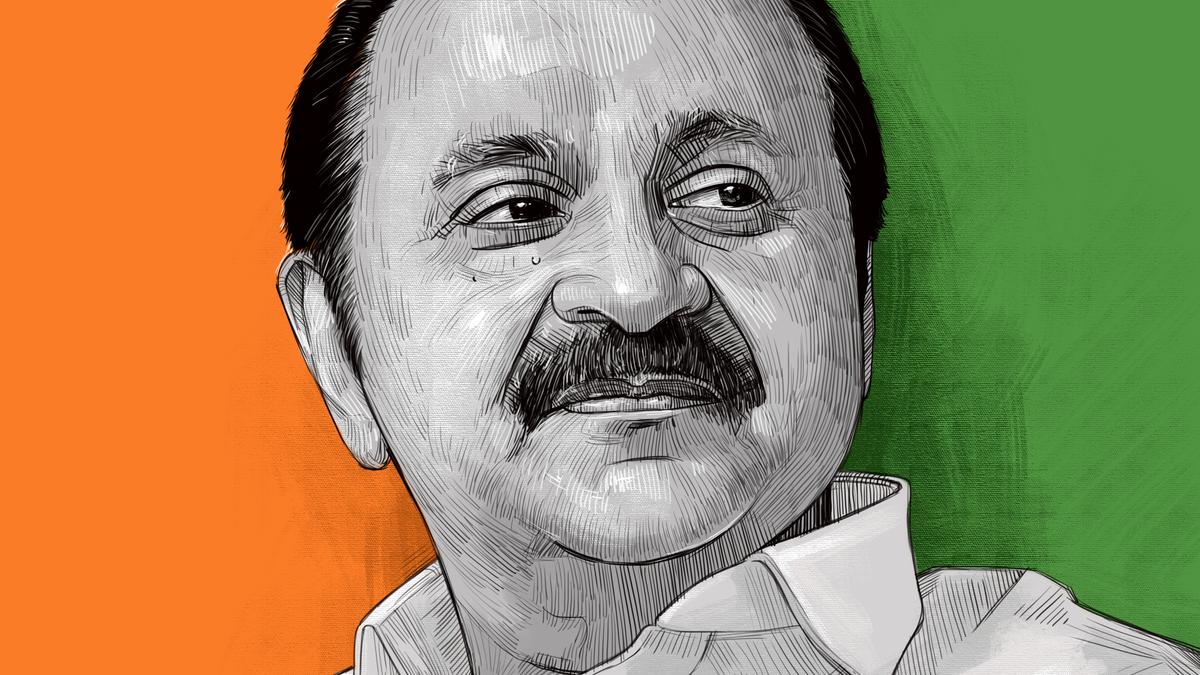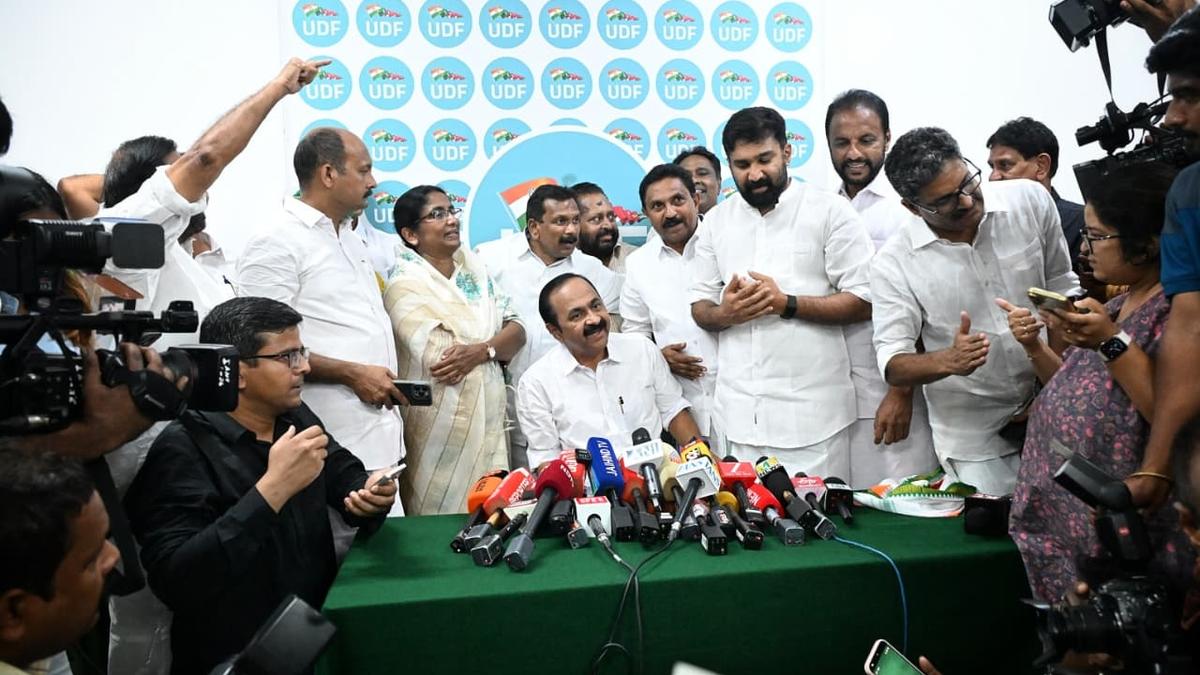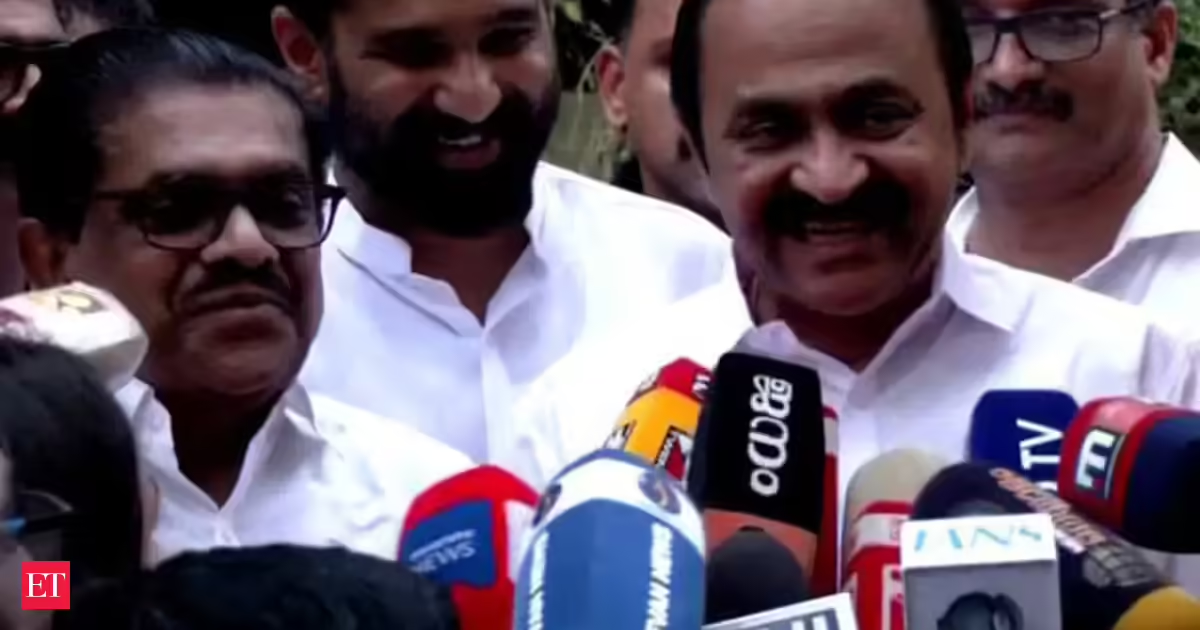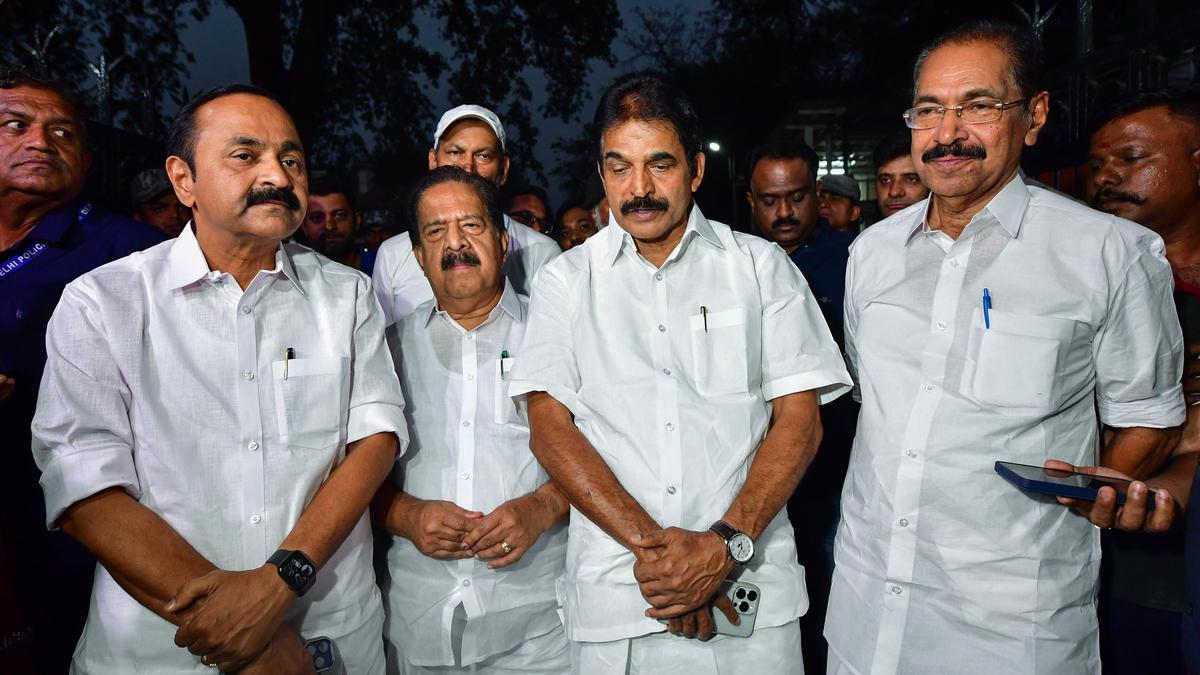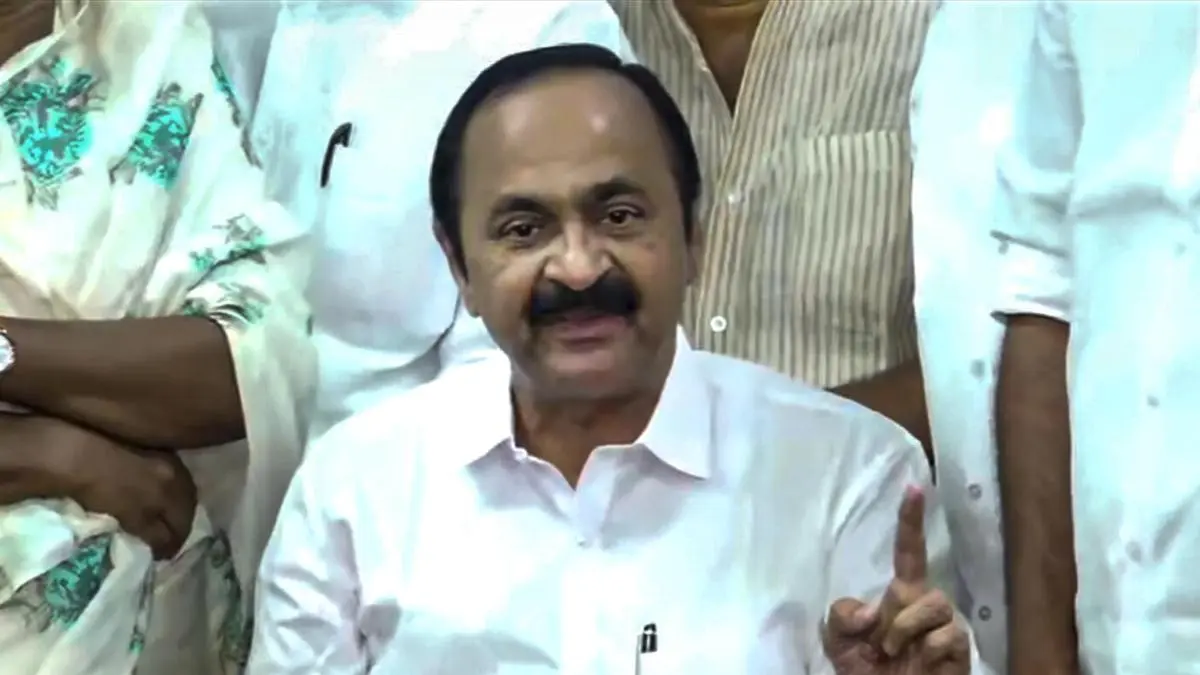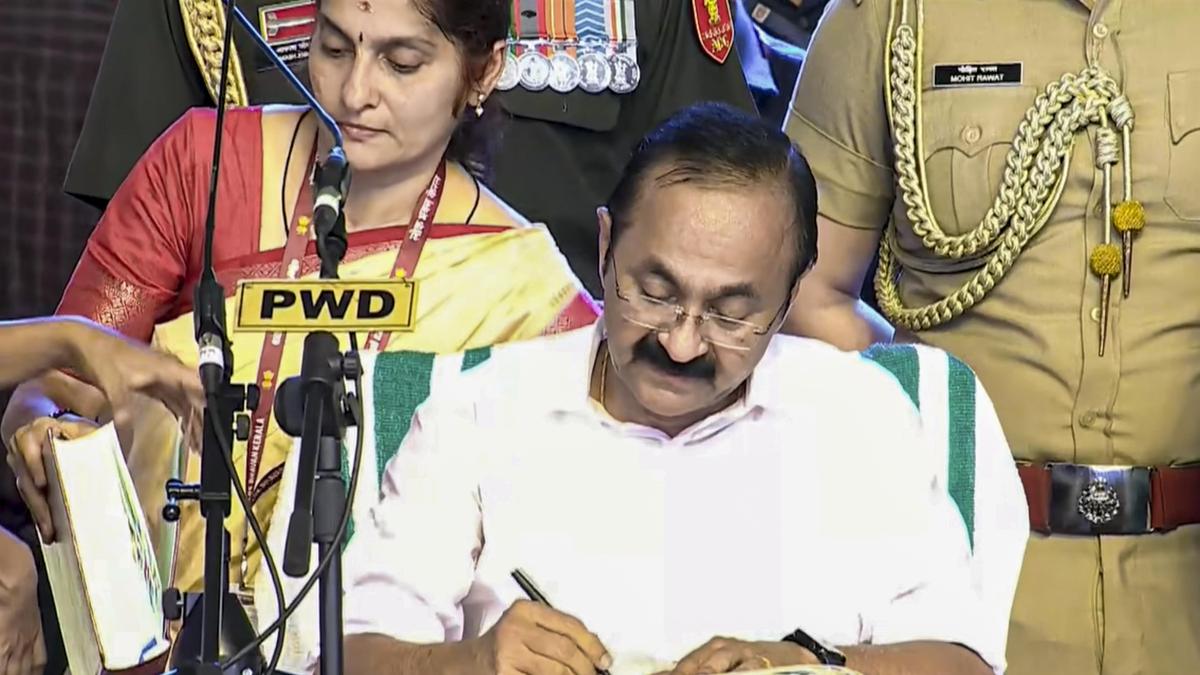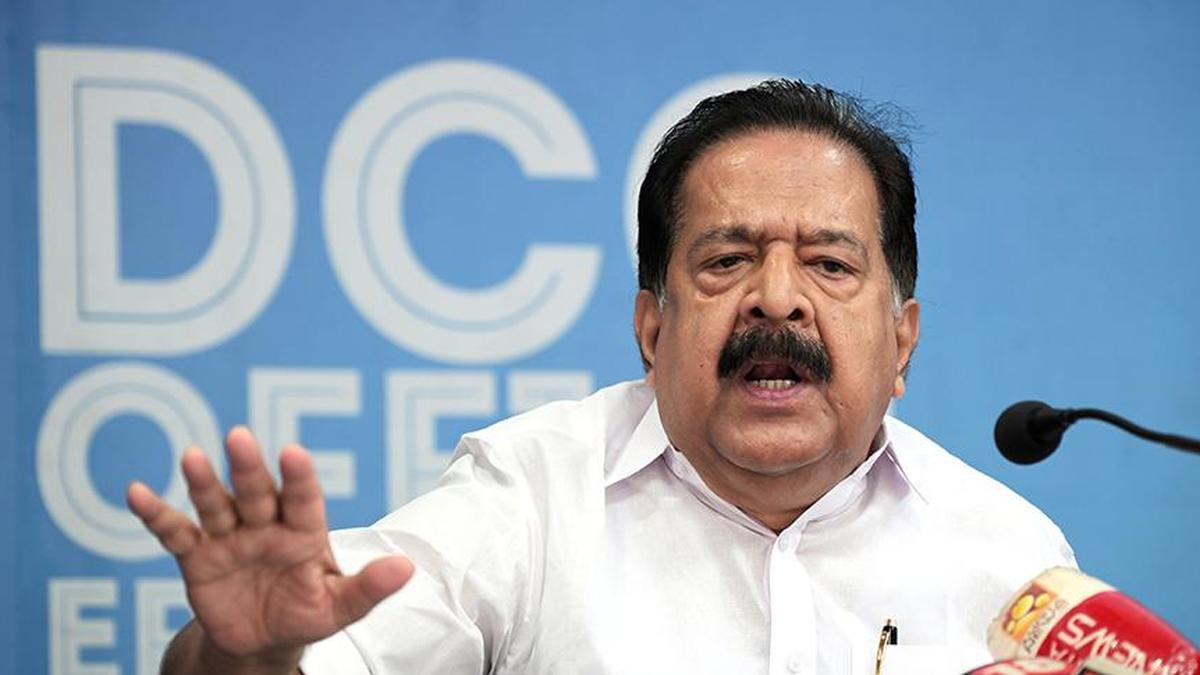
Vadassery Damodaran Satheesan, better known as VD Satheesan, was inducted into the Congress party through its student wing, the Kerala Students Union (KSU), in the early 1980s.Tell Me Why 14th May MINTSoon, Satheesan’s oratory skills were on display on the campus. Next, his leadership skills came to the forefront during his time as the three-time union councillor at MG University in Kottayam. Despite his popularity, the young leader was overlooked for key posts in the KSU and youth Congress.A decade later, in 1996, Satheesan got the nod from the Congress leadership to contest the Paravur assembly seat, a Communist stronghold, not far from his birthplace of Nettoor in Ernakulam district.Though Satheesan lost the election in the Left Democratic Front (LDF) wave, which swept the state — the margin was a thin 1,116 votes — it was the beginning of a long political innings for him. For the next five years, he set up camp in Paravur and determinedly focused on repairing organisational weaknesses. The hard work paid off five years later, in 2001, when he won from the same constituency, defeating the sitting Left MLA by over 7,000 votes.In 2011, when the United Democratic Front (UDF) under Congress leader Oommen Chandy came to power with a razor-thin majority, Satheesan, by then a three-time MLA and a polished speaker in the Assembly, was widely tipped to get a cabinet berth. But that was not to be.“When we were in the opposition (from 2006-11), I sat in the second row, right behind Chandy. I was like a soldier on war front. But when the UDF came to power, I was told to sit on the last row. Maybe someone decided that I can only sit on the last row. I was initially sad, but I brushed it aside. I decided that even if I have to sit in the last row, I will speak my mind,” Satheesan had said in a 2013 interview.But nearly a decade and a half later, on Thursday, when the Congress leadership named Satheesan its chief minister in Kerala after he led the UDF coalition to a resounding win with 102 out of 140 seats, the 61–year-old six-time MLA will perhaps finally believe that his loyalty to the party and his brand of politics have finally borne fruit.In the run-up to the election campaign, Satheesan was perceived by many to be the “natural choice” for the chief minister’s post if the UDF won. After all, in 2021, when he was named the leader of the opposition, the CPI(M)-led LDF had returned to power with 99 out of 140 seats, with the morale of the Congress rank-and-file plummeting.The Congress stood waist-deep in political quicksand – on one side, the LDF had made inroads into its traditional Christian and Muslim vote banks and on the other, the Bharatiya Janata Party (BJP) was gaining influence among its core Hindu Nair base. Satheesan and his team had to work hard and fast.He set out to mend fences with existing allies and worked on bringing new parties and social groups into the UDF fold. In an interview with HT in March this year, Satheesan spoke of how he wanted the UDF to become more than a confederation of parties.“I wanted it to be a broader political platform with influencers, opinion-makers and even fellow travellers of the Left. While the current LDF is on the extreme right of the political spectrum, we are the Nehruvian Left. Those who backed the LDF from an ideological stand-point are no longer with them, they are with us,” he said.For Satheesan, the leader of opposition post allowed him to further refine his oratorical skills and master the art of using data and figures to puncture government claims from years of sitting on the opposition legislative benches. Between 2006-11, Satheesan had moved a record 33 adjournment motions on various subjects while being in the opposition.Satheesan stood out from his party colleagues for taking a firm, uncompromising stand on those making hateful, communal speeches.When Vellappally Natesan, a key leader of a Hindu Ezhava outfit, said that Ezhavas weren’t able to breathe freely in Malappuram, a district with a majority Muslim population, Satheesan hit hard against him. When Natesan targeted the UDF politically, Satheesan made a promise that he would “take political exile” if he could not bring the UDF to power. Satheesan had the last laugh.Along with targeting the LDF government on ideological and policy-related issues, Satheesan focused on fixing the cracks in the Congress armour, particularly at the grassroots level, to turn the party into an election-winning machine. He re-established ties with Christian and Muslim community leaders, quietly aware that the party’s chances of victory in 2026 rested firmly on the support of the minorities.The efforts paid off. Out of five bypolls between 2021 and 2026, the UDF won four, including wresting a sitting LDF seat. In the 2024 Lok Sabha elections, the UDF won 18 of the state’s 20 parliamentary seats, losing just one from its 2019 tally. It was followed by the UDF sweeping a majority of the three-tier rural and urban local bodies in Kerala in December last year – it’s best result in panchayat polls since 2010. And so, after the assembly polls, when the All-India Congress Committee (AICC) leadership began its consultations on who should become the next CM – a process that ultimately stretched over 10 days – many in Kerala wondered why the party was taking so long. Hundreds of party workers and activists came out on the roads with banners that read Pada nayichavan nayikatte (Let the one who led the battle govern).But many forgot that Satheesan has always had hurdles in front of him and has had to fight for rewards — this time, it was KC Venugopal and Ramesh Chennithala, senior leaders who staked claim for the top post. At one point, it looked like Venugopal, who was reportedly backed by a majority of the MLAs, would covet the top post.Eventually, the Congress chose ‘jana vikaram’ (public sentiment) for Satheesan over legislative support.
Student leader to state head: Rise of VD Satheesan
Satheesan stood out from his party colleagues for taking a firm, uncompromising stand on those making hateful, communal speeches. | India News
1,004 words~5 min read