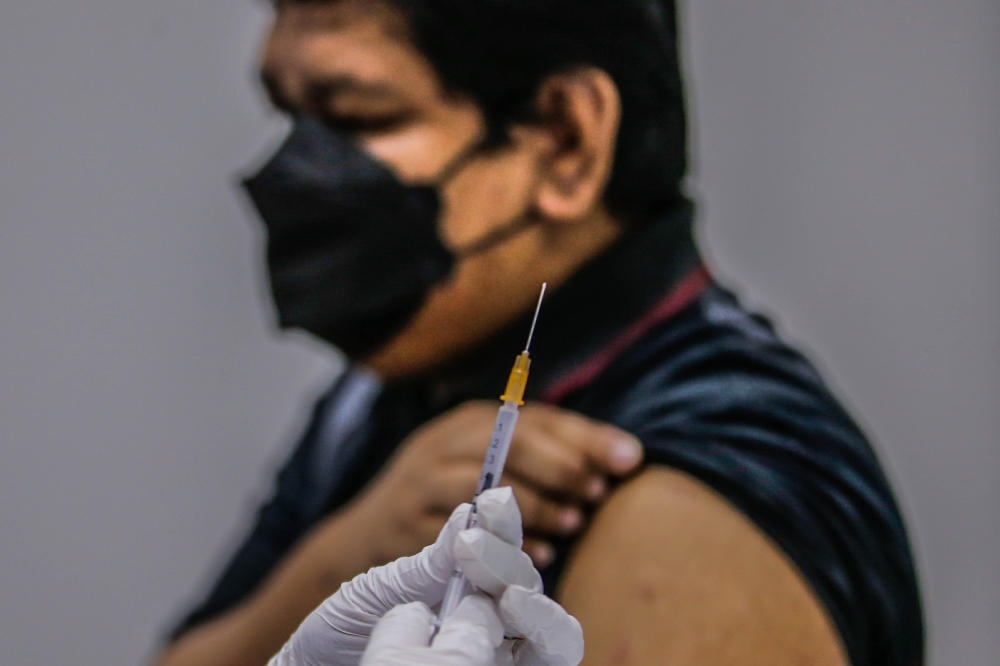
Covid-19 outbreak (Image credit: PTI)A new report by the World Health Organisation on ‘COVID-19 pandemic related excess mortality’ has revealed that for every officially reported COVID-19 death, there were nearly two additional excess deaths associated with the pandemic.The findings highlighted that excess mortality includes not only deaths directly caused by the virus but also fatalities resulting from overwhelmed healthcare systems, delayed treatments, economic stress and other pandemic-related disruptions. Watch 'CIA With Chinese Buried COVID Truth': Whistleblower Drops 'LAB LEAK' Bombshell In SenateIn a post on X, the WHO wrote, “The COVID-19 pandemic was linked to an estimated 22.1 million excess deaths from all causes globally between 2020 and 2023, more than three times the 7 million reported COVID-19 deaths.”WHO, in its report, defined excess mortality as the number of deaths above what would normally be expected based on historical trends. It described it as one of the most important indicators for understanding the true impact of crises such as the COVID-19 pandemic.Excess deaths peaked in 2021The report found that global excess deaths peaked in 2021 at an estimated 10.4 million, driven largely by the spread of more severe coronavirus variants such as Delta and mounting pressure on healthcare infrastructure worldwide.Compared with expected levels, global deaths were 6.2% higher in 2020 and peaked at 17.9% higher in 2021, as per WHO.Men accounted for higher share of excess deathsWHO also noted significant differences in mortality patterns across sex and age groups. Of the estimated global excess deaths recorded between 2020 and 2023, around 57% occurred among men, compared to 43% among women.The report said men consistently experienced higher mortality rates throughout the pandemic in both crude and age-standardised measures.It stated several factors which may have contributed including biological differences in immune response, higher prevalence of underlying health conditions, occupational exposure risks, behavioural factors and differences in healthcare-seeking behaviour.
Covid 19 Deaths: WHO Reports 22.1 Million Excess Deaths Linked to COVID-19 Pandemic | World News - The Times of India
Rest of World News: A new WHO report reveals an estimated 22.1 million excess deaths globally during the COVID-19 pandemic, highlighting the broader impact beyond just reported cases. The report discusses factors contributing to excess mortality and differences in rates between men and women.
306 words~1 min read