NEW DELHI: You can choose your friends, but not your neighbours.
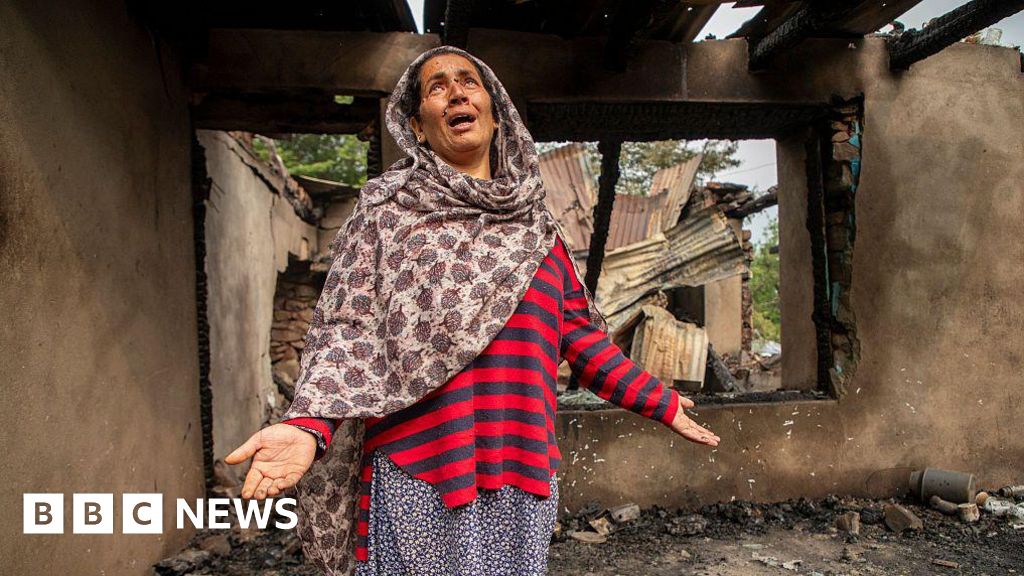
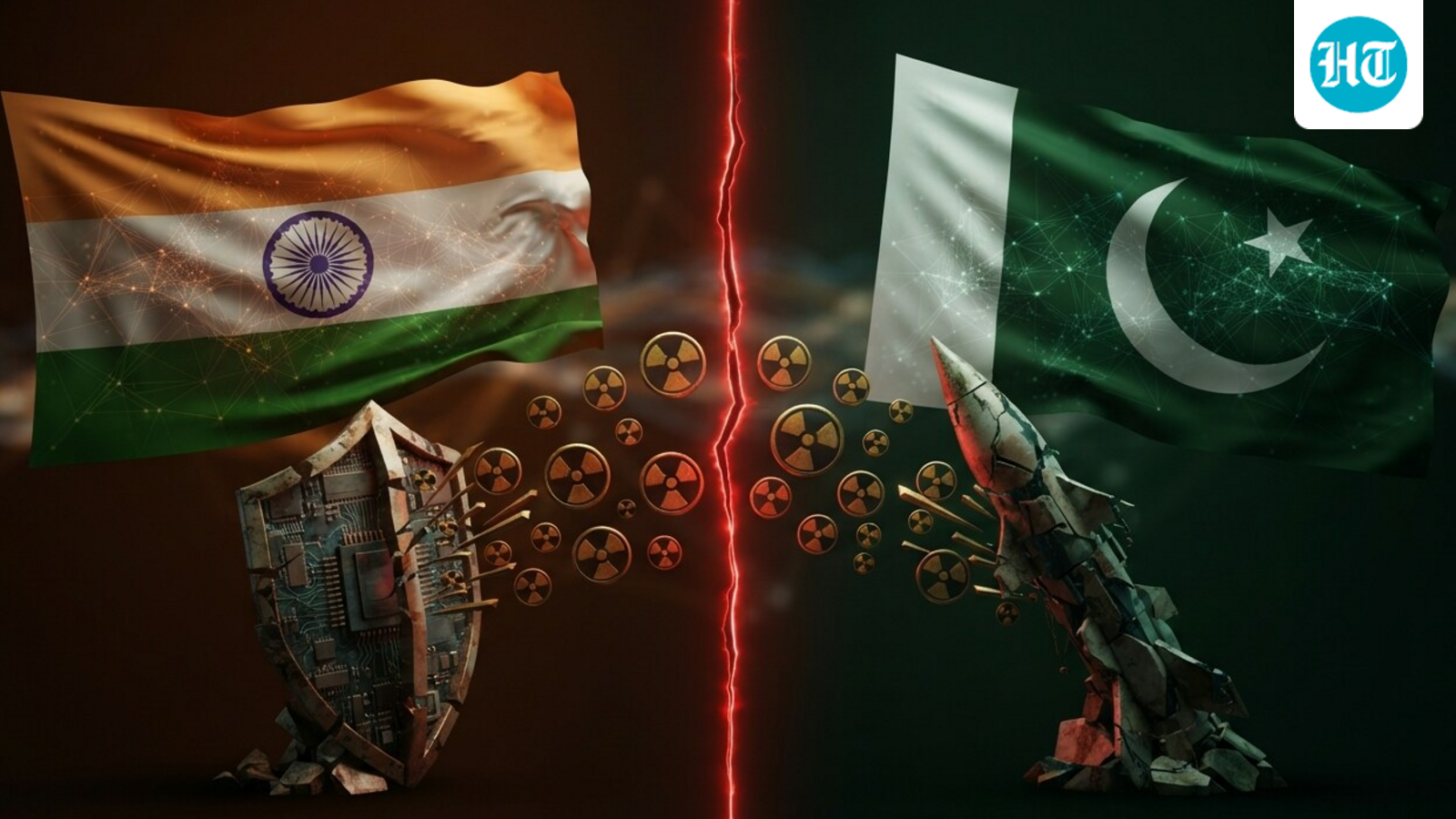
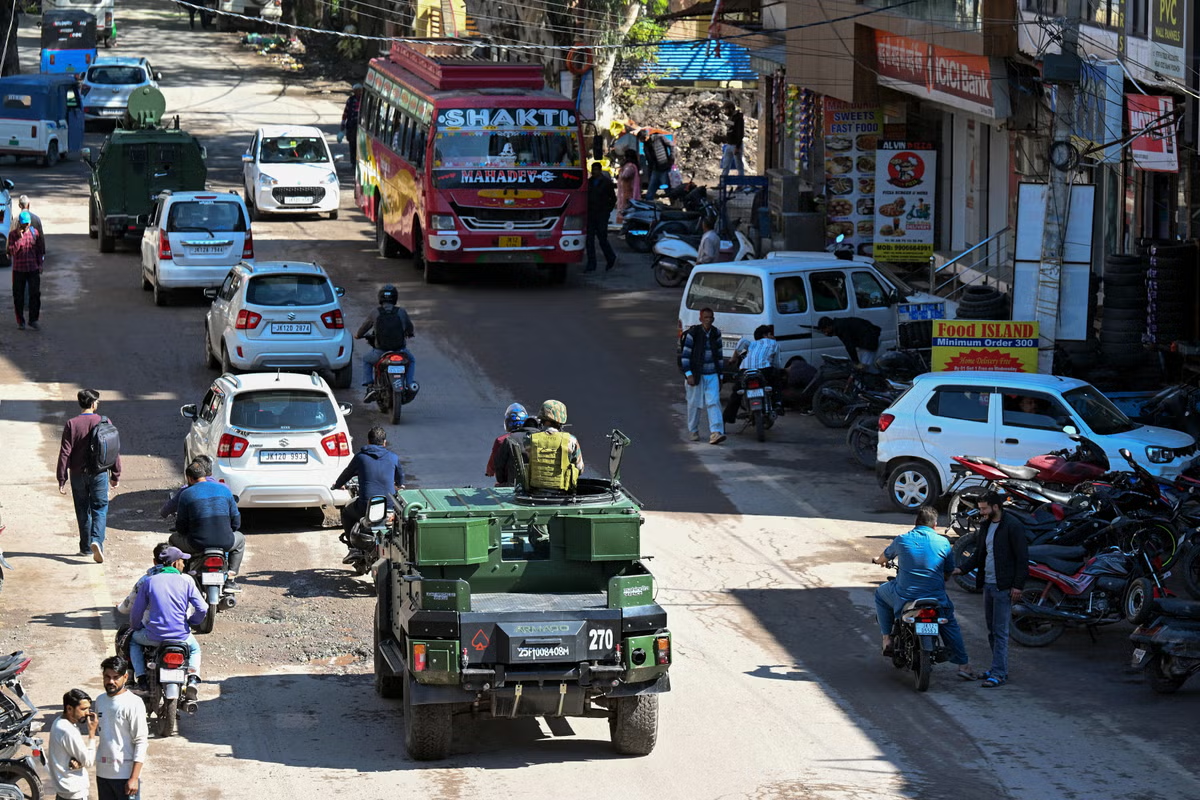
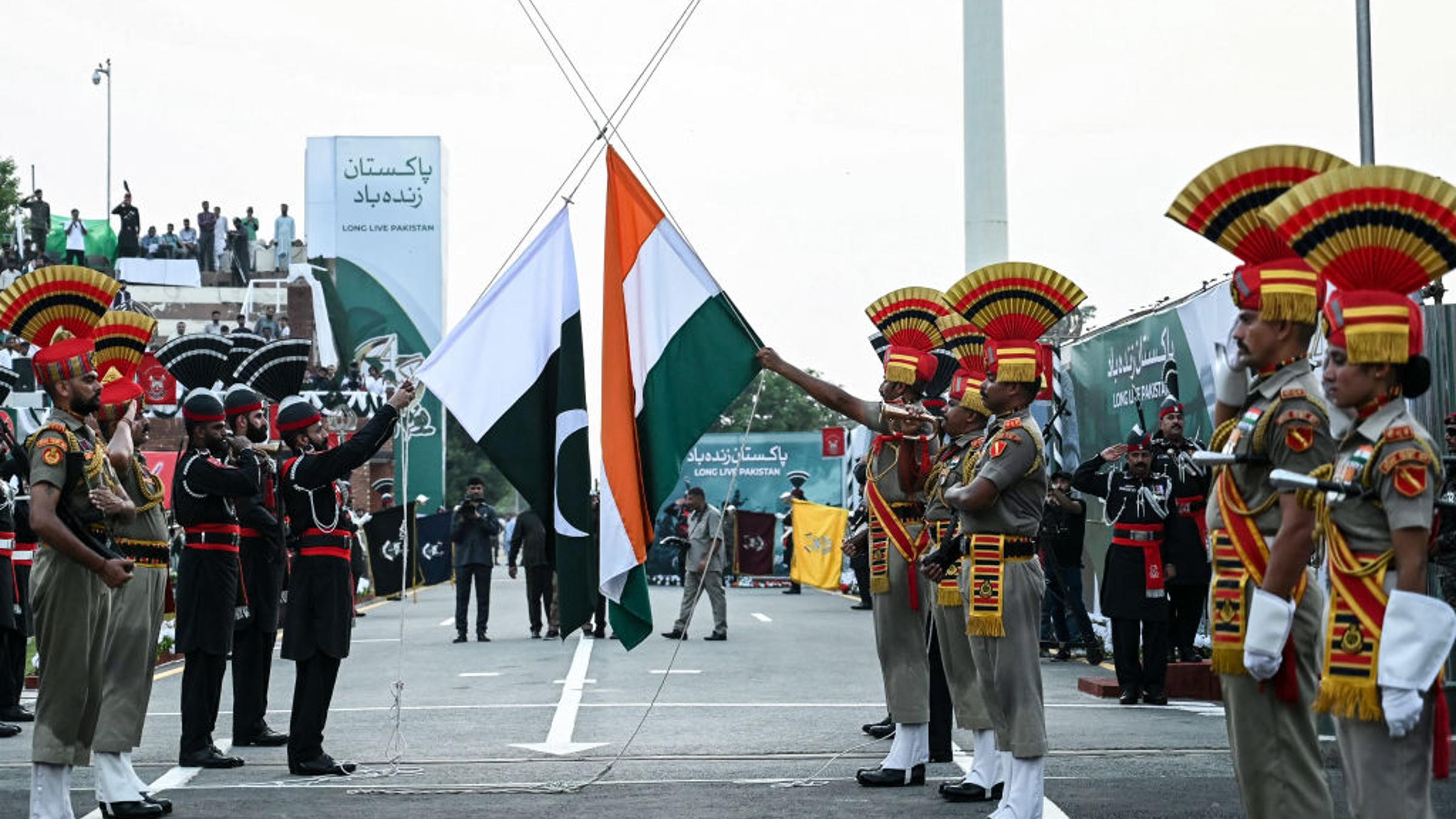
In India's case, the neighbour it inherited after Partition was Pakistan, a country with which its ties have been defined by wars, mistrust and recurring conflict ever since Independence.Whenever the two countries have entered direct military confrontation, the outcome has largely remained the same: India emerged on top.From the first Kashmir war in 1947 to the battlefields of 1965, the creation of Bangladesh in 1971 and the heights of Kargil in 1999, Pakistan repeatedly found itself on the losing side.Yet, after setbacks in conventional warfare, Islamabad continued with what India has long described as a strategy of proxy conflict, marked by Pakistan's long-denied but widely documented links to militant groups operating in Kashmir.India is today marking another such military victory, one that followed the April 22 terror attack in Kashmir last year in which Pakistan-backed militants killed 26 civilians.New Delhi responded with precision strikes targeting militant camps inside Pakistan, setting off a full-blown military standoff between the two nuclear-armed neighbours.But just how close did the region come to the brink?How it startedThe chain of events started with Pakistan's military chief Asim Munir backing the "two-nation theory" that led to the creation of Pakistan, citing differences between Hindus and Muslims in "every possible aspect of life".Just days before the Pahalgam attack, Munir reminded a gathering of overseas Pakistanis that the cultural, religious, and civilisational divergence from Hindus remains the raison d'être of Pakistan."You have to narrate Pakistan's story to your children so that they don't forget that our forefathers thought we were different from Hindus in every possible aspect of life," Munir said.And then came the old slogan: Kashmir is Pakistan's "jugular vein".The Pahalgam attackJust days later, Pahalgam's Baisaran Valley witnessed one of the deadliest terrorist attacks on Indian soil in recent memory.On April 22, 2025, terrorists belonging to The Resistance Front (TRF), a proxy of Pakistan-based Lashkar-e-Taiba, entered a civilian area and allegedly separated victims based on religion.Within hours, authorities confirmed that 26 civilians were killed in what was described by security establishment sources as a coordinated terror attack targeting civilians in a high-footfall tourist zone.Security forces immediately launched search operations across surrounding forest belts, and the area was sealed off.