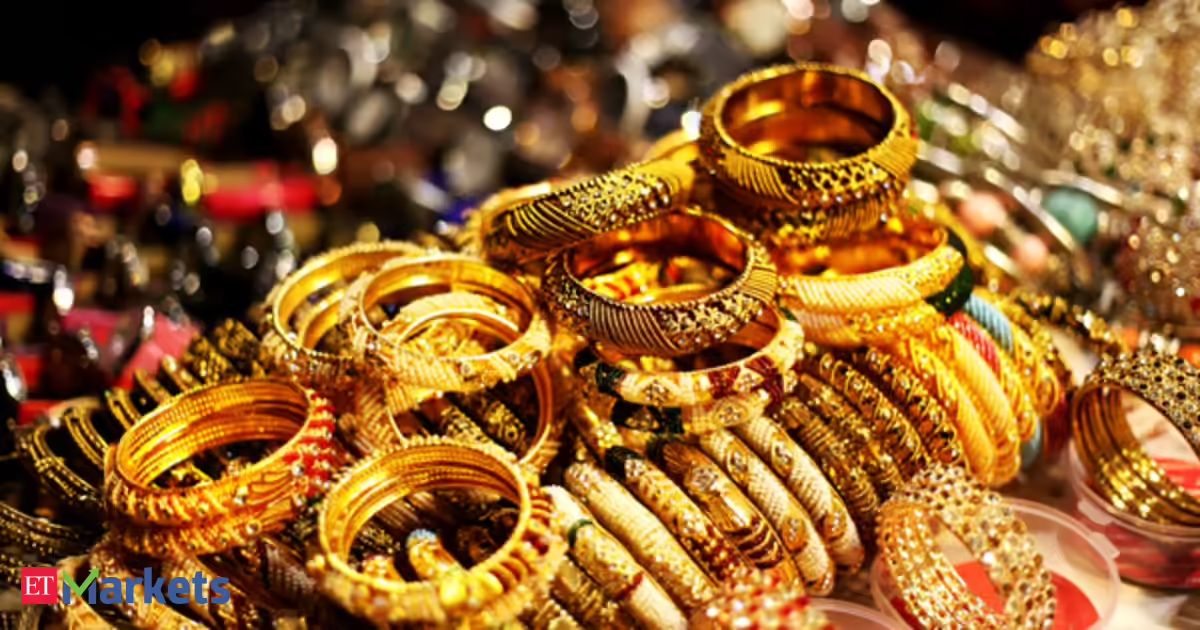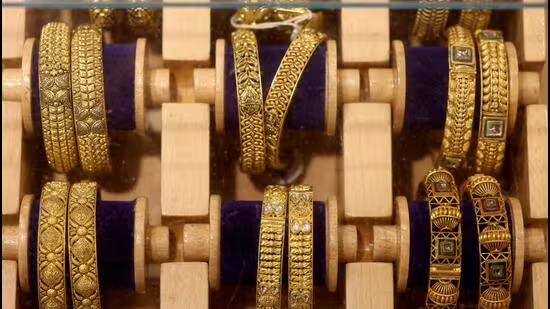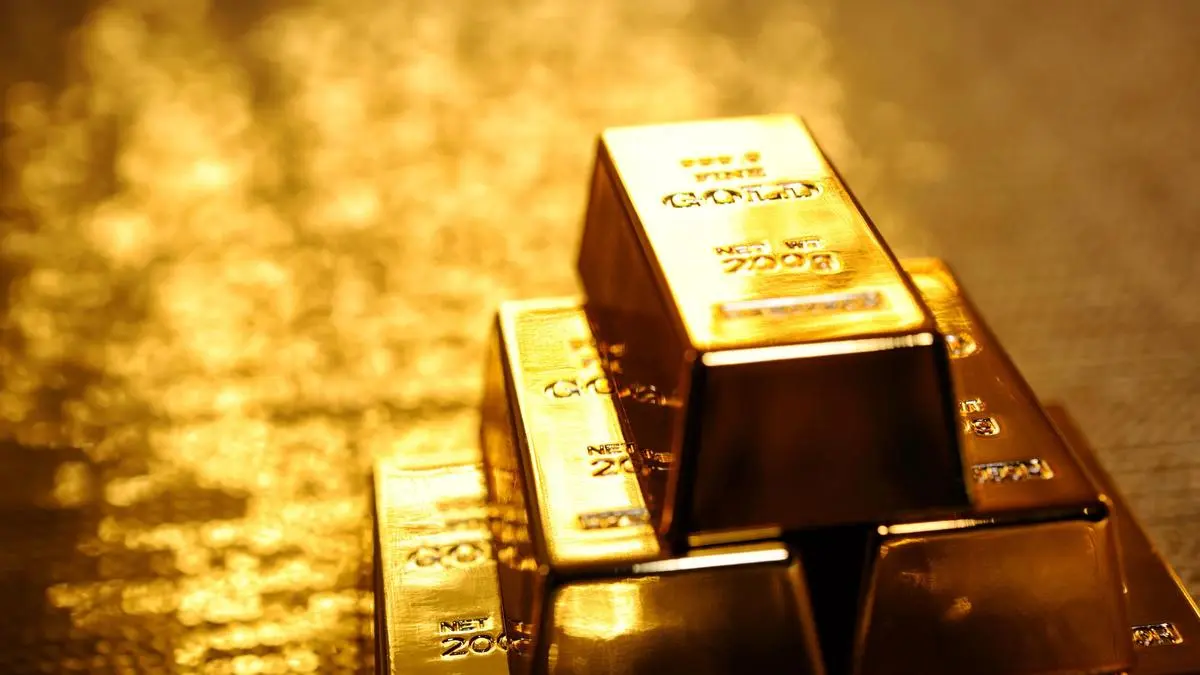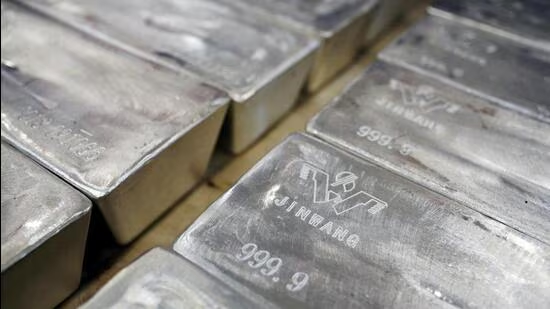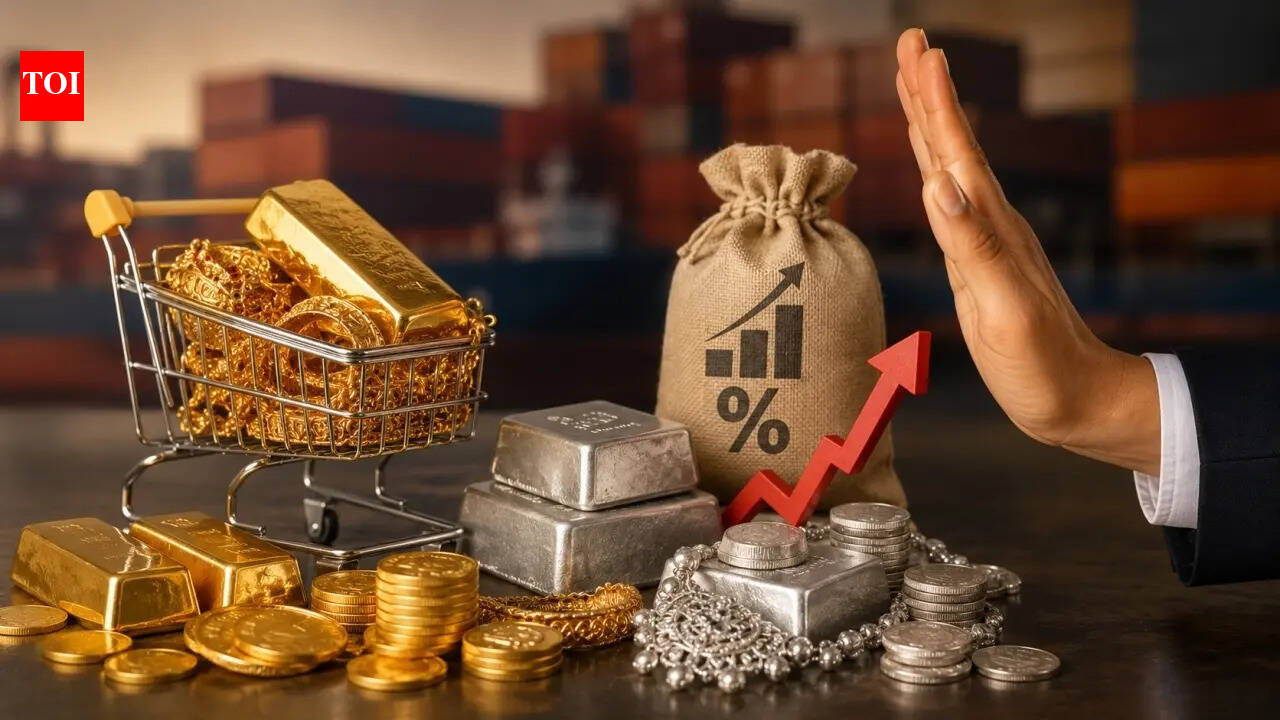
In a bid to keep foreign exchange reserves buffer intact, the government has raised the import duty on gold and silver to 15% from 6%.
India is the world’s second-largest consumer of gold and the latest move is part of efforts to reduce inbound shipments and relieve pressure on foreign exchange reserves amid the economic strain caused by the US-Iran conflict.India relies heavily on overseas purchases to meet domestic gold demand and has periodically taken steps to discourage excessive consumption.
In India, gold remains closely linked to weddings, festivals and long-standing cultural practices, which makes buying the precious metal more of a necessity for many households rather than a discretionary expense.The move to up the gold import duty comes days after PM Narendra Modi appeals to citizens to avoid unnecessary gold purchases for a year.
But is a hike in duties an effective way to curb consumption?
We take a look:Why are gold and silver imports in focus?The government considers precious metal imports as a major contributor to pressure on the current account deficit, especially because such imports are viewed as non-essential compared to critical commodities.Although import volumes of gold and silver have remained relatively stable, the sharp rise in global prices has significantly inflated the import bill, increased outflows of foreign exchange and added pressure on the rupee. window.addEventListener("message",function(a){if(void 0!==a.data["datawrapper-height"]){var e=document.querySelectorAll("iframe");for(var t in a.data["datawrapper-height"])for(var r,i=0;r=e[i];i++)if(r.contentWindow===a.source){var d=a.data["datawrapper-height"][t]+"px";r.style.height=d}}});India’s expenditure on gold and silver imports climbed to a record $84 billion in the fiscal year ended March, compared with $35.5 billion a decade ago.India is also the world’s largest consumer of silver, which is widely used not only in jewellery, bars and coins but also across industries such as solar power and electronics.Over the past year, demand for silver has increasingly been driven by investment interest rather than traditional consumption of jewellery and silverware, with inflows into silver exchange-traded funds reaching an all-time high.But, does a higher duty curb demand?The numbers reveal a telling picture: even though domestic gold prices have surged by 443% over the past decade, the annual consumption has largely remained stable in the range of 666 to 803 metric tonnes.Gold demand had also stayed resilient during the 2012-2013 period when India increased import duties from 2% to 10%.