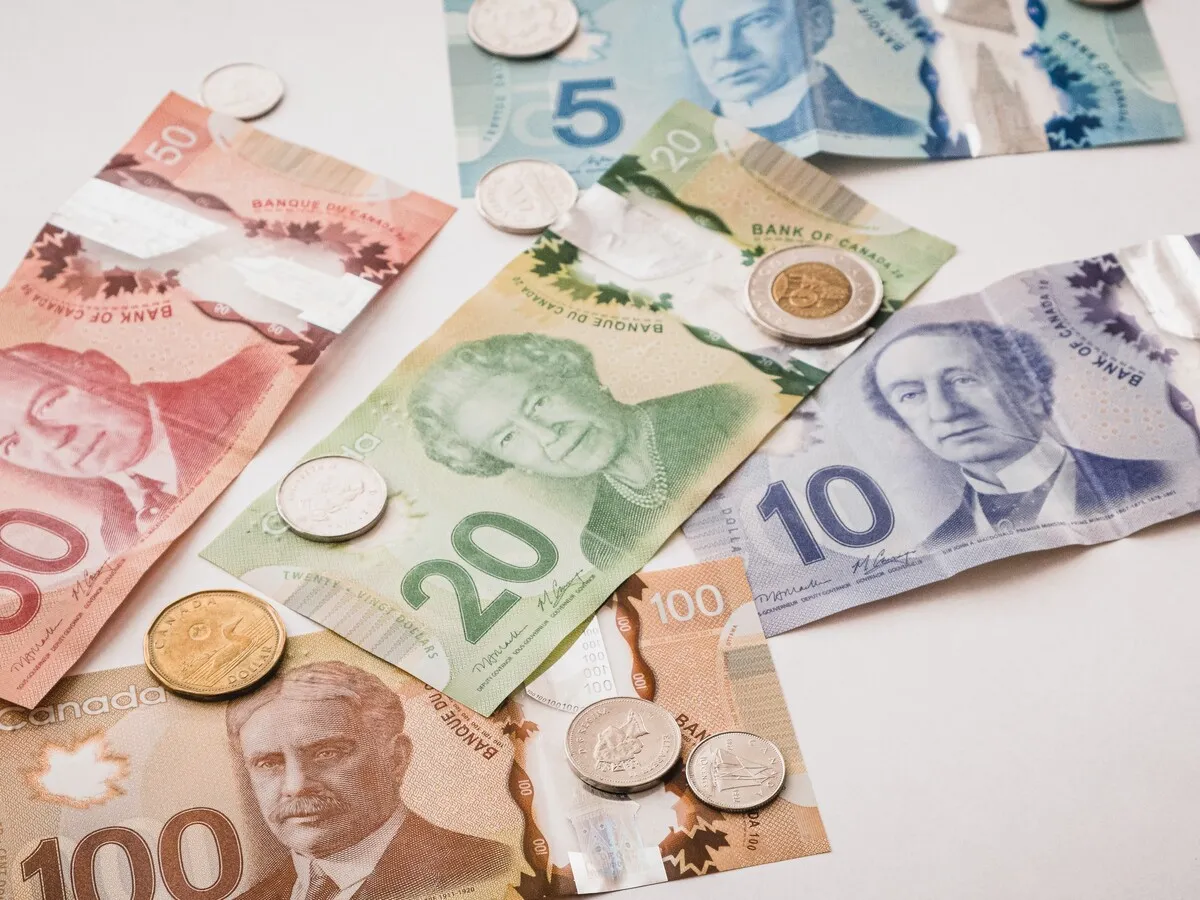
Skip to Content News Archives Economy Energy Oil & Gas Renewables Electric Vehicles Mining Commodities Agriculture Real Estate Mortgages Mortgage Rates Finance Banking Insurance Fintech Cryptocurrency Work Wealth Smart Money Wealth Management Investor Personal Finance Family Finance Retirement Taxes High Net Worth FP Comment Executive Women Puzzmo Newsletters Financial Times Business Essentials More Innovation Information Technology FP500 Podcasts Small Business Lives Told Tails Told Shopping Financial Post Store Obituaries Place a Notice Advertising Advertising With Us Advertising Solutions Postmedia Ad Manager Sponsorship Requests Classifieds Place a Classifieds ad Working Profile Settings My Subscriptions Saved Articles My Offers Newsletters Customer Service FAQ News Economy Energy Mining Real Estate Finance Work Wealth Investor FP Comment Executive Women Puzzmo Newsletters Financial Times Business Essentials HomeWealthThe Financial Post Wealth Survey: Here’s how our readers expect 2026 to play outHere’s how our readers fared in 2025 and what's keeping them up at night for the coming yearLast updated Dec 30, 2025 You can save this article by registering for free here. Or sign-in if you have an account.Many Financial Post readers said their financial position improved throughout the year despite the changes brought about in 2025. Photo by Getty Images/iStockphotoFinancial Post readers say their balance sheets looked brighter in 2025 despite dealing with a trade war and sticky inflation, but they still have fears regarding next year’s financial outlook.Subscribe now to read the latest news in your city and across Canada.Exclusive articles from Barbara Shecter, Joe O'Connor, Gabriel Friedman, and others.Daily content from Financial Times, the world's leading global business publication.Unlimited online access to read articles from Financial Post, National Post and 15 news sites across Canada with one account.National Post ePaper, an electronic replica of the print edition to view on any device, share and comment on.Daily puzzles, including the New York Times Crossword.Subscribe now to read the latest news in your city and across Canada.Exclusive articles from Barbara Shecter, Joe O'Connor, Gabriel Friedman and others.Daily content from Financial Times, the world's leading global business publication.Unlimited online access to read articles from Financial Post, National Post and 15 news sites across Canada with one account.National Post ePaper, an electronic replica of the print edition to view on any device, share and comment on.Daily puzzles, including the New York Times Crossword.Create an account or sign in to continue with your reading experience.Access articles from across Canada with one account.Share your thoughts and join the conversation in the comments.Enjoy additional articles per month.Get email updates from your favourite authors.Create an account or sign in to continue with your reading experience.Access articles from across Canada with one accountShare your thoughts and join the conversation in the commentsEnjoy additional articles per monthGet email updates from your favourite authorsSign In or Create an AccountorIn the latest instalment of the Financial Post Wealth Survey, we asked our readers how they felt about major changes that came into play this year, such as tariffs and the federal budget, and persisting concerns, like the cost of living and the potential for a stock market bubble.Through 1,660 responses to our online survey in December, readers told us how their finances fared this year and where their biggest money worries lie as we move into 2026.Get the latest headlines, breaking news and columns.By signing up you consent to receive the above newsletter from Postmedia Network Inc.A welcome email is on its way. If you don't see it, please check your junk folder.The next issue of Top Stories will soon be in your inbox.We encountered an issue signing you up. Please try againHere are some of the key findings.Many readers said their financial position improved throughout the year despite the changes brought about in 2025.About 45 per cent described their financial position as “better” compared to the beginning of the year, while 23 per cent said it was “worse” and 32 per cent reported “no change.”That said, 46 per cent of respondents felt the federal budget in November put Canada in a worse financial position, compared to 29 per cent who said it put the country in a better position and a quarter of respondents who expect no change.The budget introduced some tax changes, confirmed a previous proposal to axe the goods and services tax for first-time homebuyers and encouraged capital investments to “Build Canada Strong,” but it also projected a significantly higher deficit of $78.3 billion in 2025-26.United States President Donald Trump’s trade war resulted in consumers being charged levies on goods on both sides of the border this year, but Canada in September removed most of its counter tariffs on American imports that were implemented in March.But readers are more likely to give the nod to the U.S. when determining who has the upper hand right now, with nearly 72 per cent saying the U.S. is “winning” the trade war with Canada.Although the trade war led to some sticker shock in stores, it also brought about a renewed sense of patriotism with the Buy Canada movement, with more than 75 per cent saying they are still making a conscious effort to buy Canadian goods. AI and a potential market bubbleThe meteoric rise in artificial intelligence (AI) spending among Big Tech companies has many investors concerned about the potential of a stock market bubble.Close to 70 per cent of readers said they think U.S. stock markets are in a bubble and they were split roughly 50/50 on whether the Toronto Stock Exchange could be in the same boast. The S&P/TSX composite index, however, is more dominated by financials and energy as opposed to technology in the U.S.But readers say they do not use AI often, whether at home or at work. Only about a third said they use AI regularly at home and just 20 per cent said they use AI regularly at their job.It’s no surprise prices continued to climb in 2025, especially amid tariffs. The consumer price index rose 2.2 per cent year over year in November, with grocery price inflation hitting its highest level since the end of 2023.About 40 per cent of survey respondents said their biggest financial concern heading into 2026 was the cost of living, while 35 per cent were concerned about a stock market crash.Higher prices specifically took a toll on readers’ wallets, with nearly 65 per cent saying it affected their spending habits this year.The Bank of Canada cut its key lending rate four times in 2025, dropping it to 2.25 per cent by the end of the year from 3.25 per cent at the start, but the central bank last held it steady at its December meeting and many readers believe it could remain at 2.25 per cent throughout 2026.About 46 per cent said they thought there would be no change in interest rates next year, compared to about a third who believe rates would go lower and 22 per cent who said they would increase. Join the Conversation This website uses cookies to personalize your content (including ads), and allows us to analyze our traffic. Read more about cookies here. By continuing to use our site, you agree to our Terms of Use and Privacy Policy.
The Financial Post Wealth Survey: Here’s how our readers expect 2026 to play out
Here’s how Financial Post readers fared in 2025 and what's keeping them up at night for the coming year. Find out more.
1,182 words~5 min read