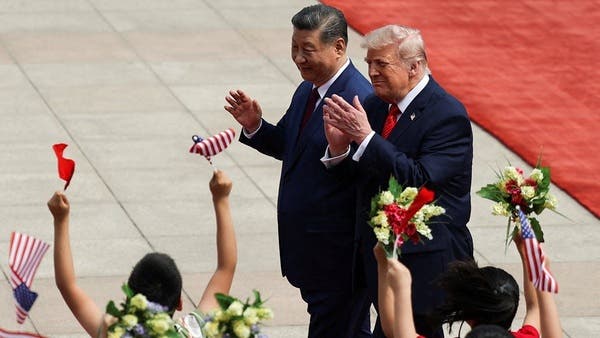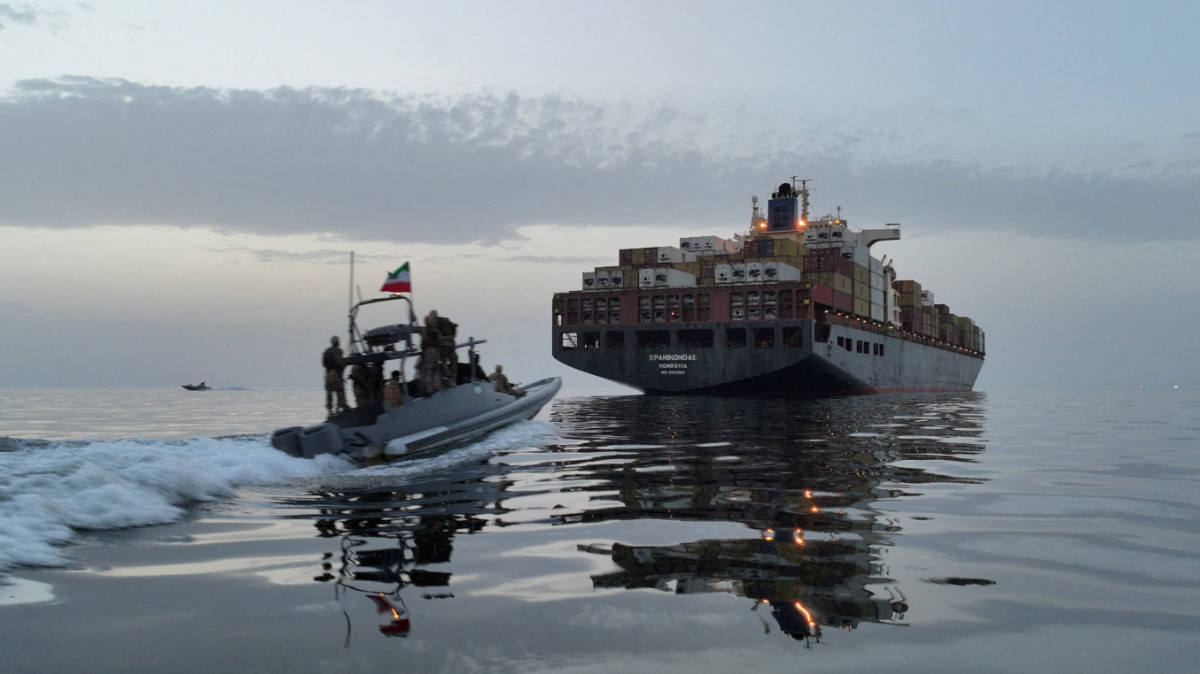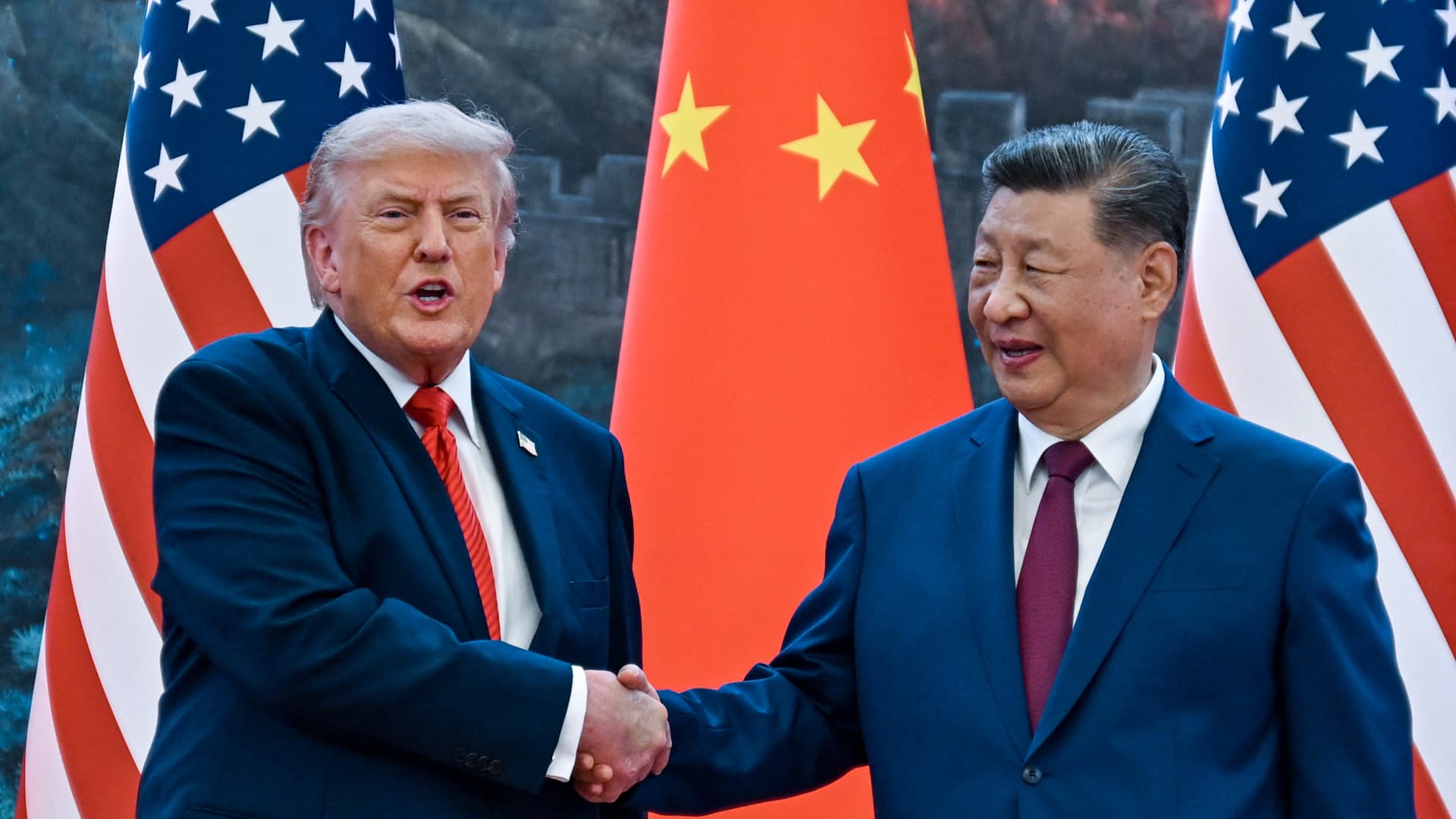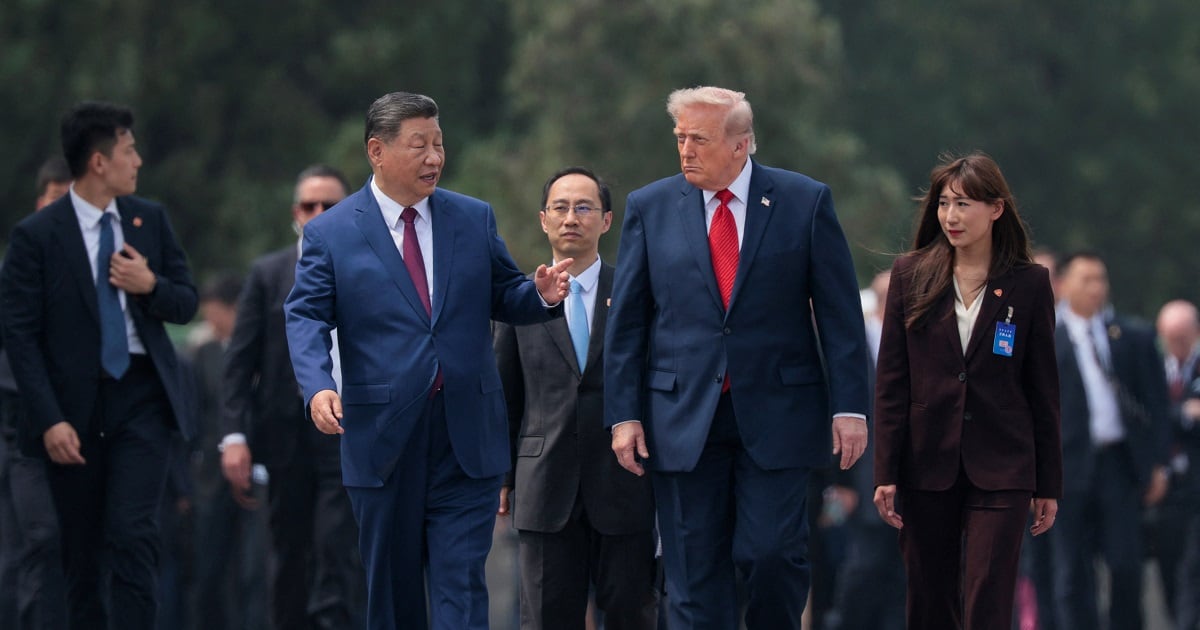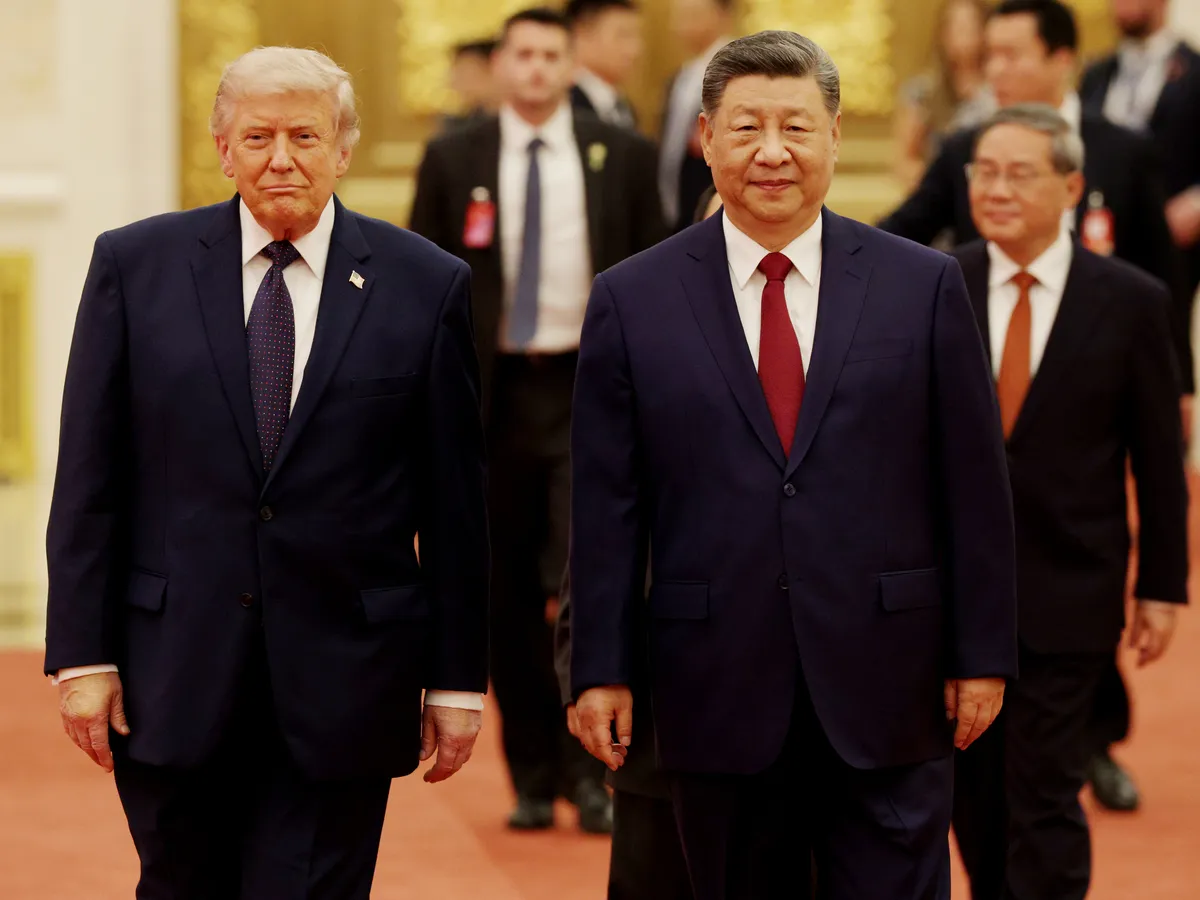
Skip to Content News Archives Economy Energy Oil & Gas Renewables Electric Vehicles Mining Commodities Agriculture Real Estate Mortgages Mortgage Rates Finance Banking Insurance Fintech Cryptocurrency Work Wealth Smart Money Wealth Management Investor Personal Finance Family Finance Retirement Taxes High Net Worth FP Comment Executive Women Puzzmo Newsletters Financial Times Business Essentials More Innovation Information Technology FP500 Podcasts Small Business Lives Told Tails Told Shopping Financial Post Store Obituaries Place a Notice Advertising Advertising With Us Advertising Solutions Postmedia Ad Manager Sponsorship Requests Classifieds Place a Classifieds ad Working Profile Settings My Subscriptions Saved Articles My Offers Newsletters Customer Service FAQ News Economy Energy Mining Real Estate Finance Work Wealth Investor FP Comment Executive Women Puzzmo Newsletters Financial Times Business Essentials HomeCommoditiesEnergyOil & GasU.S. says China wants more of its oil to cut Middle East relianceChina is the world’s largest importer of crude oil and natural gasAuthor of the article:Last updated 1 day ago You can save this article by registering for free here. Or sign-in if you have an account.U.S. President Donald Trump arrives for a state banquet hosted by Chinese President Xi Jinping at the Great Hall of the People on May 14, 2026 in Beijing, China. Photo by Alex Wong/Getty ImagesChinese President Xi Jinping opposes efforts to charge a toll to navigate the Strait of Hormuz and is interested in purchasing more U.S. oil to reduce its dependence on the waterway in the future, according to a White House official.Subscribe now to read the latest news in your city and across Canada.Exclusive articles from Barbara Shecter, Joe O'Connor, Gabriel Friedman, and others.Daily content from Financial Times, the world's leading global business publication.Unlimited online access to read articles from Financial Post, National Post and 15 news sites across Canada with one account.National Post ePaper, an electronic replica of the print edition to view on any device, share and comment on.Daily puzzles, including the New York Times Crossword.Subscribe now to read the latest news in your city and across Canada.Exclusive articles from Barbara Shecter, Joe O'Connor, Gabriel Friedman and others.Daily content from Financial Times, the world's leading global business publication.Unlimited online access to read articles from Financial Post, National Post and 15 news sites across Canada with one account.National Post ePaper, an electronic replica of the print edition to view on any device, share and comment on.Daily puzzles, including the New York Times Crossword.Create an account or sign in to continue with your reading experience.Access articles from across Canada with one account.Share your thoughts and join the conversation in the comments.Enjoy additional articles per month.Get email updates from your favourite authors.Create an account or sign in to continue with your reading experience.Access articles from across Canada with one accountShare your thoughts and join the conversation in the commentsEnjoy additional articles per monthGet email updates from your favourite authorsSign In or Create an AccountorXi made the comments during his meeting with U.S. President Donald Trump in Beijing on Thursday, according to the official. China’s official readout of the meeting didn’t include energy in the list of topics the two presidents discussed, although it did say they talked about the Middle East. China is the world’s largest importer of crude oil and natural gas, and the U.S. is the biggest producer of both. But shipments between the two countries ground to a halt last year after China imposed levies on the commodities in retaliation to Trump’s sweeping tariffs on Chinese goods.Global oil and gas supplies have come under severe pressure this year after Iran effectively shut Hormuz in response to U.S. and Israeli air strikes, and threatened to charge ships for passage. The closure of the strait has disrupted roughly a fifth of the world’s oil and liquefied natural gas exports, driving prices higher.The U.S. has since started its own blockade to prevent ships from exiting the Persian Gulf. Chinese oil supertanker Yuan Hua Hu appeared to pass through the blockade safely on Thursday.Both Xi and Trump agreed the strait must remain open to support the free flow of energy, according to the U.S. official. Join the Conversation This website uses cookies to personalize your content (including ads), and allows us to analyze our traffic. Read more about cookies here. By continuing to use our site, you agree to our Terms of Use and Privacy Policy.
U.S. says China wants more of its oil to cut Middle East reliance
Chinese President Xi Jinping is interested in purchasing more U.S. oil to reduce its dependence on the Strait of Hormuz. Read more.
715 words~3 min read