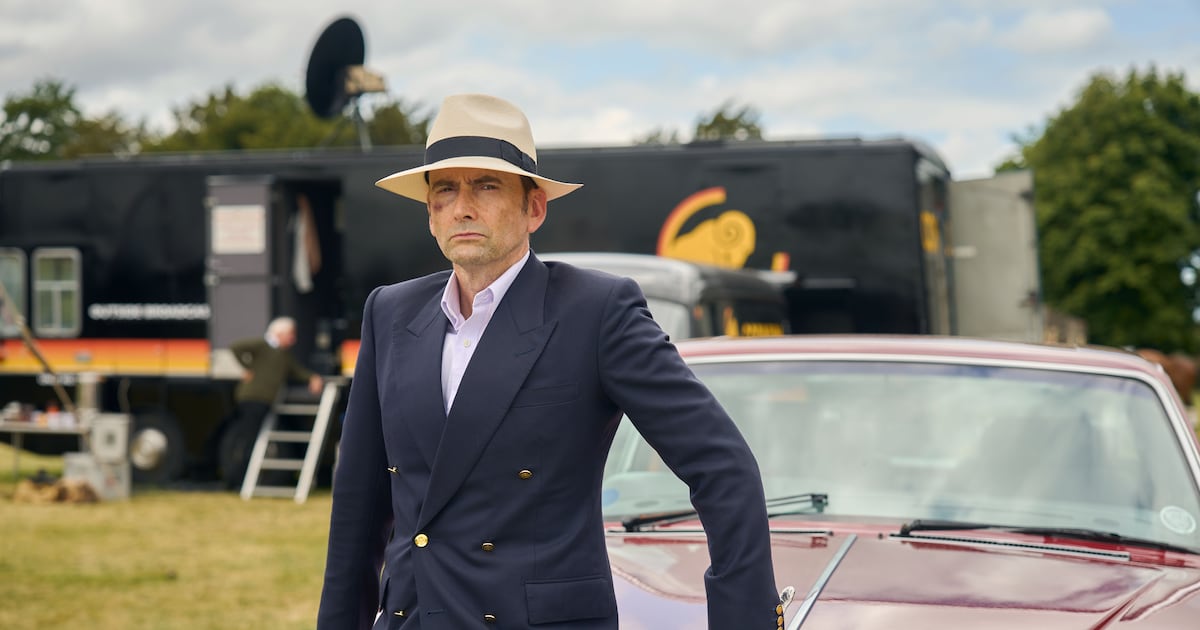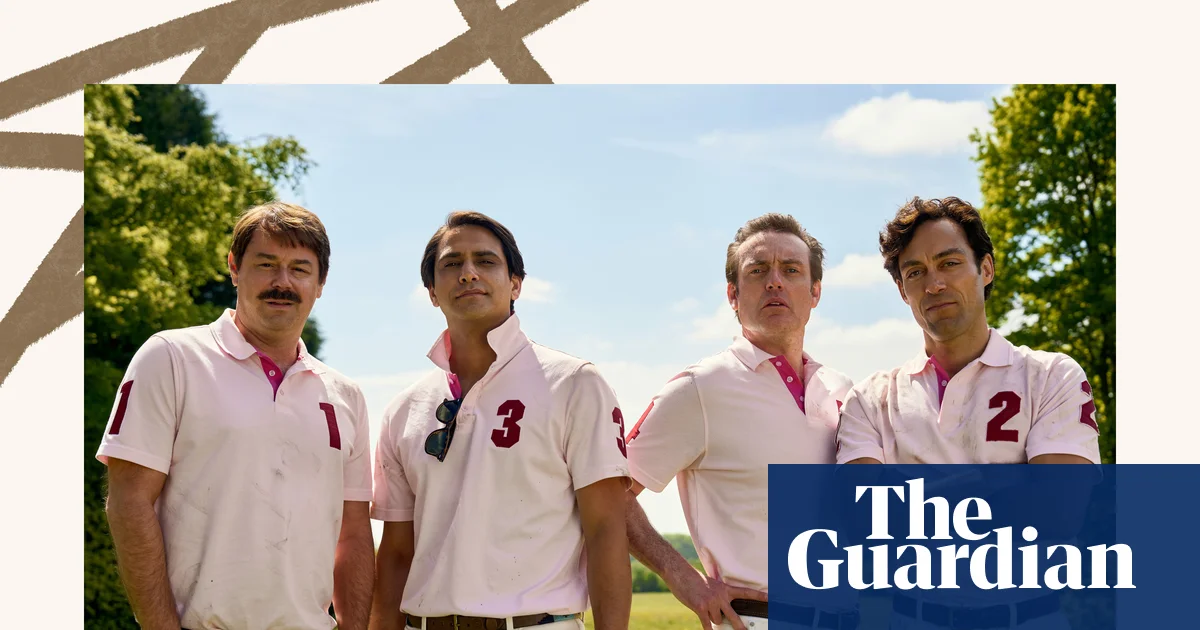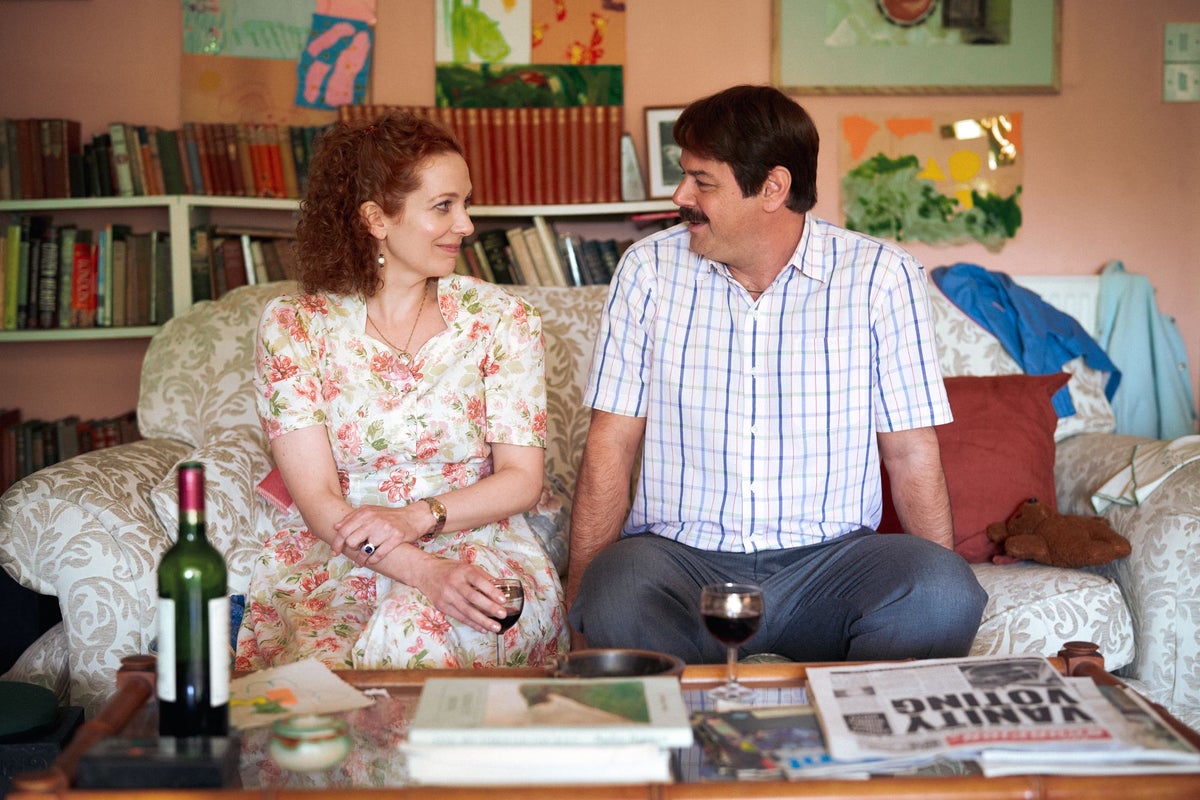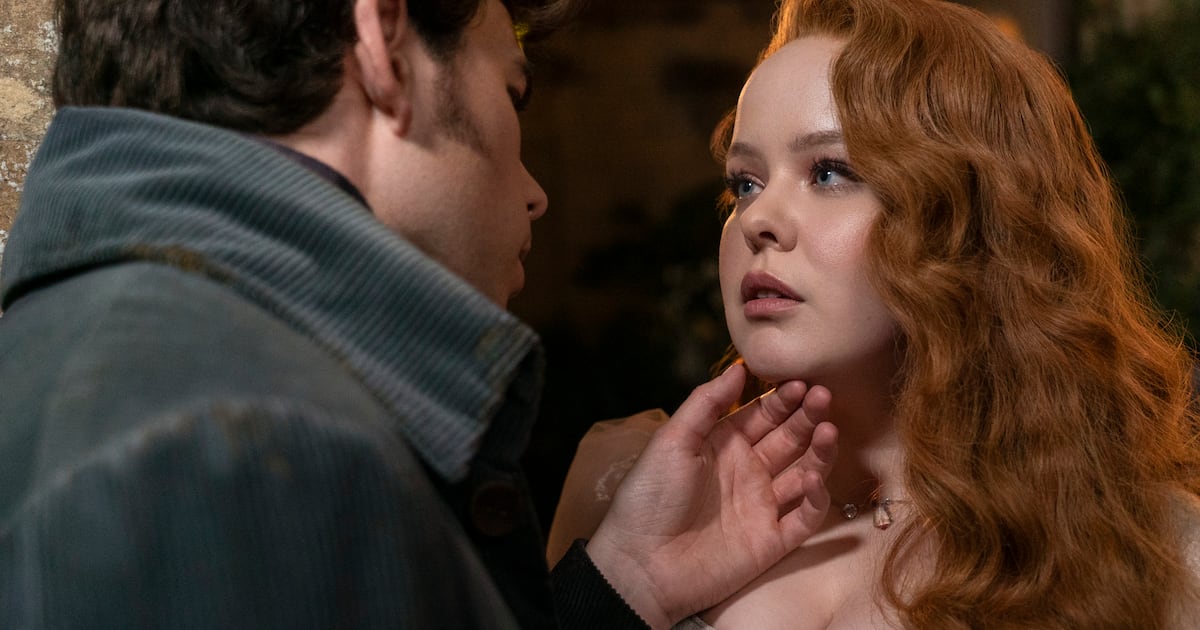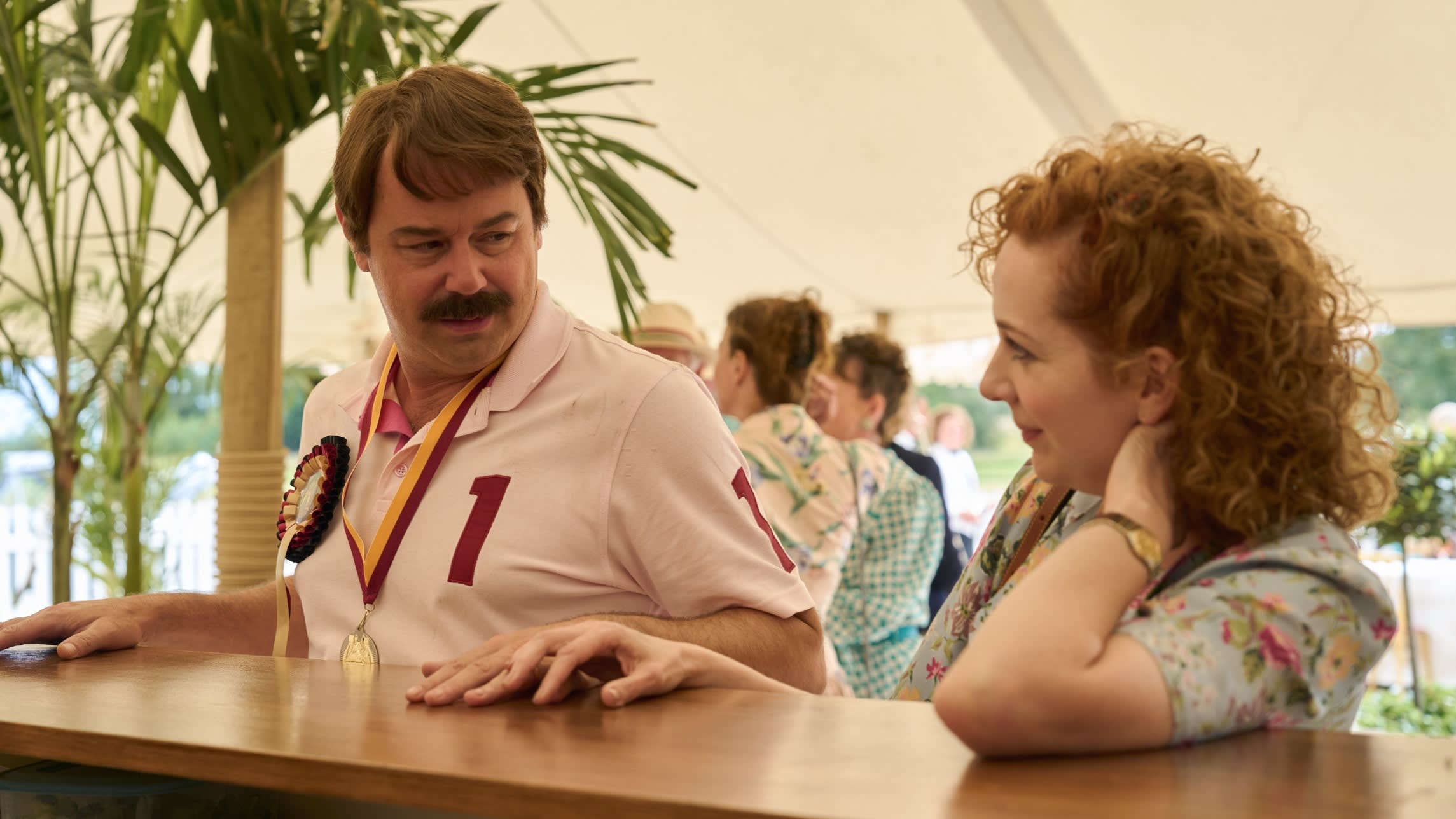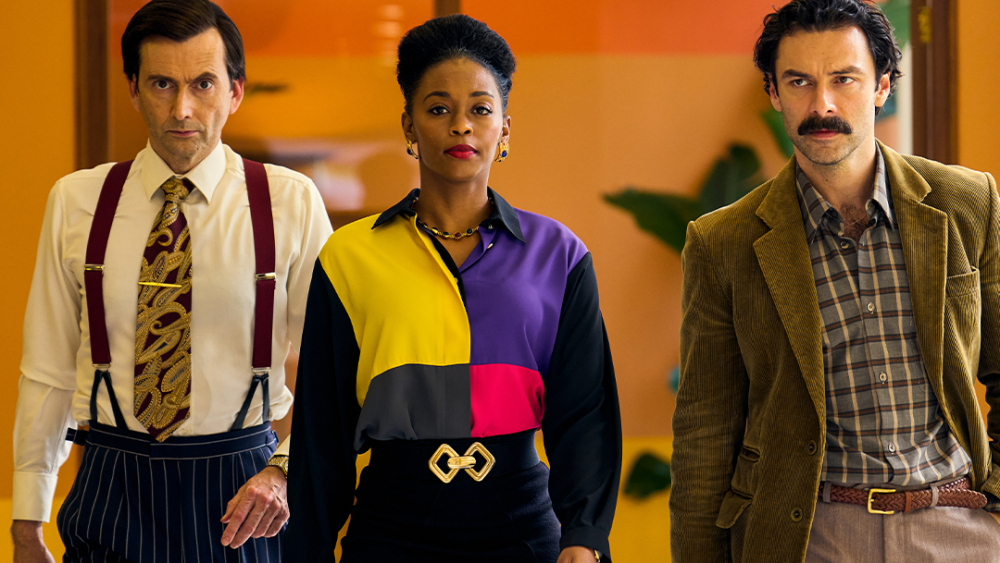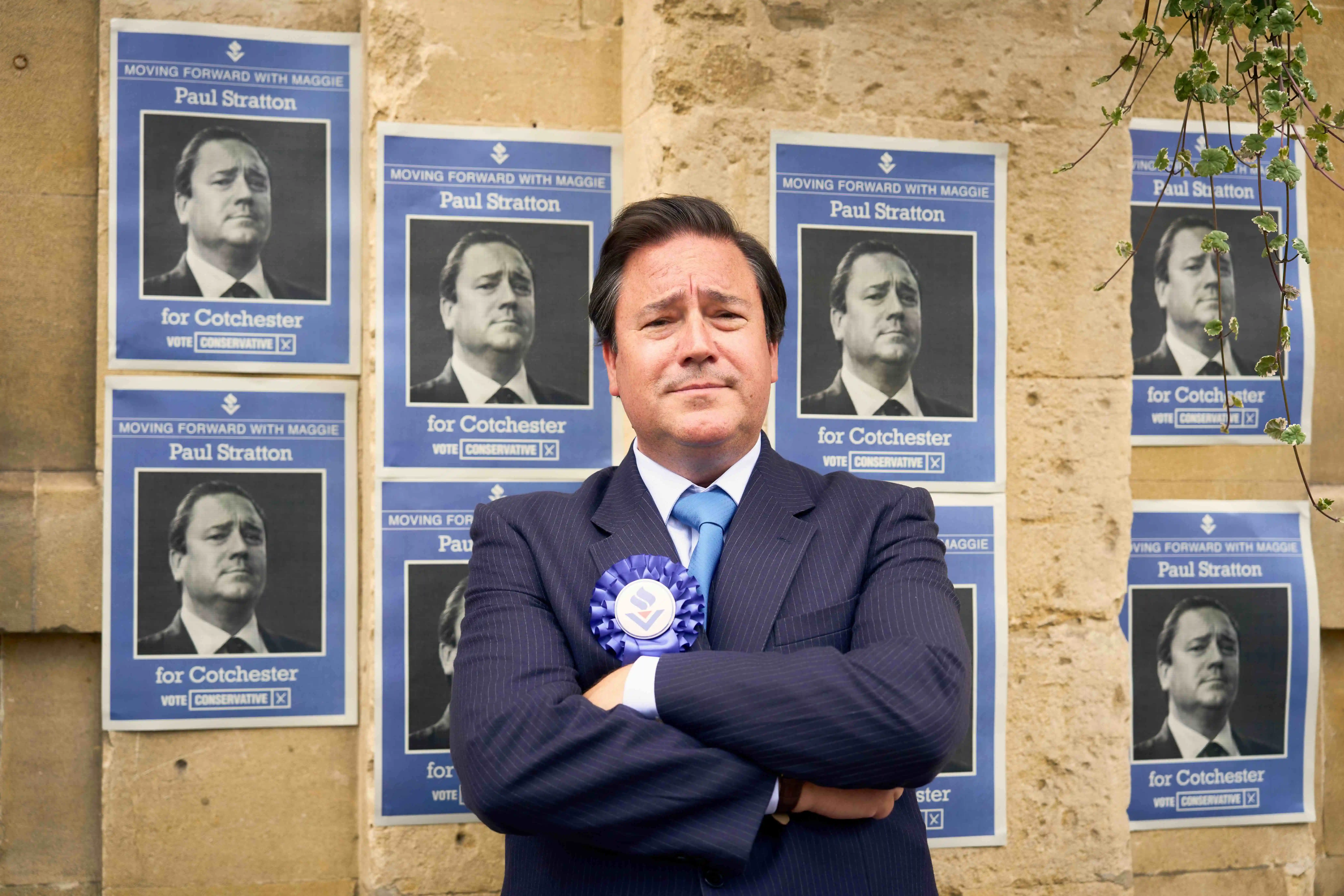
Today, Rivals returns for a second series on Disney+. The first series was that rarest of phenomena: an adaptation that didn’t hate its source material. Sure, the producers decided to cram the plot with more subtle-as-a-sledgehammer politics than appears in the actual book, but you could tell they revered Jilly Cooper and the world of Rutshire and wanted to do it justice. Cooper executively produced the first series but must have been away on some days (I can’t see her let a well-heeled huntswoman pronounce the Beaufort hunt ‘Boh-fore’ rather than ‘Boh-fuht’, particularly when a major scene in the book hinges on the pronunciation of ‘Belvoir’). It remains to be seen whether her watchful eye continued for the second series, and whether Disney+ will cash in on the ‘Rutshire cinematic universe’, creating Rupert Campbell-Black figurines (with retractable appendage), or worse still, defanging her.
Most popular
Tim Shipman
Who will be the next prime minister?
By rights, Rivals shouldn’t be as popular as it is. It’s set in one of the least fashionable eras (when I borrowed my father’s lurid 1980s ski jacket, he recoiled at the idea I thought it cool), and its lead character (and sex symbol) is a minister in Thatcher’s government. Yet somehow, we’ve managed to reach the requisite distance for it all to seem glamorous and prelapsarian. Money and sex are aspirational rather than evil, a Buck’s Fizz antidote to our soulless calorie-counting world where every interaction is fraught with fear of repercussions. No one gets cancelled in Rutshire, or pilloried using a slew of terms created by TikTok psychologists (Rupert Campbell-Black would be a breadcrumbing, avoidant, walking red flag). They just earn the reputation of being a ‘total shit’. In Rivals you can grope someone and then fall hopelessly in love with them, and the two aren’t necessarily incompatible.