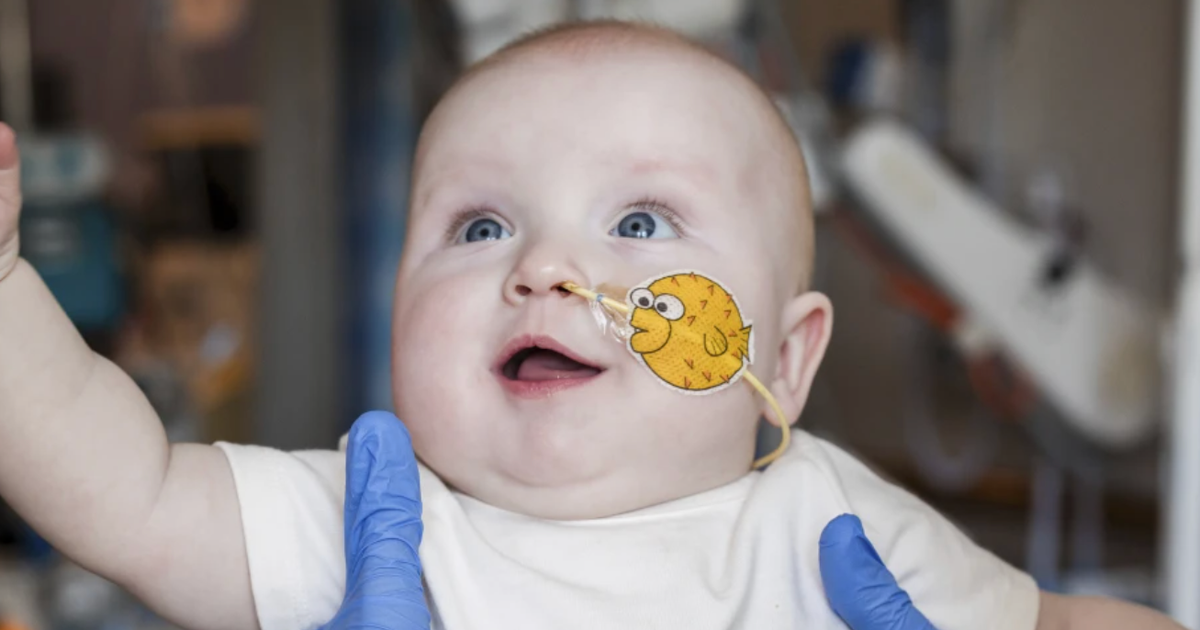
Less than a month before the launch of Wikipedia, my daughter Kira was born. The two events are connected. Kira was born seriously ill, as she had breathed in contaminated amniotic fluid during birth. The traditional treatment for meconium aspiration syndrome was simply to give babies basic support and hope they would pull through. But in San Diego, where we lived, a doctor had invented a new treatment in which the baby’s breathing is stopped, her blood is routed through a machine for oxygenation, her lungs are filled four times with a novel protein-based fluid, then the blood is routed back into her tiny, fragile body. Kira’s mother and I were asked if we wanted it for our daughter. But we had to decide fast.
We knew nothing about any of this. What is meconium? What is meconium aspiration syndrome? How dangerous is it? The doctors did their best to explain, but I couldn’t make the most important decision of my life without more information. I ran to the Internet and searched, but found only scattered scraps of information. Some was from posts by random strangers. I had no way of judging whether that information was reliable. Other information was in scientific papers. That looked and felt a lot more reliable, but I wasn’t remotely competent enough to read and understand it quickly. There was nothing in between these two extremes. It was excruciating. The information I needed was probably out there, somewhere, but looking for it was like sifting through the debris of a bombed-out library. And we had to make a decision.