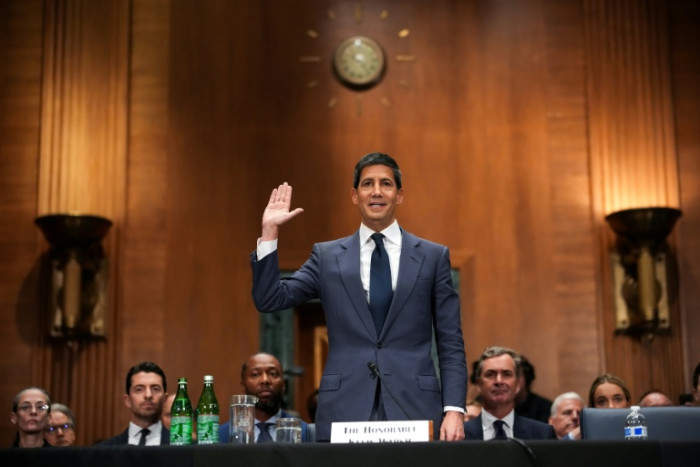
The US Federal Reserve has long operated at arm’s length from politics, but recent events suggest that distance is being tested in unusually direct ways. What began as a dispute over cost overruns on Fed building renovations has become a broader question about whether political pressure can influence the people, processes and decisions of the world’s most important central bank.
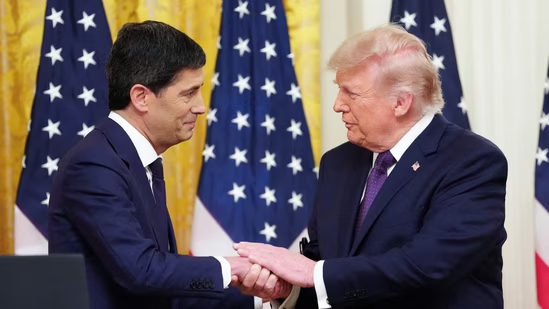
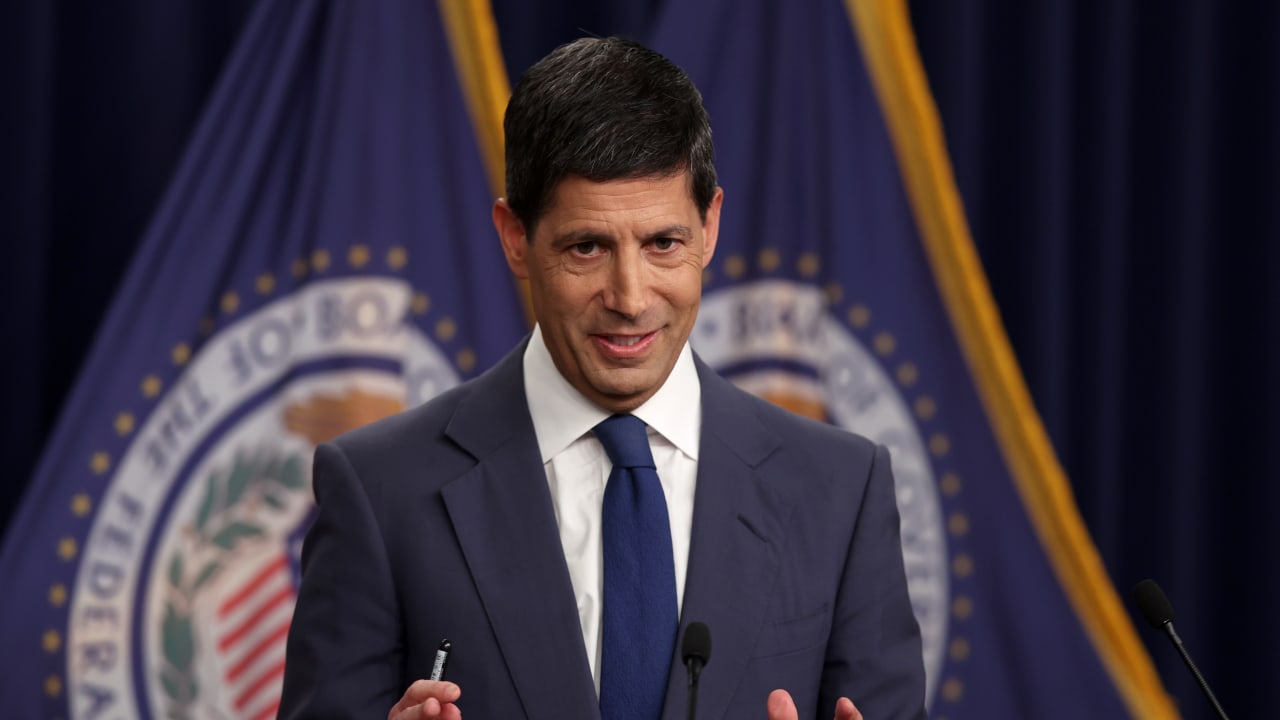
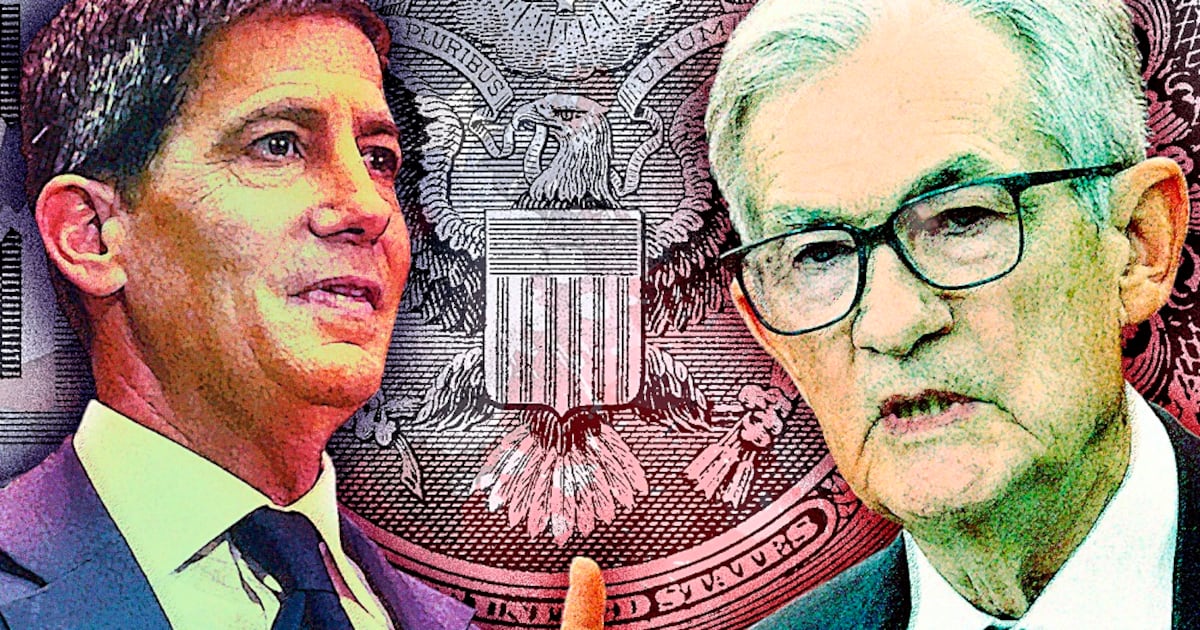
At the centre of the story are Fed chair Jerome Powell, whose term ended on May 14; US President Donald Trump; and Kevin Warsh, the man whose nomination to succeed Powell was confirmed by the US Senate on Wednesday.
The issue reached a crescendo in January when Powell used a rare Sunday night broadcast to address a justice department subpoena. Officially, the subpoena related to the renovation project, but Powell framed it as part of a wider effort by the Trump administration to pressure the Fed into lowering interest rates.
US presidents have criticised Fed chairs before, but this episode stood out because legal pressure appeared to accompany public criticism, raising the possibility of a new route for influencing the institution.
Fed independence exists to prevent monetary policy from being shaped by short-term political incentives. A central bank subject to political influence could be pushed to keep rates too low for too long.