Show Caption
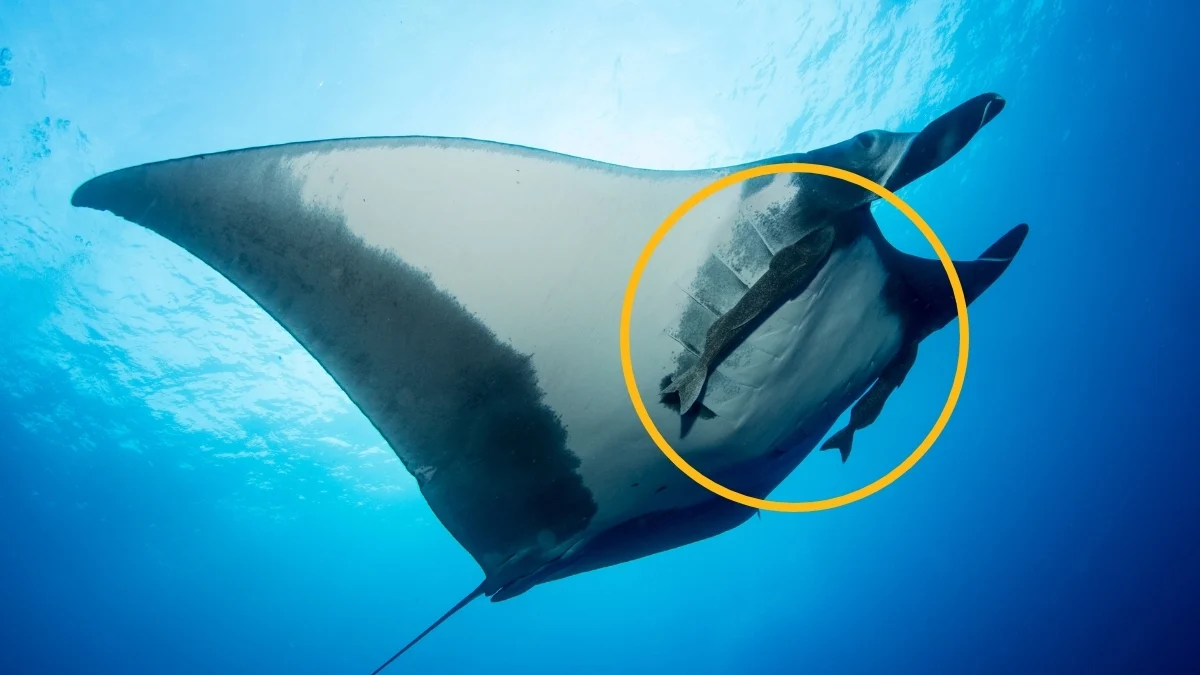
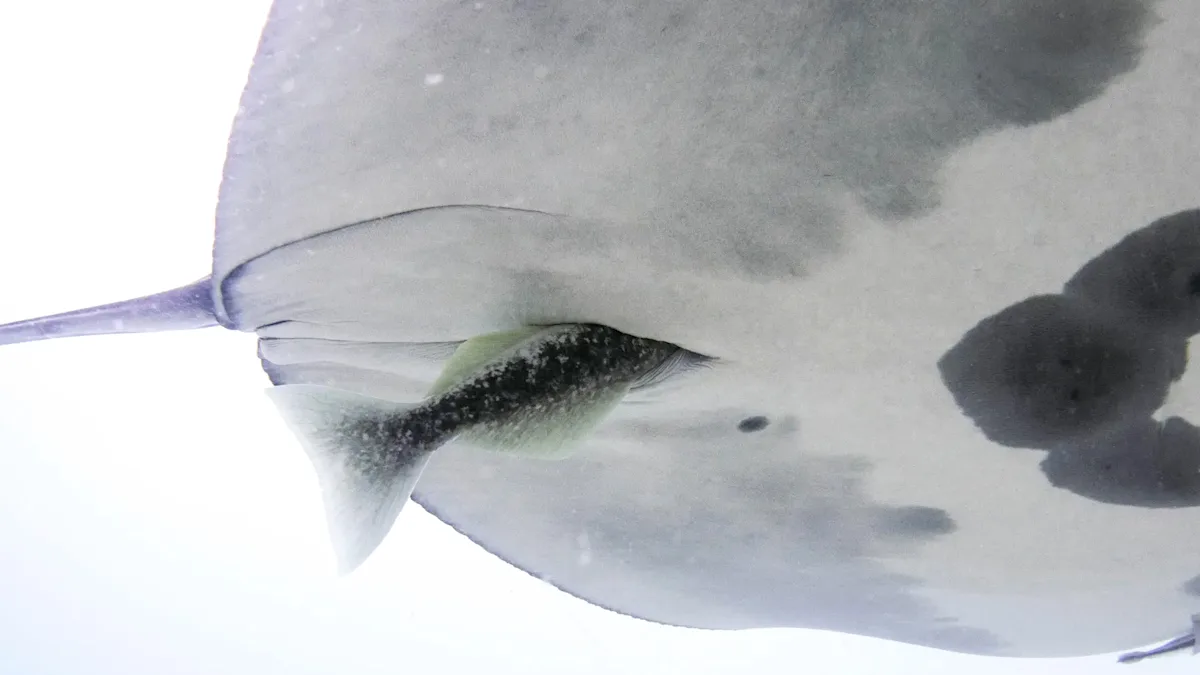
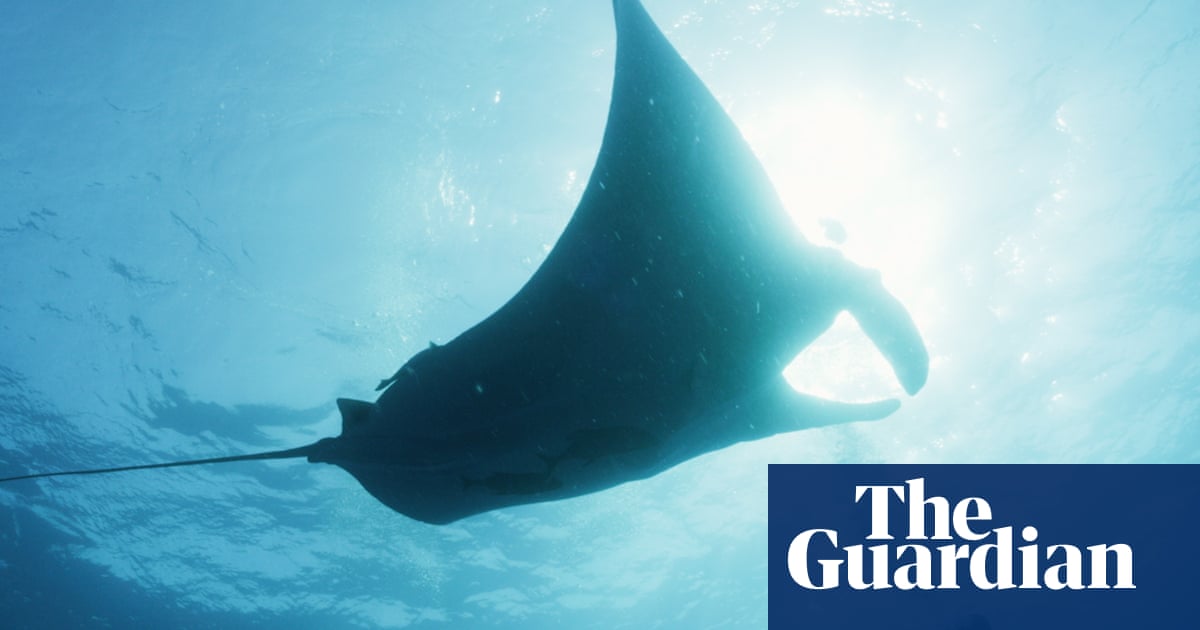
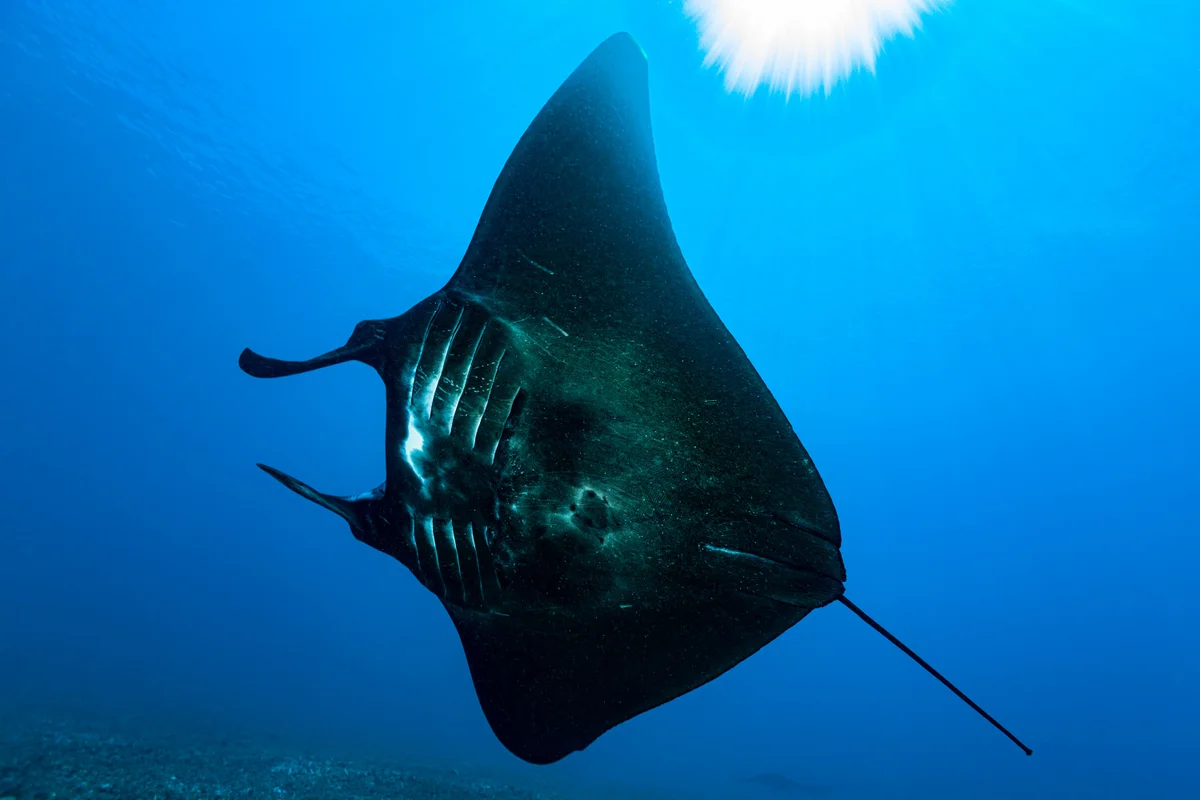
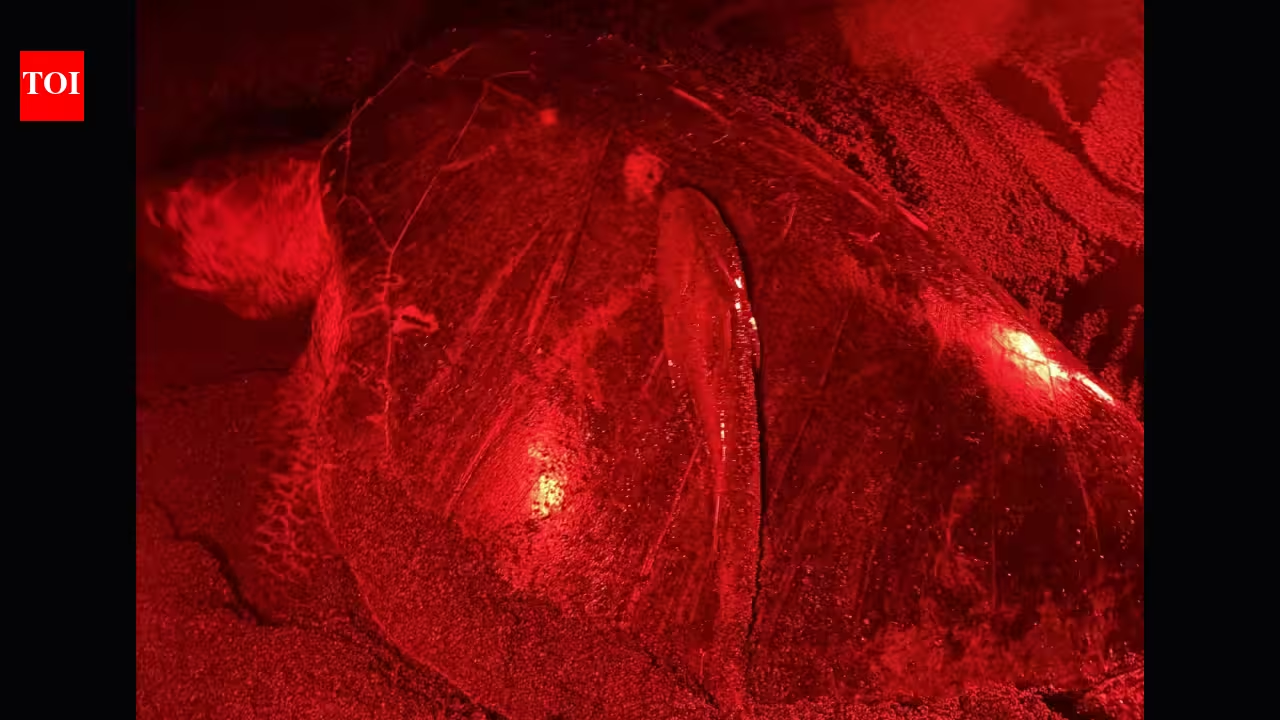
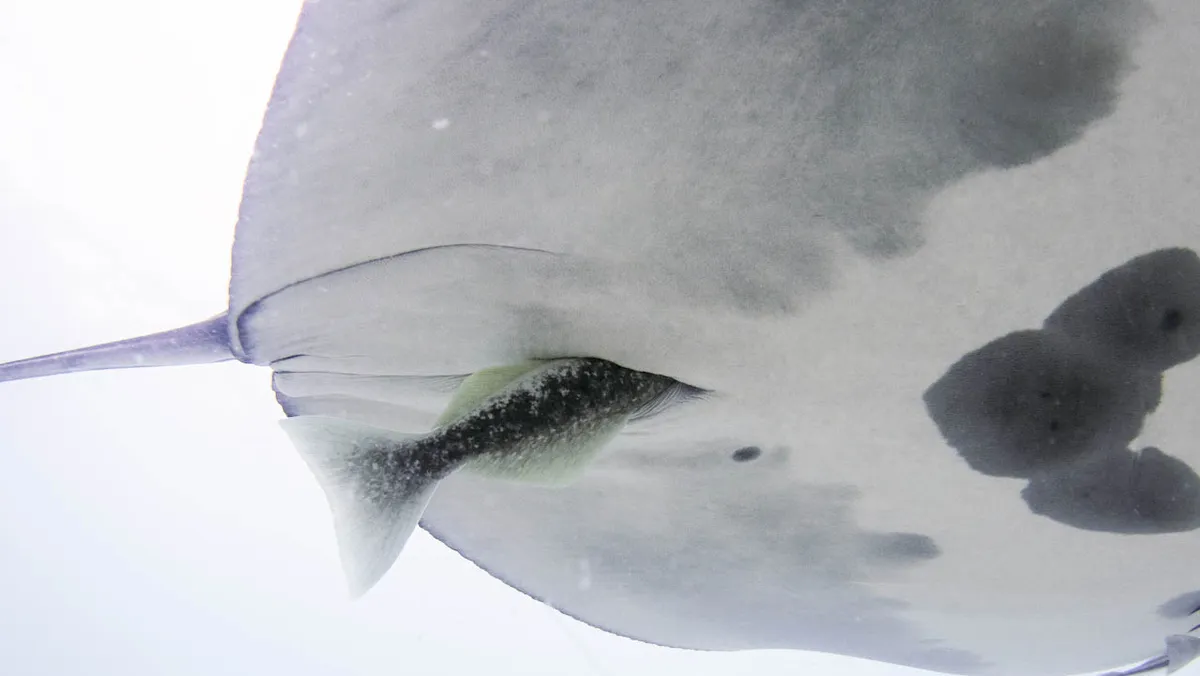
Scientists have discovered something about suckerfish that might make their underwater companions want to hide.The fish – known to attach themselves to marine animals – were documented using a less-than-comfortable place to hitch a ride: the rear ends of manta rays.The remora fish, also called suckerfish, are known to attach themselves to larger marine animals, such as sharks, whales and sea turtles. They were thought to be, at worst, undersea hitchhikers who would provide skin cleaning for the larger animals, according to Live Science.However, a new study published May 11, "Hiding in Plain Sight: Evidence of Echeneidae Cloacal and Gill Diving Behavior in Manta Ray Hosts," suggests that the relationship between remoras and manta rays could be parasitic.It suggested that one observed manta ray may have been injured when a remora burrowed into its gills and that a different manta ray showed signs of distress when a remora entered its cloacal opening – the hole used by the manta ray to both reproduce and eliminate waste."In response to this intrusion, the manta ray briefly shuddered before continuing to swim away with the remora still inside of its cloacal opening," the study, published in the journal Ecology and Evolution, reads.Study's lead author explains findingsThe study reviewed 15 years of visual documentation of all three types of manta rays in oceans around the world and was a collaborative effort between the University of Miami Shark Research and Conservation Program, the Marine Megafauna Foundation and The Manta Trust.It found multiple instances of cloacal intrusion, a behavior that had not been previously documented.Emily Yeager, the lead author of the study, told USA TODAY in an interview that the symbiotic relationship between remoras and their hosts had been considered either mutualistic, where both species benefit or commensal, where one benefits without affecting the other. She said that the study's findings should prompt scientists to understand that symbiotic relationships may not fit neatly into scientific labels."The two big takeaways from this study (are) one, fish and animals can be really weird, but two, that we should really start to think about these relationships as this moving spectrum," Yeager said.Discovery can help scientists better understand animal relationshipsYeager said that the remora-manta ray relationship is a relatively new scientific debate but represents a broader shift in the way scientists are thinking about how animals interact in nature."Things engage with each other all of the time and across natural systems," Yeager said. "We should start to think about these relationships as fluid and changing over time and in different circumstances."She noted that changing the way scientists think about animal relations could improve conservation efforts."By thinking through it in that way, we're able to better understand them because I think there's a lot that we let sort of just pass on by as weird or a one-off," Yeager said. "(Spectrum thinking) might actually be integral to understanding those relationships and also protecting the organisms involved in those relationships."