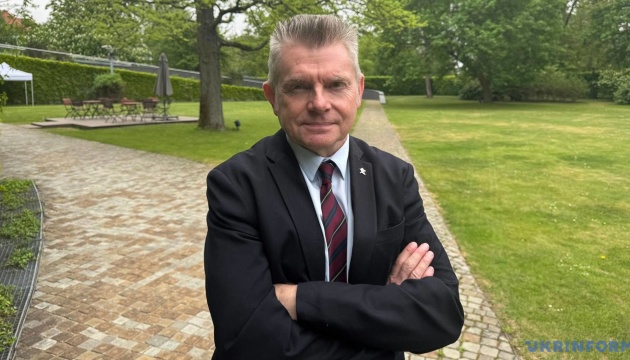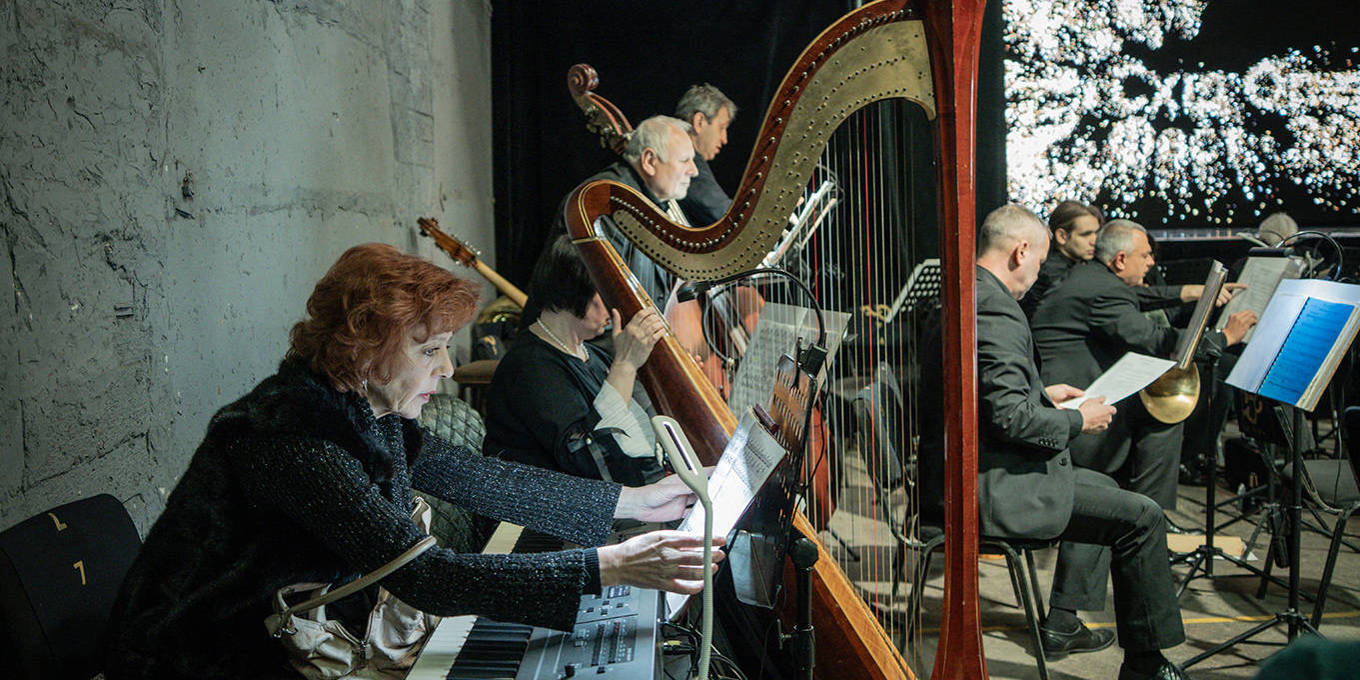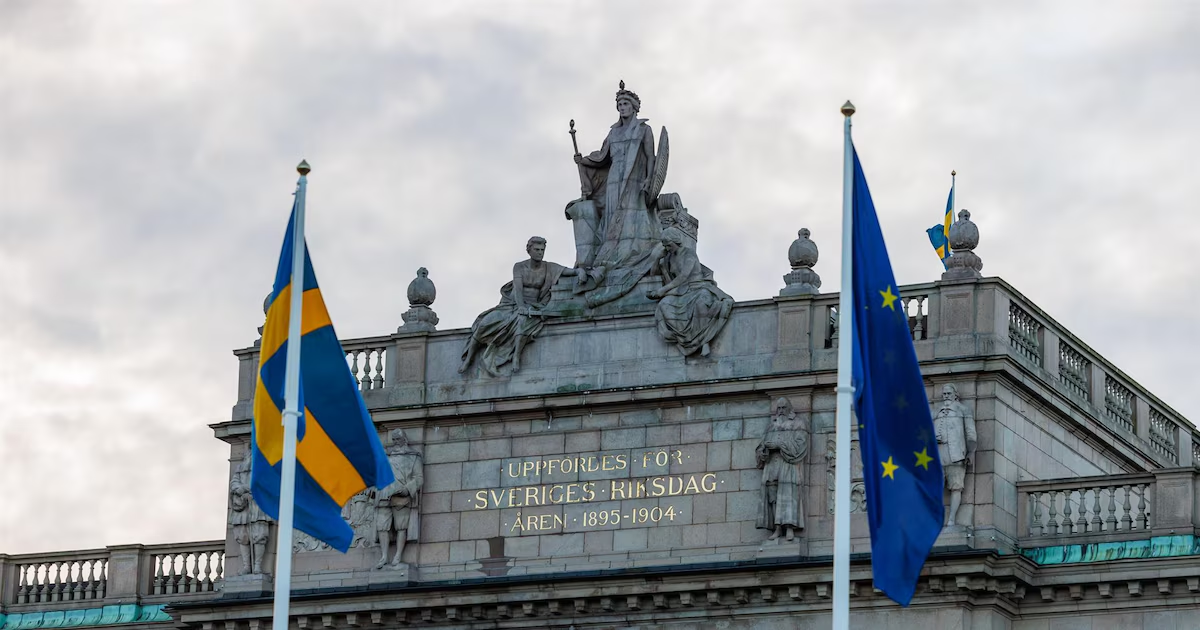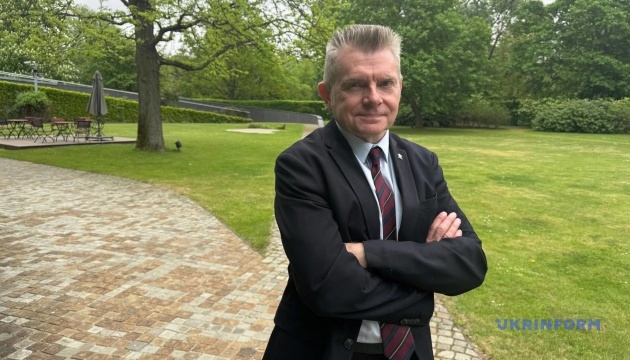
A few days ago, the international conference "Ukraine Cultural Security Forum 2.0" was held in Warsaw, where participants discussed the role of culture as an element of national security and how culture becomes one of the first targets of an aggressor. A presentation on Russia's aggressive actions in the information space was delivered by well-known Swedish expert and Director General of Sweden's Psychological Defense Agency, Magnus Hjort. The agency works to strengthen Swedish society's capacity to detect and counter harmful information influence from hostile foreign states.
In an interview with Ukrinform, Magnus Hjort spoke about how Russia's threat is perceived in Sweden, what tools Moscow uses against Stockholm, and how Swedes are increasing societal resilience against Russian hybrid activities. He also discussed Swedish-Ukrainian cooperation, Ukraine's valuable experience in countering aggression, and whether Sweden will continue to support Ukraine.
UKRAINE HAS SHOWN THE WORLD WHAT RESILIENCE IS REALLY LIKE
- Mr. Director General, how do you assess Ukraine's and Ukrainian society's resilience against Russian disinformation?
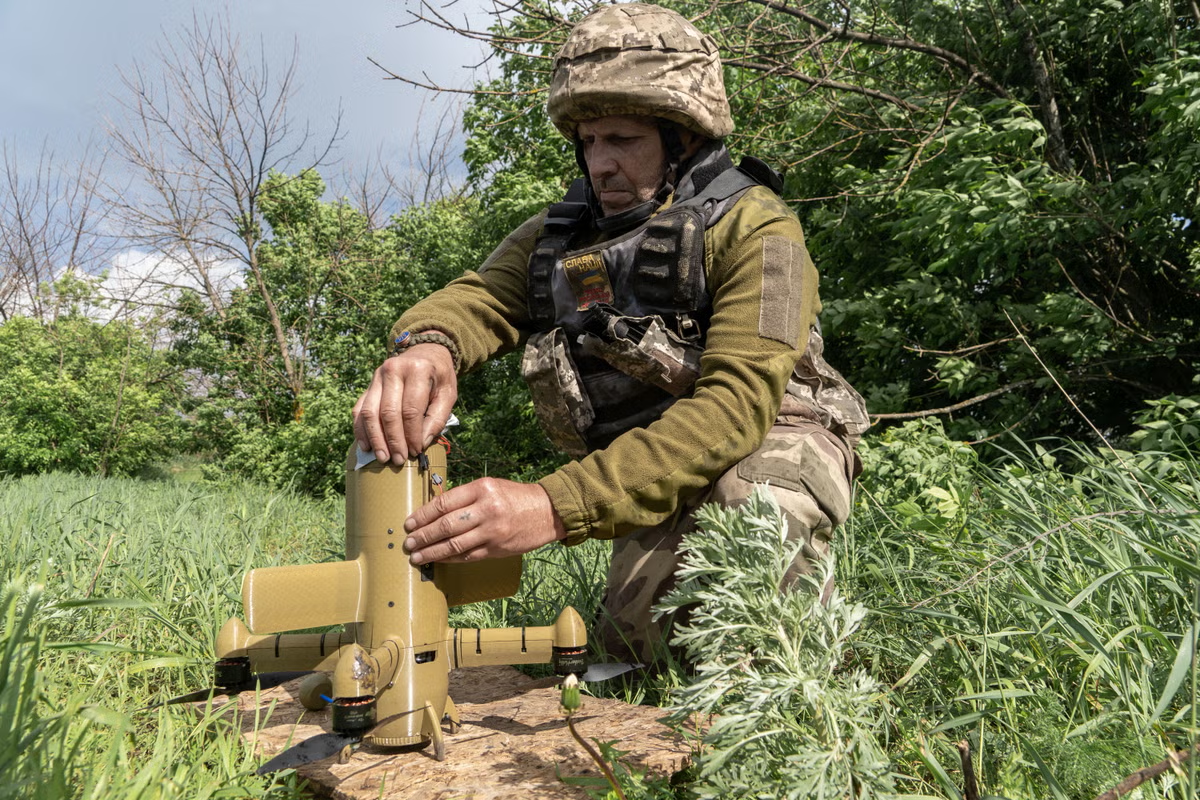
- Very highly, and it's very good. We and the rest of the world are so impressed about the resilience that the Ukrainian people has shown to this awful, tremendous aggression from Russia, and the way you have created and built resilience over the years now. Because this war now has gone on longer than the war between the Soviet Union and Germany. This is a very long war for Russia, and they did not expect that. This was a miscalculation on their part. The Russians thought that Ukraine would bend, that Ukraine would give up. But the people of Ukraine, government institutions, and of course, President Zelensky and the Armed Forces of Ukraine has shown what resilience is really like. And this is an example for the whole world.