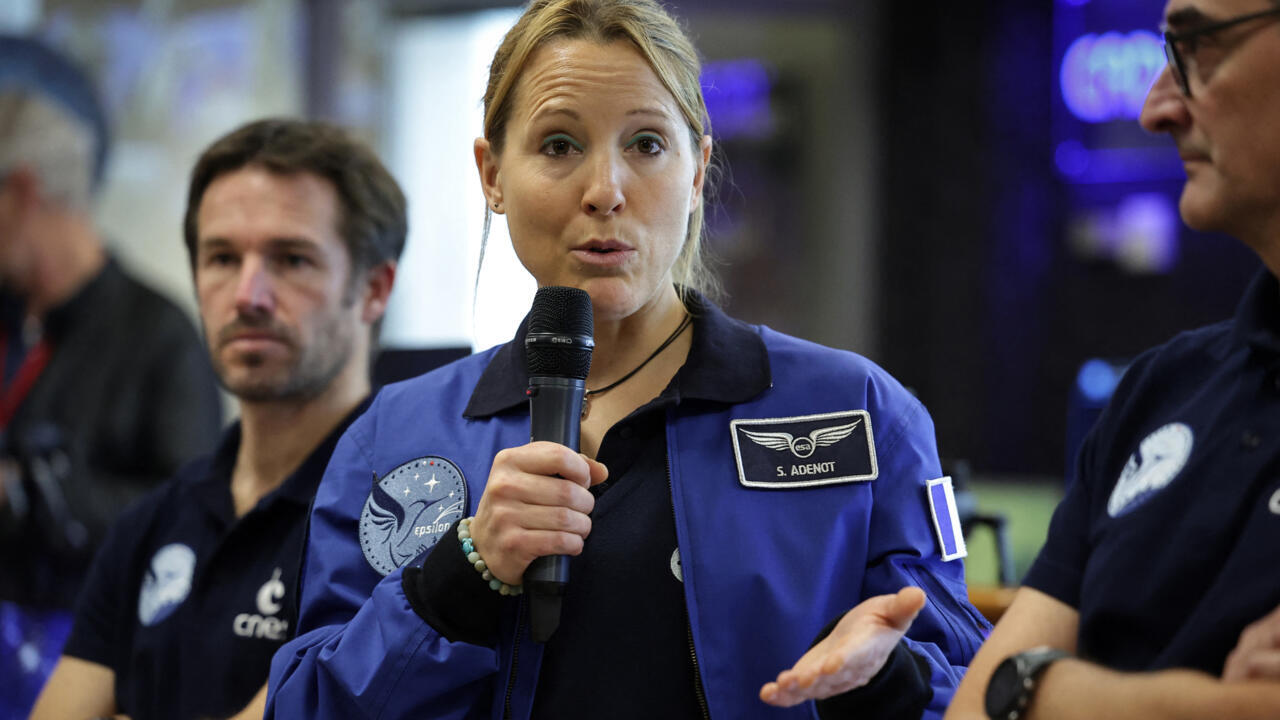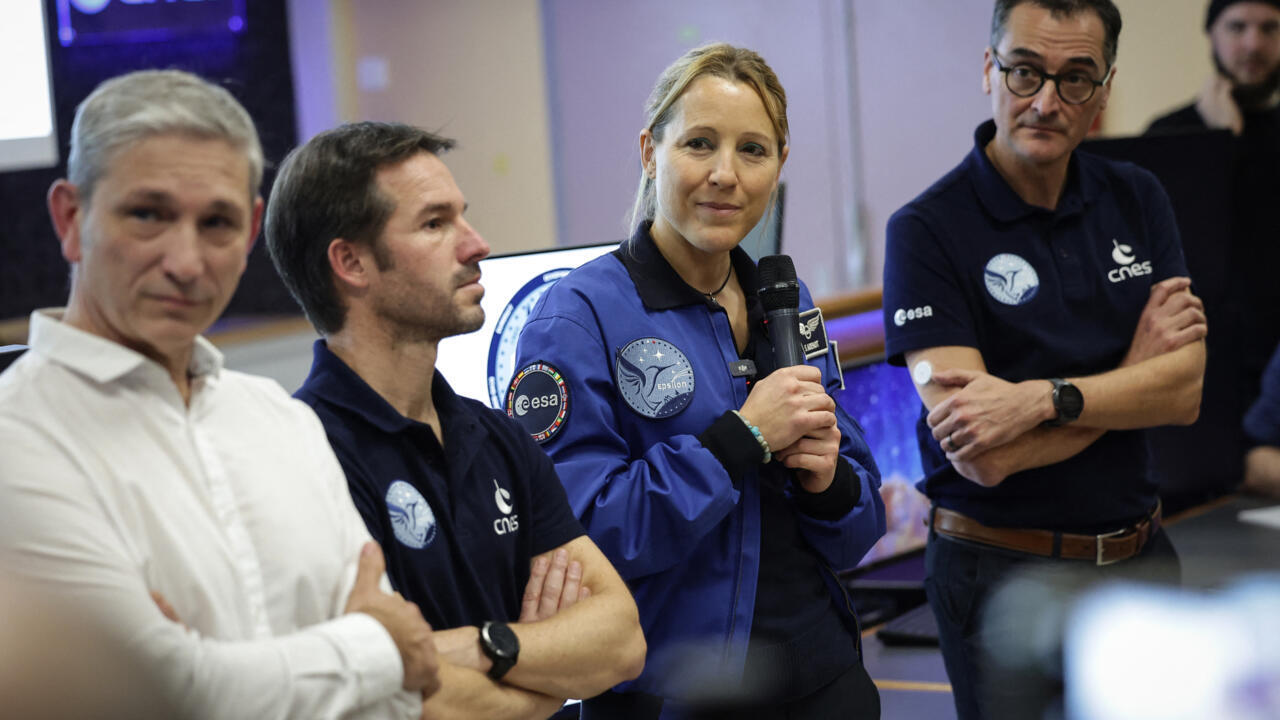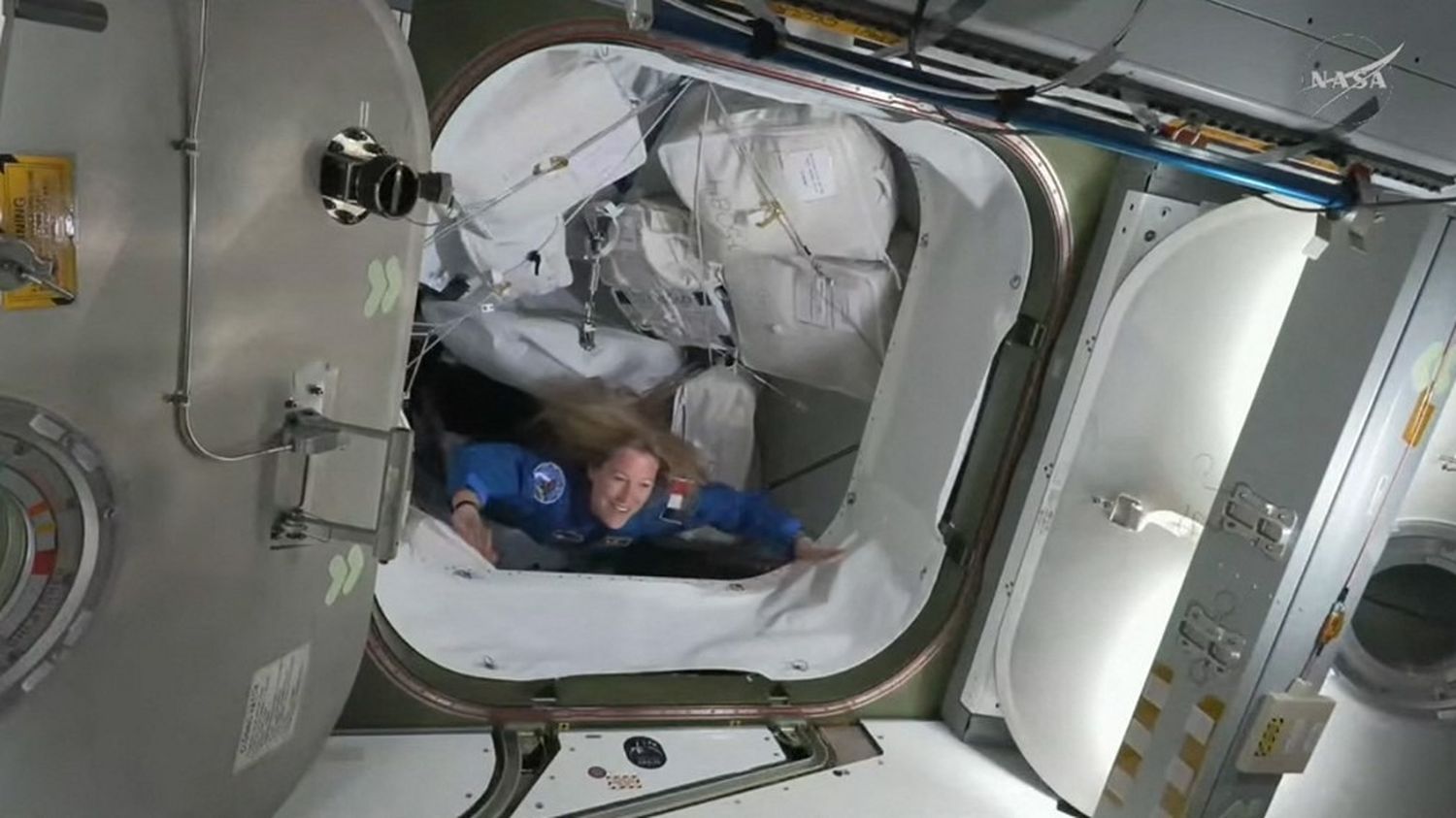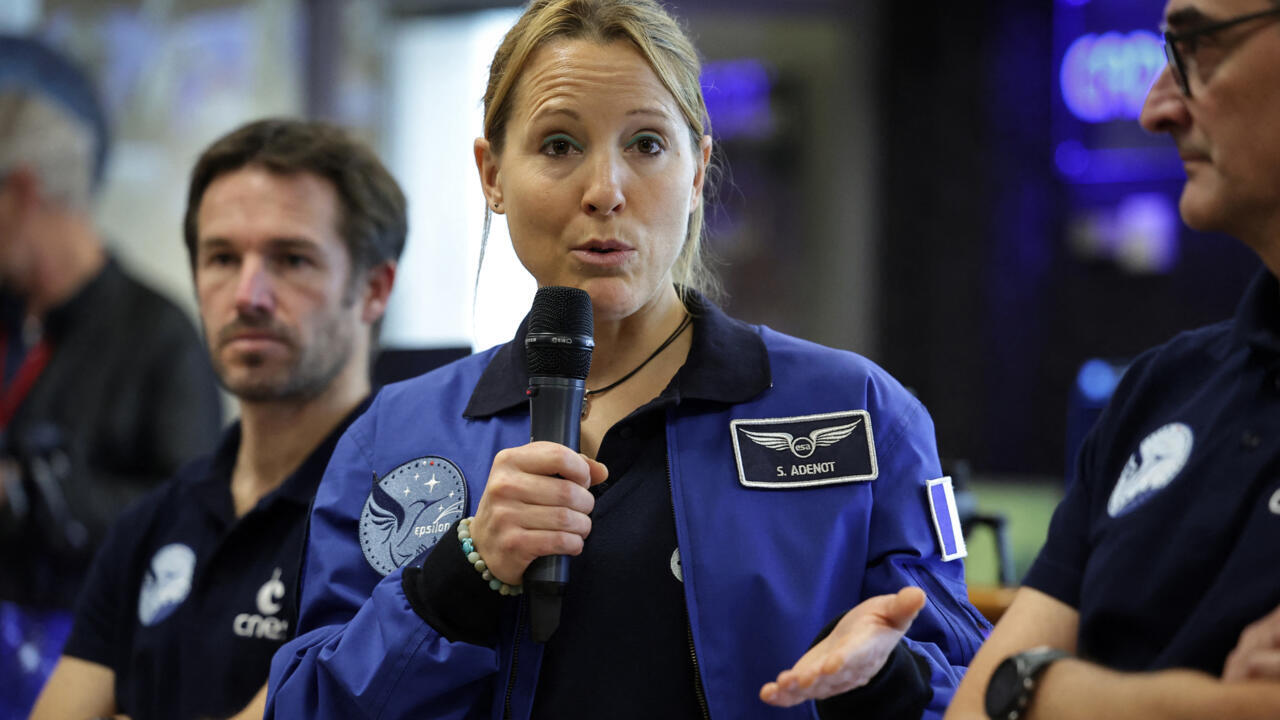
French astronaut Sophie Adenot’s first mission to the International Space Station is being brought forward and extended to nine months after an unprecedented medical evacuation forced a reshuffle of the station’s crew rota.
Issued on: 15/01/2026 - 14:45
3 min Reading time
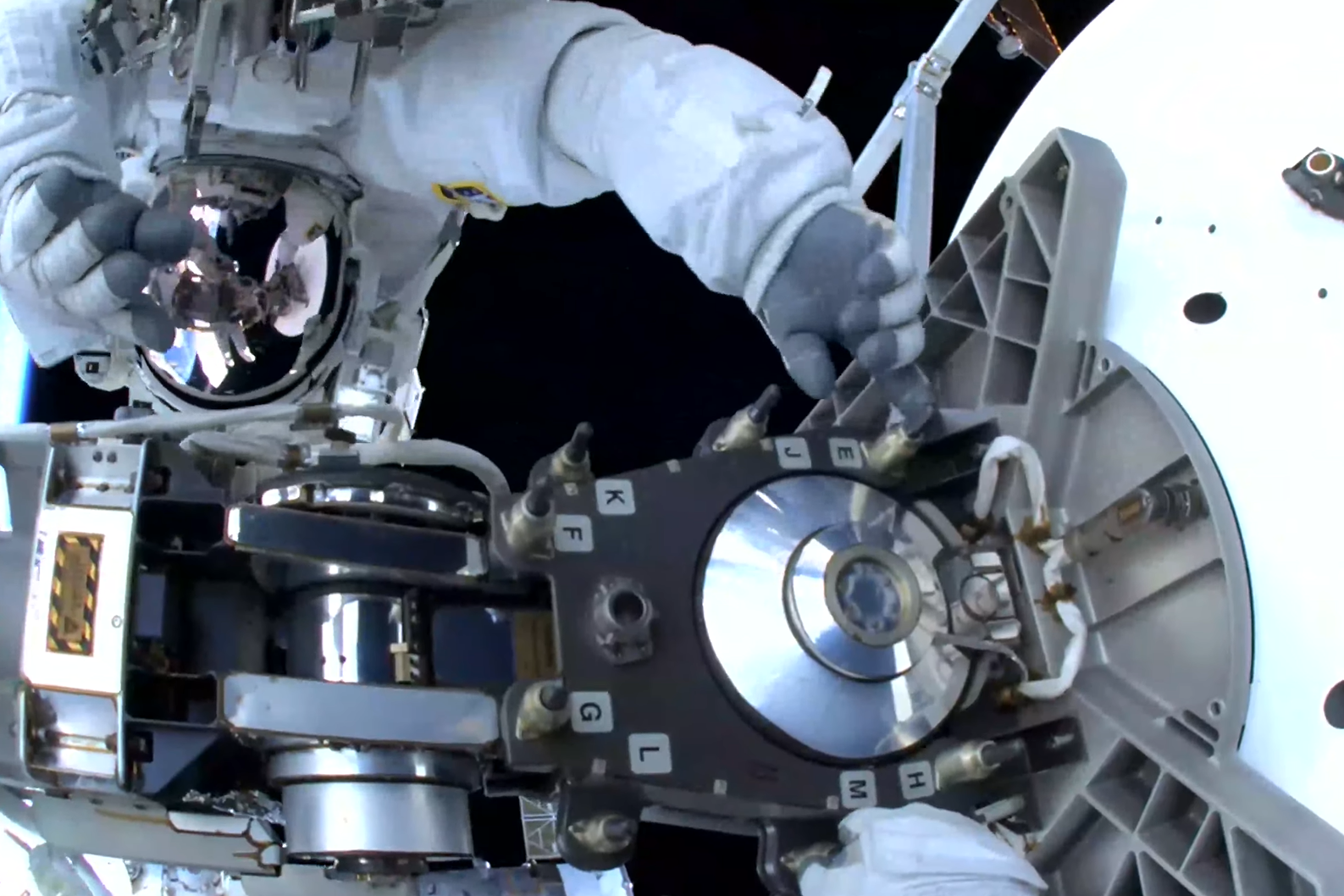
NASA said Adenot’s Epsilon mission, originally planned for mid-February, could now launch as early as 8 February from Florida. The space agency also confirmed the mission will last nine months instead of the usual six. The change tightens an already packed training and launch schedule for the 43-year-old test pilot, who is part of the European Space Agency’s (ESA) astronaut corps. NASA had previously planned the launch “no earlier than 15 February” 2026 aboard a SpaceX Crew Dragon as part of the Crew-12 mission. After the early return of Crew-11, US planners are now studying options to move the launch forward by several days to maintain a continuous human presence on the station. French astronaut Thomas Pesquet sets his sights on the Moon after ISS success Extended stay The extension to nine months makes the mission one of the longest stays ever assigned to a European astronaut on the ISS. Adenot has said she is preparing for “a marathon, not a sprint” in microgravity, with a heavier workload of scientific experiments during the longer mission. The changes follow the first medical evacuation in the history of the ISS, which has been continuously inhabited for more than 25 years. Four members of NASA’s Crew-11 mission splashed down in the Pacific Ocean off San Diego after their flight was cut short by about a month because of a health problem affecting one astronaut. NASA has not identified the crewmember or given details of the diagnosis, saying the condition is stable and that the return was a precaution to allow full medical checks on the ground. Agency doctors cited a “lingering risk and a lingering question” around the diagnosis, leading to a carefully weighed decision rather than an emergency evacuation.