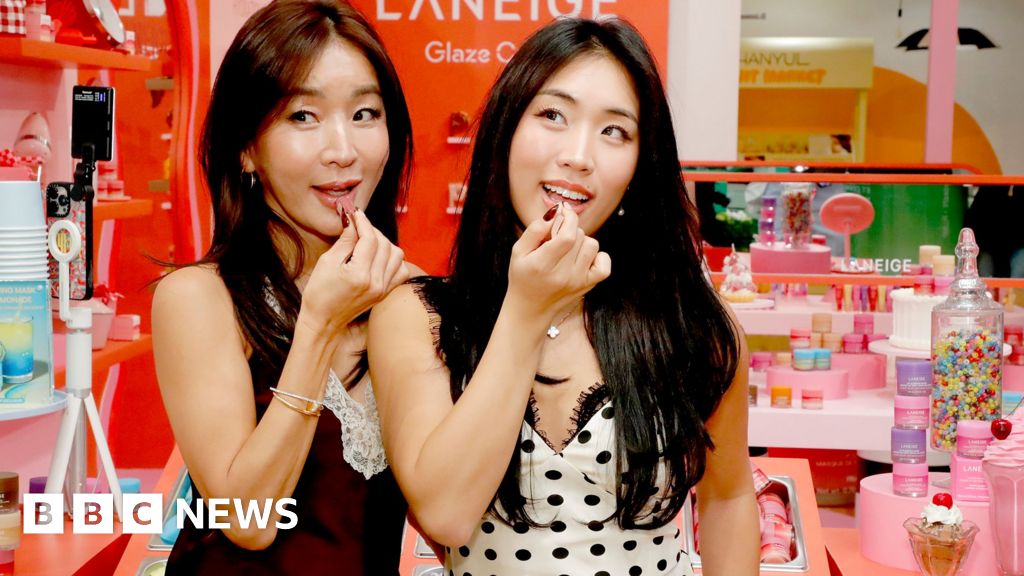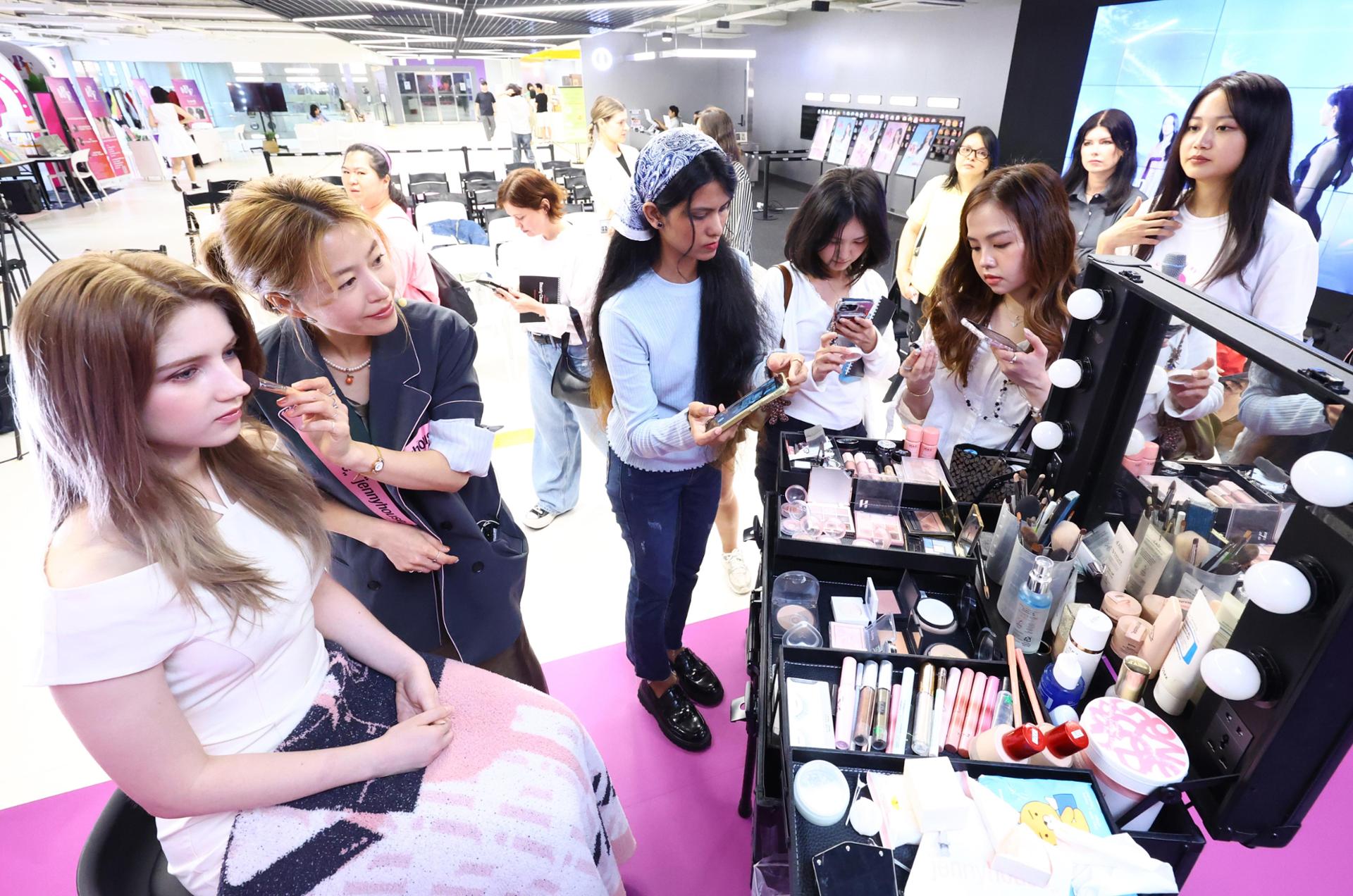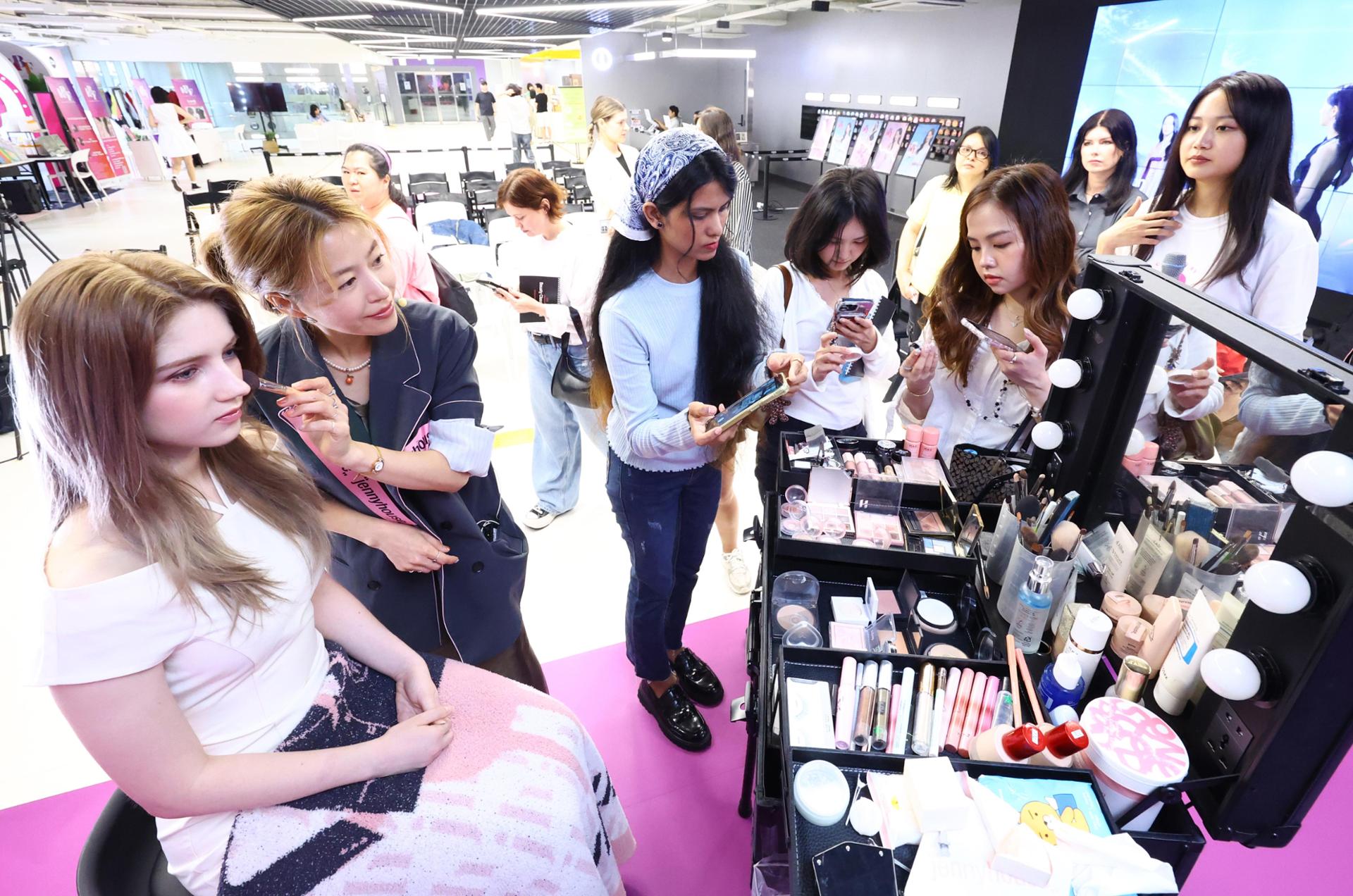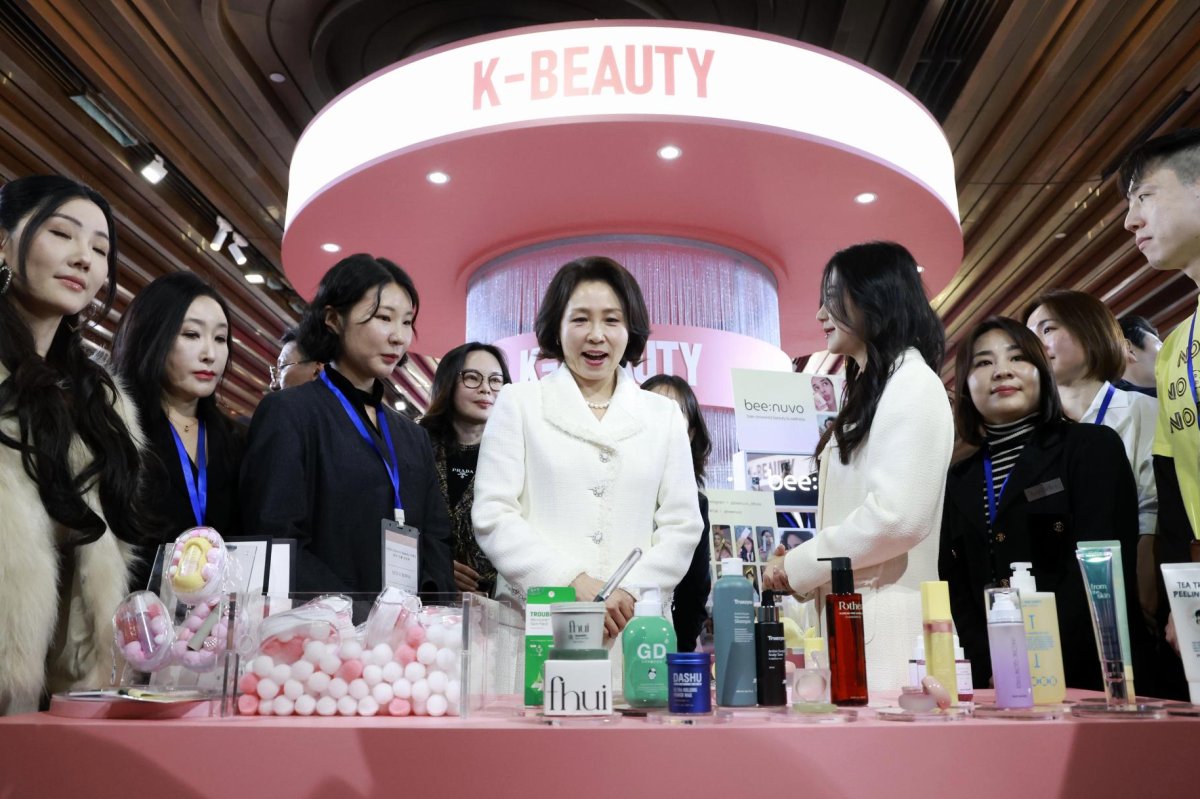
K-beauty is more than just a cosmetics trend. South Korea has combined popular culture, innovation and national strategy to create a business model where beauty products are an economic and political tool.
First it was cars and electronics, then pop music and films, and now the beauty industry: skincare and cosmetics "made in Korea" are in demand all over the world.
More and more Westerners are raving about South Korean beauty products. This success is no coincidence, nor is it a purely aesthetic phenomenon.
The East Asian country has made its cultural exports an important source of soft power. What's known as "K-beauty" relies on a combination of cultural dynamics, economic strategy and geopolitical positioning.
"Soft power means using attractiveness, not force, to influence others," said Hannes Mosler, a political scientist and Korea expert at the University of Duisburg-Essen. This is crucial for a country like South Korea, he added.