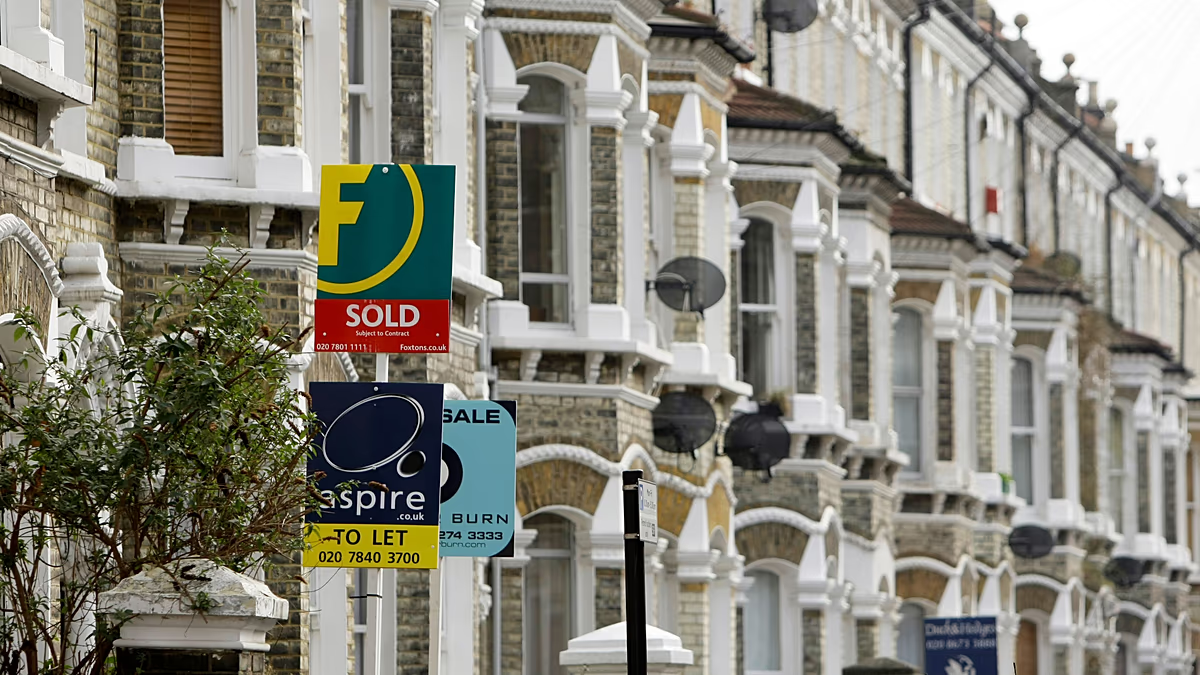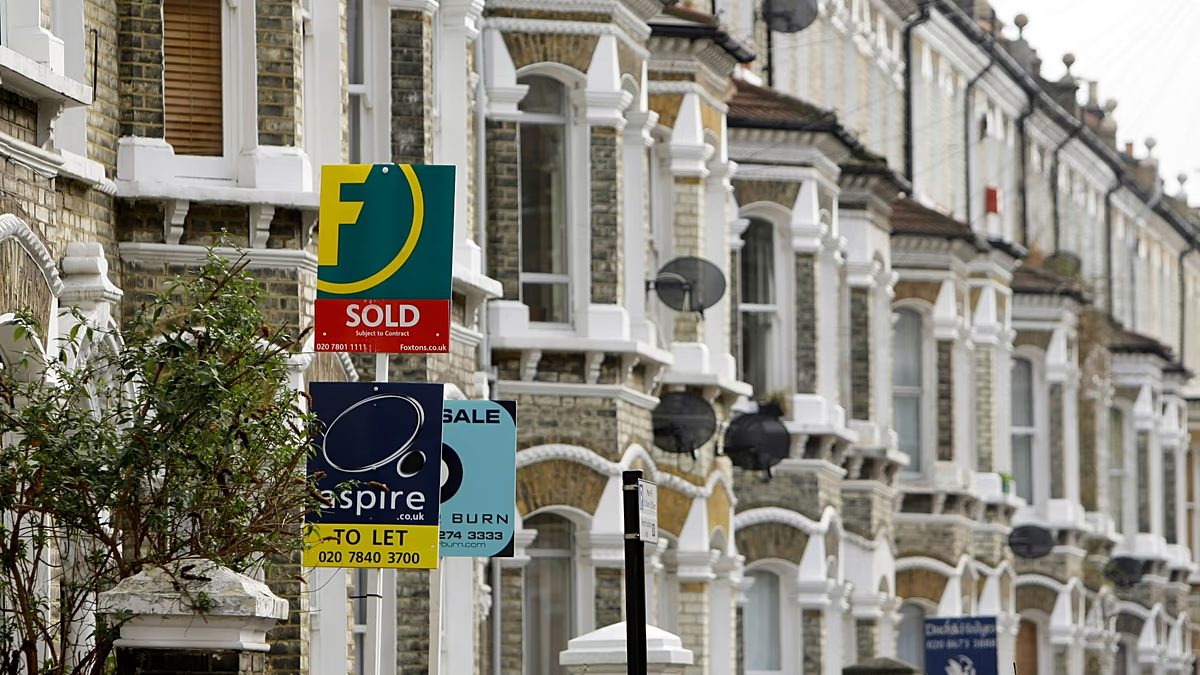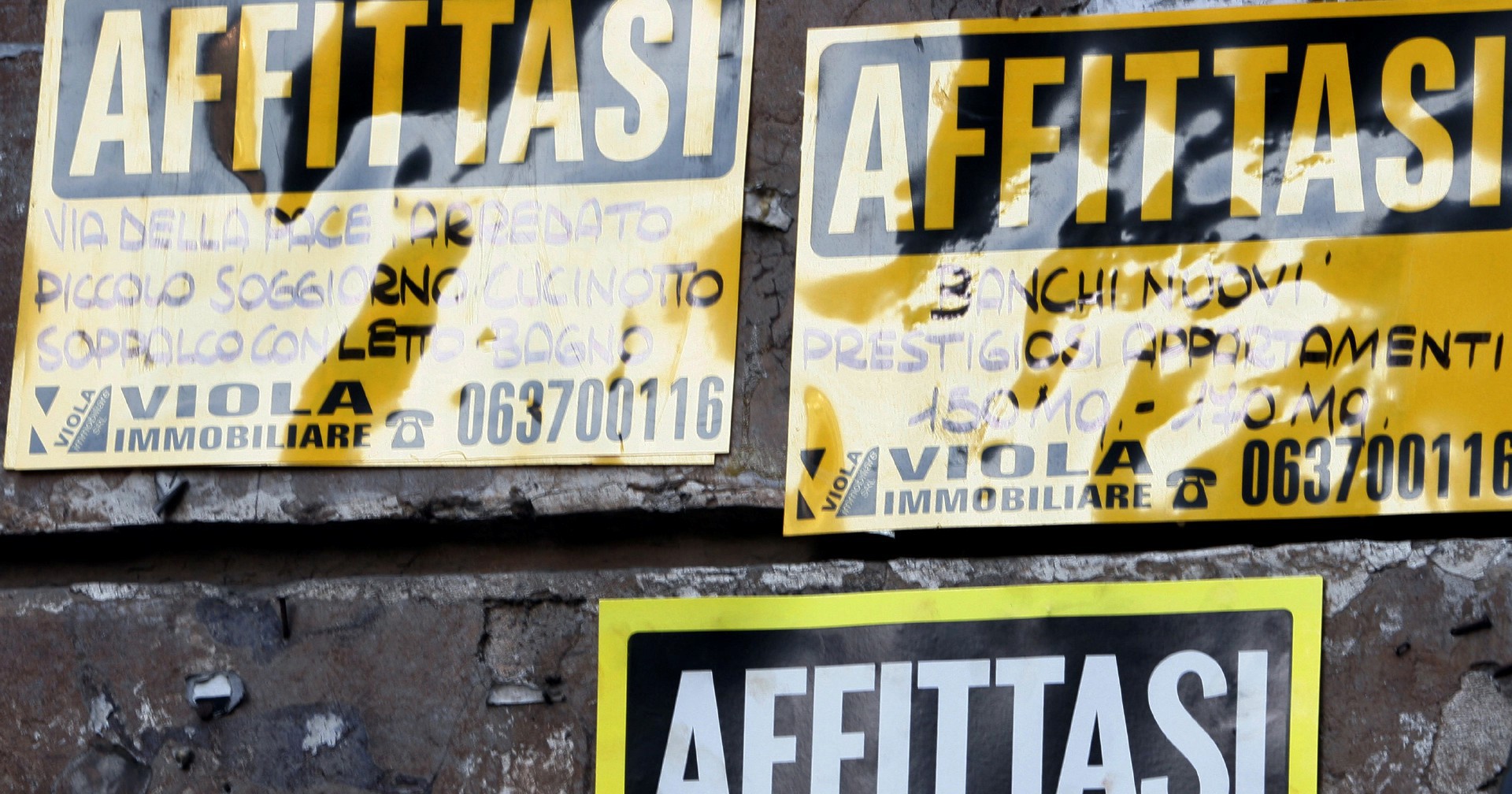
Housing and utility bills are the largest expenditure category for European households. According to Eurostat's most recent figures, 23.6% of household spending in the EU goes to housing, water, electricity, gas and other fuels in the EU. Rents account for a particularly large share in major cities.
More importantly, rent is a significant burden for minimum wage earners, exceeding their monthly earnings in many European capital cities.
So, in which capital cities does rent exceed gross minimum wage levels? And what portion of the minimum wage goes to rent across European capitals?
According to a European Trade Union Confederation (ETUC) analysis based on EU data, the average cost of renting a two-bedroom flat in capital cities in the majority of EU countries exceeds the gross minimum wage.
Only in five EU countries with a minimum wage does monthly rent fall below the minimum wage. However, as both Eurostat and ETUC figures are based on gross minimum wages, the actual burden on workers is likely even higher when net wages are taken into account.