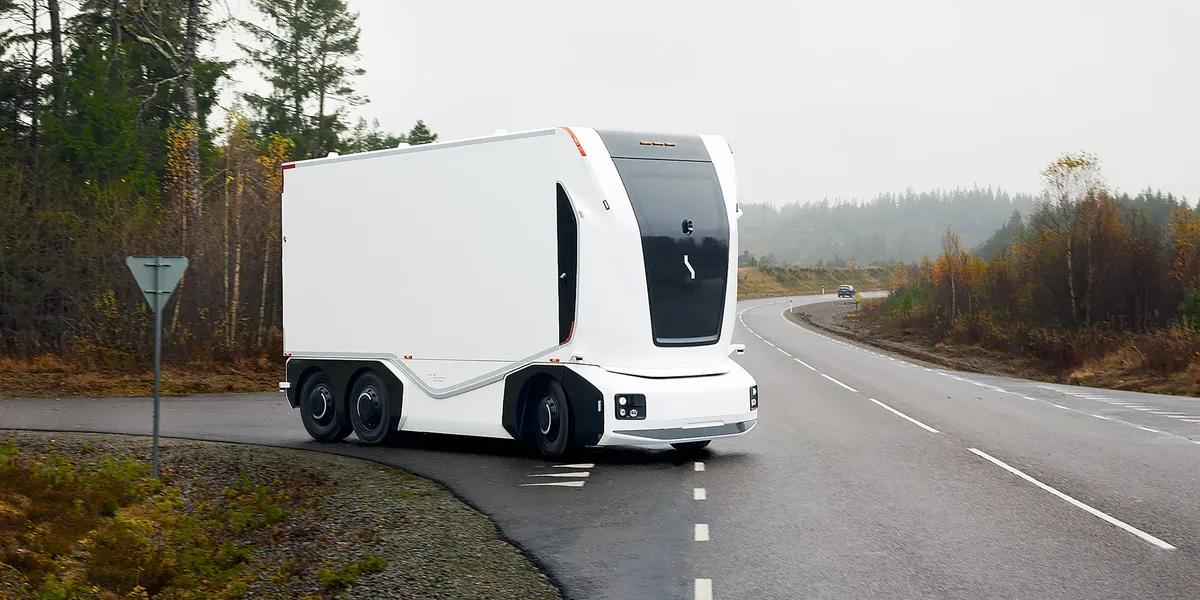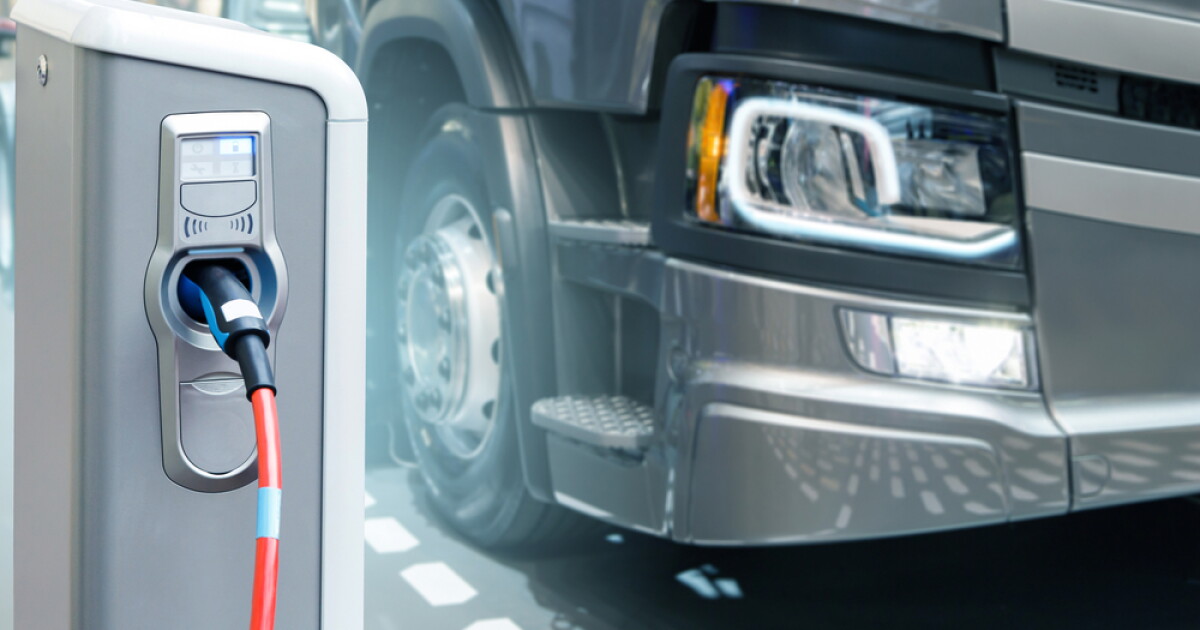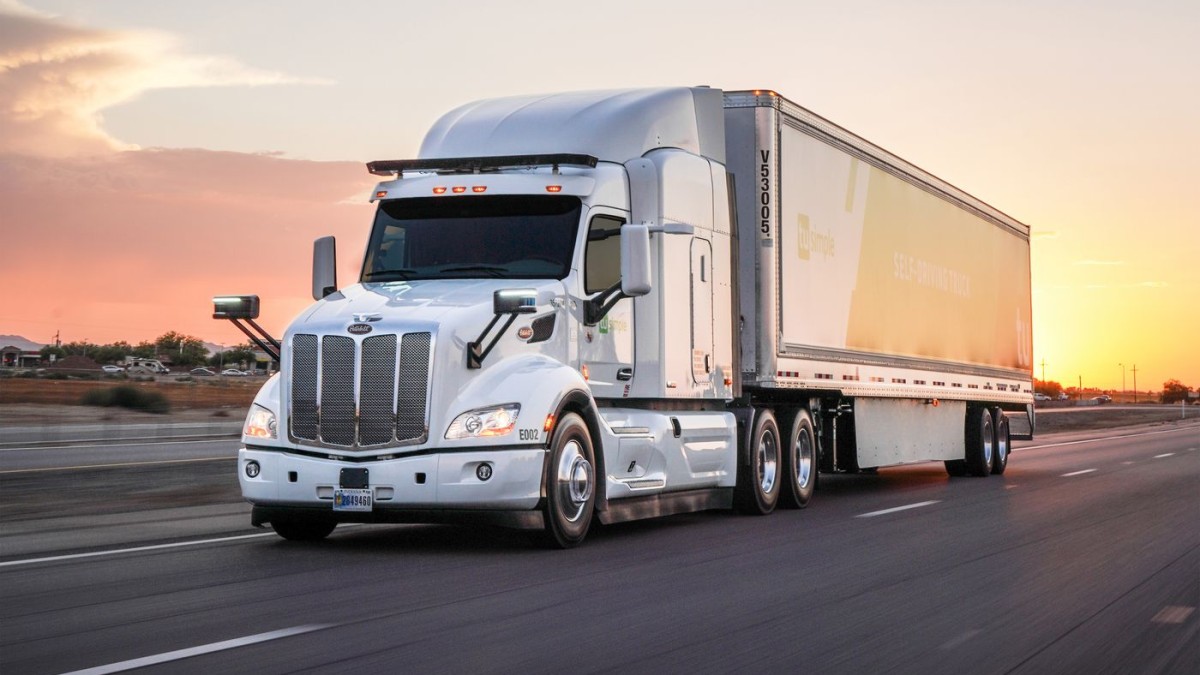
Diesel is the workhorse of the economy. It fuels most heavy machinery, from tractors to trucks. These applications have traditionally been considered “hard-to-abate” – too costly and technically challenging to decarbonise easily.
One grievance aired by fuel protesters last month was that there is “no alternative to diesel”, making carbon taxes feel unfair and ineffective.
This was true historically. Batteries were too expensive, bulky and heavy to realistically allow electricity to compete with diesel.
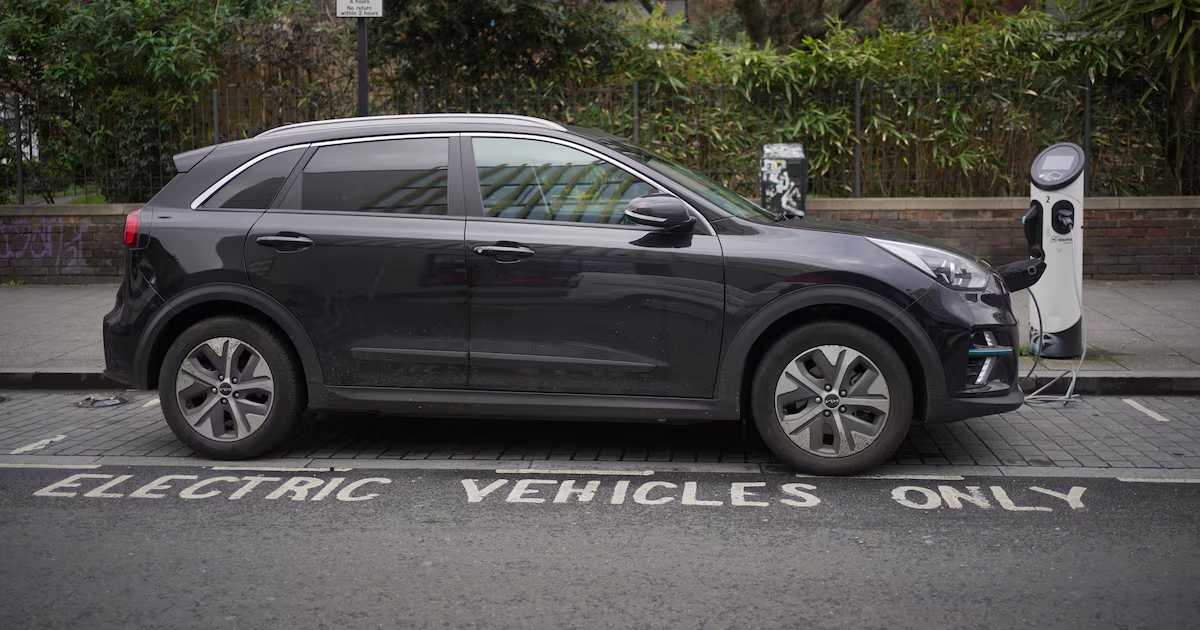
But electric-vehicle technology has been advancing at a spectacular pace, and a tipping point is now emerging in the electrification of freight. The speed at which this is happening in leading countries is one of the most underappreciated stories in the energy transition.
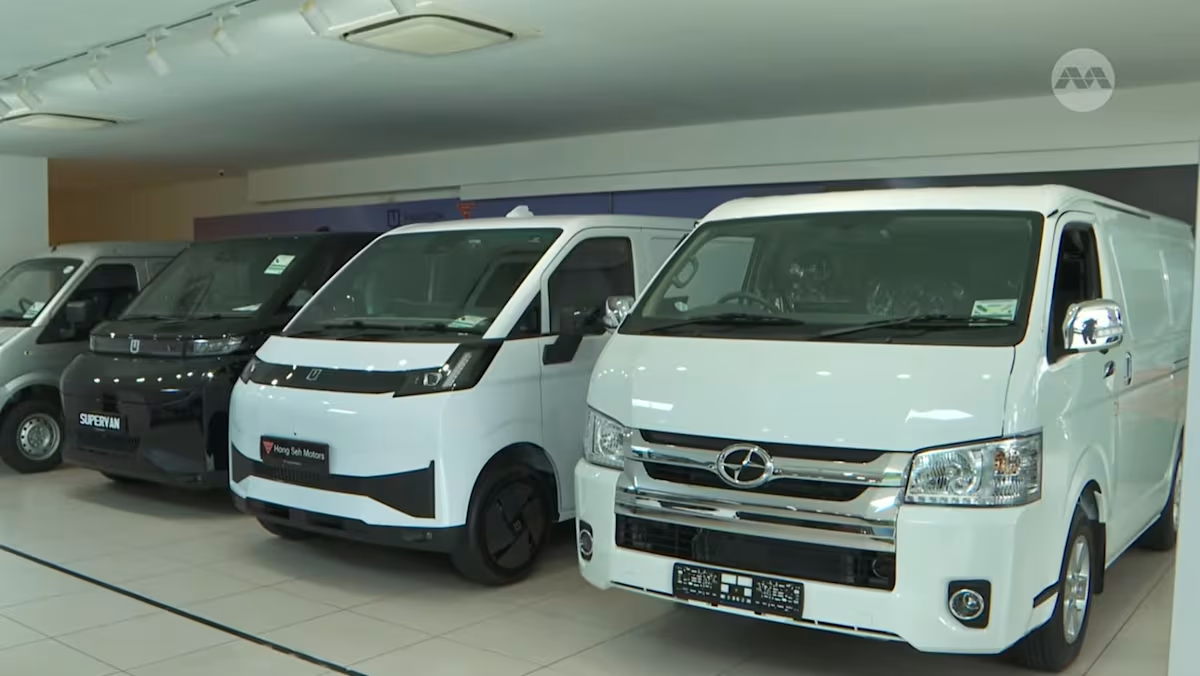
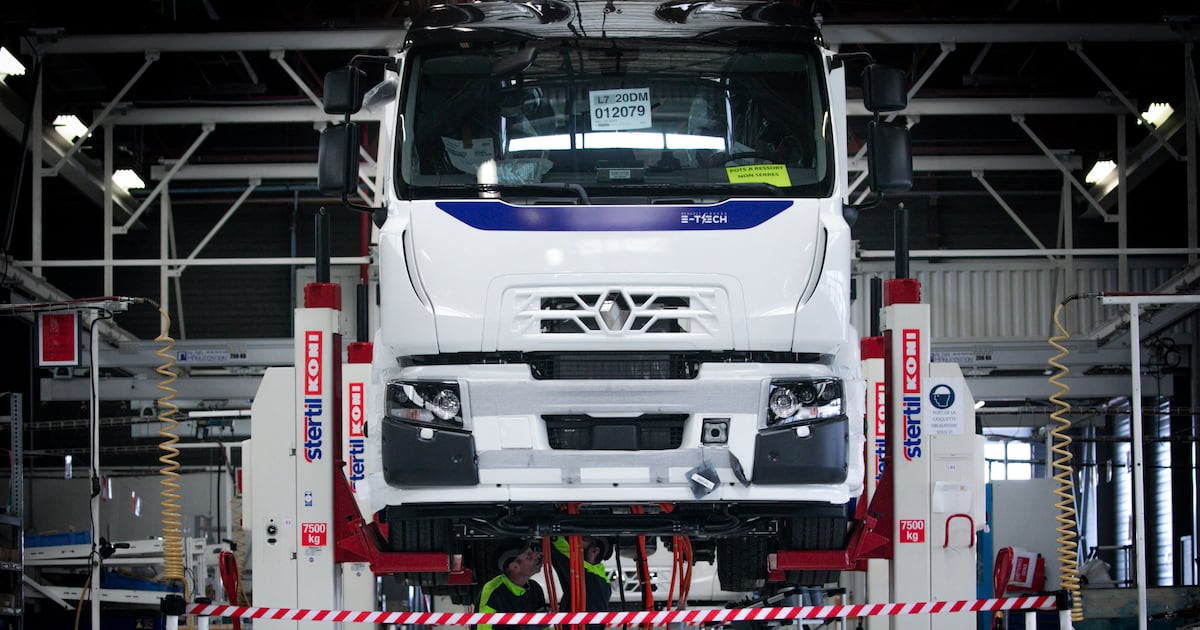
Sales of zero-emissions medium-sized trucks and vans (freight vehicles weighing below 12 tonnes) reached a 21 per cent sales share across Europe in 2025, more than doubling from 10 per cent the previous year.