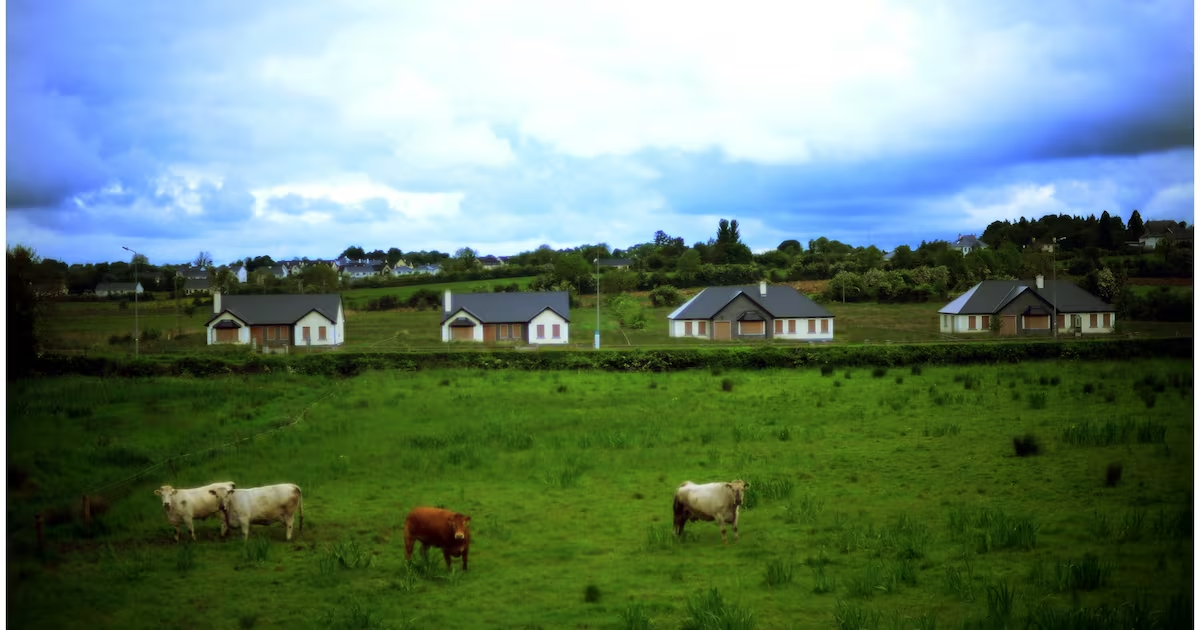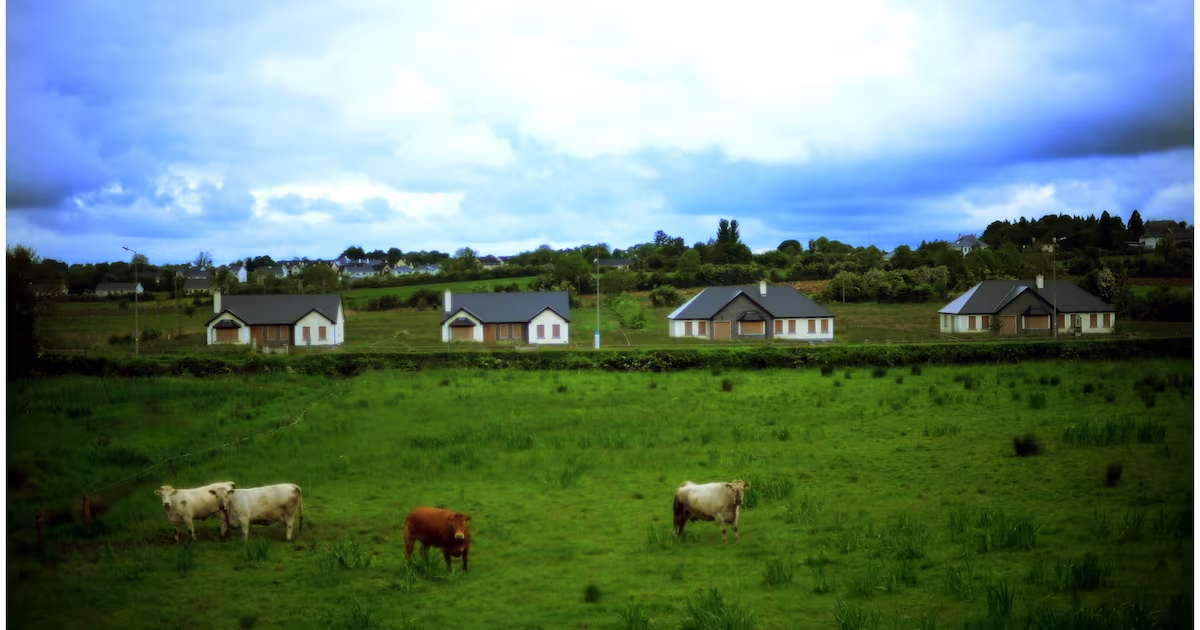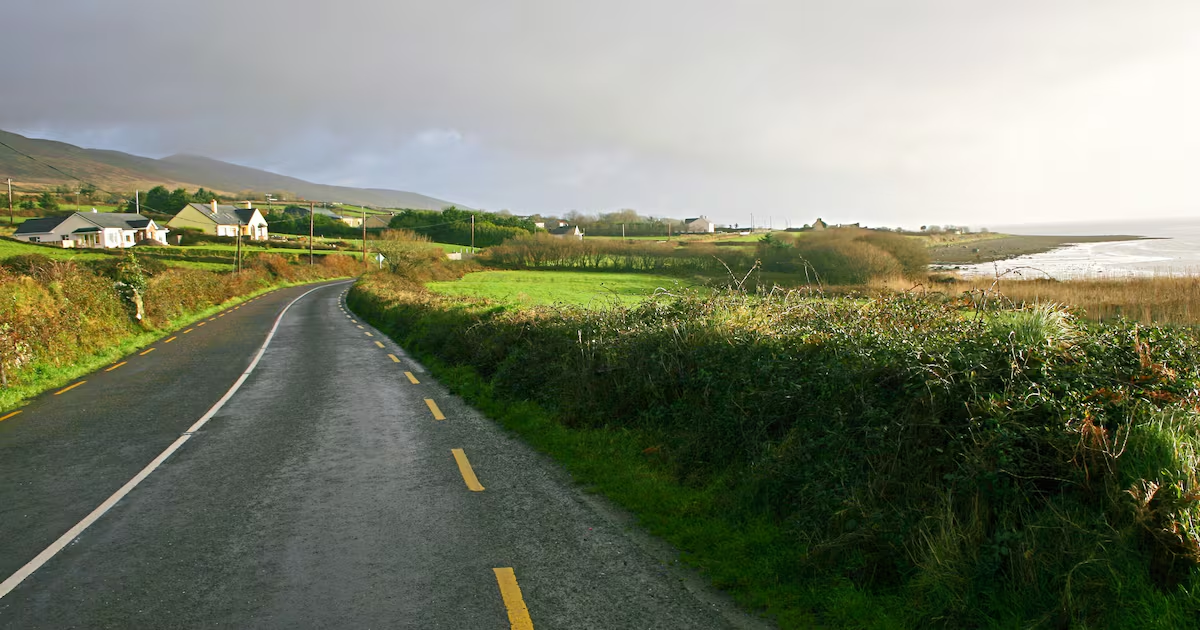
Any discussion of our response to global warming and climate change is unduly polarised between points of view held by eco-activists on the one hand and sceptics on the other. Without needless controversy, there are some serious issues on which I believe fair-minded discussion is badly needed. One of these is what is often referred to as one-off rural housing.
Older ordnance survey maps show a proliferation of black rectangles signifying dwelling houses profusely scattered across the landscape. In many cases, such dwellings have fallen into ruin in the last 70 years or been transformed into agricultural sheds. A walk down many rural byroads shows how many such dwellings are no longer used for human habitation.
The new orthodoxy disapproves of one-off rural homebuilding, save in very exceptional circumstances, and has a very strong preference for planning guidelines that encourage new homebuilding outside cities to be located in towns and villages, rather than dispersed in rural areas. Sustainability arguments are made in support of this policy, based on claims that concentration of dwellings reduces the need and cost of transport, provision of social infrastructure, provision of services such as water, waste management, energy and telecommunications, and ease of access to schools, shops and commercial outlets.