ByJohn Samuels,
Contributor.
One of the greatest challenges in public health is not identifying danger. It is helping people understand relative risk. Human beings are notoriously poor at assessing risk accurately. We fear threats that are dramatic, emotional, unfamiliar, and highly visible, while often ignoring the quieter risks statistically far more likely to harm us. The recent attention surrounding hantavirus is a useful example.
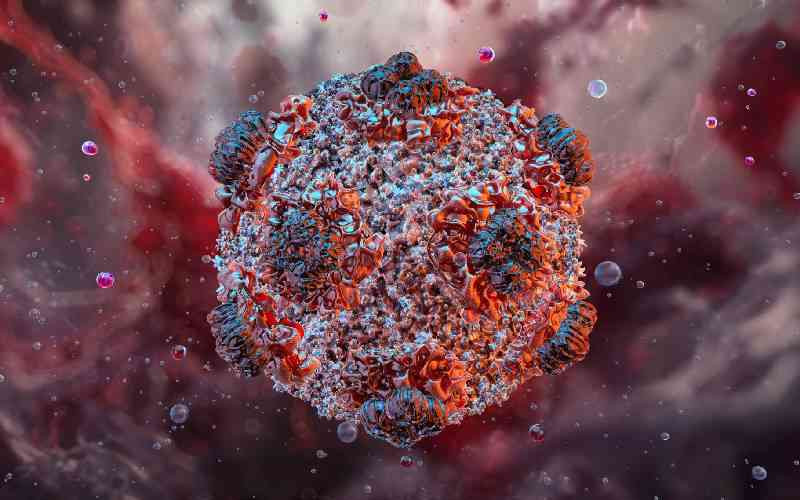
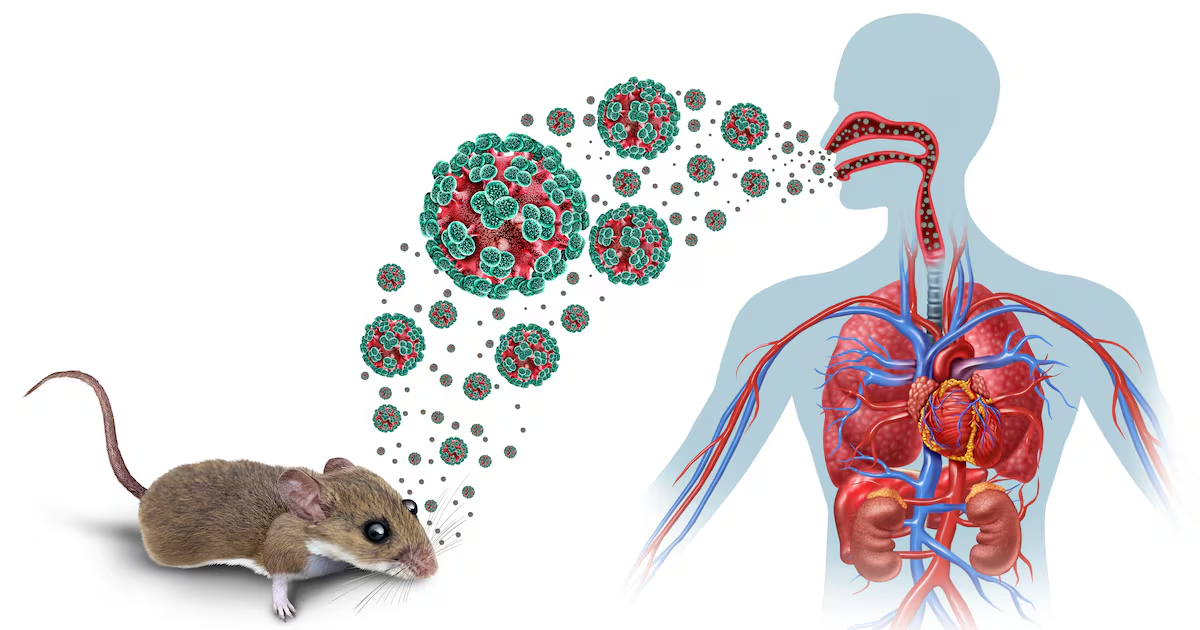
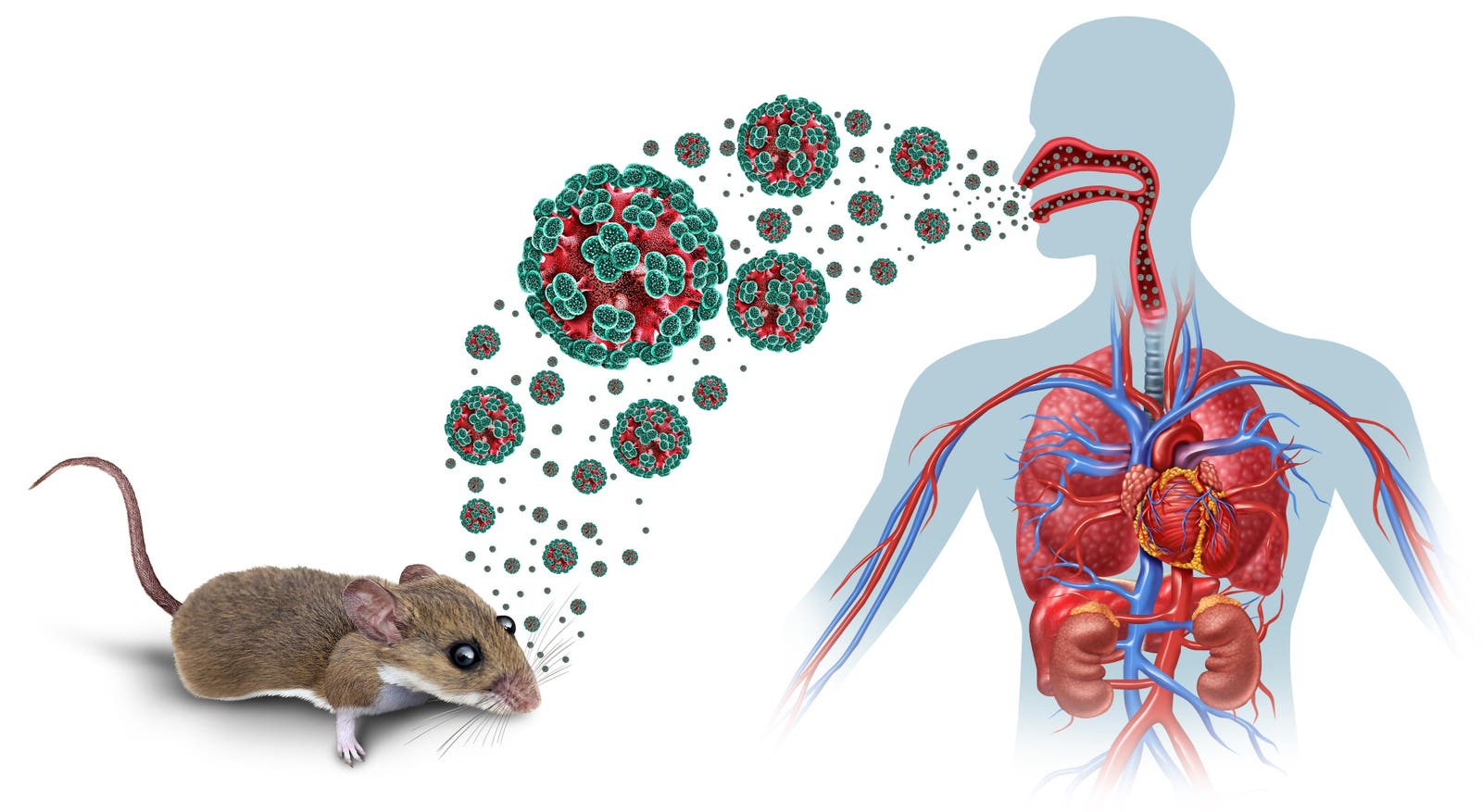
Hantavirus is rare, but terrifying. Spread primarily through exposure to infected rodent droppings, the virus can cause severe respiratory illness with a high fatality rate in confirmed cases. That combination — rarity paired with severity — makes it psychologically powerful. News coverage amplifies the fear because the story feels vivid and uncontrollable.
But for most Americans, the actual statistical risk remains extraordinarily low. According to the Centers for Disease Control and Prevention, fewer than 900 confirmed hantavirus cases have been reported in the United States since tracking began in 1993.