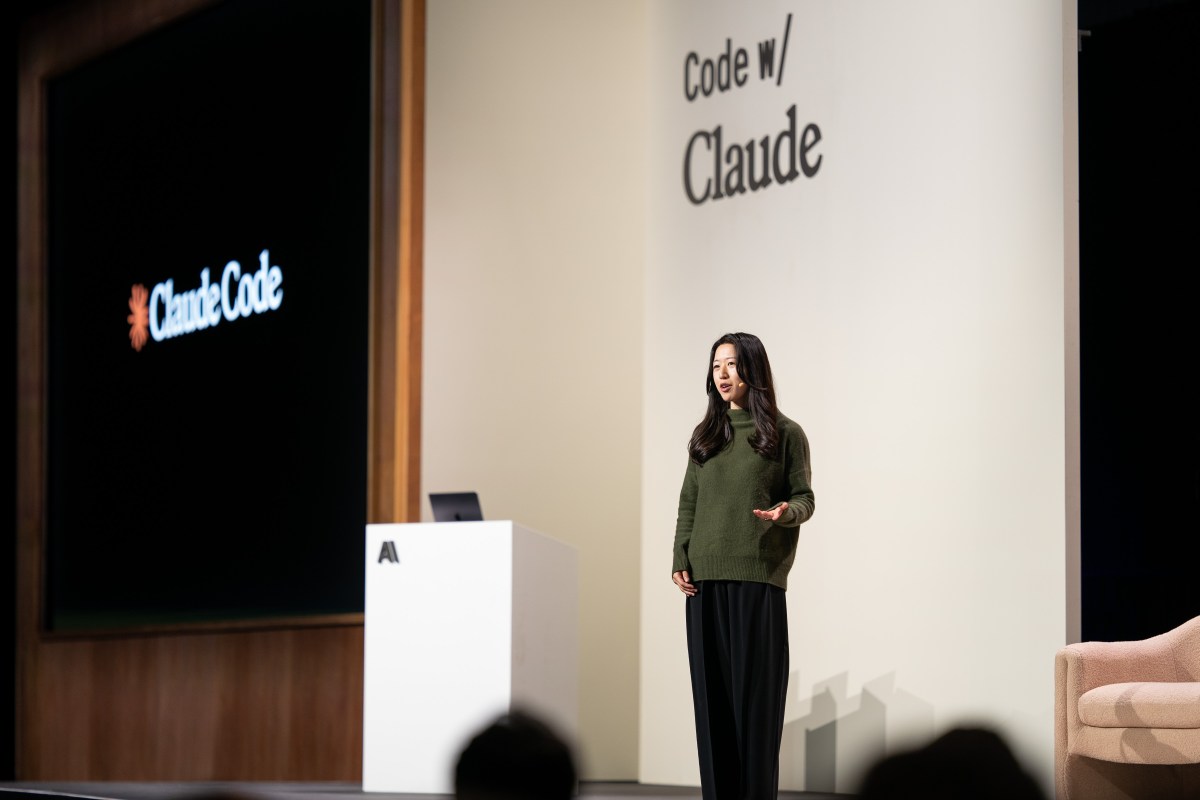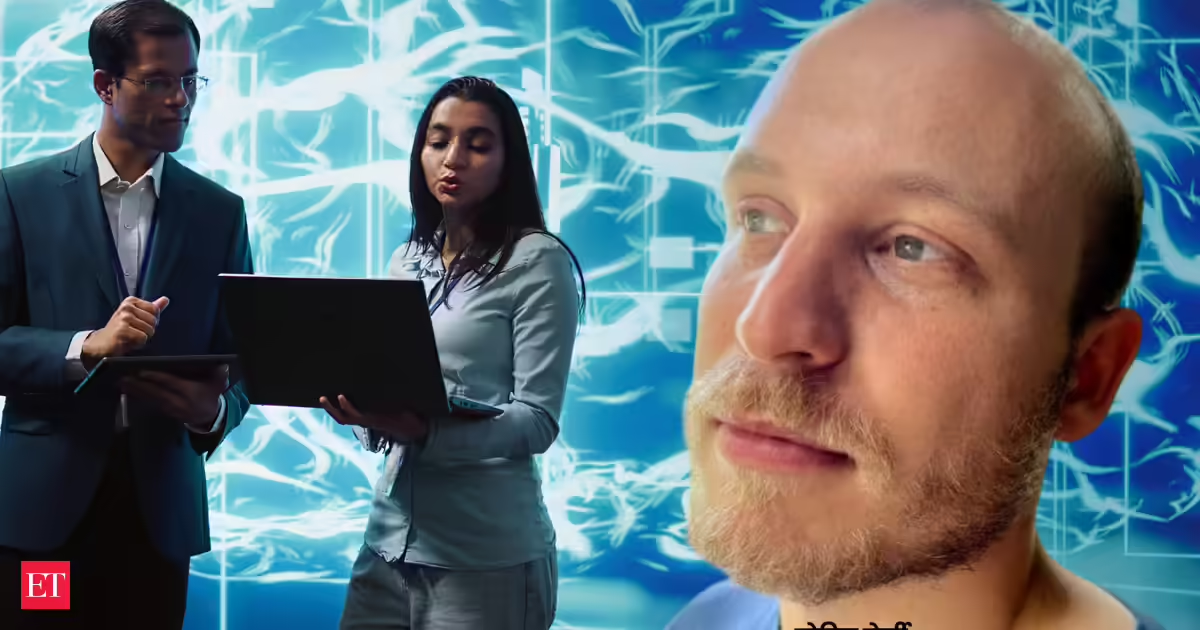
SynopsisAnthropic’s Claude Code product head Cat Wu says the next phase of AI will be defined by proactive systems that can understand workflows, anticipate user needs and automate repetitive tasks. Her remarks highlight how AI-native tools are reshaping software development and productivity, while reinforcing the continued importance of human expertise, oversight and decision-making in increasingly autonomous work environments.Listen to this article in summarized formatET OnlineThe AI industry is entering a new phase where the conversation is no longer centred on whether machines can assist humans, but on how seamlessly they can work alongside them. As AI systems become more capable of understanding workflows, automating decisions, and anticipating user needs, technology leaders are beginning to reimagine what productivity itself could look like in an AI-native world. That shift came into focus this week after Cat Wu, Anthropic’s product head for Claude Code and Claude Cowork, shared her vision for the next generation of intelligent software systems.Speaking during Anthropic’s “Code with Claude” conference in San Francisco, Wu described a future where AI systems do far more than respond to prompts. Instead, she suggested that the next generation of AI products will understand user workflows, recognise patterns, and proactively automate repetitive tasks before users even ask. Wu referred to “proactivity” as the next major leap for AI, signalling a broader industry move toward systems that function more like intelligent collaborators than traditional software tools.Her remarks quickly sparked conversations across the technology ecosystem, particularly around how AI is reshaping knowledge work and software development. While some online reactions framed the discussion through concerns around overreliance on automation, Wu’s broader message focused on productivity, scale and the changing role of human expertise in AI-native environment.The shift is already visible inside the engineering teams. AI coding tools are increasingly being used not only for autocomplete and debugging but also for generating implementations, summarising documentation, accelerating work flows and helping developers spend less time on repetitive processes and more time focusing on strategy, product thinking and higher level decision making.Importantly, Wu emphasised that human judgement remains central even as AI systems become more autonomous. One of the most widely discussed lines from her appearance was her observation that it is extremely hard to manage agents if one can't do the job themselves. The statement underscored a growing industry belief that while AI can dramatically increase productivity, strong domain expertise is still essential for oversight, direction and quality control.Wu also spoke about the extraordinary pace at which AI innovation is advancing. With new models, tools and capabilities launching almost weekly, professionals across industries are feeling pressure to stay current with rapidly evolving technologies. Yet that acceleration is also creating unprecedented opportunities for companies and individuals willing to adapt early to AI native workflows.The broader significance of Wu’s comments lies in how they reflect the industry’s evolving understanding of AI’s role in work itself. The focus is no longer only on whether AI can assist humans, but on how humans and intelligent systems can collaborate more seamlessly to unlock speed, efficiency and creativity at scale.As proactive AI systems mature, the next era of productivity may increasingly be defined not by humans competing with machines, but by how effectively the two operate together.Nominate now for ET AI Awards 2026.Disclaimer Statement: This content is authored by a 3rd party. The views expressed here are that of the respective authors/ entities and do not represent the views of Economic Times (ET). ET does not guarantee, vouch for or endorse any of its contents nor is responsible for them in any manner whatsoever. Please take all steps necessary to ascertain that any information and content provided is correct, updated, and verified. ET hereby disclaims any and all warranties, express or implied, relating to the report and any content therein.Read More News onRead More News on
AI’s next leap is proactivity, says Anthropic’s Claude Code Chief Cat Wu
Anthropics Claude Code product head Cat Wu says the next phase of AI will be defined by proactive systems that can understand workflows, anticipate user needs and automate repetitive tasks. Her remarks highlight how AI-native tools are reshaping software development and productivity, while reinforcing the continued importance of human expertise, oversight and decision-making in increasingly autonomous work environments.
632 words~3 min read