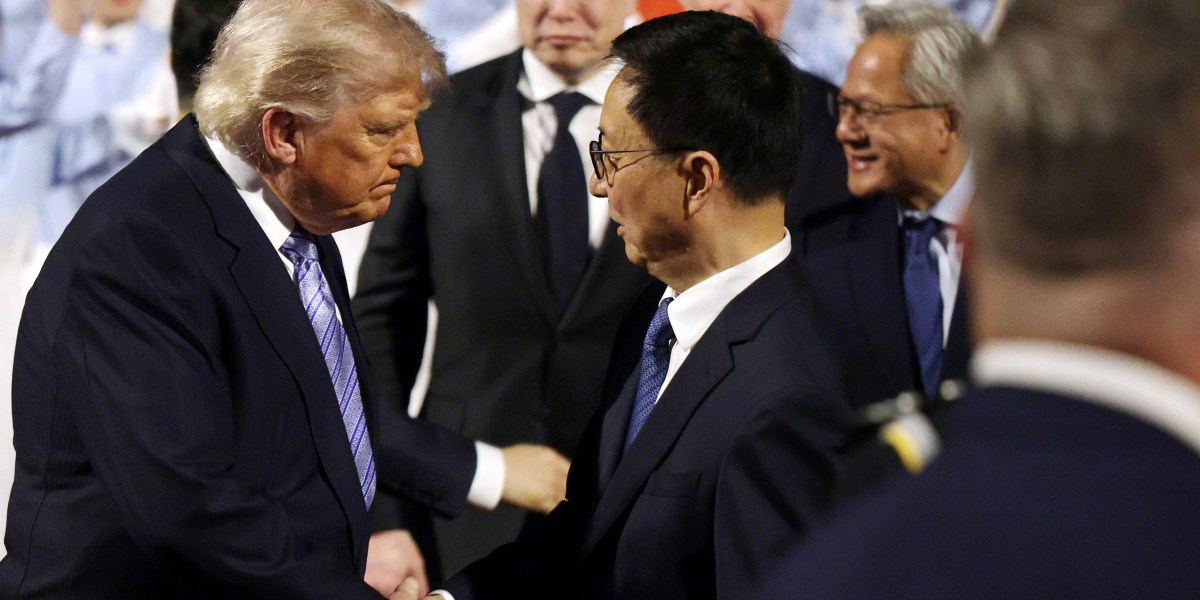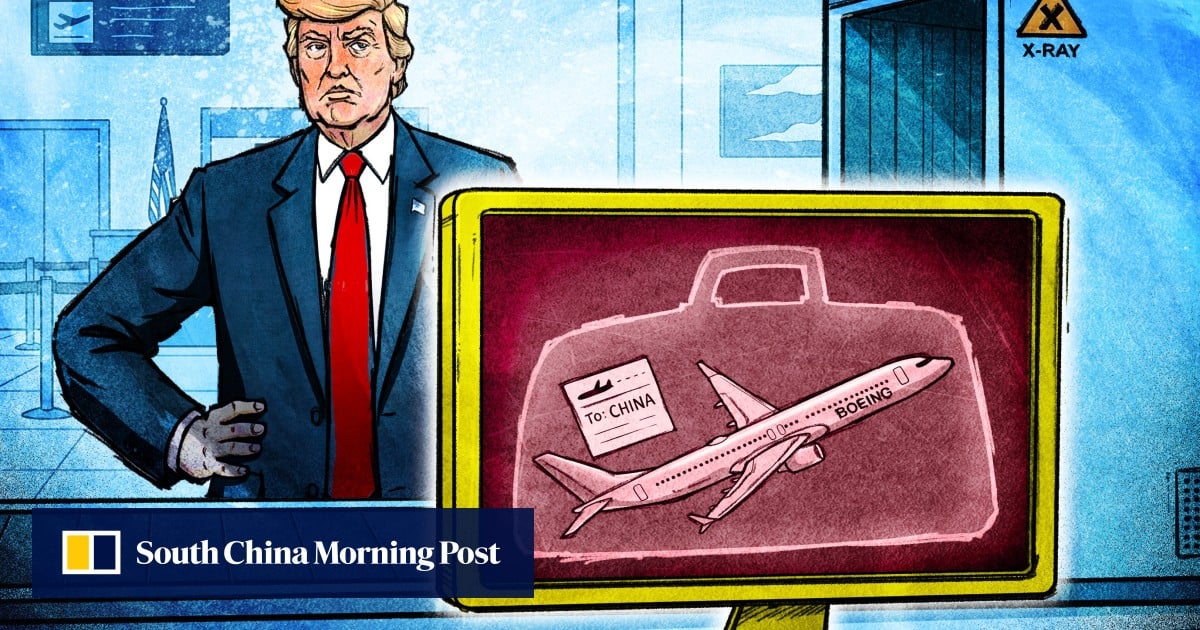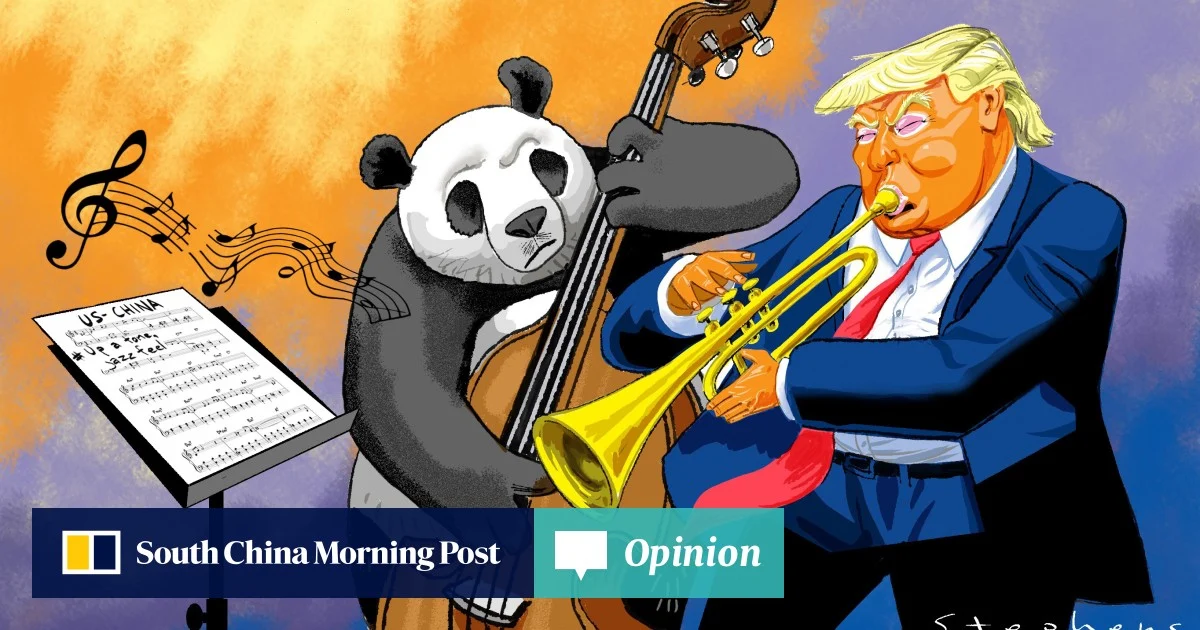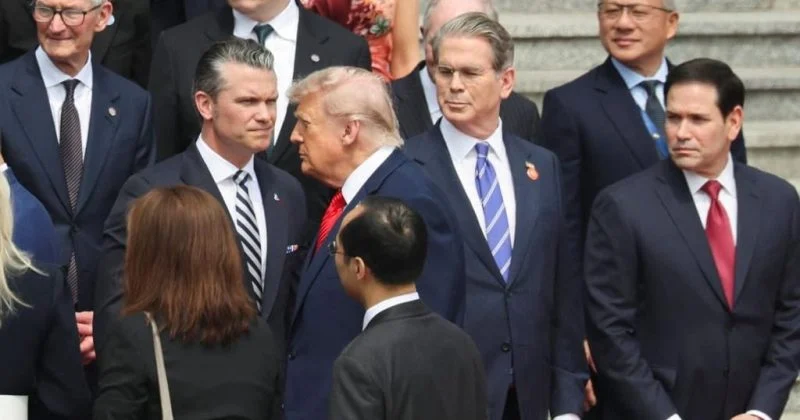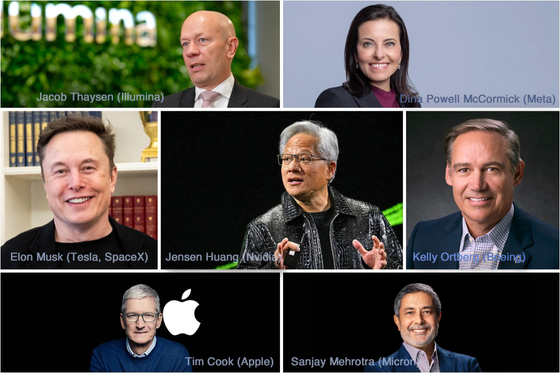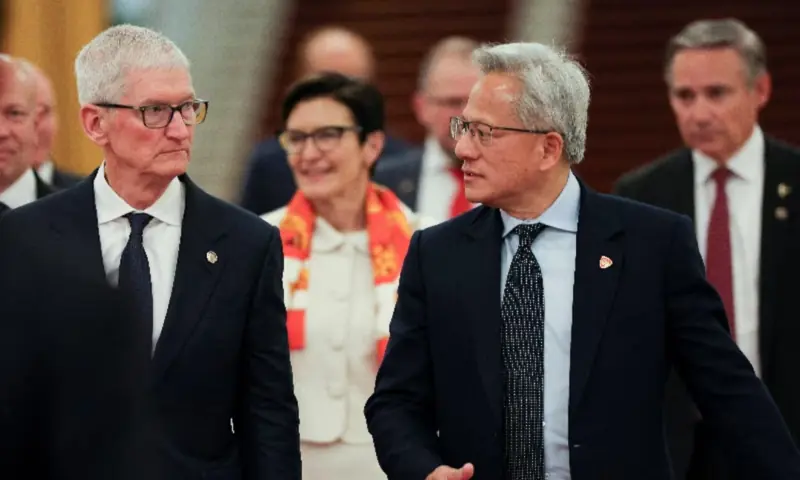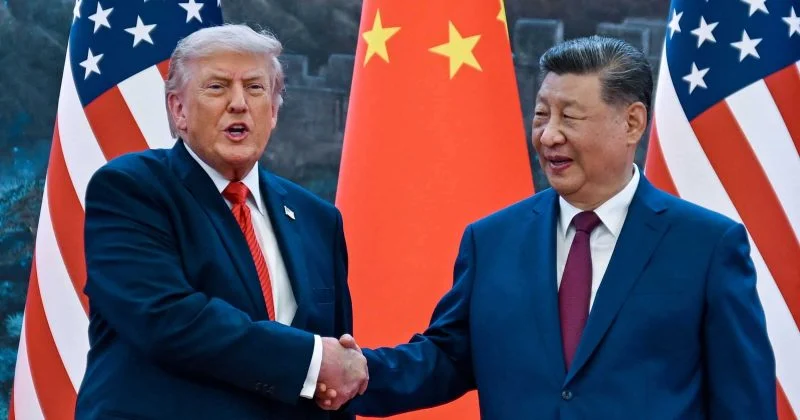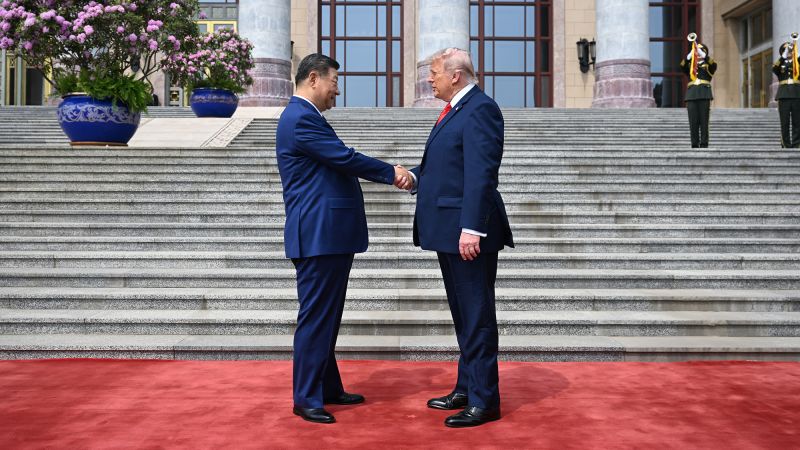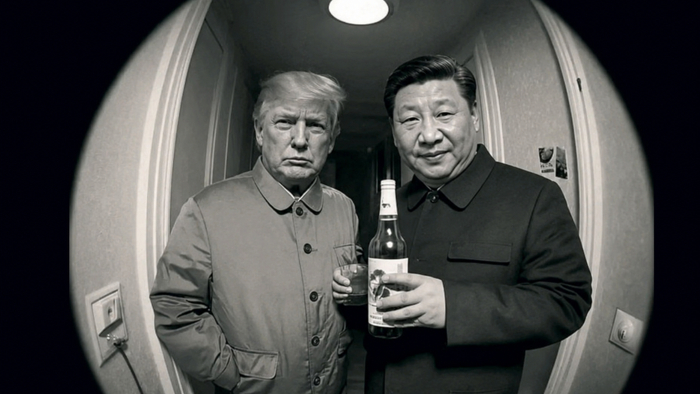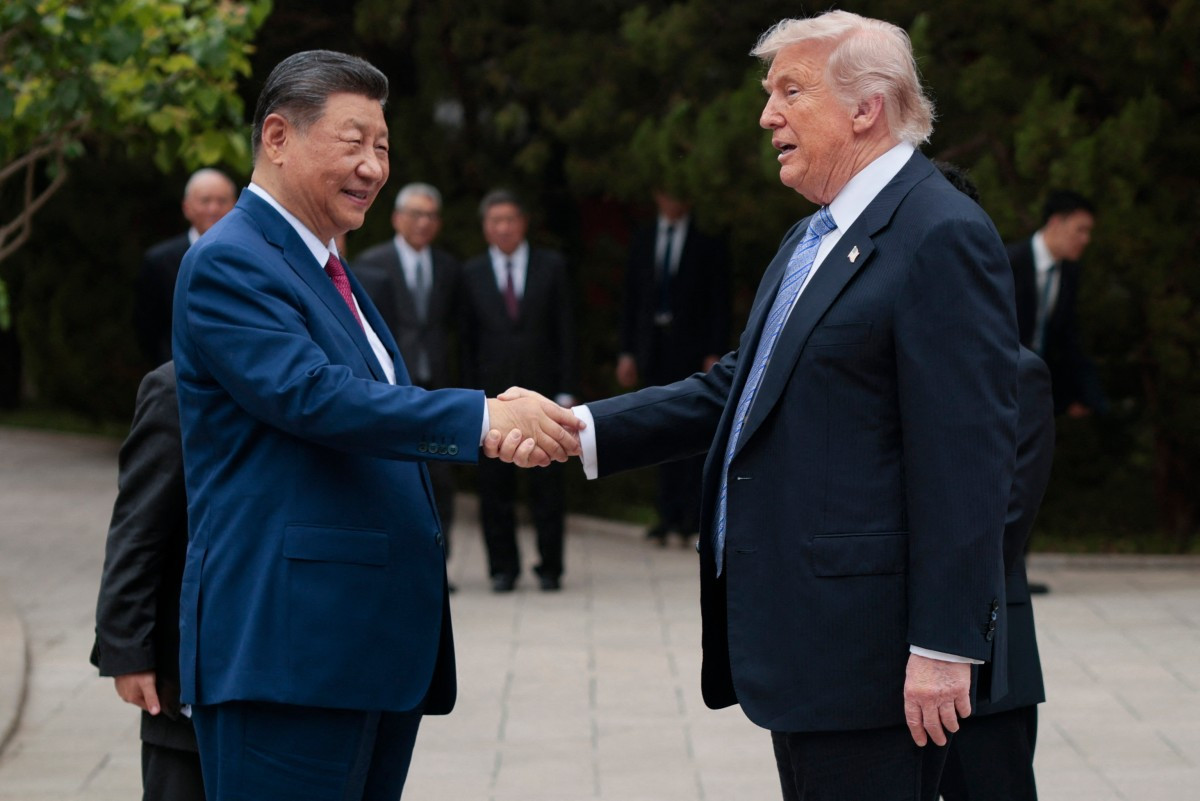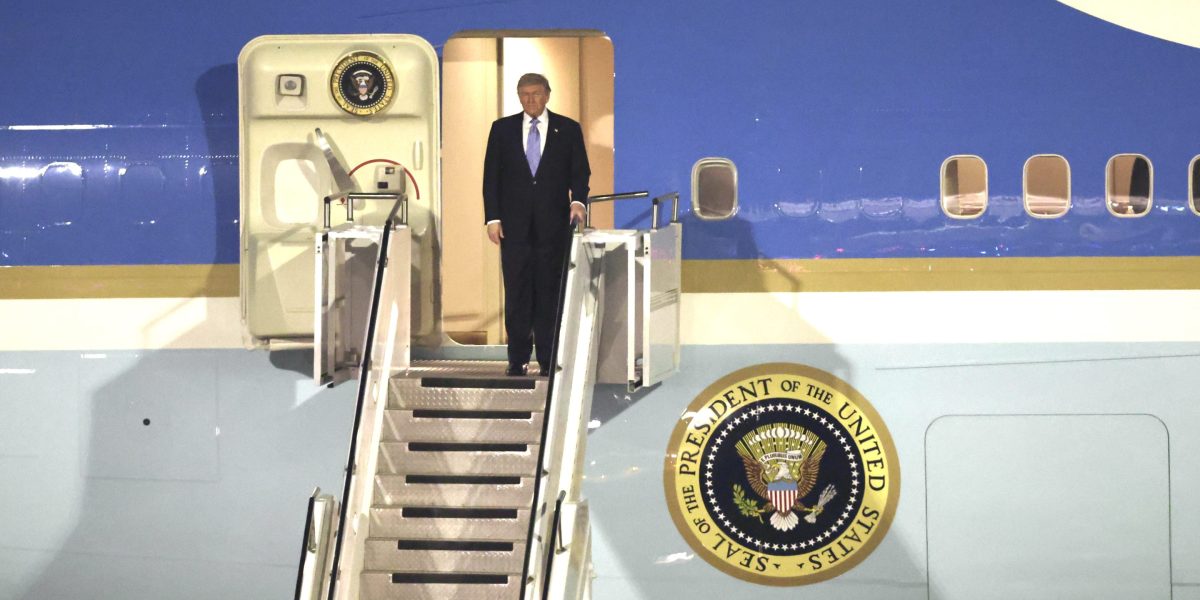
Good morning. While few expect a radical policy shift to result from the U.S.-China state visit, as my Hong Kong-based colleague Lee Williamson noted yesterday, it’s an opportunity to reflect on the stakes for business. President Donald Trump’s ongoing tariff war cut U.S.-China trade in goods by 29% last year to $415 billion without dentingChina’s record trade surplus. Even Canada has now opened its doors to Chinese products like BYD, which surpassed Tesla as the world’s top EV seller last year. But China, like the U.S., is an innovation leader that’s also facing significant challenges at home, such as high youth unemployment, rising energy prices, and falling fertility rates.
A tale of two debtors: Yes, the U.S. Treasury is paying $3 billion in interest a day to service almost $39 trillion in debt, but China’s level of indebtedness is “in a league of its own,” according to Mark Williams, chief Asia economist at Capital Economics, with a debt-to-GDP ratio topping 300%. Unlike the U.S., China owes most of that money to its own banks and citizens. The risk is not borrowing costs but bad loans to zombie firms. That stifles competition at home and, with China’s dependence on global consumption, raises concerns about dumping and deflation abroad. While Xi Jinping need not worry about voters, the Chinese leader’s legitimacy rests in part on stoking growth, prosperity and social stability.