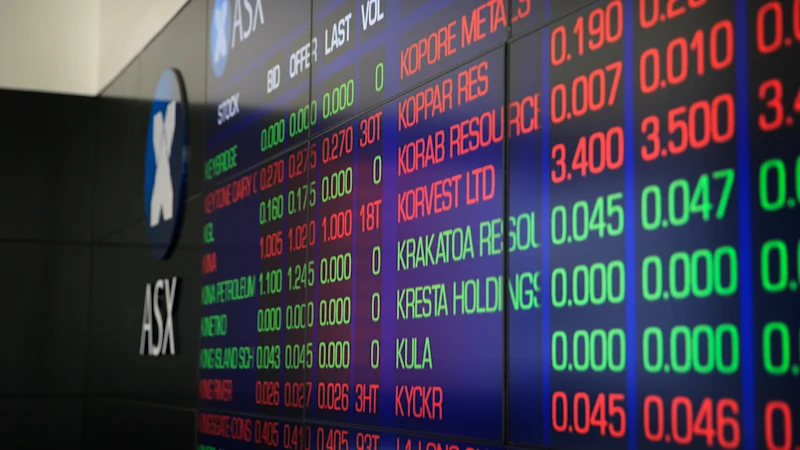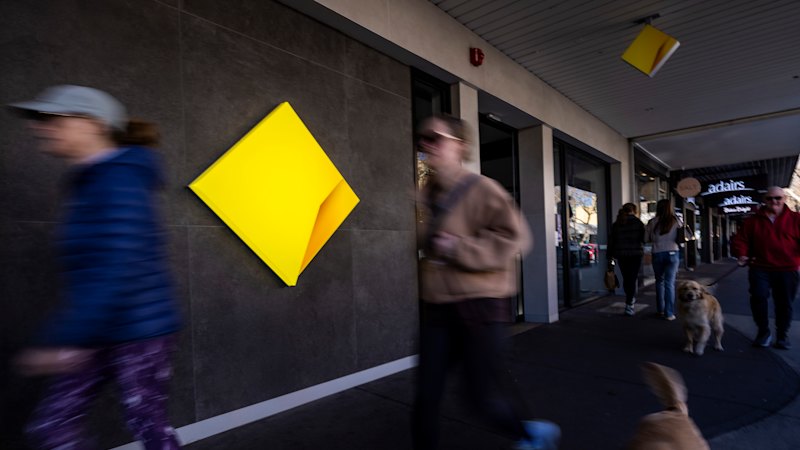
Australian shares ended little changed on Thursday as a rebound in banks offset losses across most other sectors, while investors watched U.S.-China talks for signs of easing trade tensions that could support growth and demand for commodities.The S&P/ASX 200 inched up 10.3 pips, or 0.1%, to 8,640.7.The benchmark had shed nearly 2.8% over four consecutive sessions.The meeting between the leaders of Australia's key trading partners is seen as a test for risk appetite in the resource-heavy bourse, with any thaw in relations likely to buoy miners, while renewed friction could deepen concerns over tariffs, inflation and global growth.Back in Sydney, financials snapped a four-day losing streak to advance 1%. The sub-index had lost more than 8% in the last four sessions.Top lender Commonwealth Bank of Australia gained 1.8%. The stock had plunged 10.4% in the previous session, hurt by housing tax changes that threaten to cool demand for mortgages.Investors may be buying banks for dividend yield, as higher capital gains taxes post-budget are expected to tilt preference away from growth stocks, said Craig Sidney, senior investment adviser at Shaw and Partners.Consumer stocks slid 1.9% to a four-month low, led by supermarket chain Coles, which dropped2.2% after a court ruled it misled shoppers on discounts.Larger rival Woolworths, also facing a similar lawsuit, dropped 1.3%.Miners slid 0.1%, led by declines in rare earth miners Lynas and Arafura which slipped 9.8% and 9.5% respectively.Critical metal miners have benefitted from Washington's push to diversify critical mineral supply chains away from top producer China.New Zealand's benchmark S&P/NZX 50 slipped 0.3% to 13,025.07, its third consecutive session of losses.Flag carrier Air New Zealand slid 5.8% after forecasting its steepest annual pre-tax loss in four years. (Reporting by Kumar Tanishk in Bengaluru; Editing by Janane Venkatraman)
Global Markets | Australian shares flat as bank rebound offsets broader losses; US-China talks in focus
The meeting between the leaders of Australia's key trading partners is seen as a test for risk appetite in the resource-heavy bourse, with any thaw in relations likely to buoy miners, while renewed friction could deepen concerns over tariffs, inflation and global growth.
289 words~1 min read