Jie Ye-eun
Inside Korea’s chaebol leadership and tech industry
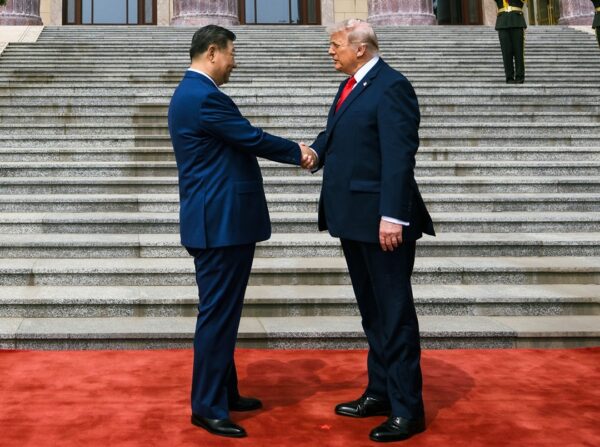
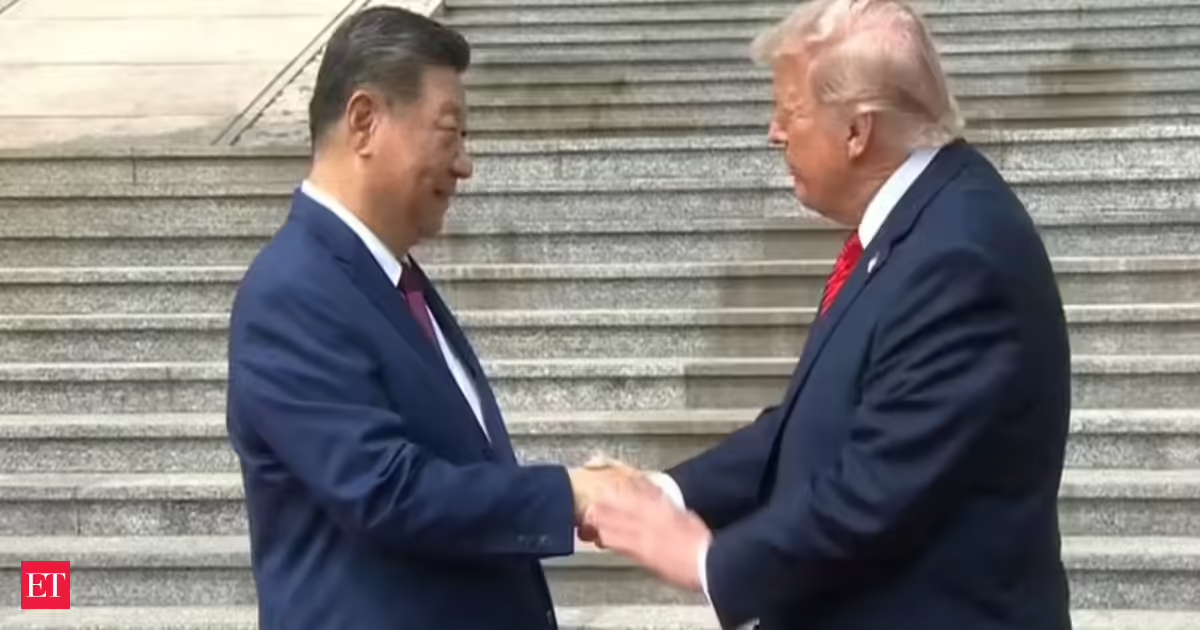
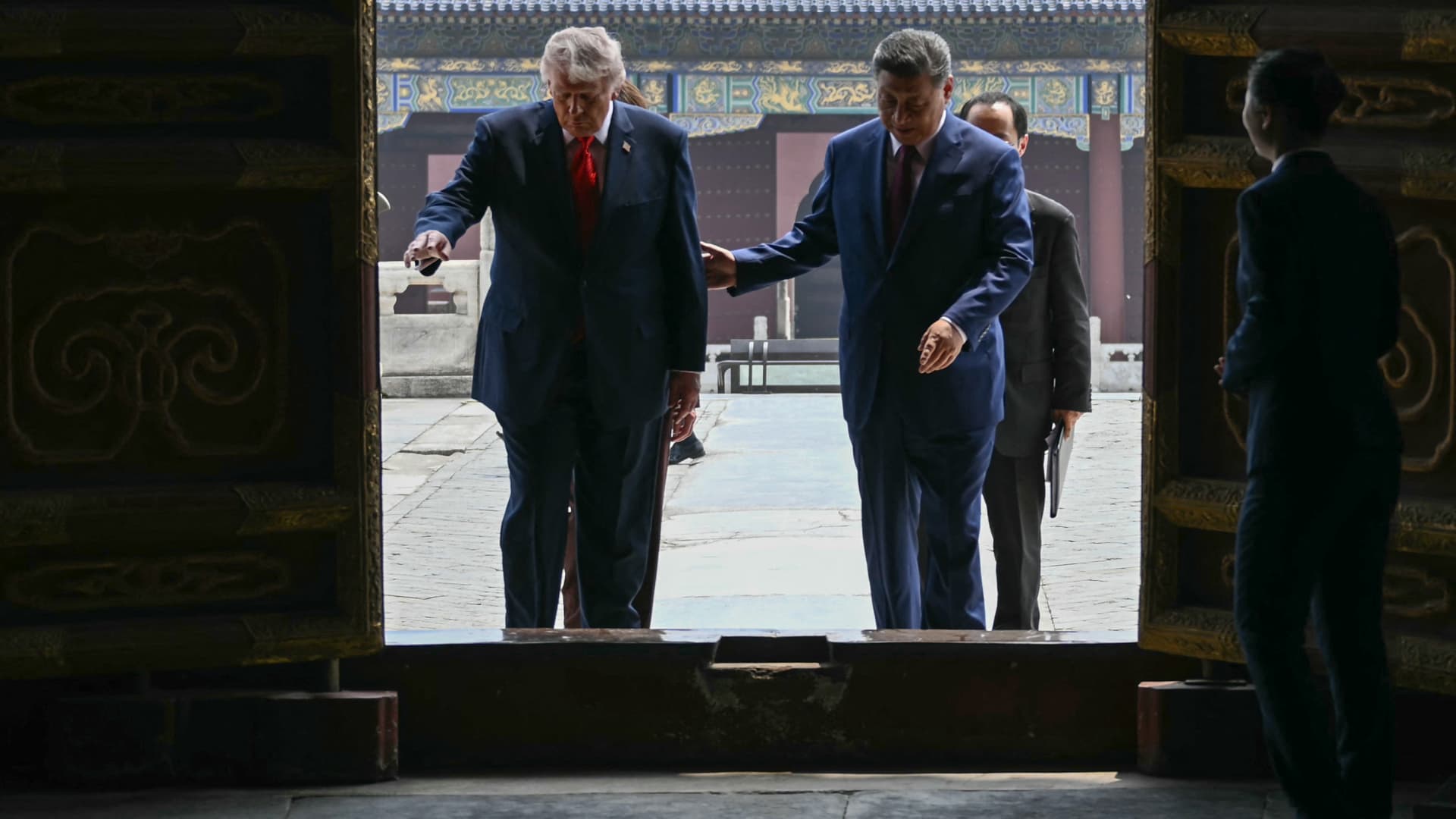
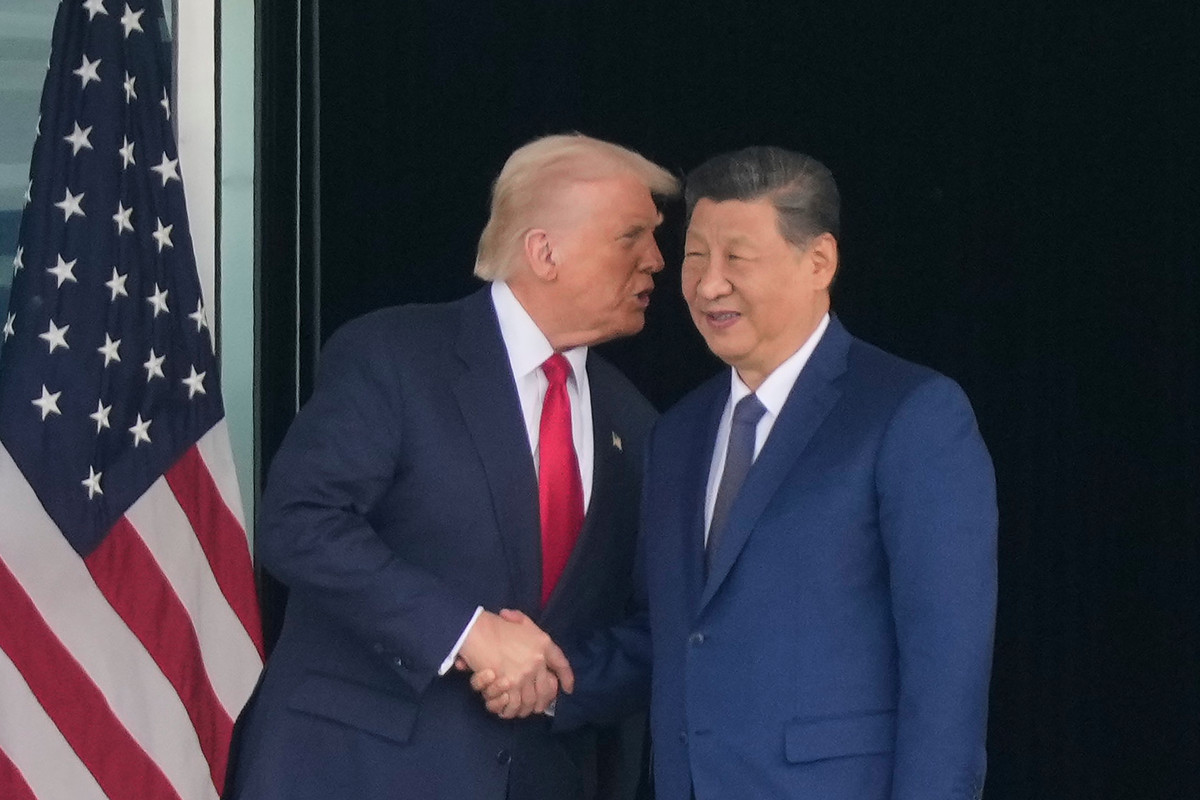
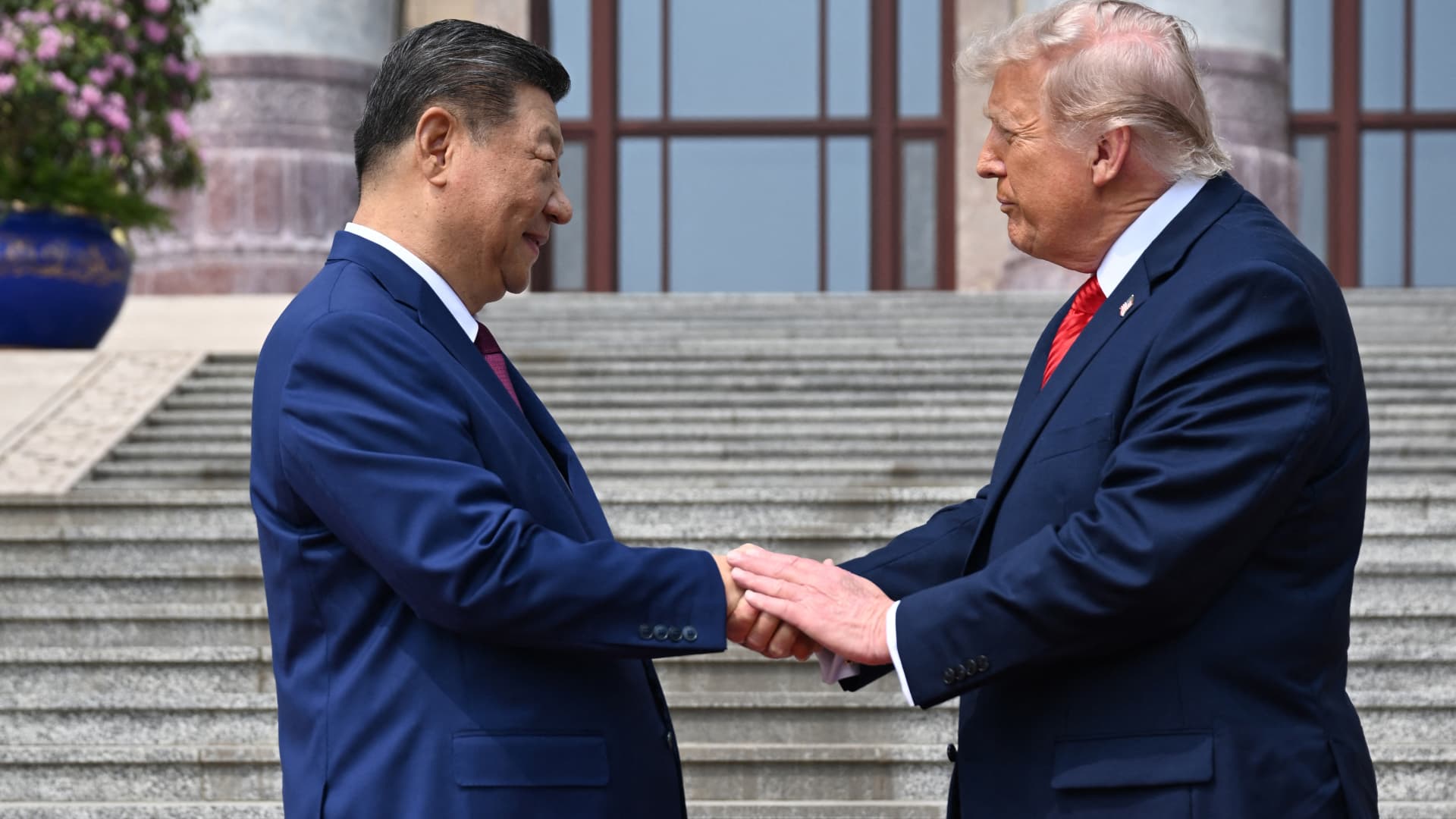
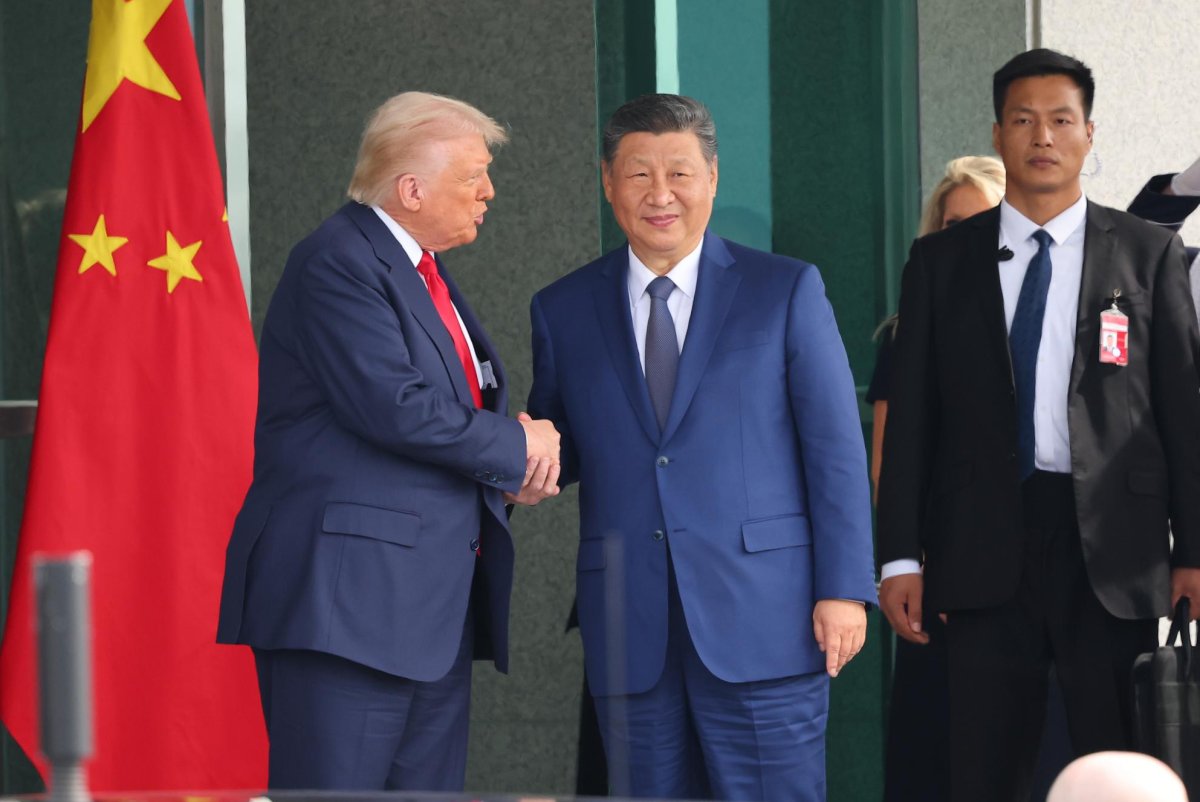
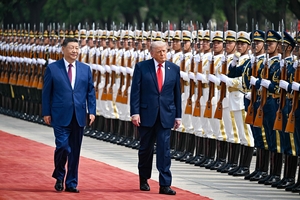
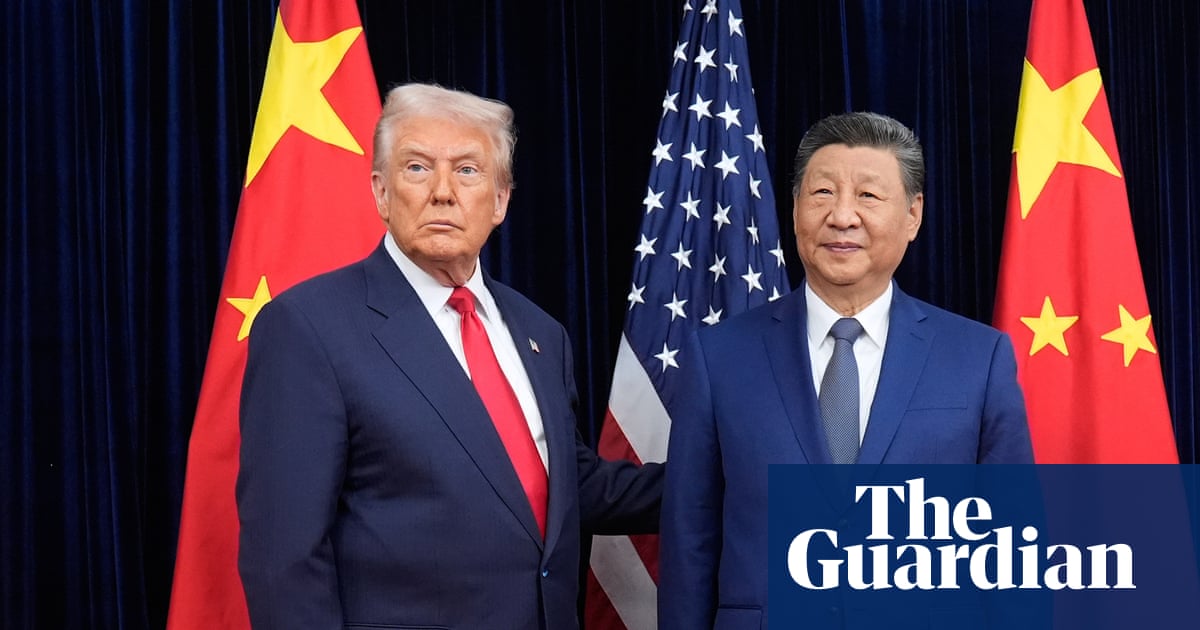
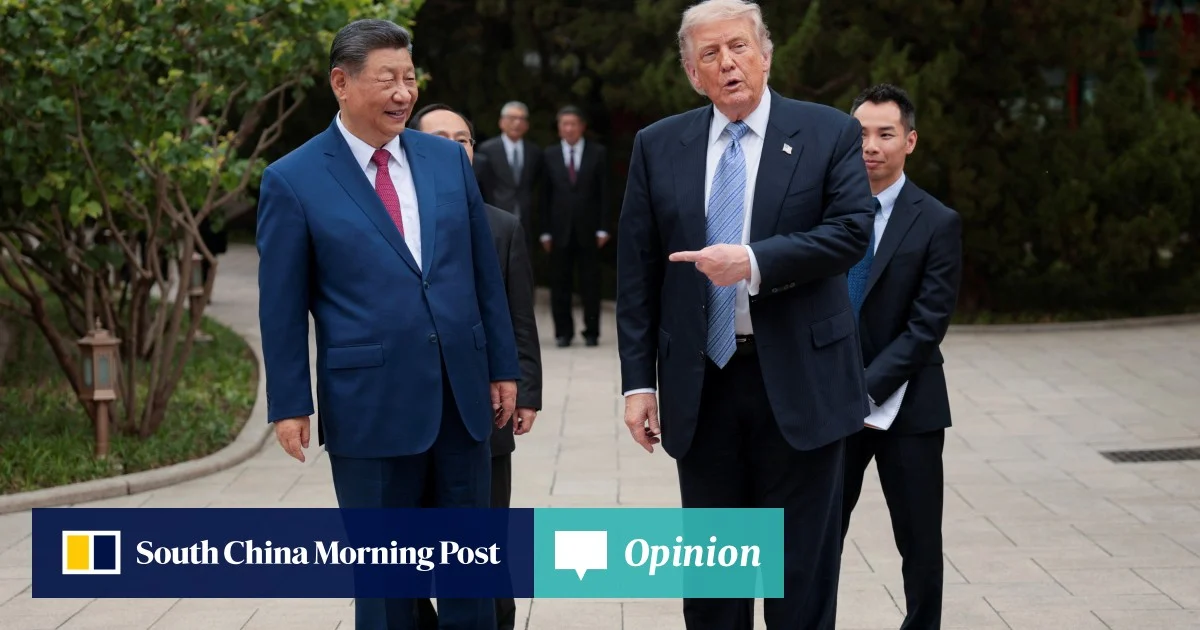
Easing US-China tensions may support Korean chip exports while accelerating China’s semiconductor ambitions US President Donald Trump (left) and Chinese President Xi Jinping shake hands in Beijing during a trip focused on trade, regional security and strengthening bilateral ties between the world's two largest economies. (Reuters-Yonhap) The Trump-Xi summit in Beijing is forcing Korea’s semiconductor industry to weigh a difficult trade-off: fresh business opportunities in China for equipment suppliers against the long-term risk of helping Chinese chipmakers narrow the technology gap with Samsung Electronics and SK hynix.At the center of the two-day summit are Washington’s semiconductor export controls and Beijing’s leverage over rare earth supplies — two issues with direct implications for Korea’s chip supply chain and export outlook.Washington has tightened restrictions on semiconductor equipment exports to China in a bid to slow Beijing’s advances in artificial intelligence and high-performance computing. China, meanwhile, is expected to use its dominance in rare earths as leverage as the two sides discuss whether to extend the trade truce reached in October last year.The negotiations also carry political significance for US President Donald Trump ahead of November’s midterm elections. Analysts say the US could ease some restrictions on semiconductor equipment exports if Beijing agrees to purchase more US agricultural goods, energy products and Boeing aircraft.“If the US eases some restrictions on semiconductor equipment exports while China guarantees stable rare earth supplies, both sides could frame the outcome as a diplomatic success,” said Yeo Tae-kyung, an analyst at Hyundai Motor Securities.Speculation over Nvidia’s China business intensified after CEO Jensen Huang joined Trump’s delegation at the last minute. The issue gained fresh urgency after Reuters reported Thursday that the US Commerce Department had already approved H200 chip purchases by around 10 Chinese companies, including Alibaba, Tencent, ByteDance and JD.com, though no chips had yet been shipped.Reuters also reported that intermediaries such as Lenovo and Foxconn had received approval to sell the chips, and that each approved Chinese company could purchase up to 75,000 units under the license conditions, according to sources. Lenovo confirmed to Reuters that it was among several companies authorized to sell H200 chips in China under Nvidia’s export license.The report marked the first time the list of Chinese companies approved by the US government to buy the chips had been identified, adding to expectations that Huang’s presence in Beijing could help resolve delays surrounding H200 sales to China.For Korean chipmakers, however, the implications are more nuanced. The H200 chips do not directly compete with Korean memory products, but the reported approvals could signal a broader shift in Washington’s approach toward technology exports to China.Cho Yeon-joo, an analyst at NH Investment & Securities, said any easing of restrictions tied to 14-nanometer and 7-nanometer semiconductor processes would be closely monitored, particularly as Chinese firms such as Hua Hong Semiconductor and Shanghai Huali Microelectronics Corp. push into more advanced-node production.“ASML’s immersion lithography equipment, which is essential for 14-nanometer and 7-nanometer logic production, is also used in advanced DRAM manufacturing,” Cho said.“This would be a negative scenario for Korean memory makers,” she added, arguing that China currently appears to hold stronger negotiating leverage through its control of rare earth supplies.Still, experts say the direct threat to Samsung Electronics and SK hynix could remain limited unless Washington allows China access to extreme ultraviolet lithography systems.The distinction is important, analysts say, because Nvidia’s AI chips and semiconductor manufacturing equipment affect Korea’s chip sector in different ways. While H200 sales could strengthen China’s AI computing ecosystem, the more direct risk for Korean memory makers would come from any relaxation of controls on advanced production tools.“The key is EUV lithography equipment, and I do not think the US will allow China to access it,” said Park Jae-geun, a distinguished professor in semiconductor engineering at Hanyang University.“If EUV access is granted, China could significantly accelerate its catch-up in logic foundry and advanced memory chips, but that equipment is unlikely to be released easily,” he said.Park added that current US restrictions on DRAM production below 17 nanometers and NAND flash with more than 200 layers are already near the levels Chinese chipmakers have achieved in some areas.“Even if the restrictions are eased somewhat, it is unlikely to become a direct burden on Samsung Electronics or SK hynix,” he said.Korean semiconductor equipment makers, however, could benefit if Chinese firms accelerate capacity expansion.“If Chinese chipmakers pursue faster mass production and revenue growth, they may turn to Korean equipment suppliers that already have extensive experience in memory production,” Park said. “In that sense, the situation could be positive for Korean equipment companies.”A broader easing of US-China tensions could also provide support for Korea’s exports to China, particularly semiconductors.Park Sang-hyun, an analyst at iM Securities, said Korea’s exports to China surged 62.5 percent on-year in April, the fastest growth among major export destinations. Shipments to China rose 81.8 percent during the May 1-10 period, compared with a 17.9 percent increase in exports to the US.“Semiconductors have led the recovery in exports to China,” he said. “If the summit helps ease tensions between the US and China, it could support China’s economy and further boost Korean exports to the country.”