It was the birthplace of the liberal tradition, but also the incubator for Nazism – what can this historic city tell us about democracy?
‘W
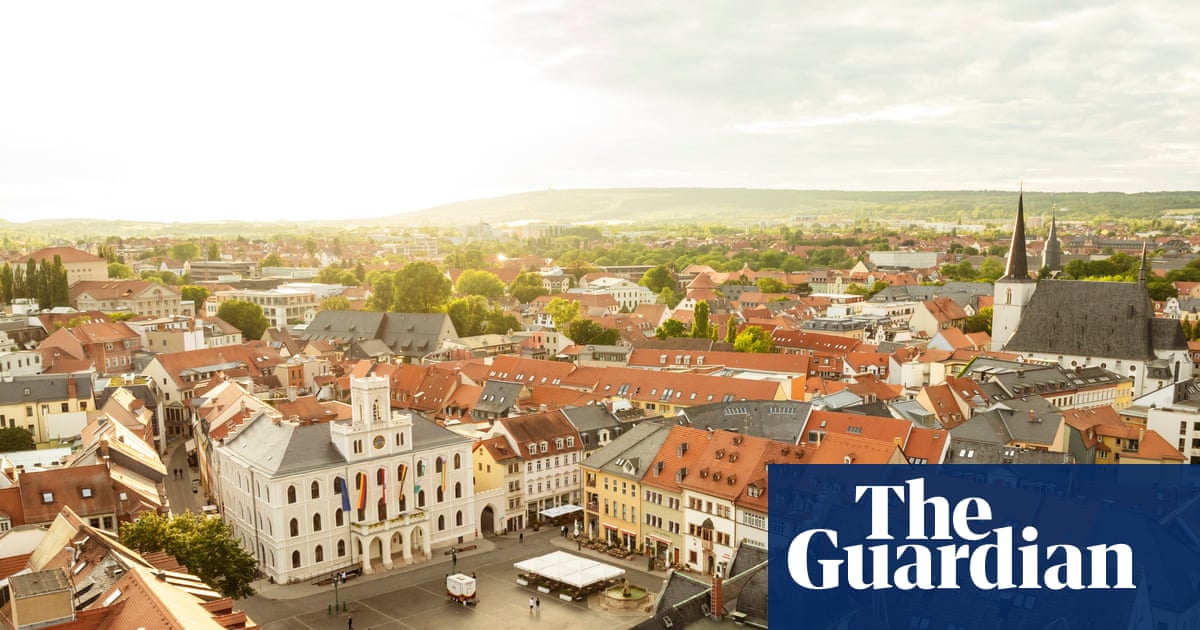
eimar is Germany in a nutshell,” 1990s president Roman Herzog once quipped: “a town in which not only culture and thought were at home but also philistinism and barbarism.” The small city (population 65,000) sits at the heart of the nation and acts as a shrine to its sons Goethe, Schiller and Nietzsche. In 1919 the country’s first democratic constitution was promulgated in its national theatre. It was chosen as the site of Germany’s rebirth precisely because its aura of refined culture contrasted so sharply with the “Prussian militarism” of Berlin. From 1919-1925 it hosted the Bauhaus School, led by Walter Gropius, placing it at the forefront of art and design.
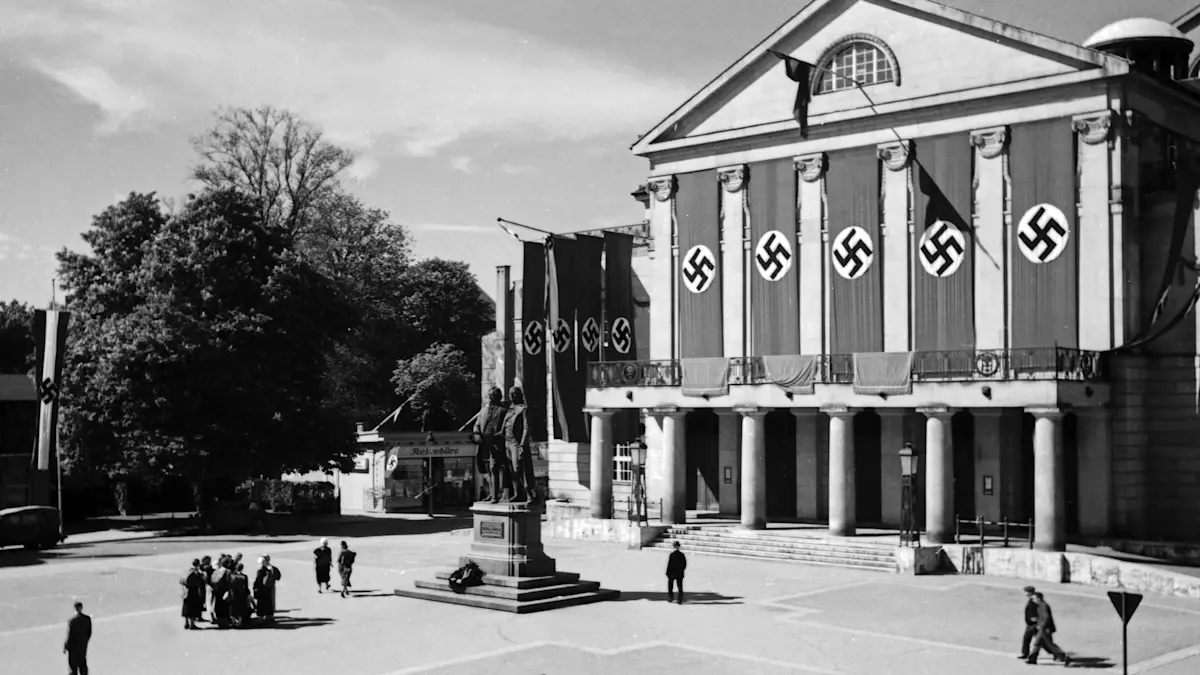
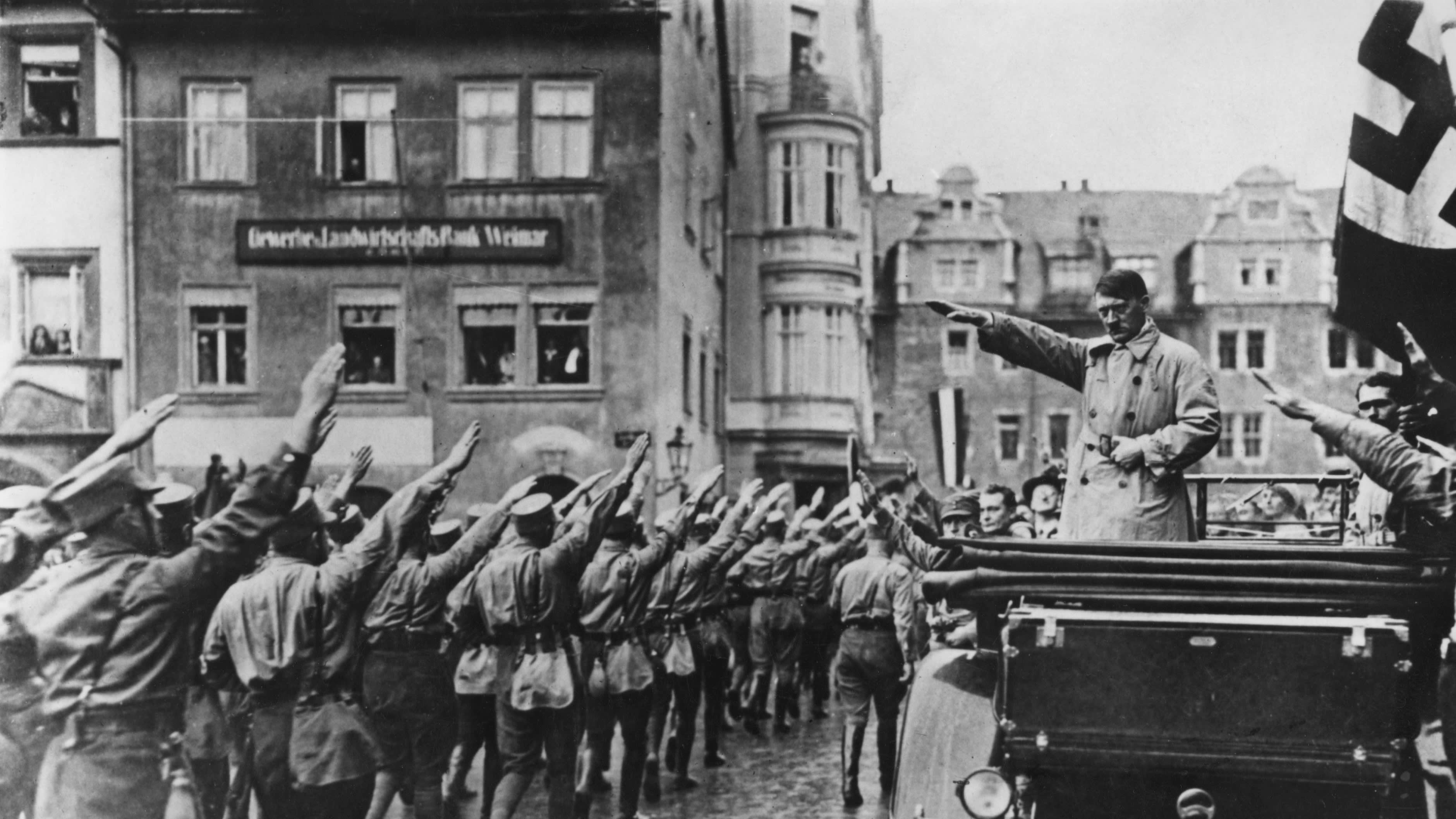
Yet, starting in the mid-1920s, Weimar, which is also the state capital of Thuringia, became pivotal in the rise of the Nazi party and its first, regional, experiments in government. After 1933 it competed with Bayreuth for recognition as the “spiritual home of Nazism”.
Historian Katja Hoyer, best known for 2023’s Beyond the Wall, evokes some of these dissonances in her new work charting Weimar’s interwar story. She divides the book into chapters chronicling local events every year between 1919 and 1939, blending public records with personal letters, diaries and memoirs left by the city’s inhabitants.