Exclusive: Demand for blood to treat the rare disorder has soared by 132% in 10 years
Demand for blood needed to treat rare disorders such as sickle cell has soared by more than 130% in 10 years, forcing the NHS to ask for more donors to come forward.
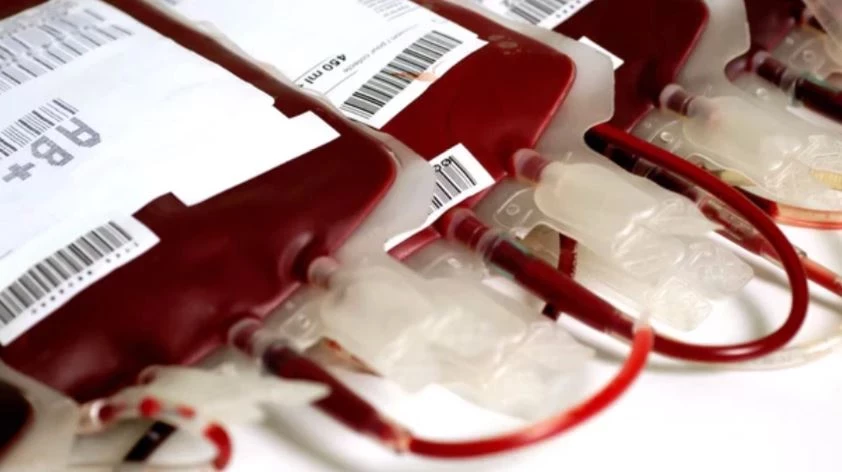
Requests for haemoglobin S (HbS)-negative blood, the type most used in blood transfusions for sickle cell anaemia patients, stood at 82,181 units in 2015. But last year, more than 191,000 units were needed, a 132% increase.
HbS is a type of haemoglobin commonly found in people with sickle cell trait and sickle cell disorder. It gives red blood cells a crescent or ‘sickle’ shape, reducing the flexibility of the cells in blood vessels.
For transfusions, patients with sickle cell should receive blood that does not contain HbS. This helps ensure the transfused blood works normally and does not worsen their condition.