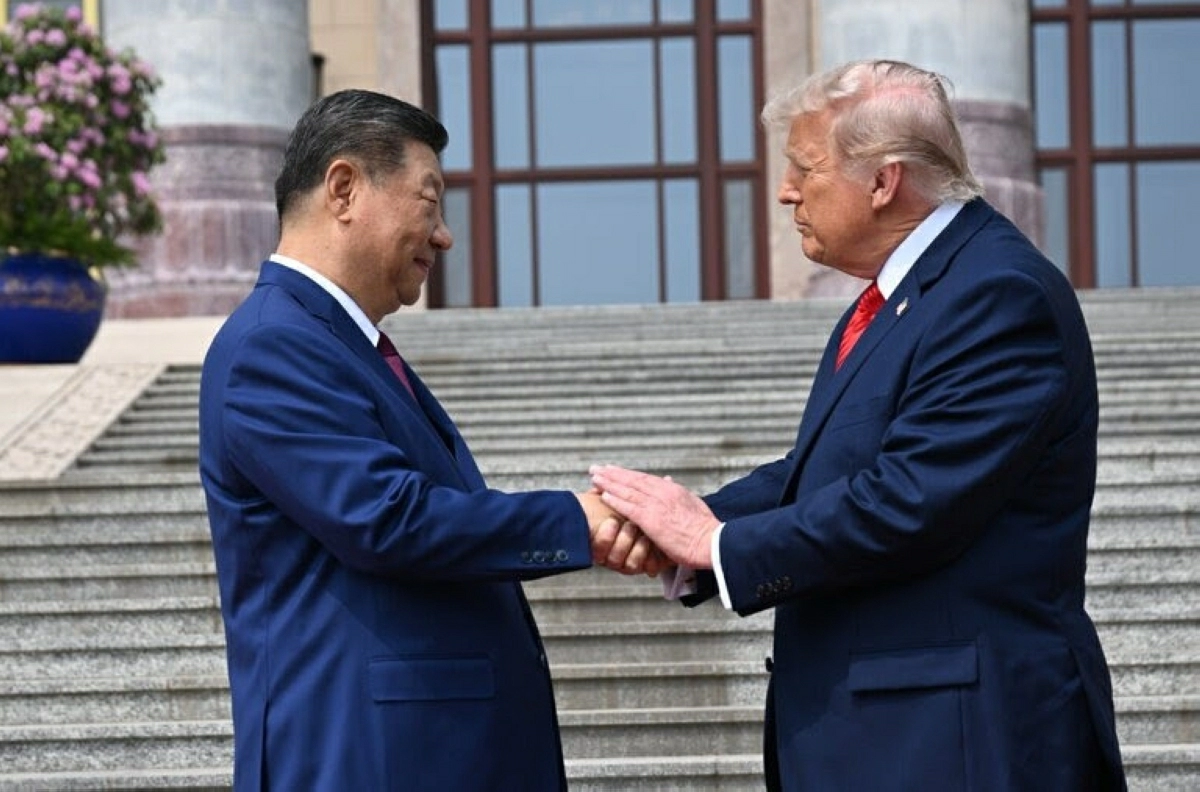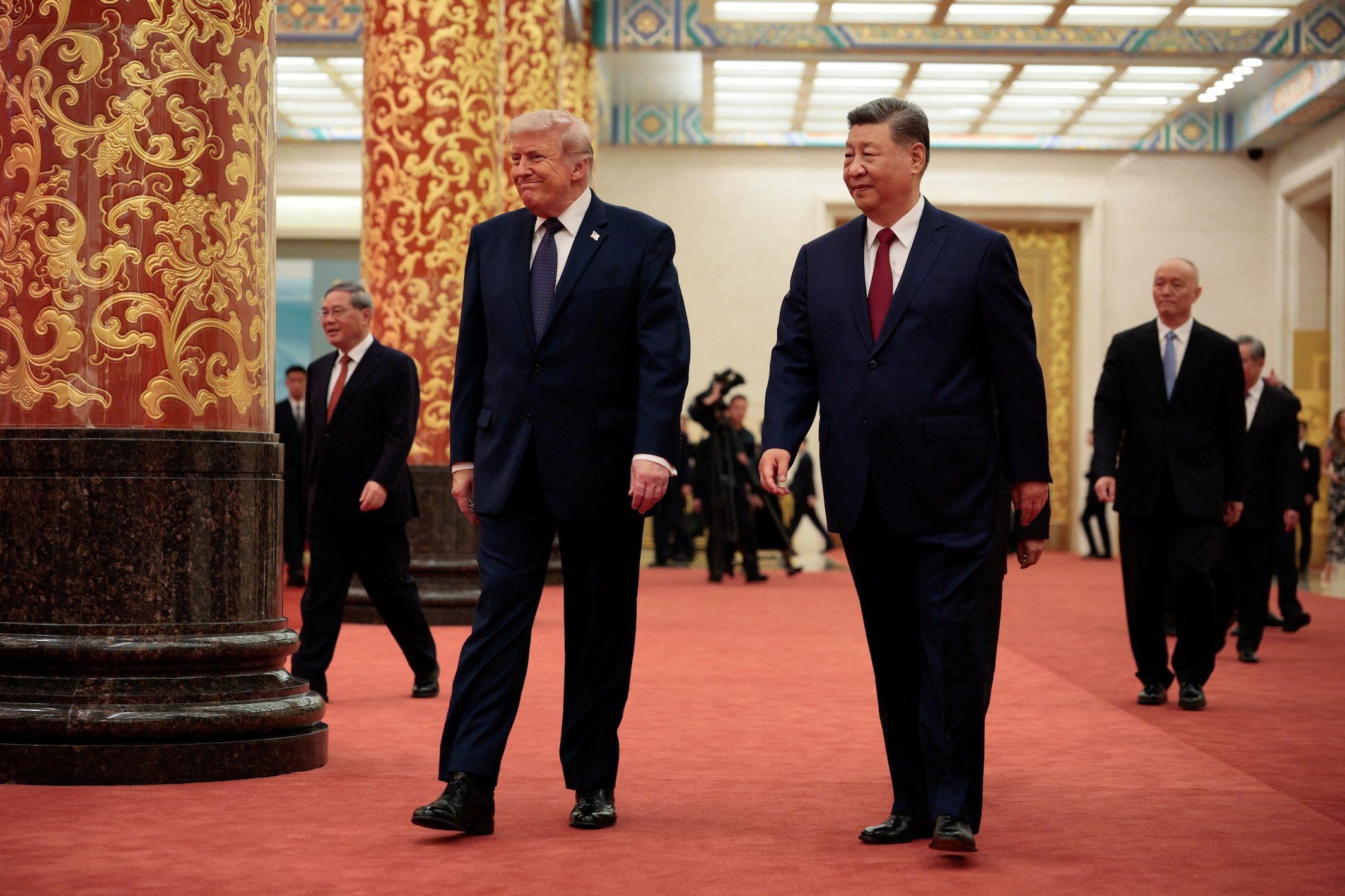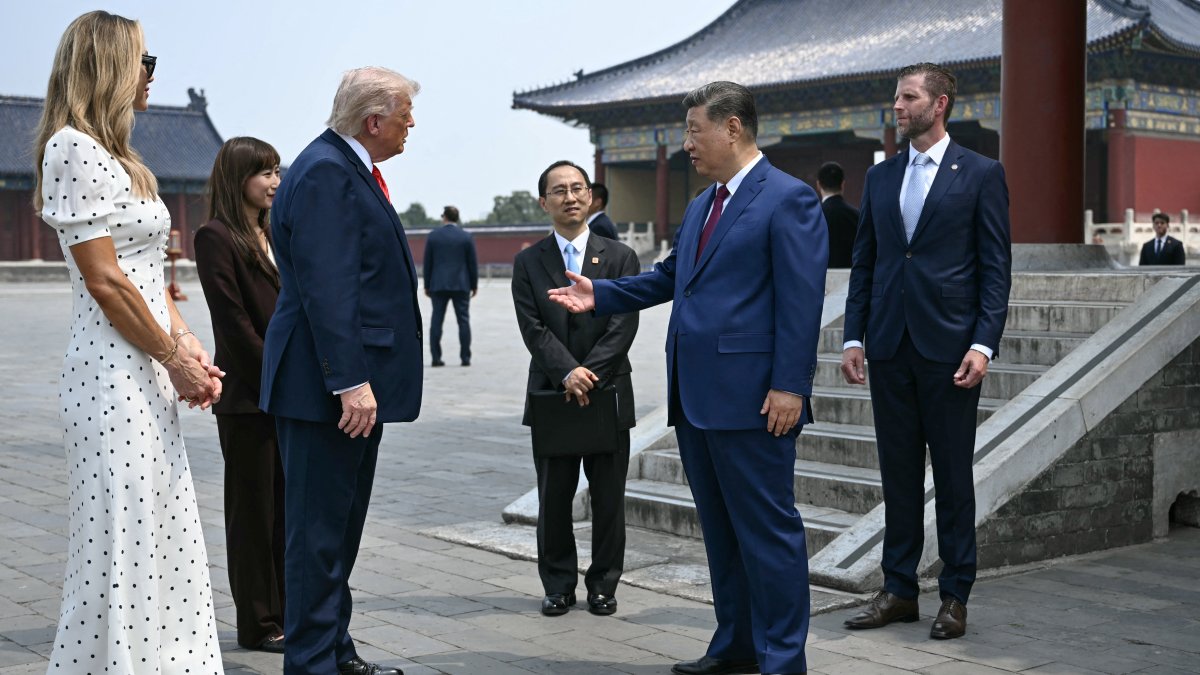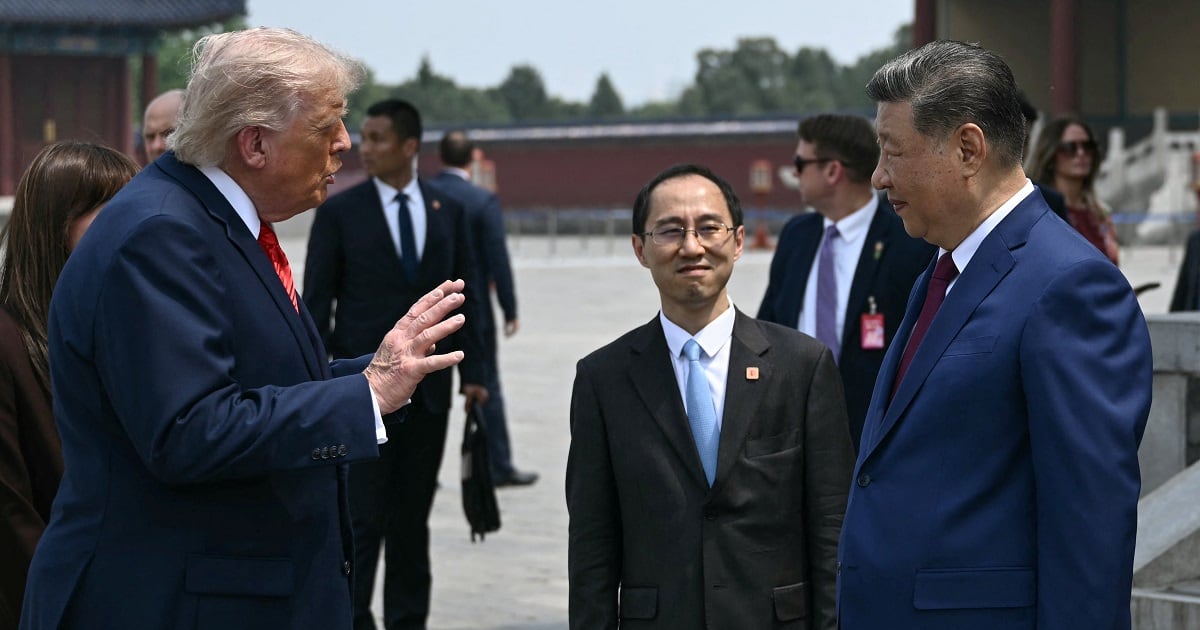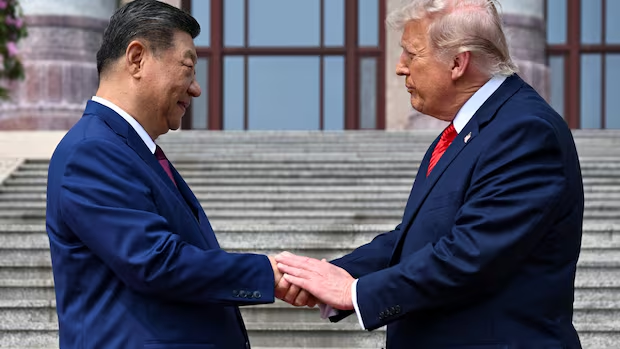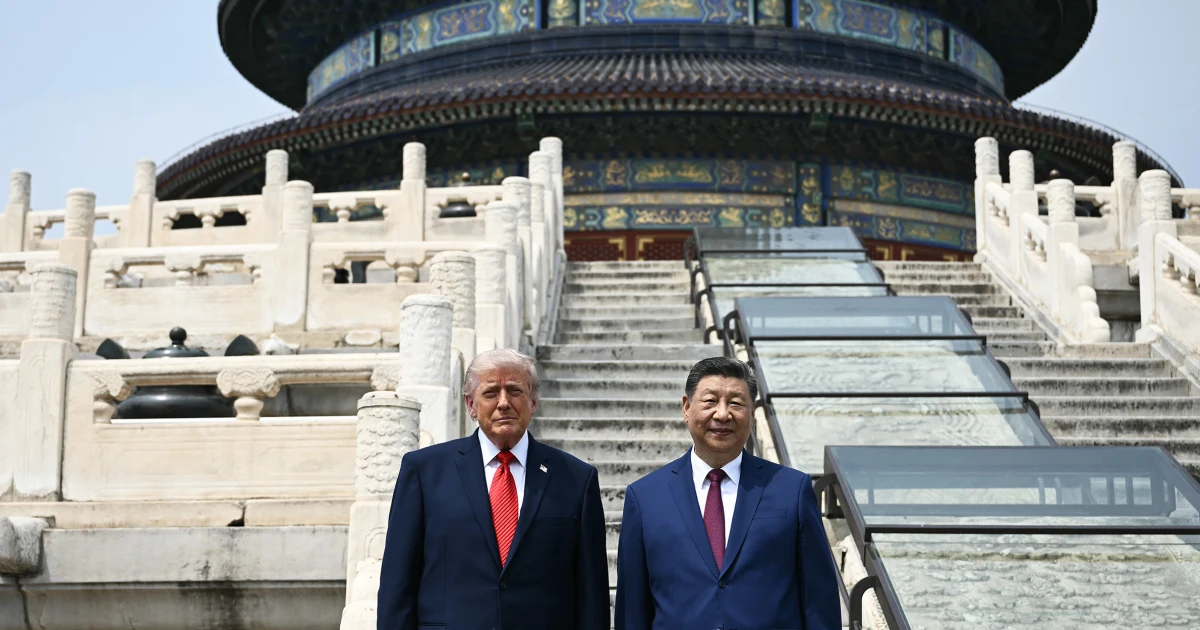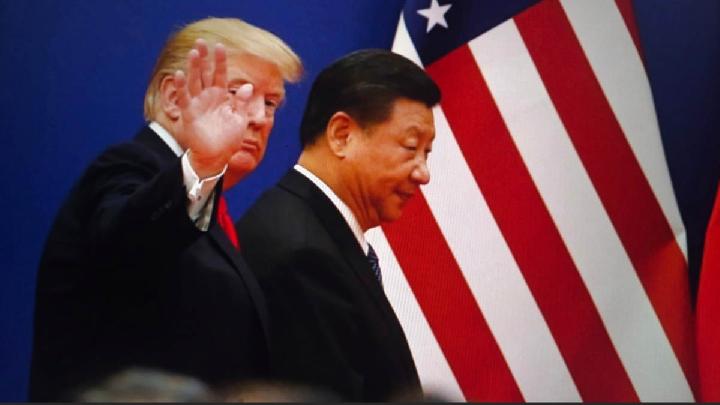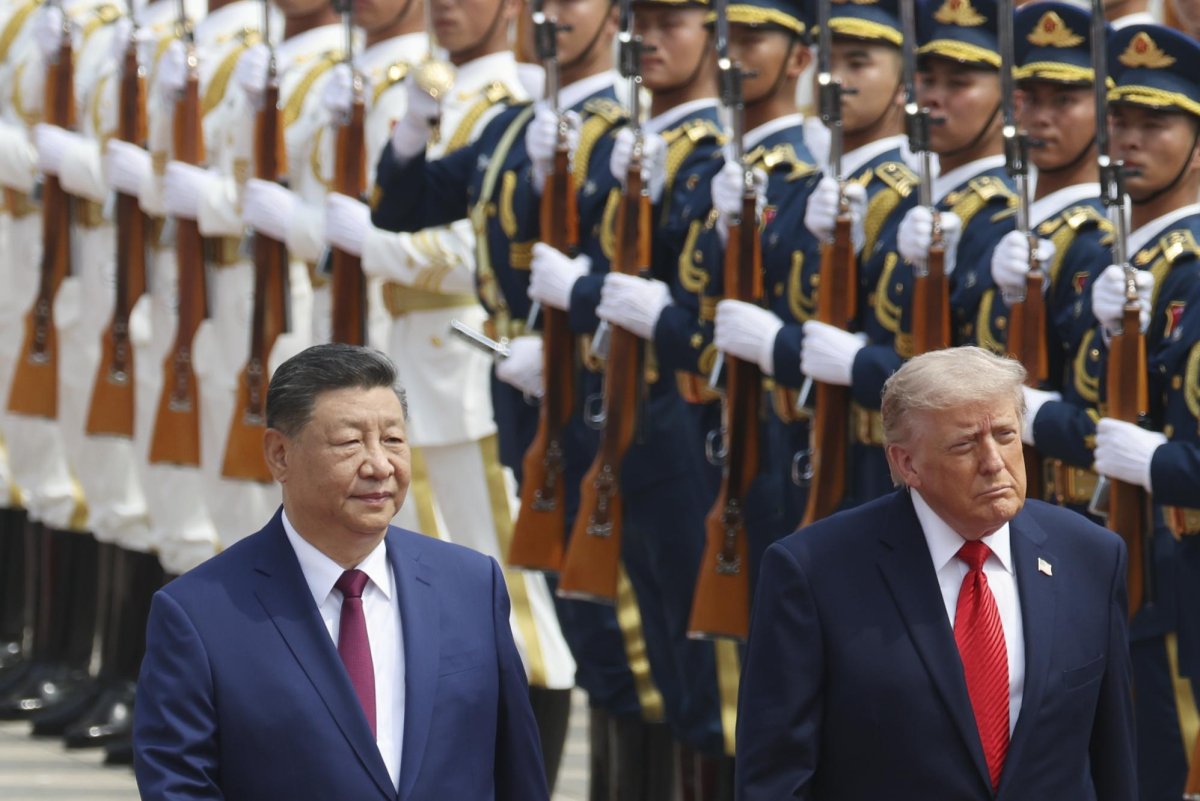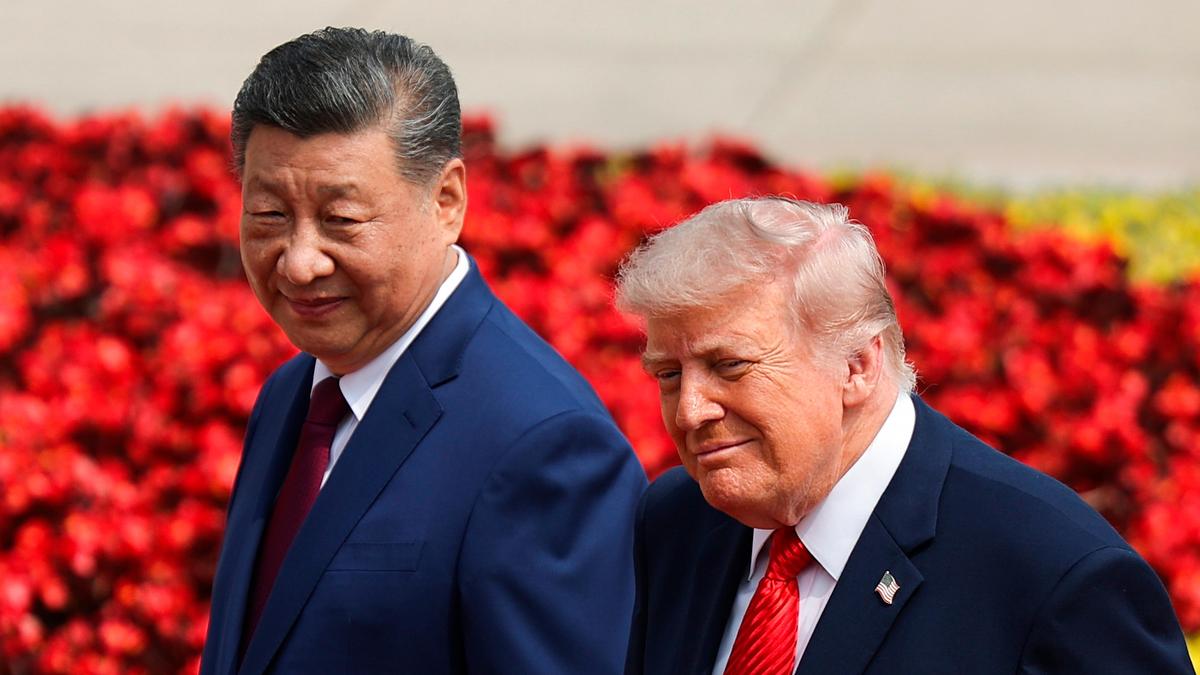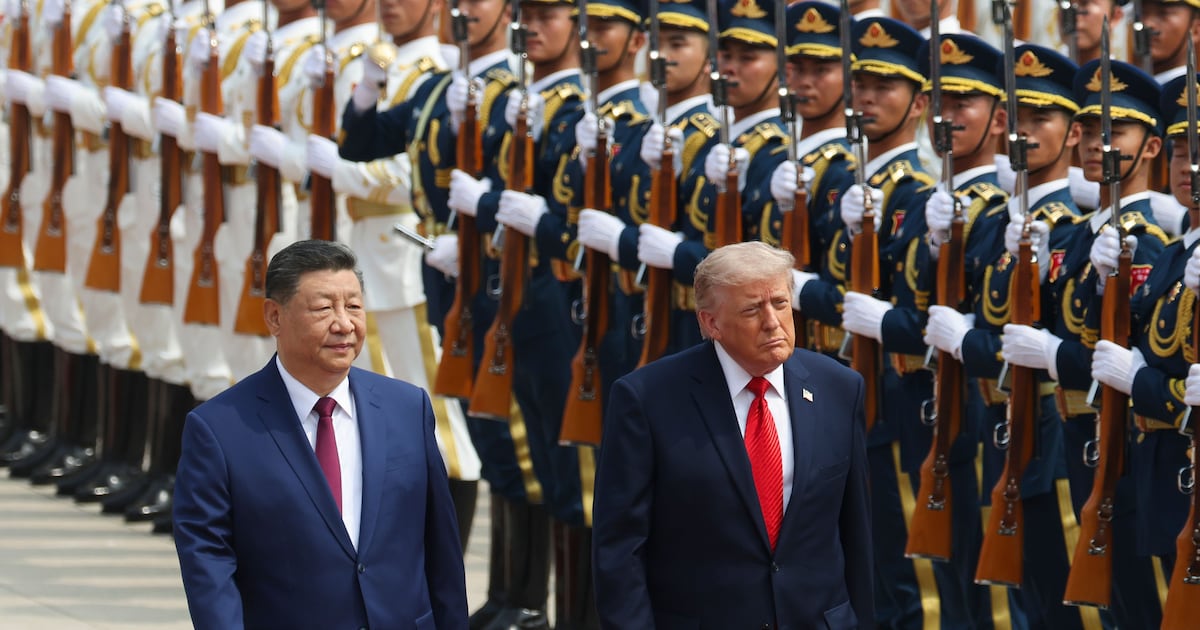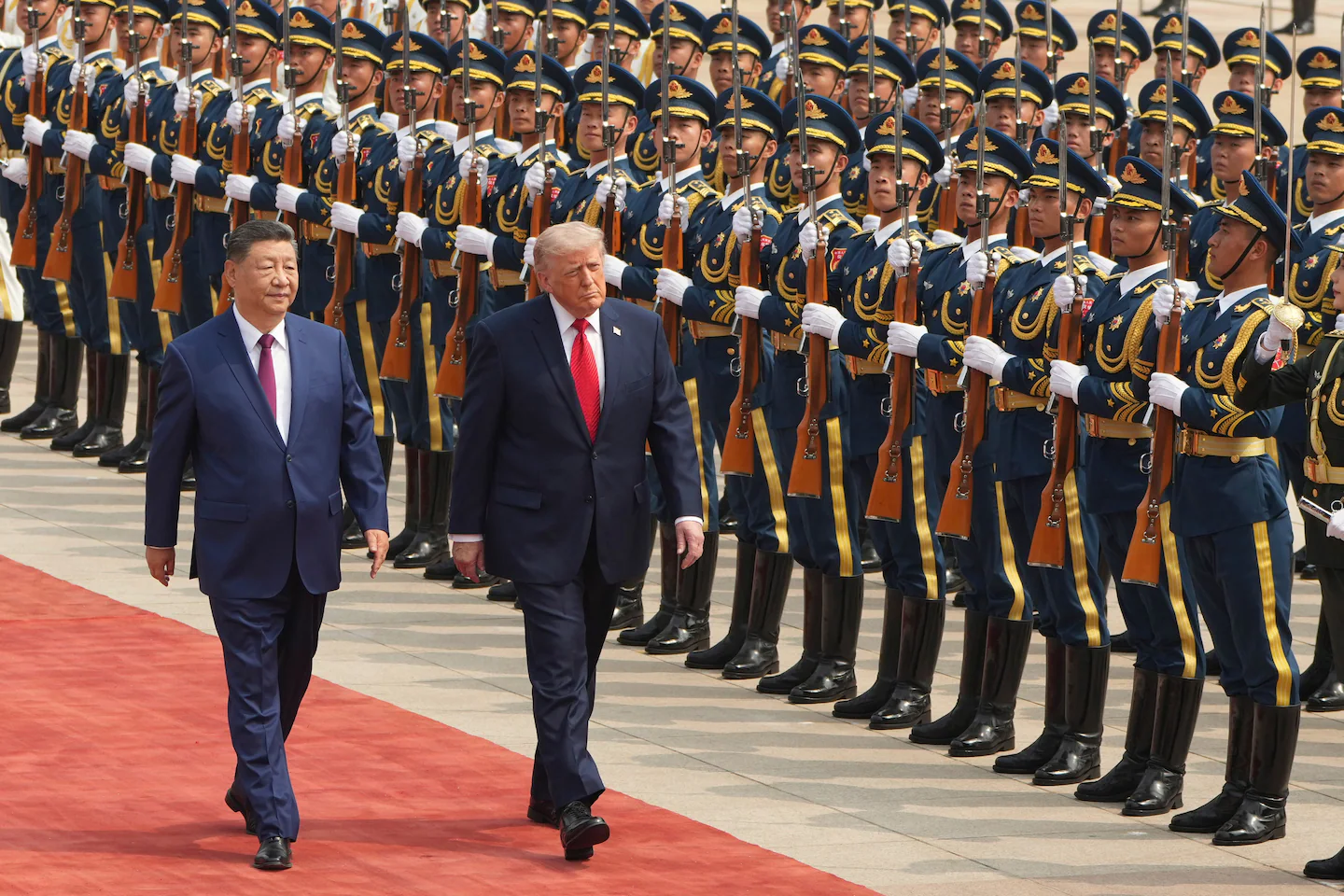
BEIJING — Chinese leader Xi Jinping warned President Donald Trump on Thursday that “conflicts” could emerge if the two powers mishandle Taiwan, declaring that Beijing’s top priority in talks with the United States is the fate of the contested island long supported militarily by Washington. Subscribe for unlimited access to The PostYou can cancel anytime.SubscribeXi’s message — delivered behind closed doors in an hours-long meeting in Beijing’s Great Hall of the People — was all the more striking given Trump’s effort to warm up relations and deliver trade deals to boost the U.S. economy. It came after Xi welcomed Trump at an elaborate ceremony overlooking Tiananmen Square, where the Chinese military crushed pro-democracy protesters in 1989.Trump brought dozens of top U.S. business leaders with him on the trip and has made deepened trade ties a focus, downplaying the military rivalry between the two nations. Although Trump said later that the meeting was “great,” Xi’s remarks, as reported by the Chinese Foreign Ministry, made clear that the Chinese leader intended to focus on security at a moment when Trump has shown greater willingness to flex U.S. military might.“The Taiwan question is the most important issue in China-U.S. relations,” Xi said, according to the Foreign Ministry readout. “If it is handled properly, the bilateral relationship will enjoy overall stability. Otherwise, the two countries will have clashes and even conflicts, putting the entire relationship in great jeopardy.”In the meeting, Trump did not respond to Xi’s comments about Taiwan and moved on to the next topic without acknowledging them at all, according to a White House official, who spoke on the condition of anonymity to discuss the sensitive closed-door meeting.A senior administration official said, however, that during the course of the meeting, both sides reiterated their long-stated positions on the issue.Secretary of State Marco Rubio, in a clip from an interview with NBC that aired Thursday, said U.S. policy on Taiwan is “unchanged.”“From our perspective, any forced changed in the status quo in the situation that’s there now would be bad for both countries,” he said.Ahead of his trip to Beijing, Trump said that Xi wanted to discuss U.S. arms sales to Taiwan and that he would have the conversation — itself a shift because official U.S. policy has been that it sells weaponry to Taiwan without consulting with Beijing.Publicly, the two leaders sought to minimize any rivalry as two days of high-stakes meetings started Thursday, with the U.S. president and his entourage greeted by a group of flag-waving schoolchildren and troops marching in lockstep.As the day began, Trump’s motorcade passed beneath the watchful eye of Communist China’s founding father, Mao Zedong, whose face hangs above the entrance to the Forbidden City at the top of Tiananmen Square, before he rolled up to the Great Hall of the People for the start of his meetings. The ceremony — with a military brass band playing “The Star Spangled Banner,” a 21-gun salute and scores of marching service members, all of identical height — almost exactly matched the last time Trump visited Beijing, early in his first term in 2017.But China is far more powerful than it was then. Trump, meanwhile, has led the United States into a war with Iran that has sealed much of the world’s energy supply into the Persian Gulf and driven up prices at home. He is looking to Xi to pressure Iran to free traffic in the Strait of Hormuz and back away from its nuclear program.Rubio, in the NBC interview, said Trump raised the issue of Iran with Xi but did not ask him for help. “I don’t know that there’s a country on the planet that is in favor of this regime and Iran having nuclear weapons,” Rubio said. “The difference is we’re actually trying to do something about it.” As they embarked on their meetings, Trump talked of the two leaders’ personal ties, while Xi responded with a focus on the broader U.S.-China relationship.“That was an honor like few have ever seen before,” Trump told Xi as they started their conversation in the Great Hall of the People. “You and I have known each other now for a long time. In fact, the longest relationship of our two countries that any president and president has had, and that’s, to me, an honor.”Xi, who has led China since 2013, has presided over an unprecedented centralization of power, purging opponents and entrenching himself as a leader with few rivals.“The two sides should be partners rather than rivals, achieving mutual success and shared prosperity, and finding a proper way for major powers to coexist in the new era,” Xi said.A White House readout of the meeting made no mention of Taiwan, saying instead that the two leaders agreed to deepen trade ties, combat the flow of fentanyl precursors into the United States and to get Iran to reopen the strait.China has long claimed sovereignty over Taiwan, a democratic island territory that is a powerhouse manufacturer of semiconductors and other technology. The U.S., while not officially recognizing Taiwan as an independent country, is the territory’s major military backer. U.S. war planning for East Asia envisions how to defend the island against a Chinese invasion aimed at reasserting Beijing’s authority.“China’s military threats are the sole cause of instability for the Taiwan Strait and the Indo-Pacific region,” Taiwanese government spokeswoman Michelle Lee told reporters Thursday. “Our government views positively any actions that contribute to regional stability and help manage the risks posed by the expansion of authoritarian influence.”When Trump’s motorcade rolled up to the Great Hall of the People, the leaders shook hands, then greeted each other’s dignitaries. Xi walked down the line of U.S. officials, shaking the hands of the men who have presided over the attack on Iran that has the potential to reshape Middle East politics in a way few other events have in decades.He ended the line at Eric and Lara Trump — family members who have been seeking to tap into the vast profits to be made from the Chinese market.Then came the military salute, the band and the cheering children, who waved American and Chinese flags and flowers, and appeared to delight Trump as he clapped and gave them two thumbs-up.After the meeting, the presidents toured Beijing’s Temple of Heaven, one of the city’s prime historic sites. Xi ended the day by hosting Trump for a lavish state dinner Thursday evening, before more meetings on Friday.On Thursday, there was little public sign of the confrontational approach that Trump took at the end of his first term as he sought to bar Chinese technology from U.S. markets. Instead, top U.S. business executives accompanied him as he sought to deepen investment flows between the countries.Apple’s Tim Cook, Tesla’s Elon Musk and Nvidia’s Jensen Huang all stood behind Trump’s top officials as the leaders walked the red carpet during the arrival ceremony. Xi met with U.S. business leaders in the Great Hall after his meeting with Trump.“Meetings went well,” Huang told reporters as he departed the Great Hall. “Mr. Xi and President Trump were incredible.”“Xi is giving Trump the TV-ready spectacle that he was hoping for,” said Julian Gewirtz, who was a director for China policy on the Biden administration’s National Security Council. “China is hoping to trade symbolism for substance, using protocol and Trump’s preference for pageantry to hold off a return to economic escalation and buy time for China to build up its strength.”The size and makeup of the U.S. CEO delegation in Beijing has infused hope into the possibility of progress in negotiations over trade and investment, said Da Wei, director of the Center for International Security and Strategy at Tsinghua University.But overall expectations are still measured. An October meeting between the two leaders in South Korea came after China imposed restrictions on rare earth exports following U.S. tariffs and had a sense of “crisis management,” he said. “If this summit can be a stepping stone for the future, that would be good enough.” Former president Joe Biden did not visit Beijing while he was in the White House, though he met Xi elsewhere, so there has been a long drought in visits.“No U.S. presidents visited China in the past nine years,” and that was a warning sign for U.S.-Chinese relations, said Zhang Jiadong, a former diplomat and professor at Fudan University in Shanghai.“Trump’s being here is sending the most important signal, that China and the U.S. are no longer aiming for new breakthroughs, but striving to restore some stability,” he said. Tan reported from Singapore. Michelle Ye Hee Lee, Huiyee Chiew and Lyric Li in Taipei, Taiwan, contributed to this report.
Xi warns Trump that mishandling Taiwan could spark ‘conflicts’
China’s leader made clear his top priority is the fate of the contested island and its U.S. military support, a striking move given President Donald Trump’s effort to mend ties and deliver trade deals.
1,435 words~7 min read