This story is part of Sixth Tone’s 10-year anniversary series, Ten Years in Transition.
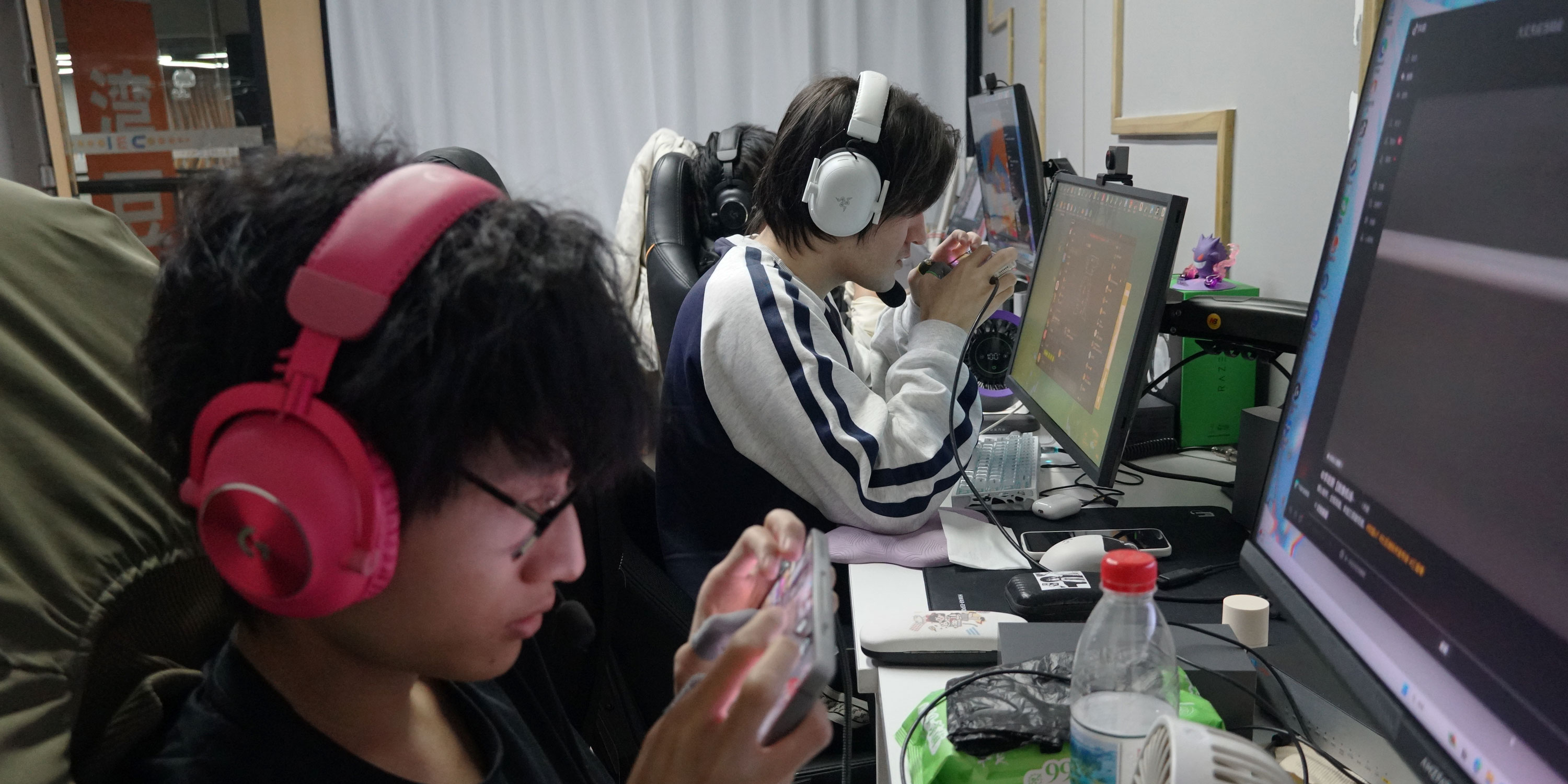
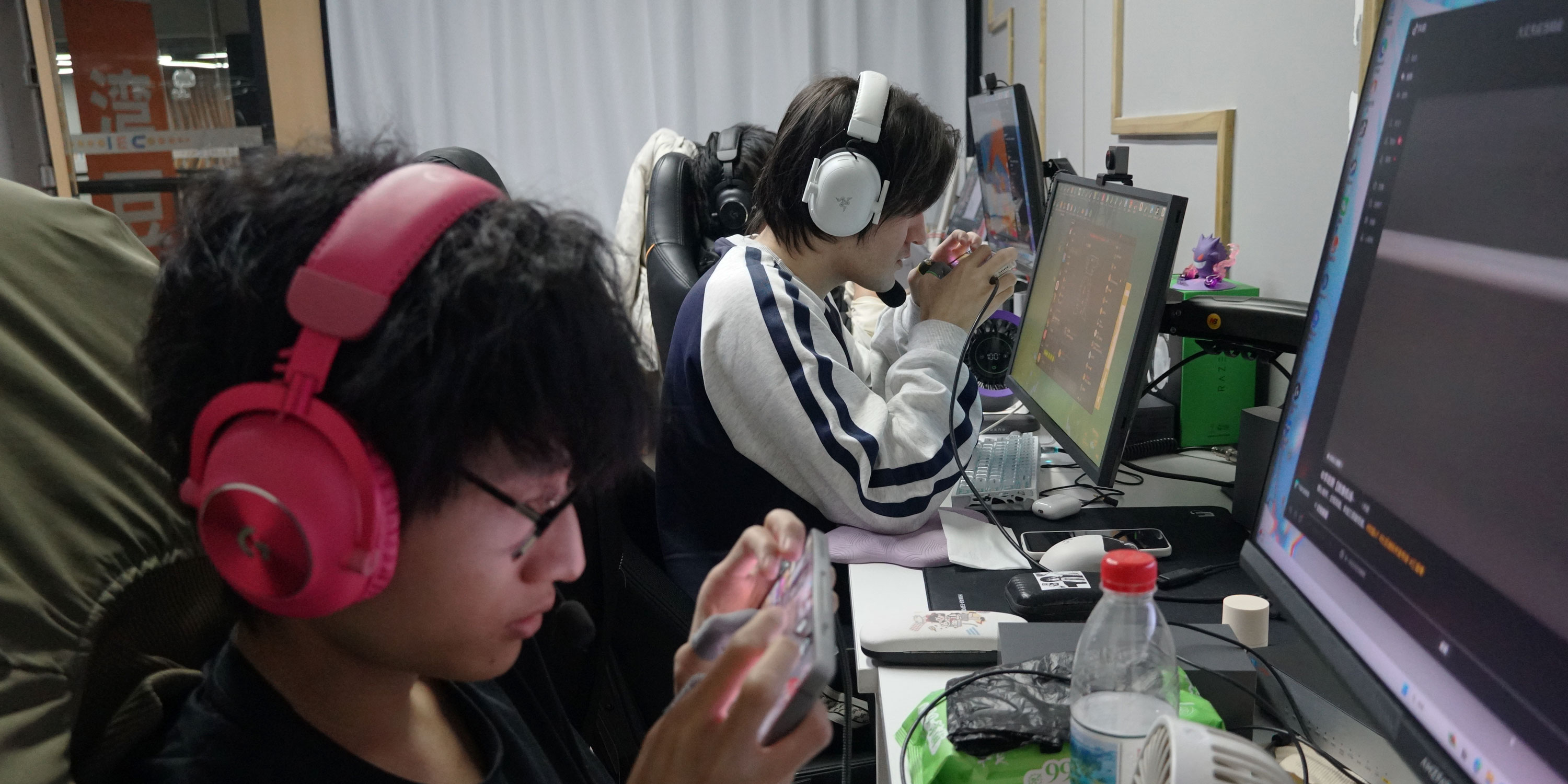
ZHEJIANG, East China — Inside Wei Yuan’s training center in a Hangzhou esports complex, players sit shoulder to shoulder beneath strip lights, thumbs flicking across phone screens in finger sleeves as coaches pace behind them. Slogans on the walls urge students to train like Olympic champions.
Yet much of Wei’s job involves showing would-be pro gamers just how far they are from making it. In his office, banners from grateful parents thank him for helping their children give up gaming.
When teenagers arrive, Wei starts with a paid assessment: reaction-speed tests, in-game observation, and, in some cases, sessions with a psychologist. For those still convinced they have what it takes, he arranges scrimmages against trained players, letting the result speak for itself.
“The key isn’t us convincing them to quit,” Wei tells Sixth Tone. “It’s letting them see the gap for themselves. That’s more convincing than anything we could say.”